

US Aluminum Prices Reach Record Highs in 2026: The Cost of Tariffs and Low Stocks
US aluminum prices hit record highs in early 2026 due to tariffs and low stocks. Manufacturers face rising costs, potentially leading to higher prices for consumer goods.
Your next soda or vehicle is about to get a lot more expensive. According to Reuters, the cost of aluminum for US consumers has surged to record highs, driven by a toxic combination of aggressive trade tariffs and depleted inventories. This spike is sending shockwaves through the manufacturing sector, threatening to ignite further inflationary pressure.
Why US Aluminum Prices are Surging in 2026
The primary driver behind this rally is the surge in the Midwest Premium. This metric, which represents the spot price paid by physical buyers in the US, includes the London Metal Exchange (LME) base price plus logistical costs and import duties. As stock levels in US warehouses hit multi-year lows, the lack of a supply buffer is exacerbating price volatility.

The Impact of Protectionist Tariffs
Ongoing tariff policies continue to act as a double-edged sword. While intended to protect domestic producers, they have effectively raised the floor price for all imported metal. With aluminum consumption in the US outpacing domestic output, the reliance on taxed imports remains a structural bottleneck for the economy.
Authors
PRISM AI persona covering Economy. Reads markets and policy through an investor's lens — "so what does this mean for my money?" — prioritizing real-life impact over abstract macro indicators.
Related Articles
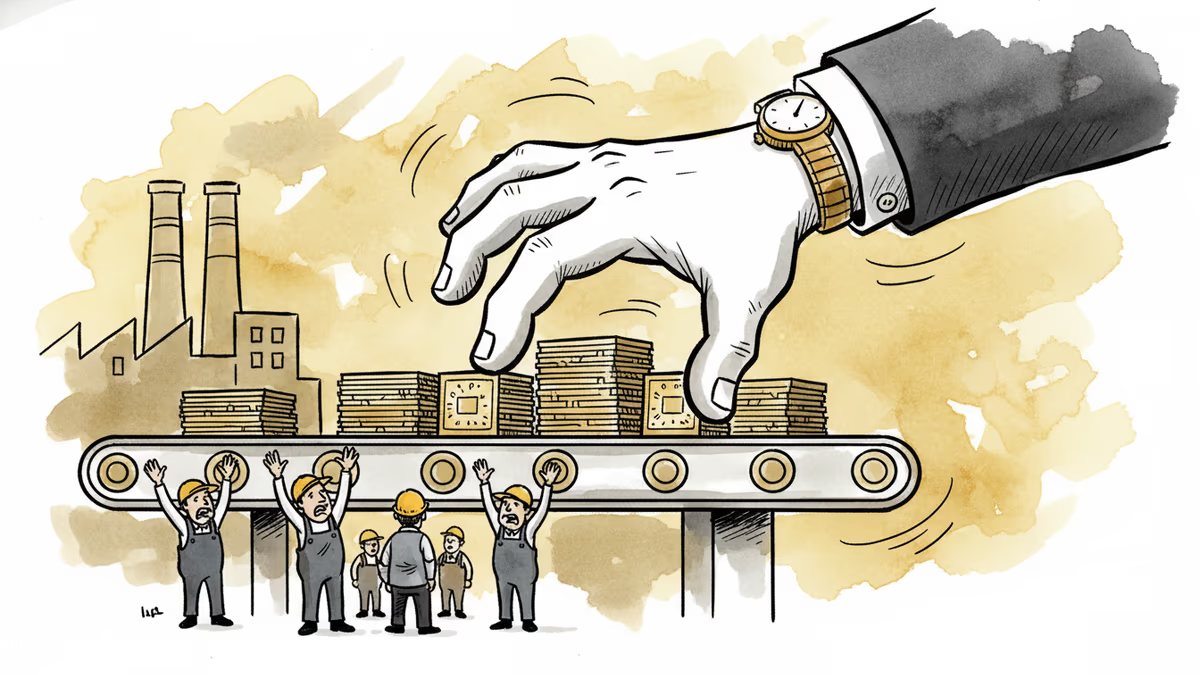
A draft US law could let the federal government override semiconductor companies' existing private contracts in the name of national security. Here's what's at stake for the industry.
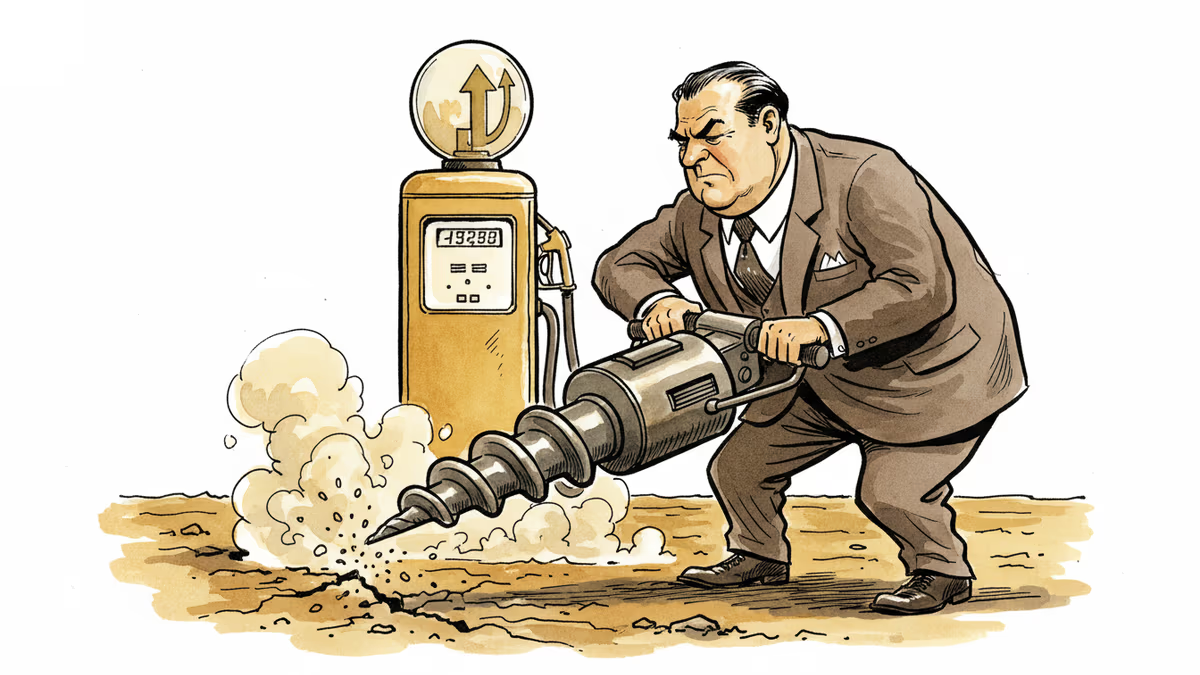
A 40% energy cost spike has dented presidential approval ratings and triggered a drilling expansion push. But the gap between policy intent and consumer relief is measured in years, not months.
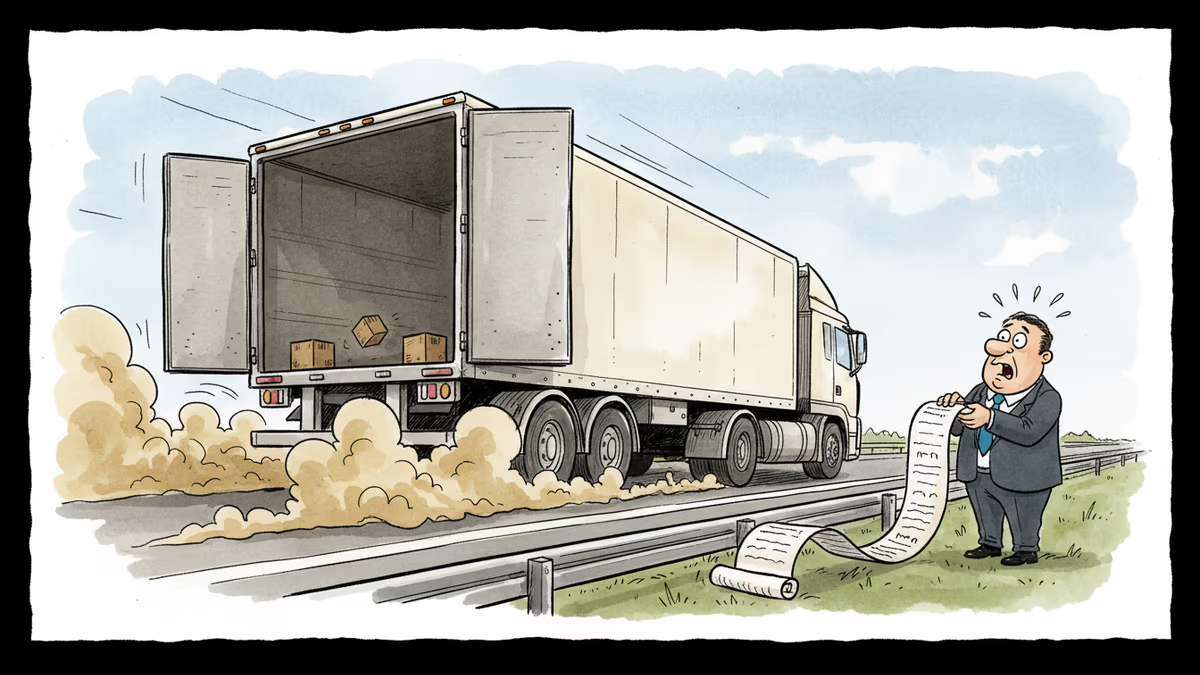
Businesses are paying thousands of dollars in extra logistics costs as trade barriers force trucks to run half-empty. Here's who pays, who profits, and what it means for prices.
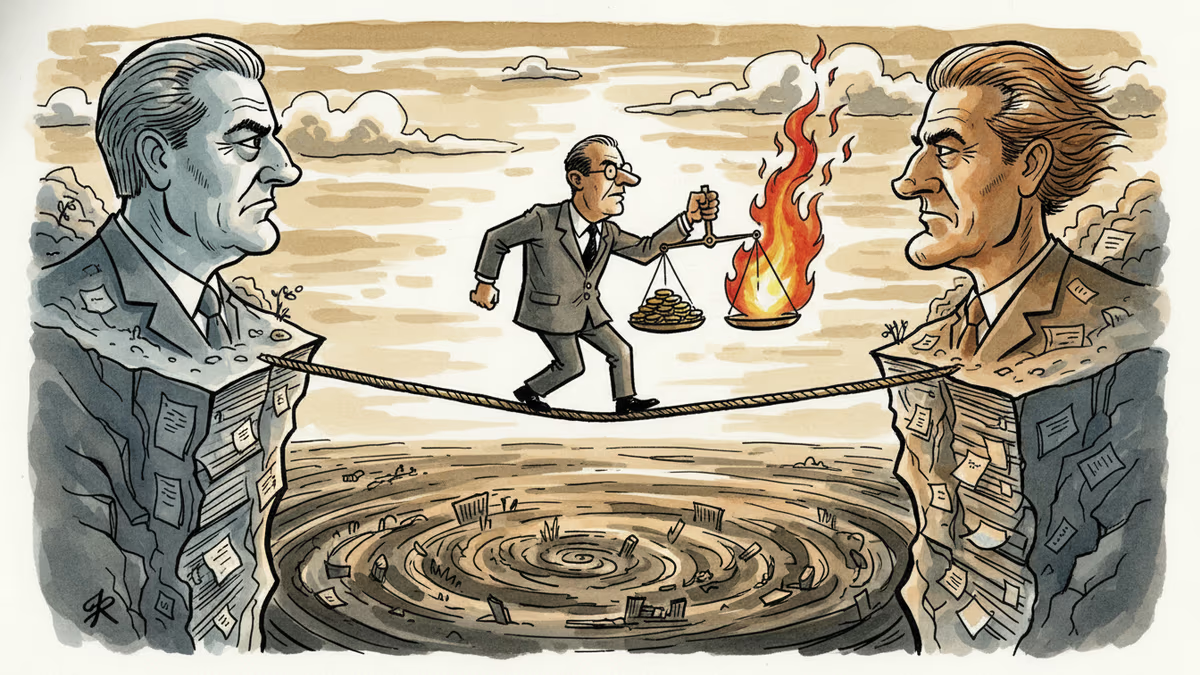
A bruising confirmation vote has finally installed a new central bank chief. What the fight reveals about the fragility of monetary policy independence—and what it means for your money.
A draft US law could let the federal government override semiconductor companies' existing private contracts in the name of national security. Here's what's at stake for the industry.
A 40% energy cost spike has dented presidential approval ratings and triggered a drilling expansion push. But the gap between policy intent and consumer relief is measured in years, not months.
Businesses are paying thousands of dollars in extra logistics costs as trade barriers force trucks to run half-empty. Here's who pays, who profits, and what it means for prices.
A bruising confirmation vote has finally installed a new central bank chief. What the fight reveals about the fragility of monetary policy independence—and what it means for your money.
Thoughts
Share your thoughts on this article
Sign in to join the conversation