
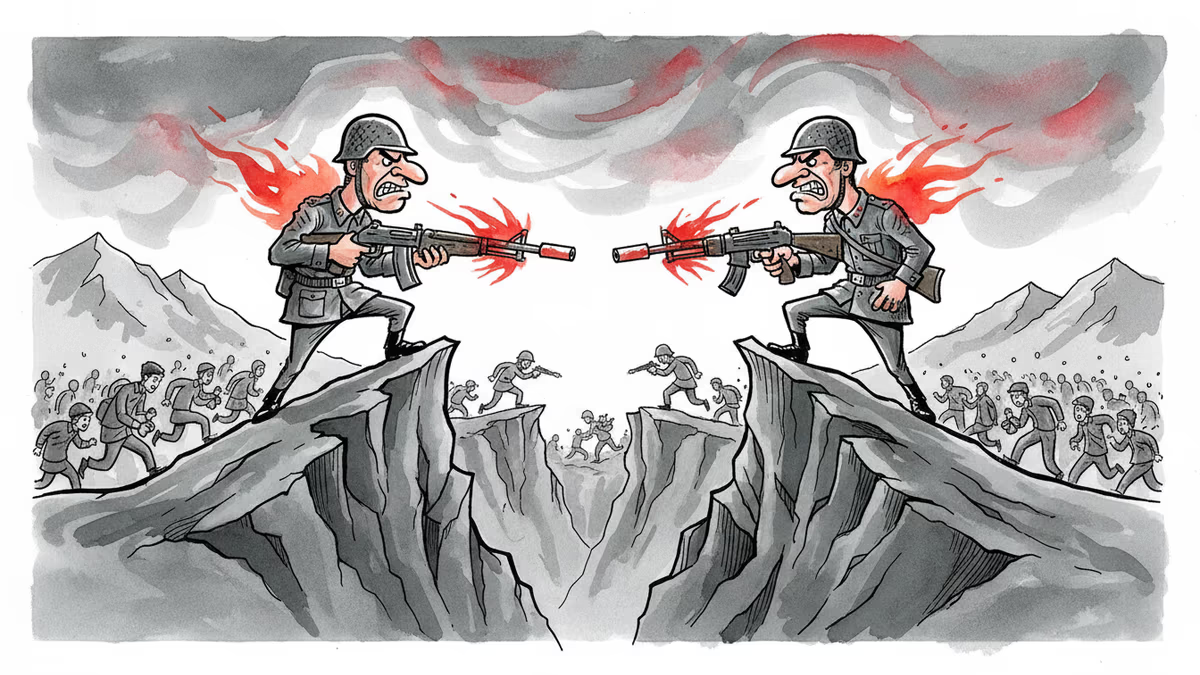
파키스탄-아프간 국경에서 다시 불붙은 무력 충돌
파키스탄과 탈레반 정권이 국경 지역에서 공습과 반격을 주고받으며 10월 휴전 합의가 무너졌다. 양국 갈등의 근본 원인과 지역 안정에 미치는 영향을 분석한다.
18명이 사망했다고 아프간 탈레반이 주장하는 파키스탄의 공습. 이에 대한 보복으로 탈레반이 파키스탄 군부대를 공격해 2명의 파키스탄 군인이 숨졌다. 지난 10월 휴전 합의 후 4개월 만에 다시 불붙은 양국 간 무력 충돌이다.
휴전 합의 무너진 국경 지역
파키스탄은 금요일 새벽 아프간의 수도 카불과 칸다하르에 공습을 가했다고 발표했다. 파키스탄 당국은 이를 "도발적인 아프간의 공격"에 대한 "반격"이라고 규정했다.
사건의 발단은 목요일 밤 탈레반의 "대규모 작전"이었다. 탈레반 군사 대변인 마울라위 와히둘라 모하마디는 현지시간 오후 8시경 파키스탄 군부대를 향해 보복 공격을 시작했다고 밝혔다. 탈레반 측은 "파키스탄 군인 다수를 사살하고 일부를 포로로 잡았다"며 15개 군사 기지를 점령했다고 주장했다.
파키스탄 총리실은 이같은 주장을 부인하며 "모든 침략에는 즉각적이고 효과적인 대응이 있을 것"이라고 경고했다. 양측 모두 상대방에게 큰 피해를 입혔다고 주장하고 있지만, 독립적인 확인은 어려운 상황이다.
테러와 보복의 악순환
이번 충돌의 직접적 계기는 파키스탄 내 자살폭탄 테러였다. 파키스탄은 최근 발생한 자살폭탄 공격의 배후가 아프간 내 무장단체 은신처에서 나왔다며 일요일 밤 아프간 국경 지역의 7곳 무장단체 캠프를 공습했다.
하지만 아프간 측은 민간인 가옥과 종교학교가 공격받아 여성과 아동이 희생됐다고 반박했다. 탈레반은 "적절한 시기에 보복하겠다"고 경고했고, 그것이 목요일 밤 현실이 된 것이다.
2,574km에 달하는 험준한 산악 국경을 공유하는 두 나라는 수십 년간 이런 갈등을 반복해왔다. 파키스탄은 자국 내 테러 공격의 배후가 아프간 내 파키스탄 탈레반(TTP) 등 무장단체라고 보고 있다. 반면 아프간 탈레반은 파키스탄이 주권을 침해한다며 강력 반발한다.
지역 안정을 위협하는 구조적 갈등
문제는 이것이 일회성 충돌이 아니라는 점이다. 파키스탄 정부는 아프간 탈레반이 파키스탄 탈레반(TTP)을 충분히 통제하지 못한다고 보고 있다. 실제로 탈레반이 2021년 아프간을 장악한 이후 파키스탄 내 테러 공격이 급증했다.
반면 아프간 탈레반 입장에서는 파키스탄의 일방적 공습이 자국 주권에 대한 명백한 침해다. 특히 민간인 피해가 발생할 경우 국내 여론과 강경파의 압력을 받을 수밖에 없다.
국경 지역 주민들이 가장 큰 피해자다. 파키스탄 측 토르캄 인근 주민들은 대피 명령을 받았고, 아프간 난민들의 국경 통과도 중단됐다. 추방된 아프간인들의 송환 절차도 전면 중단된 상태다.

title: Pakistan-Afghanistan Border Clashes Shatter October Ceasefire meta_description: Pakistan and Taliban forces exchange airstrikes and counterattacks along their shared border, breaking a fragile October ceasefire agreement. Analysis of the root causes and regional implications. focus_keyword: Pakistan Afghanistan border conflict tags: - Pakistan - Afghanistan - Taliban - Border Dispute - Terrorism visual_concept: "Editorial cartoon, ink and wash technique. Two military figures pointing weapons at each other across a mountainous border, with civilians fleeing in the background. Bold black ink outlines, loose gray and red watercolor washes. 16:9 aspect ratio. No text or letters."
18 dead according to Afghan Taliban claims from Pakistani airstrikes. 2 Pakistani soldiers killed in Taliban retaliation. After just 4 months since their October ceasefire agreement, Pakistan and Afghanistan are back to exchanging fire across their mountainous border.
Friday's predawn strikes on Kabul and Kandahar mark a dangerous escalation in a conflict that threatens regional stability and civilian lives on both sides.
When Ceasefires Crumble
Pakistan launched what it called "counter strikes" on Afghan cities early Friday, responding to what officials termed "unprovoked Afghan attacks." But the Afghan Taliban painted a different picture – their Thursday night offensive was retaliation for earlier Pakistani strikes.
The Taliban's military spokesman Mawlawi Wahidullah Mohammadi said their "large-scale operation" began around 8:00 PM local time Thursday, targeting Pakistani military positions along the shared border. Taliban chief spokesman Zabihullah Mujahid claimed they had killed "numerous" Pakistani soldiers and captured 15 military posts.
Pakistan's Prime Minister Shehbaz Sharif's spokesman dismissed these claims, saying all aggression would receive an "immediate and effective response." Both sides claim heavy casualties on the other, but independent verification remains impossible in this remote, mountainous terrain.
The Terrorism-Retaliation Cycle
This latest flare-up stems from suicide bombings inside Pakistan that Islamabad blames on militants operating from Afghan soil. Last Sunday, Pakistan struck 7 alleged militant camps near the border, saying they were responding to recent terrorist attacks.
But Afghanistan's Taliban government said civilian homes and a religious school were hit, with women and children among the dead. They warned of retaliation "at the appropriate time" – a promise fulfilled Thursday night.
The 1,600-mile mountainous border between the two countries has been a flashpoint for decades. Pakistan sees Afghan-based groups like the Pakistani Taliban (TTP) as the source of terrorist attacks on its soil. The Afghan Taliban, meanwhile, views Pakistani strikes as violations of sovereignty that demand a military response.
Structural Conflict, Civilian Cost
This isn't just about border skirmishes – it's about fundamentally different visions of state control and security. Pakistan argues that Afghanistan's Taliban government isn't doing enough to rein in Pakistani Taliban fighters who've found sanctuary across the border. Terrorist attacks inside Pakistan have indeed surged since the Taliban took control of Afghanistan in 2021.
From Kabul's perspective, Pakistan's unilateral airstrikes represent clear violations of Afghan sovereignty. When civilian casualties occur, the Taliban face domestic pressure to respond forcefully or risk appearing weak to their own hardline base.
The real victims are border communities caught in the crossfire. Residents near Pakistan's Torkham border town were ordered to evacuate, while the crossing was closed to Afghan refugees. The repatriation of deported Afghan nationals was suspended indefinitely.
기자
관련 기사
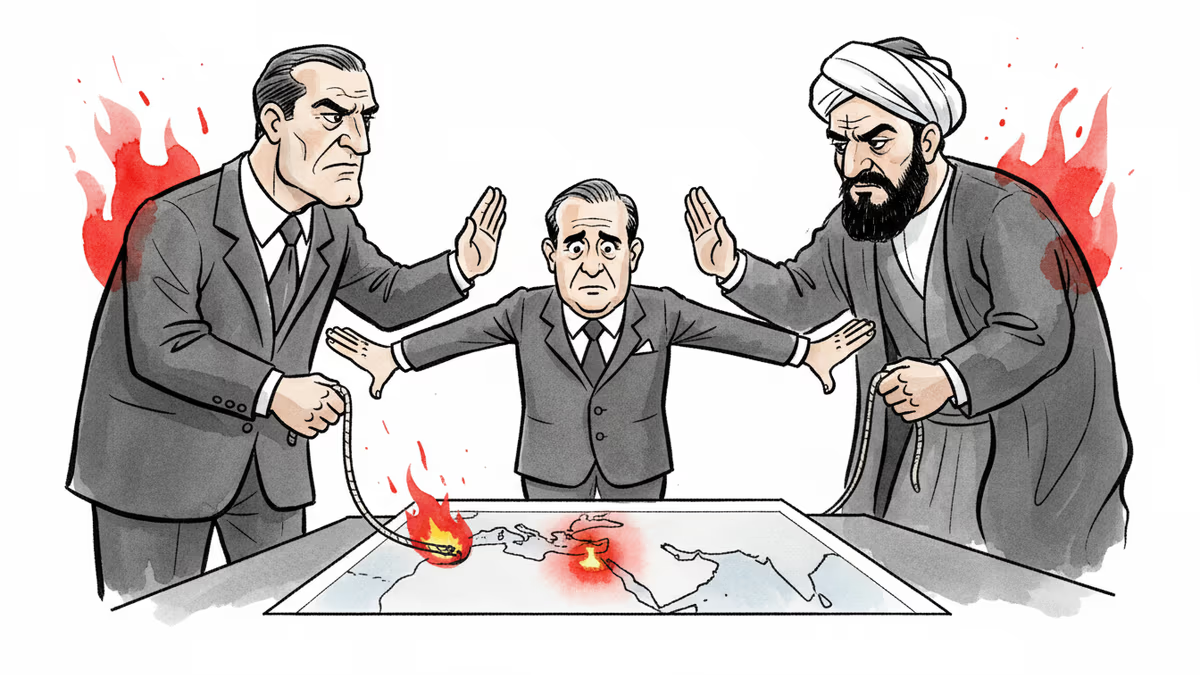
트럼프의 최후통첩 직전, 파키스탄이 미국과 이란 사이에서 2주 휴전을 이끌어냈다. 인도가 아닌 파키스탄이 중동 중재자로 부상한 이유와 그 의미를 짚는다.
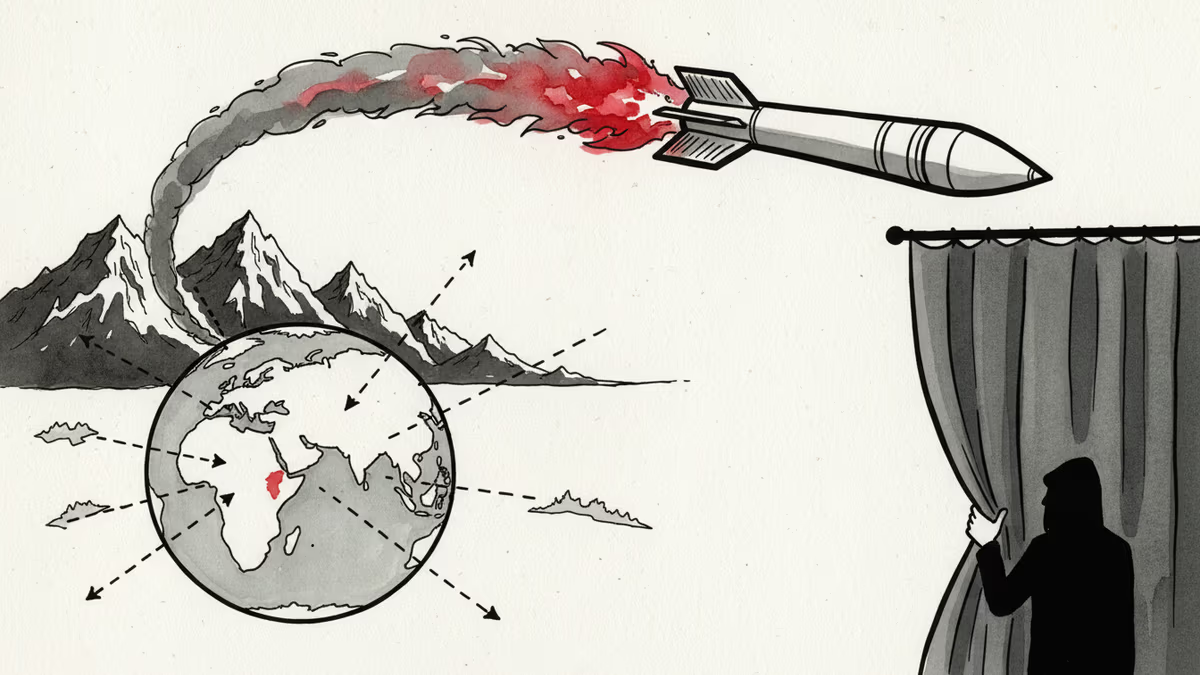
미 국가정보국장 툴시 개버드가 상원에서 파키스탄의 ICBM 개발 가능성을 경고했다. 인도를 겨냥해온 핵 강국이 왜 대륙간탄도미사일을 향해 손을 뻗는가?
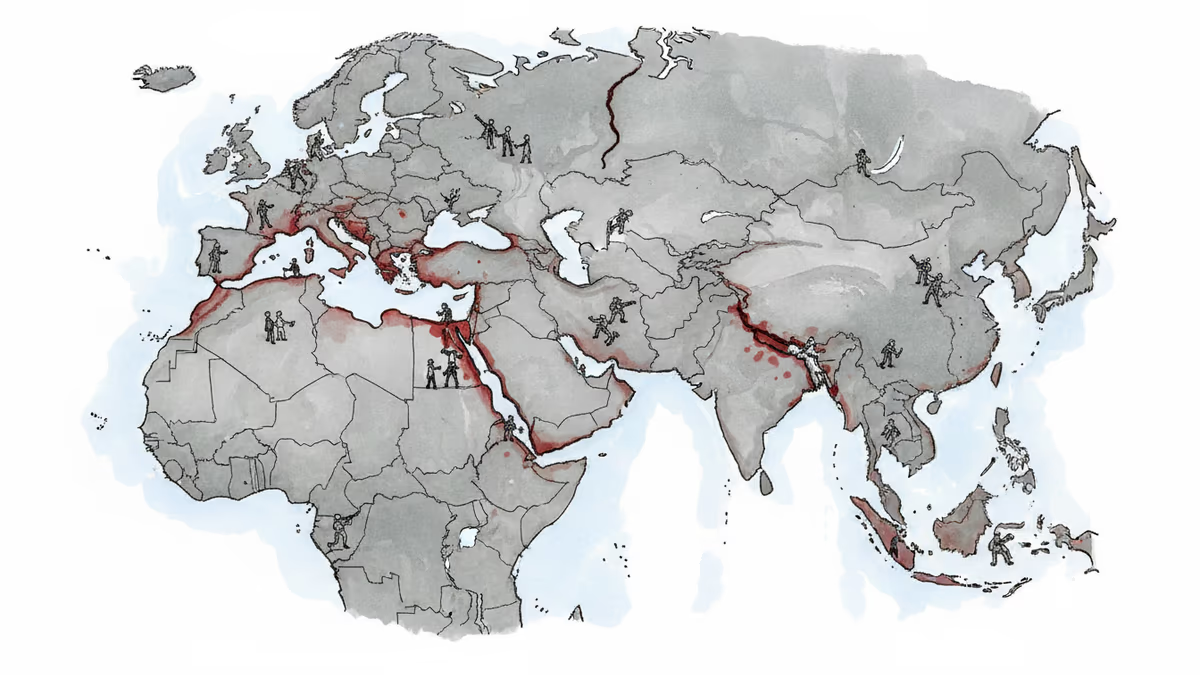
이란을 둘러싼 군사적 긴장이 인도의 외교 노선을 바꾸고, 파키스탄과 아프가니스탄에 난민·무장세력 유입 위기를 촉발하고 있다. 중동의 불씨가 남아시아로 번지는 경로를 짚는다.
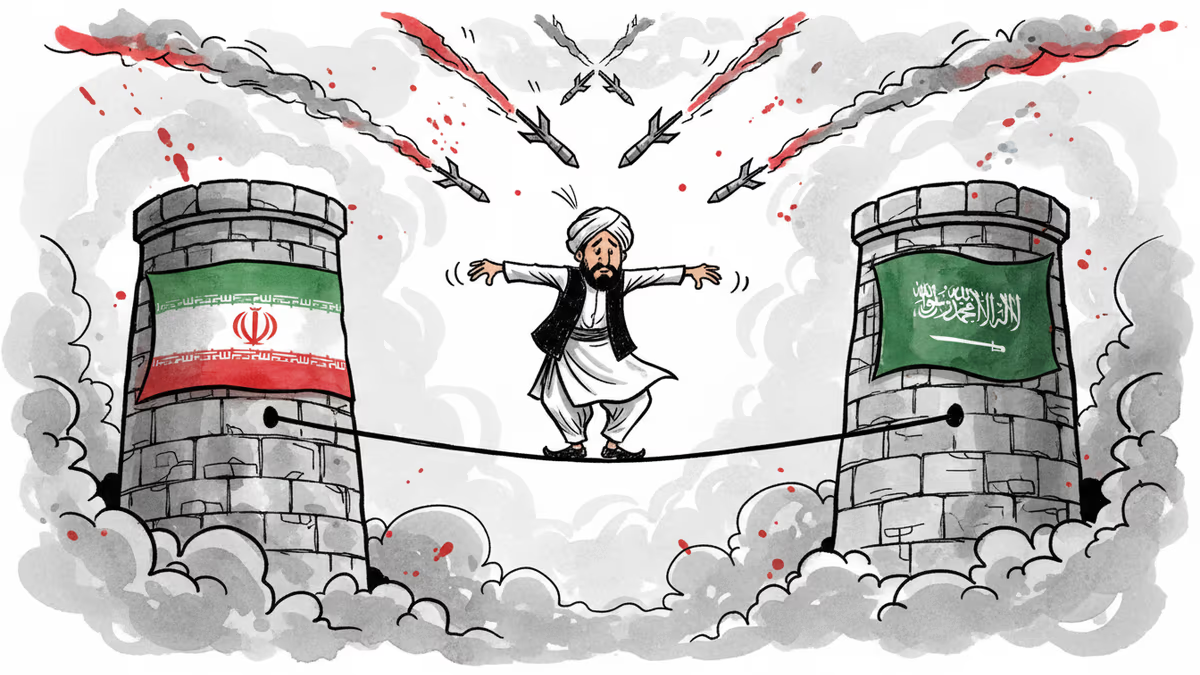
미국-이스라엘의 이란 공습으로 하메네이가 사망하자 파키스탄이 이란과 사우디 방위협정 사이에서 딜레마에 빠졌다. 셔틀외교로 갈등 조정에 나섰지만 한계 드러나
트럼프의 최후통첩 직전, 파키스탄이 미국과 이란 사이에서 2주 휴전을 이끌어냈다. 인도가 아닌 파키스탄이 중동 중재자로 부상한 이유와 그 의미를 짚는다.
미 국가정보국장 툴시 개버드가 상원에서 파키스탄의 ICBM 개발 가능성을 경고했다. 인도를 겨냥해온 핵 강국이 왜 대륙간탄도미사일을 향해 손을 뻗는가?
이란을 둘러싼 군사적 긴장이 인도의 외교 노선을 바꾸고, 파키스탄과 아프가니스탄에 난민·무장세력 유입 위기를 촉발하고 있다. 중동의 불씨가 남아시아로 번지는 경로를 짚는다.
미국-이스라엘의 이란 공습으로 하메네이가 사망하자 파키스탄이 이란과 사우디 방위협정 사이에서 딜레마에 빠졌다. 셔틀외교로 갈등 조정에 나섰지만 한계 드러나
의견
이 기사에 대한 생각을 나눠주세요
로그인하고 의견을 남겨보세요