
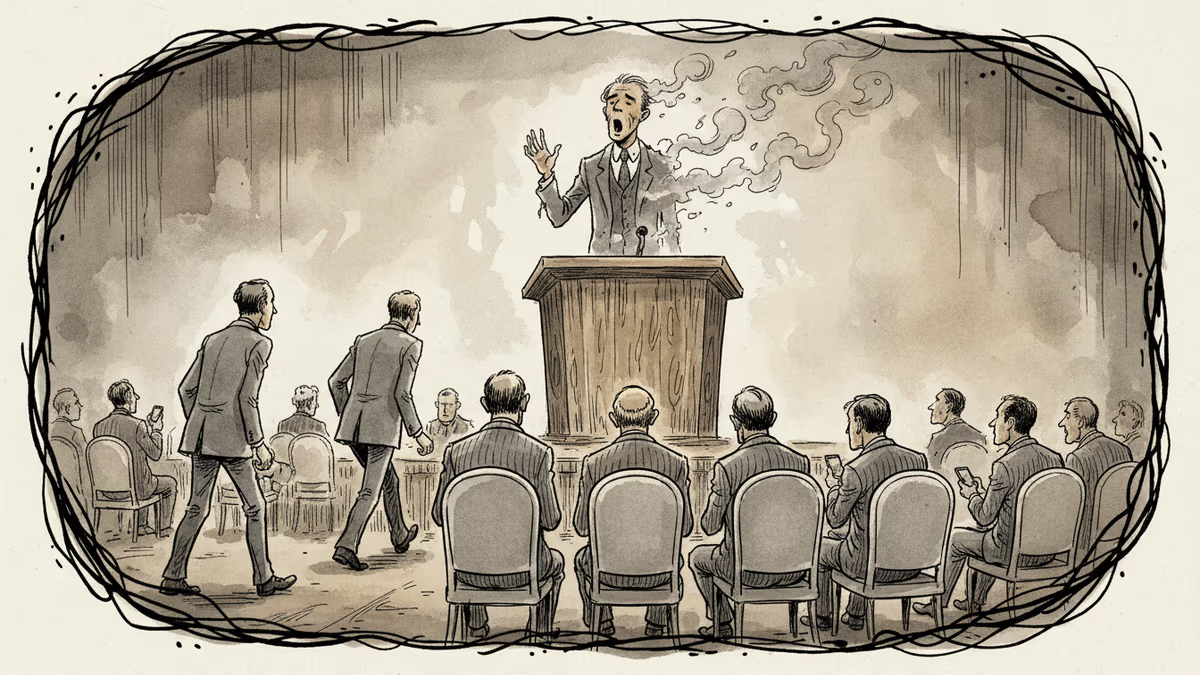
리더십의 유통기한, 당신의 권위는 언제까지 유효한가
빌 벨리칙 같은 전설적 리더도 권위를 잃는다. 의사결정 안개부터 예측 불가능성까지, 권위가 무너지는 4가지 신호와 회복 전략을 분석한다.
333승을 기록한 NFL 역사상 최고의 감독 중 한 명, 빌 벨리칙이 뉴잉글랜드 패트리어츠에서 물러났다. 마지막 시즌 성적은 4승. 그가 갑자기 코칭을 못하게 된 걸까?
답은 더 불편하다. 권위에는 유통기한이 있다.
권위가 썩어가는 4가지 신호
1. 전략적 표류
"신뢰성은 역량과 분리될 수 없습니다." 에너지 업계 임원 서치 회사 The Energists의 존 힐 회장은 말한다. "리더가 규제 현실이나 신기술, 시장 역학을 따라잡지 못하면, 팀은 점차 그들에게서 방향을 찾지 않게 됩니다."
국내 대기업들을 보면 이런 패턴이 보인다. 한때 혁신의 아이콘이었던 기업들이 디지털 전환에 뒤처지면서 조직 내 권위가 흔들리는 경우가 그렇다. 의사결정 속도는 느려지고, 비공식 리더들이 등장한다.
2. 의사결정 안개
"회사가 성장하고 리더십 층이 확대되면서 의사결정 소유권 혼란이 시작됩니다." 주얼리 브랜드 Cords Club의 렉시 피터슨 창립자는 설명한다. "결국 리더들이 서로 바뀔 수 있는 존재가 되죠. 협업과 합의를 추구하다 보니 팀에게 일관성 없고 흩어진 방향을 제시하게 됩니다."
한국 기업 문화에서 특히 위험한 부분이다. '화합'과 '소통'을 중시하다 보면 명확한 책임 소재가 흐려질 수 있다. 관리자들은 개인적 위험을 의식하기 시작하고, 임팩트보다는 '정당화 가능성'에 최적화된 행동을 취한다.
3. 예측 불가능성의 붕괴
"권위는 예측 가능성 속에 살고, 그것 없이는 천천히 죽어갑니다." 럭셔리 남성복 브랜드 CASIANI의 알렉스 만지아리스 창립자는 말한다.
팀이 리더의 결정을 예측할 수 있을 때, 기대치와 우선순위가 자연스럽게 위임된다. 하지만 결과가 불안해지거나, 매주 다른 우선순위가 나타나거나, 피드백이 애매하고 양날의 검 같을 때, 사람들은 리더 중심에서 벗어나 자기보호 모드로 전환한다.
4. 반응형 리더십
"권위가 리더십 사무실 내부에서 나오지 않을 때, 팀은 그것을 느낍니다." 링크 빌딩 서비스 Outreacher.io의 스콧 데이비스 CEO는 지적한다.
모든 외부 압력과 드라마, 미디어와 시장의 변화가 리더의 의사결정 타이밍을 정의하기 시작할 때 문제가 시작된다. 팀은 리더가 너무 많은 외부 권위와 헤드라인에 휘둘려 즉흥적이지만 충분히 검토되지 않은 긴급 커뮤니케이션을 쏟아내는 것을 본다.
권위 회복의 처방전
"리더십 권위는 같은 계좌에서 계속 지출할 때 쇠퇴합니다." 『Why We Can't Stop Caring』의 저자 로버트 베이츠는 말한다.
초기에는 팀이 '권위 신용'을 부여한다. 새로운 리더, 새로운 에너지, 선의의 혜택 때문이다. 시간이 지나면서 그 신용은 장부가 된다. 놓친 약속, 일관성 없는 기준, 설명되지 않은 결정, 보호받는 측근 하나하나가 인출이 된다.
베이츠의 조언:
내러티브 갱신: "무엇이 바뀌었는지, 자신이 틀린 부분을 포함해서 말하세요. 팀은 재시작을 용서합니다. 부인을 처벌하죠."
신뢰 장부 재건: "약속은 적게, 더 확실하게 지키세요. 공개적 기준을 균등하게 적용하세요."
의도적 후계자 양성: "권위는 공유될 때 더 오래 지속됩니다. 독점된 권위는 부서지기 쉬워집니다."

EN
title: The Half-Life of Authority: When Great Leaders Lose Their Pull meta_description: Even legendary leaders like Bill Belichick lose authority. From decision fog to reactive leadership, explore the four ways authority decays and expert strategies for rebuilding credibility. focus_keyword: leadership authority visual_concept: "Editorial cartoon, ink and wash technique. A once-mighty ship captain at the helm, but the crew is rowing in different directions while looking away from him. Bold black ink outlines, loose gray and blue watercolor washes. 16:9 aspect ratio. No text or letters." tags: - Leadership - Management - Authority
333 career wins. Six Super Bowl championships. A 70% playoff winning percentage. Bill Belichick's resume reads like a coaching fantasy. Yet after his worst season ever—just 4 wins—the legendary Patriots coach was out.
Did Belichick suddenly forget how to coach? The uncomfortable truth is simpler: Authority has a half-life.
The Four Ways Authority Dies
1. Strategic Drift
"Credibility is inseparable from competence," says Jon Hill, chairman and CEO of The Energists. "If a leader doesn't stay current with regulatory realities, new technologies, or market dynamics, their team will gradually stop looking to them for direction."
The effect is subtle but serious. Decision velocity slows. Alignment weakens. Informal leaders emerge. Most importantly, people stop going above and beyond for a leader they don't fully believe in.
Think of once-dominant companies that missed digital transformation waves. Their internal authority crumbled long before their stock prices reflected it.
2. Decision Fog
"As the company scales and the leadership bench expands, decision ownership f***ery begins," explains Lexi Petersen, founder of jewelry brand Cords Club. "Eventually, leaders become interchangeable because of a shared aspiration to collaborate and develop consensus."
The result? Inconsistent, diffused direction. Teams pick up on it. Tactics become conservative. Each step feels less 'safe' than the previous one. Managers develop an increased sense of personal risk. People start optimizing for justifiability instead of impact.
Petersen's solution: "We rebuilt authority by mapping out exact decision frameworks and making 'Who owns this?' a standing agenda item."
3. Predictability Collapse
"Authority lives in predictability and slowly dies without it," notes Alex Mantziaris, founder of luxury menswear brand CASIANI.
When teams can predict decisions, expectations and priorities get delegated naturally. But when results get dicey, priorities shift week to week, or feedback becomes muddled, people stop orienting around the leader and start self-protecting.
The signs are often quiet: People wait a little longer for written confirmation, make small decisions 'just in case,' do the minimum needed to dodge blame.
4. Reactive Leadership
"The slow seep—reactive leadership becomes your only leadership," observes Scott Davis, CEO of Outreacher.io.
When external pressure, market changes, and media drama start defining the timing of your decisions instead of your own timeframe, teams notice. They see you rushing out immediate but not thoroughly thought-out communications, revising big decisions you just put in place.
"People see that the 'gravity' within your organization has lost its internal source," Davis explains.
The Authority Renewal Playbook
"Leadership authority decays when the leader keeps spending from the same account," says Robert Bates, author of Why We Can't Stop Caring.
Early on, teams grant 'authority credit'—new leader, new energy, benefit of the doubt. Over time, that credit becomes a ledger. Every missed promise, inconsistent standard, unexplained decision becomes a withdrawal.
"When the outcomes flatten, you lose the gravity that made your words feel like physics," Bates explains. "The team starts reading you like weather instead of guidance."
His prescription isn't charisma—it's portfolio management:
Renew the narrative: "Say what has changed, including what you got wrong. Teams forgive a reset. They punish denial."
Rebuild the trust ledger: "Fewer promises, kept harder. Public standards applied evenly."
Create successors on purpose: "Authority lasts longer when it is shared. Hoarded authority turns brittle."
Rotate the 'meaning channels': "If you only communicate in metrics, you eventually sound like compliance. People follow leaders who can translate outcomes into meaning."
---"
기자
관련 기사
트럼프의 시간 감각이 현대 정치를 어떻게 바꾸고 있는가. 즉각성의 정치가 제도와 동맹, 그리고 우리의 판단력에 미치는 영향을 분석한다.
조직 기억상실증이란 무엇인가? 리더십 교체, 잦은 구조조정, 부실한 지식 관리가 어떻게 기업의 경쟁력을 갉아먹는지 분석한다. 삼성·현대·카카오 같은 국내 대기업에도 시사점이 크다.
일본 정치계의 떠오르는 스타 다카이치 사나에. 그녀의 인기는 진정한 리더십인가, 아니면 일시적 현상인가? 일본 정치의 새로운 변화를 분석한다.
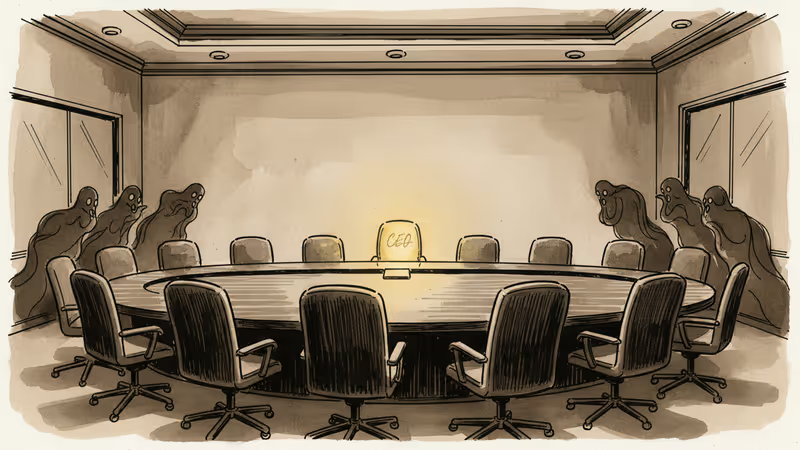
기업 리더십의 위기 시대, 진정한 용기를 가진 CEO를 찾는 것이 왜 이렇게 어려워졌을까? 현대 경영진의 딜레마를 파헤쳐본다.
트럼프의 시간 감각이 현대 정치를 어떻게 바꾸고 있는가. 즉각성의 정치가 제도와 동맹, 그리고 우리의 판단력에 미치는 영향을 분석한다.
조직 기억상실증이란 무엇인가? 리더십 교체, 잦은 구조조정, 부실한 지식 관리가 어떻게 기업의 경쟁력을 갉아먹는지 분석한다. 삼성·현대·카카오 같은 국내 대기업에도 시사점이 크다.
일본 정치계의 떠오르는 스타 다카이치 사나에. 그녀의 인기는 진정한 리더십인가, 아니면 일시적 현상인가? 일본 정치의 새로운 변화를 분석한다.
기업 리더십의 위기 시대, 진정한 용기를 가진 CEO를 찾는 것이 왜 이렇게 어려워졌을까? 현대 경영진의 딜레마를 파헤쳐본다.
의견
이 기사에 대한 생각을 나눠주세요
로그인하고 의견을 남겨보세요