

Grok's spread of misinformation during the Bondi Beach crisis reveals a fatal flaw in real-time AI. PRISM analyzes the fallout for X, Musk, and the industry.

India's new anti-fraud rules for WhatsApp threaten to cripple millions of small businesses. Our analysis reveals the real impact beyond user inconvenience.

iRobot's bankruptcy reveals critical risks in tech hardware. Our analysis uncovers the real reasons beyond the failed Amazon deal and what investors must learn.

OpenAI reveals its AI coding agent, Codex, now builds itself. PRISM analyzes why this recursive self-improvement loop could ignite a new Moore's Law for software.
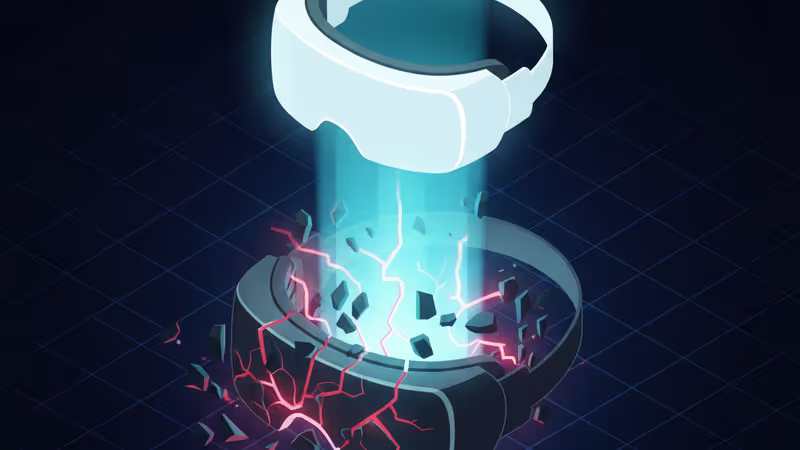
Samsung's Galaxy XR headset was meant to challenge Apple's Vision Pro. Our analysis reveals why its buggy debut is a strategic failure for the entire Android ecosystem.
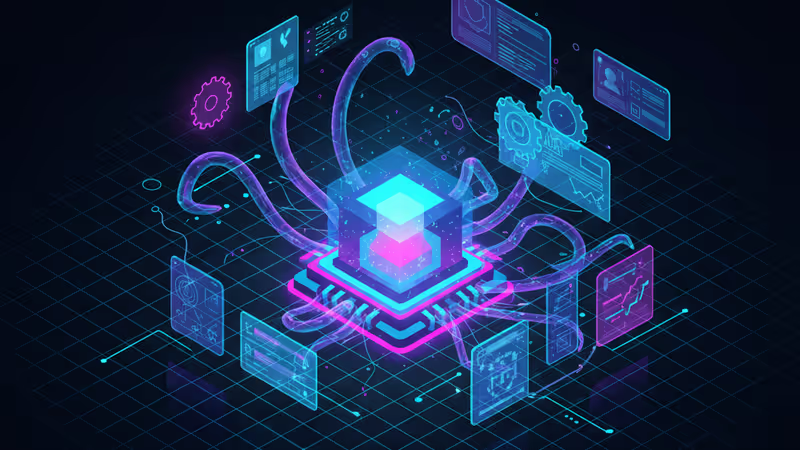
Our analysis of OpenAI's GPT-5.2 reveals a major strategic pivot from AI copilots to autonomous agents, fundamentally altering the future of work and enterprise AI.

OpenAI's GPT-5.2 is more than a benchmark win. Our analysis shows why its math and science ability signals a new era for AI, threatening to disrupt R&D.

OpenAI shipped Sora for Android in just 28 days using AI. This isn't just fast—it's a new paradigm that will change software development forever. Here's why.

Our expert analysis on Netflix's $82.6B bid for Warner Bros. We break down the risks, the AOL-Time Warner parallels, and why this signals an end-game for the streaming wars.

Elon Musk's hint at a 2024 Starlink IPO is backed by a critical milestone: breakeven cash flow. Here's our expert analysis for investors on what to watch now.
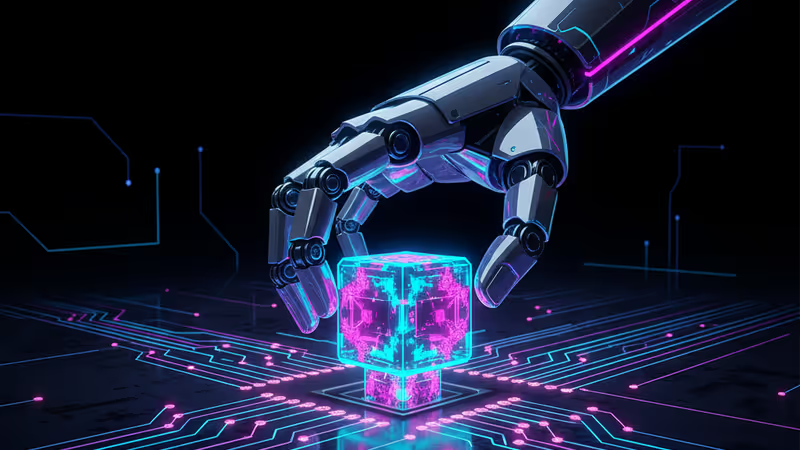
OpenAI confirms its Codex AI is building and improving itself, creating an exponential feedback loop. PRISM analyzes why this changes software, jobs, and the AI arms race.
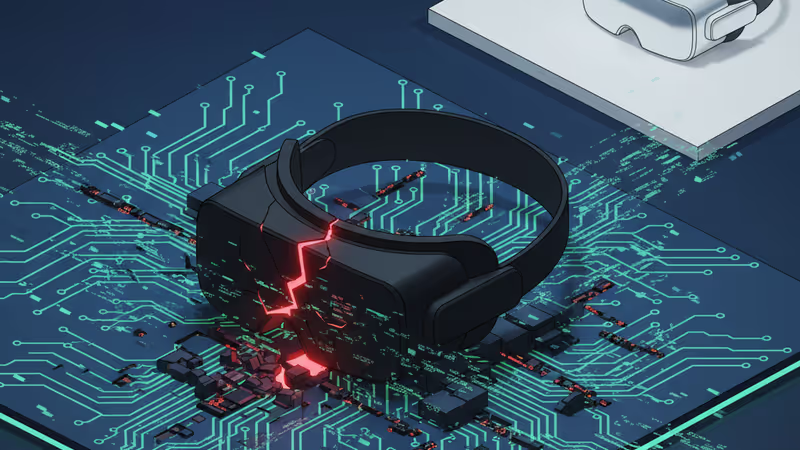
Samsung's $1,800 Galaxy XR is cheaper than Vision Pro, but our analysis reveals its deep software flaws are a major warning sign for Google's entire XR strategy.