
#trade war
Total 32 articles
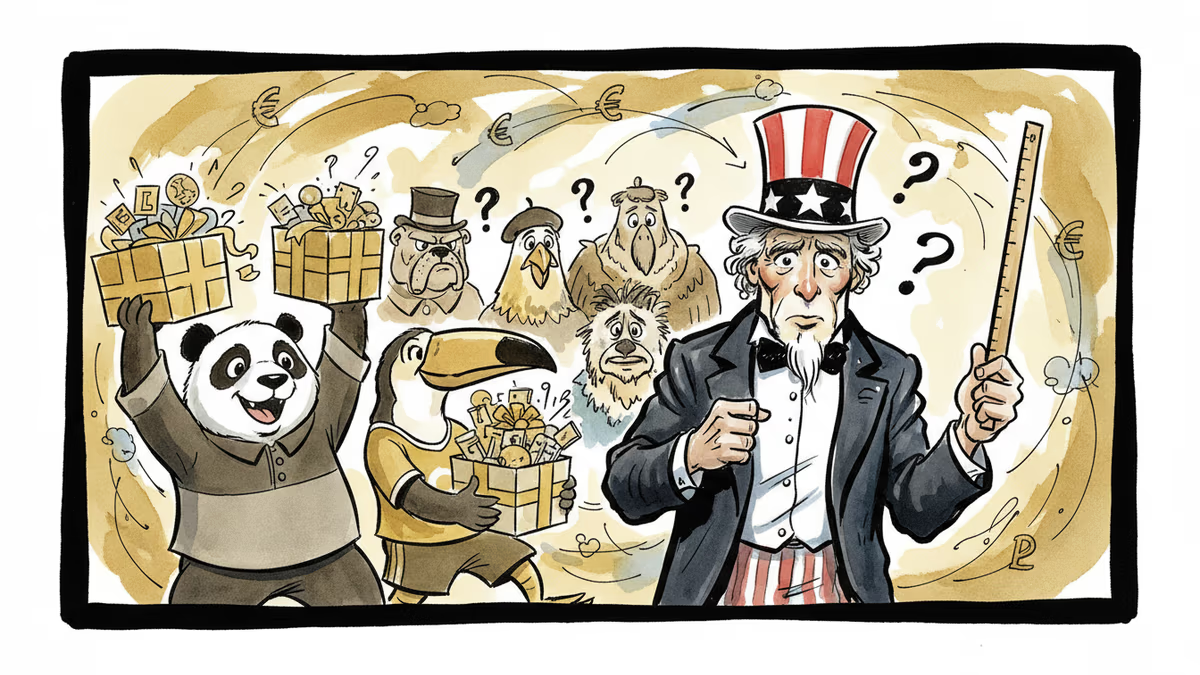
Trump's new flat-rate tariff policy is paradoxically benefiting China and Brazil while hurting traditional allies. Analysis of winners, losers, and market implications.
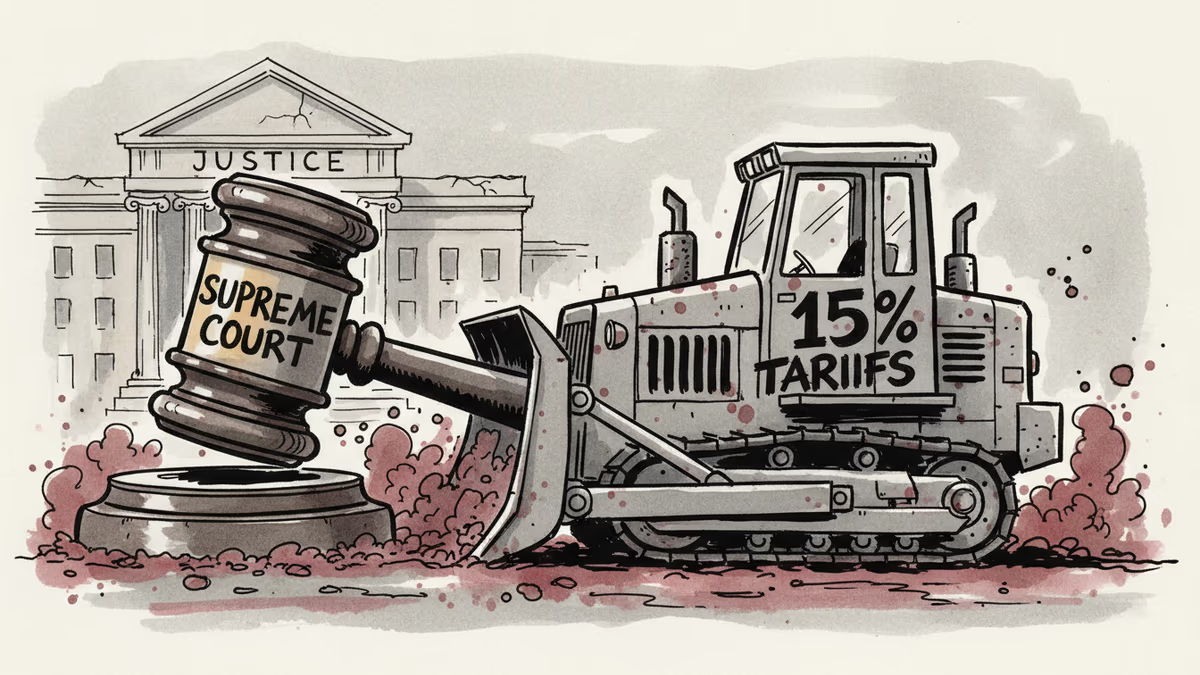
Despite Supreme Court ruling Trump's tariffs unconstitutional, president invokes new legal authority to impose 15% tariffs worldwide. Trade deals hang in balance.
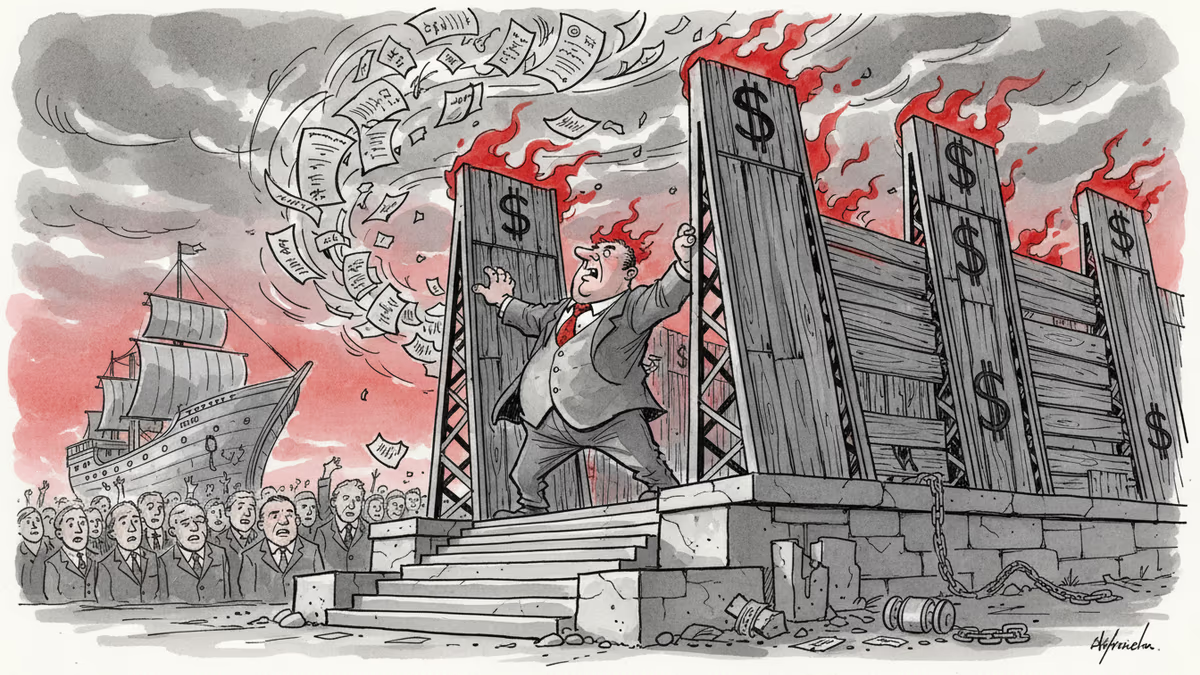
Trump raised tariffs from 10% to 15% after Supreme Court ruled his trade levies unconstitutional. Over 1,000 refund lawsuits filed seeking $133bn back from Treasury.

PRISM by Liabooks
Place your ad in this space
[email protected]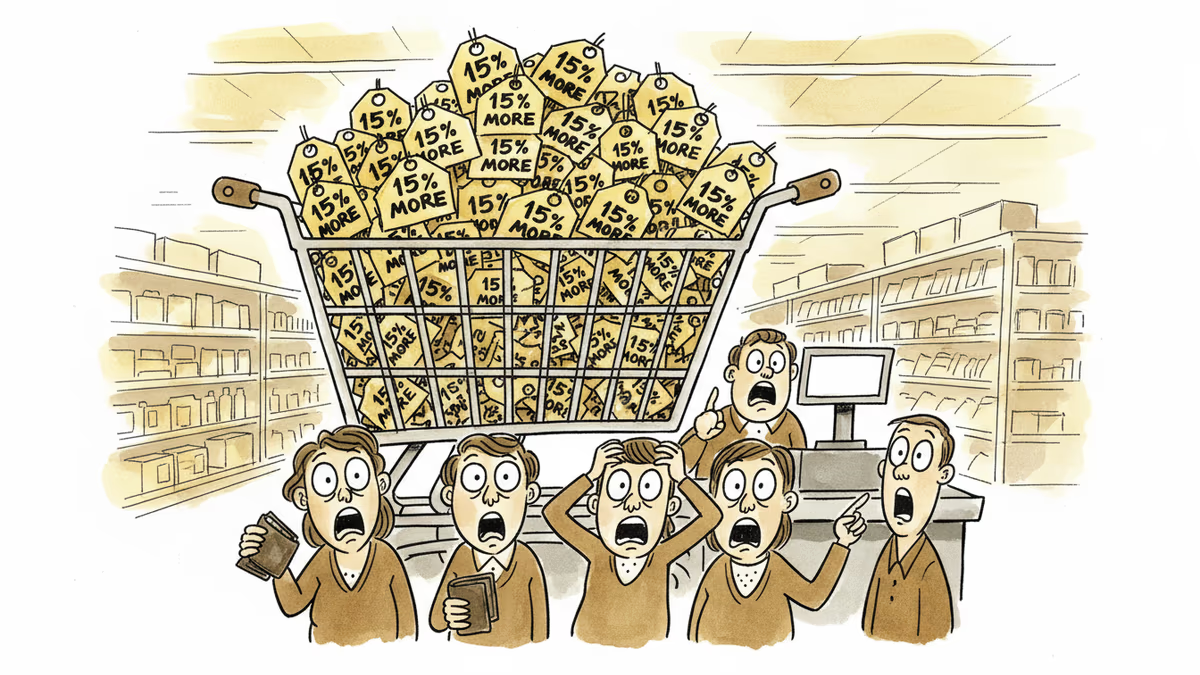
Following Supreme Court defeat, Trump raises global tariffs to 15%. Analysis of impacts on businesses, consumers, and the global economy.
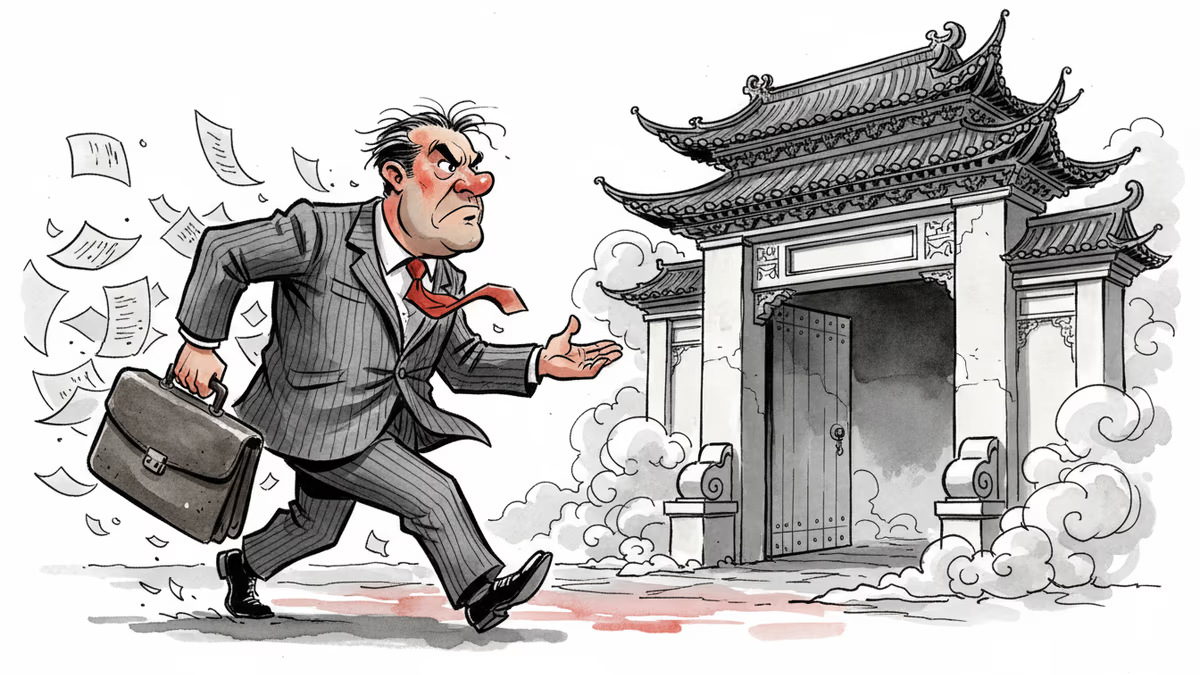
Trump's March 31 China visit comes after Supreme Court overturned his tariffs, leaving him with diminished leverage against Xi Jinping in crucial trade talks.
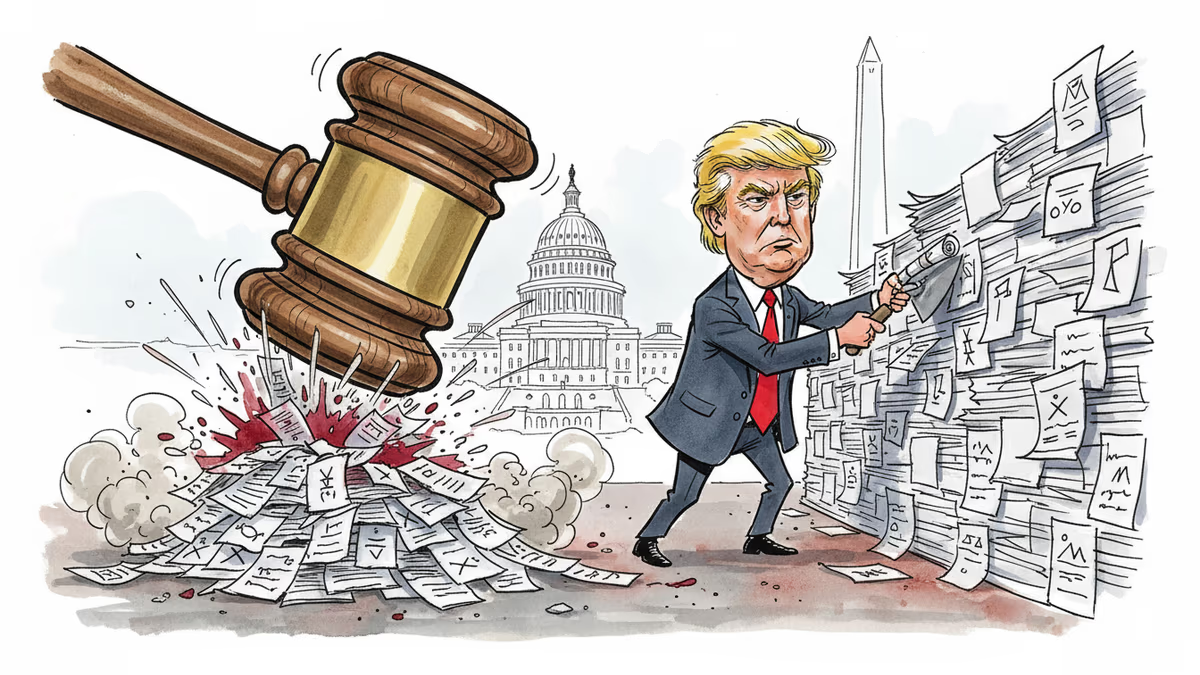
The Supreme Court struck down Trump's global tariffs in a 6-3 decision, but the president immediately fired back with new 10% duties, setting up an unprecedented constitutional showdown that's reshaping global trade.
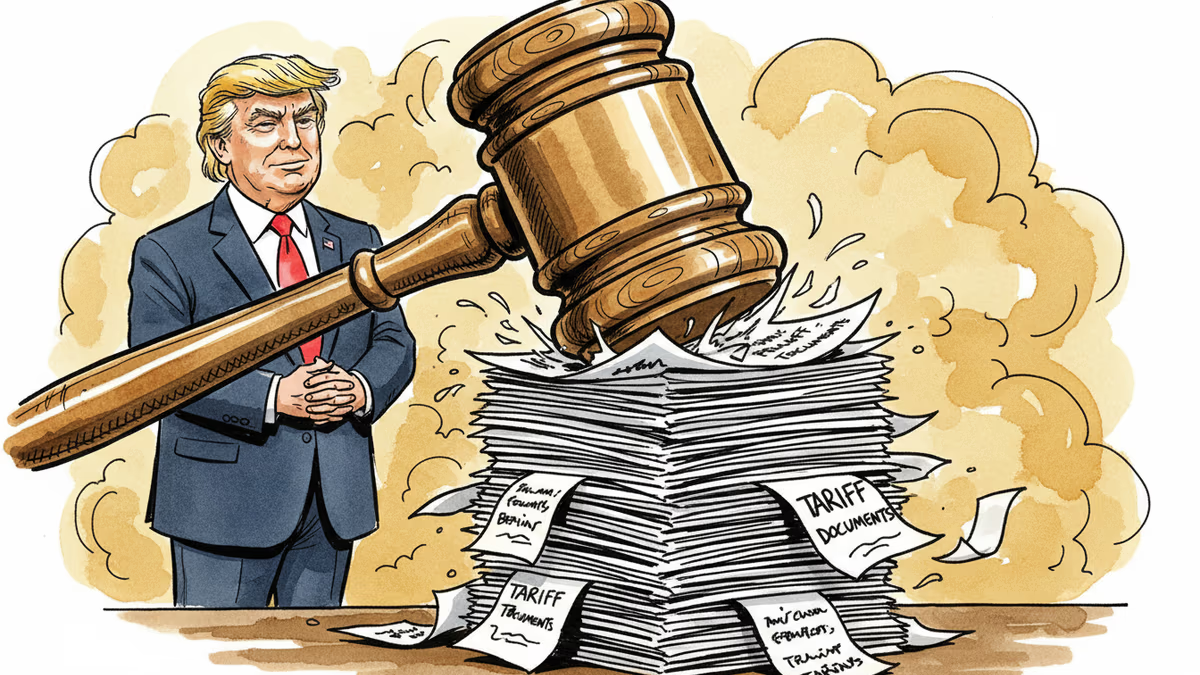
US Supreme Court rules Trump's unilateral tariffs unconstitutional in 6-3 decision. What this means for global trade, business costs, and presidential power limits.
PRISM by Liabooks
Place your ad in this space
[email protected]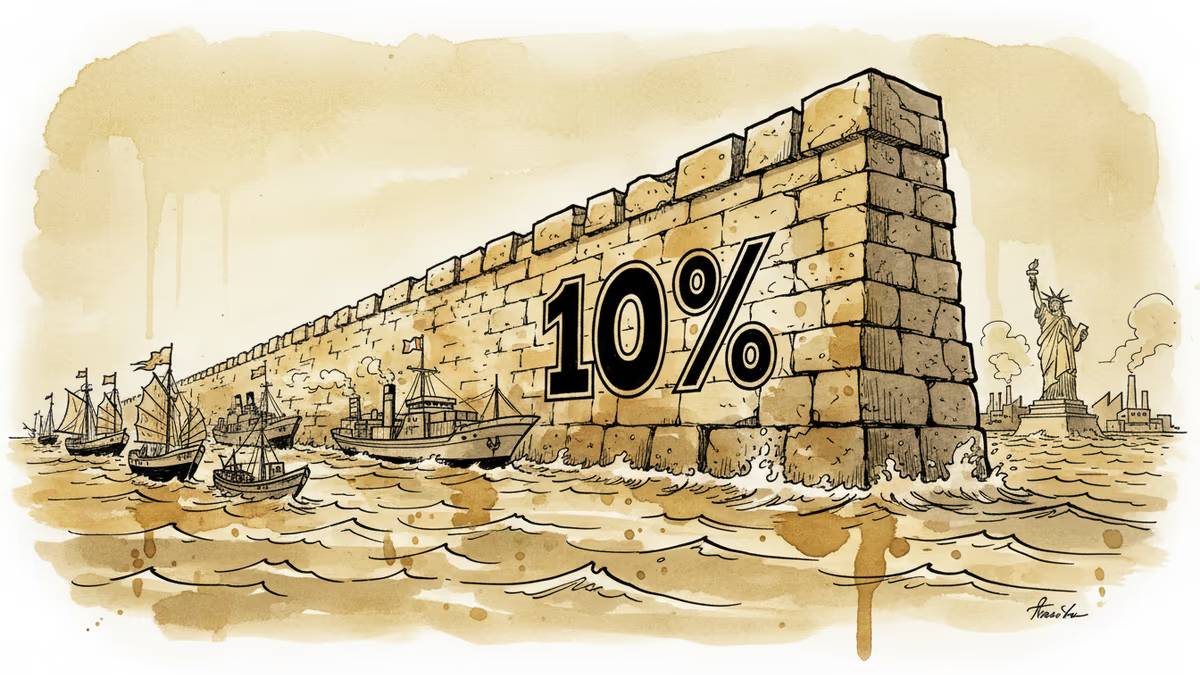
Trump announces plans to impose 10% tariffs on all imports using Section 122 of the Trade Act. Analysis of the unprecedented move's impact on global supply chains and economies.
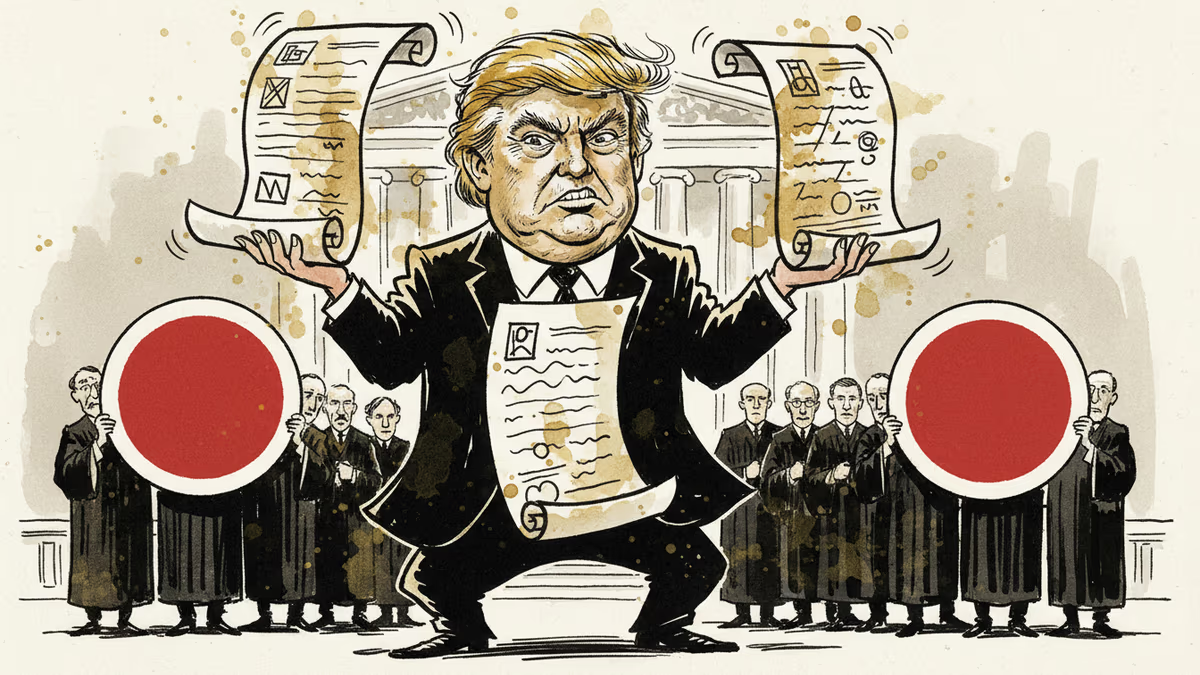
The Supreme Court struck down Trump's global tariffs, but the president already has backup strategies ready. Why the tariff war isn't over yet.
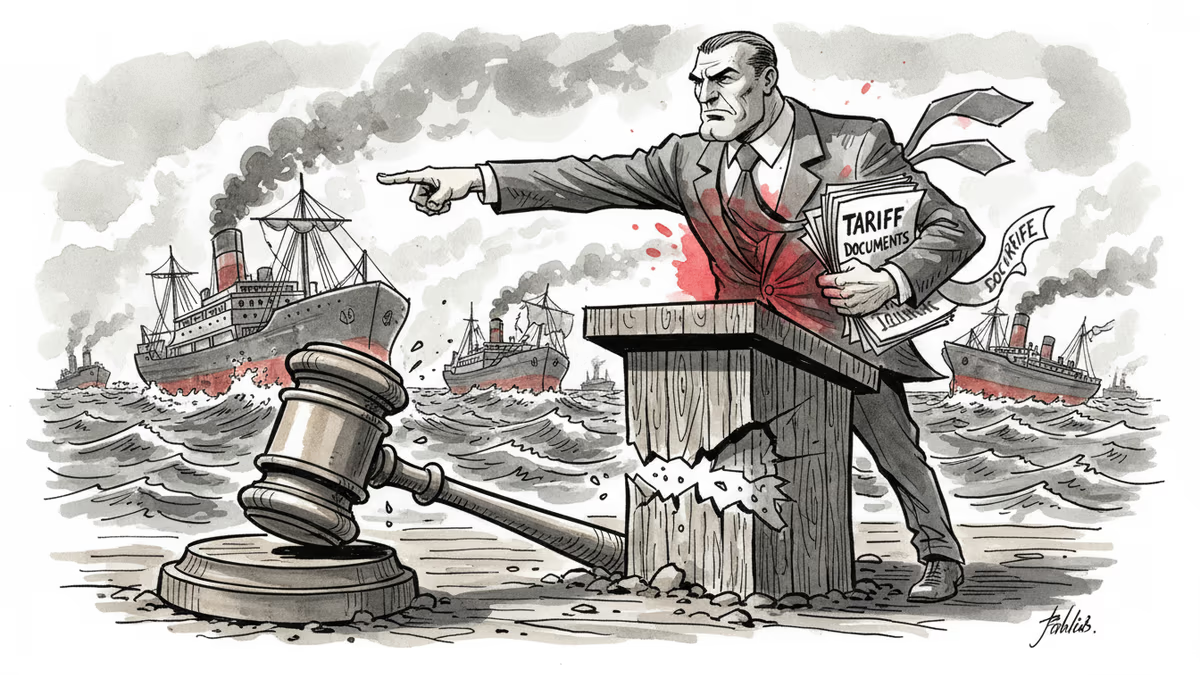
President Trump announced a 10% global tariff using 1974 Trade Act after Supreme Court struck down his emergency tariffs, calling justices a 'disgrace to our nation.
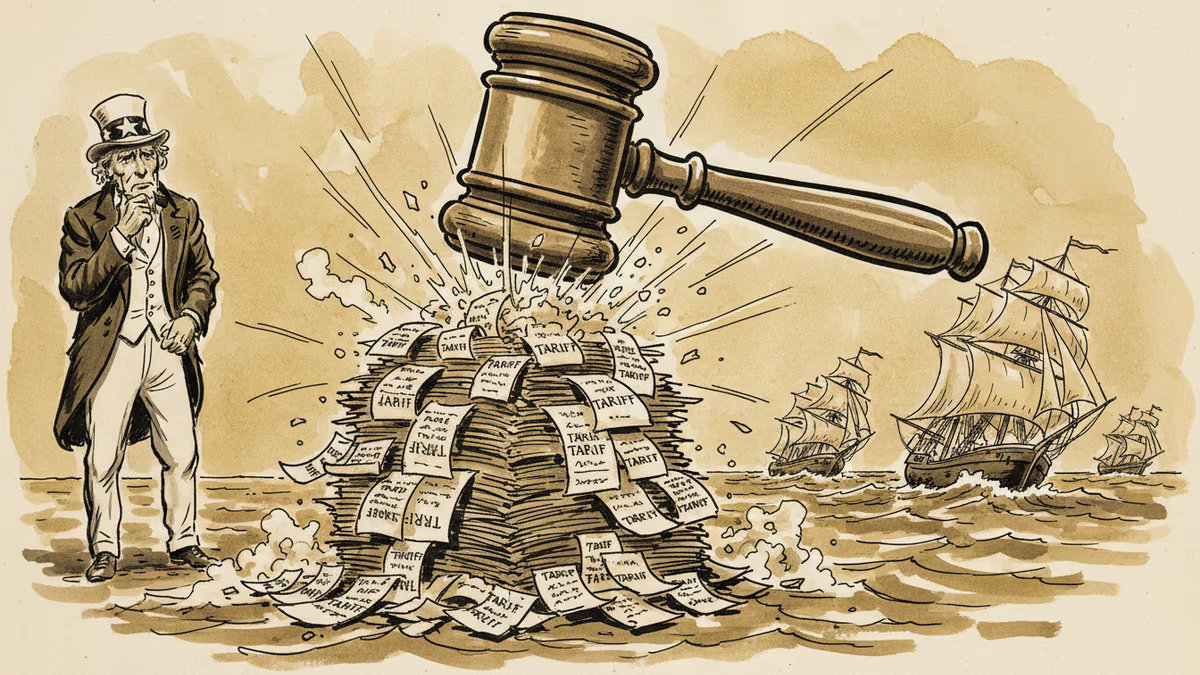
The US Supreme Court ruled Trump's sweeping tariffs unconstitutional, but the decision may trigger more systematic protectionist policies through Congress.
PRISM by Liabooks
Place your ad in this space
[email protected]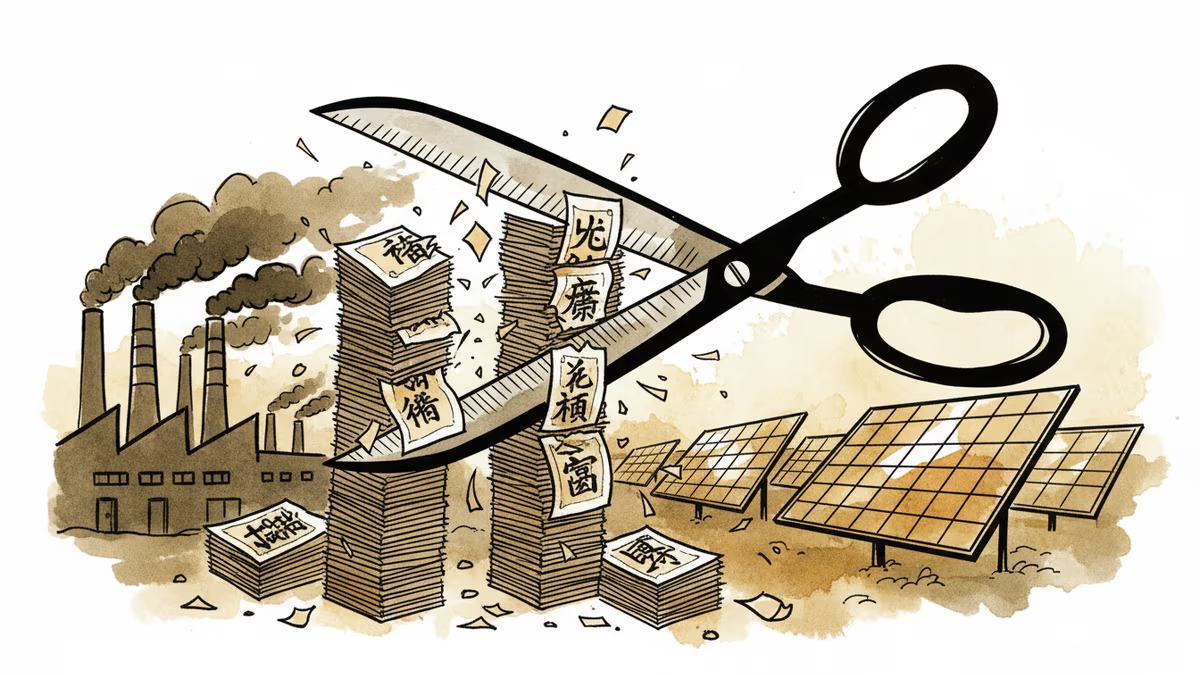
The IMF's call for China to cut industrial subsidies marks a new phase in global economic competition, forcing companies worldwide to recalibrate their strategies.
