
#US-Korea Alliance
Total 13 articles
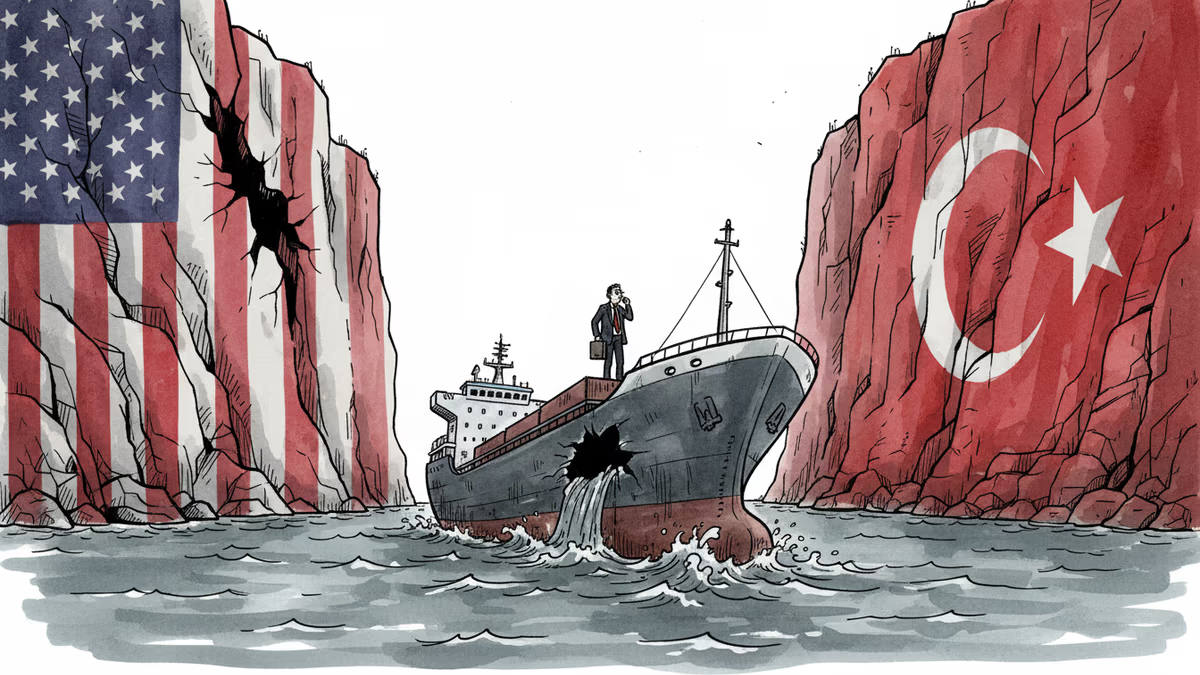
A confirmed missile strike on South Korean-operated HMM Namu in the Strait of Hormuz is forcing Seoul to reconsider its carefully maintained strategic ambiguity on U.S.-led maritime security operations.
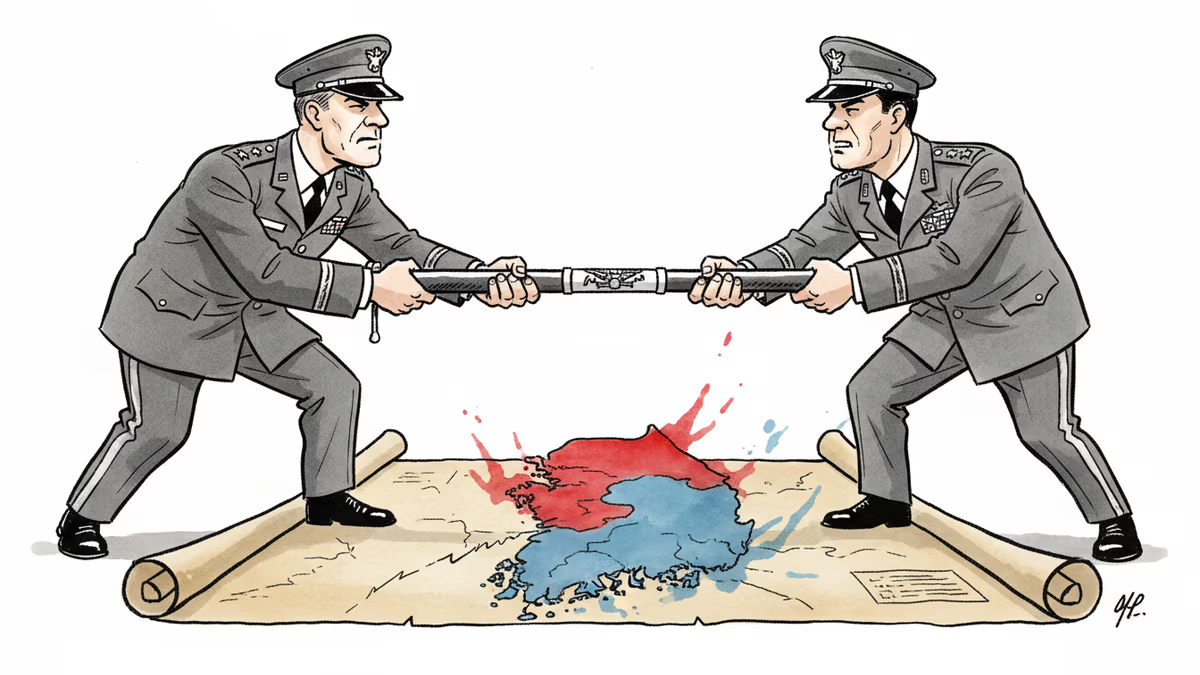
The top U.S. general in South Korea says both allies aim to meet OPCON transfer conditions by early 2029—bringing Seoul closer to commanding its own forces in wartime for the first time since 1950.
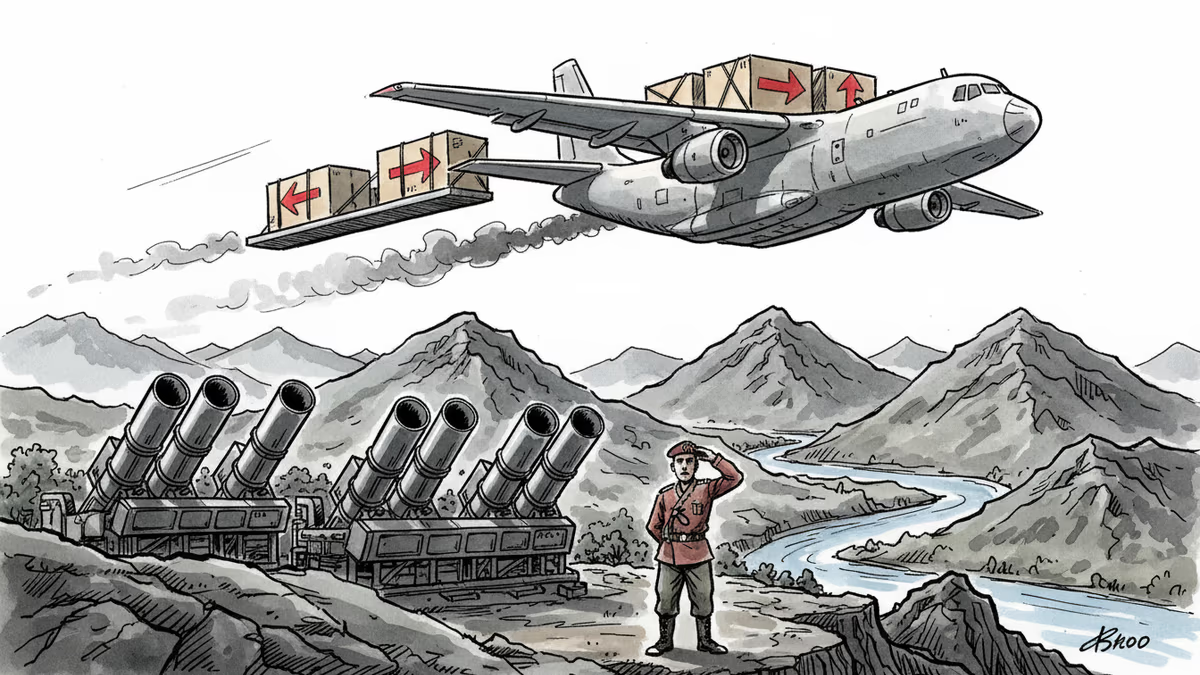
USFK Commander Gen. Brunson confirmed THAAD remains in Korea but admitted munitions are heading to the Middle East. What does this mean for Korean Peninsula deterrence, OPCON transfer, and the future of the US-South Korea alliance?

PRISM by Liabooks
Place your ad in this space
[email protected]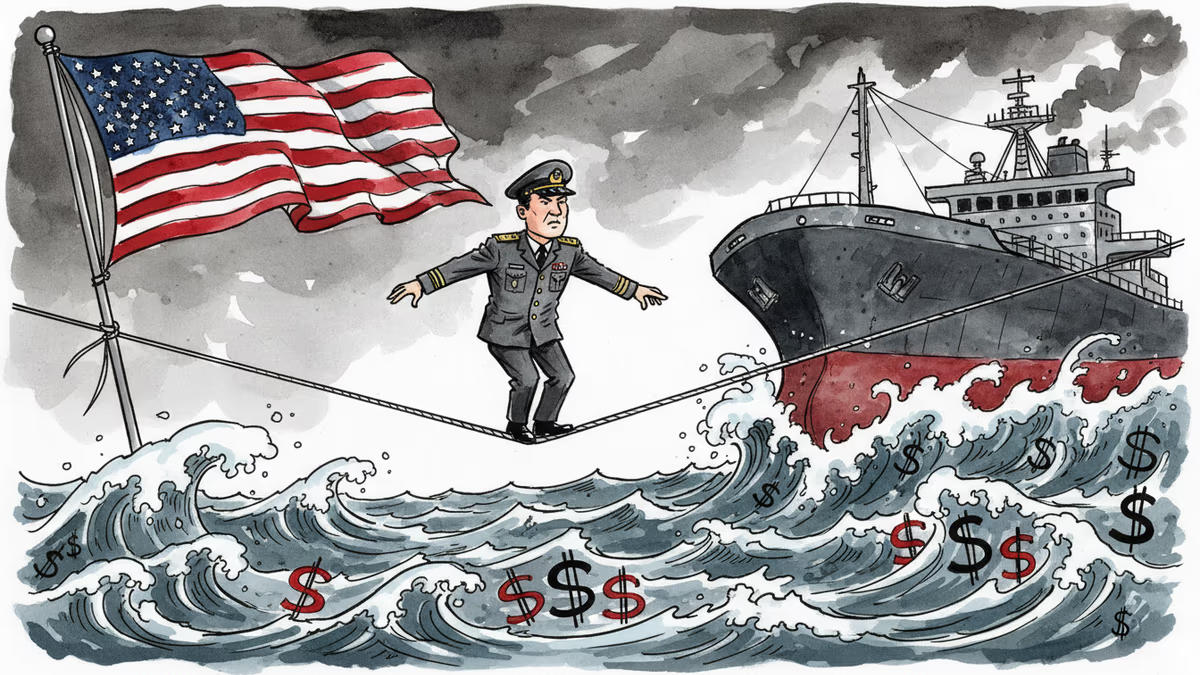
Trump's demand for warships at the Strait of Hormuz has cornered South Korea between alliance loyalty and $68 billion in Middle East exposure. How Seoul decides may define its diplomacy for years.
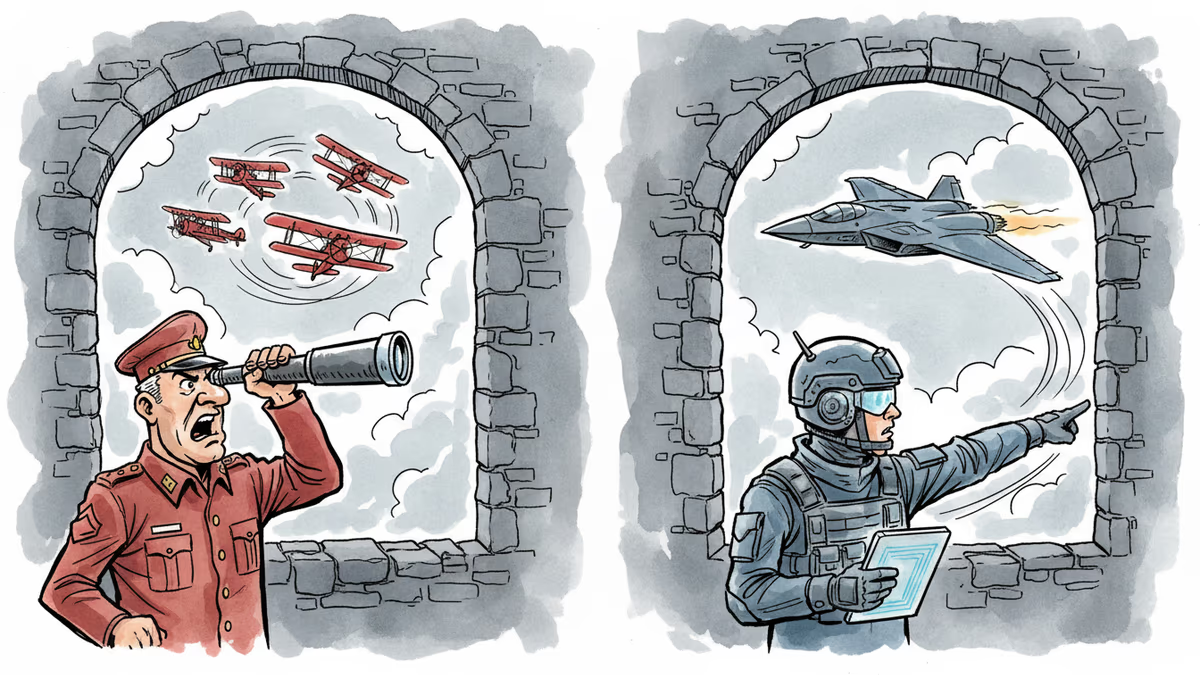
USFK commander expresses regret to South Korean defense minister over lack of timely briefing during Yellow Sea air drill that prompted Chinese fighter response. Analysis of alliance communication challenges.
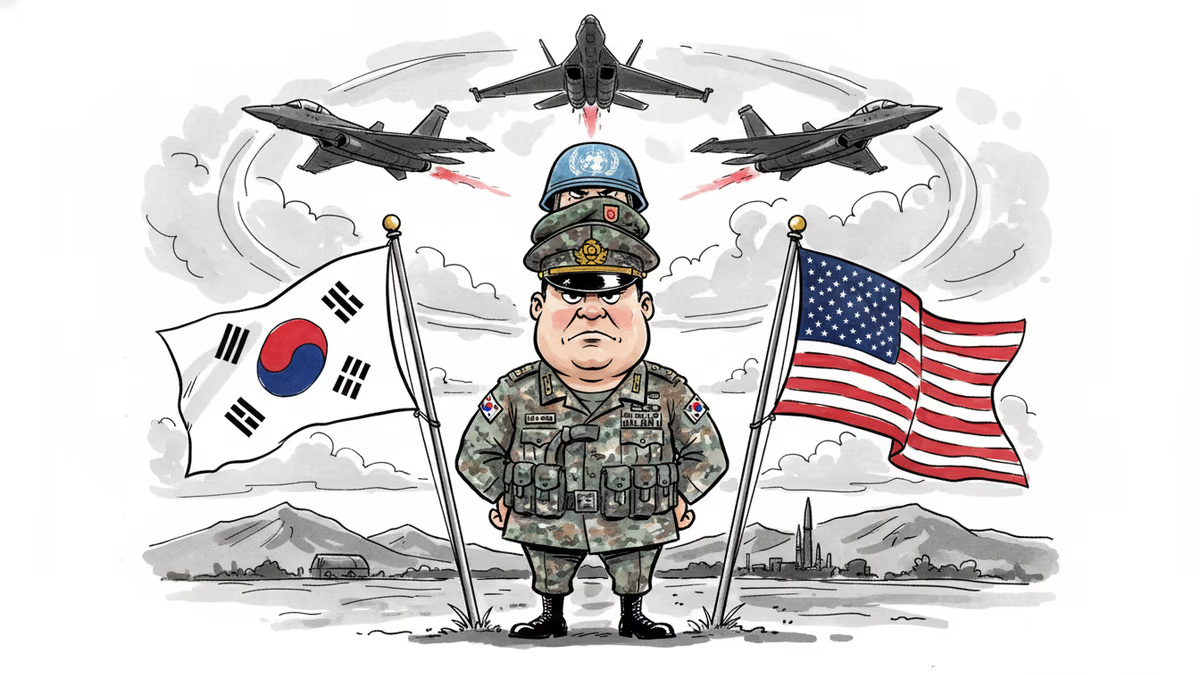
February 19's aerial standoff between US and Chinese forces raises questions about command authority as South Korea pursues wartime operational control transfer. An analysis of alliance structure changes.

Pentagon's policy chief praises South Korea as exemplary partner for committing to increase defense spending to 3.5% of GDP, signaling shifting dynamics in US-Asia alliance strategy under Trump administration.
PRISM by Liabooks
Place your ad in this space
[email protected]
Pentagon official praises South Korea's decision to boost defense spending to 3.5% of GDP as 'clear-eyed' strategy, marking a fundamental shift in the 70-year US-ROK alliance paradigm

U.S. lawmakers celebrated 2026 Korean American Day at the Capitol, emphasizing the diaspora's role in the Seoul-Washington alliance and their impact on American society.
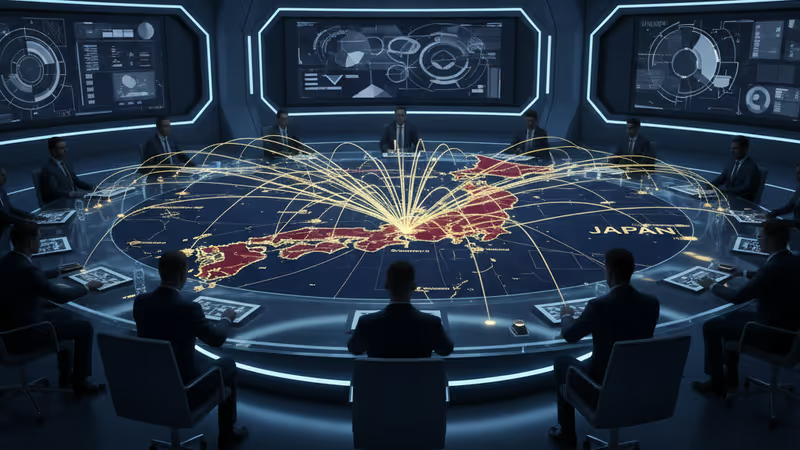
Pentagon official Elbridge Colby is planning visits to South Korea and Japan in late January 2026 to discuss defense spending and nuclear submarine projects.

President Lee Jae Myung's 2026 New Year address outlines his role as a 'pacemaker' for North Korea-U.S. talks and a new era of the U.S. alliance, including nuclear-powered submarine projects.
PRISM by Liabooks
Place your ad in this space
[email protected]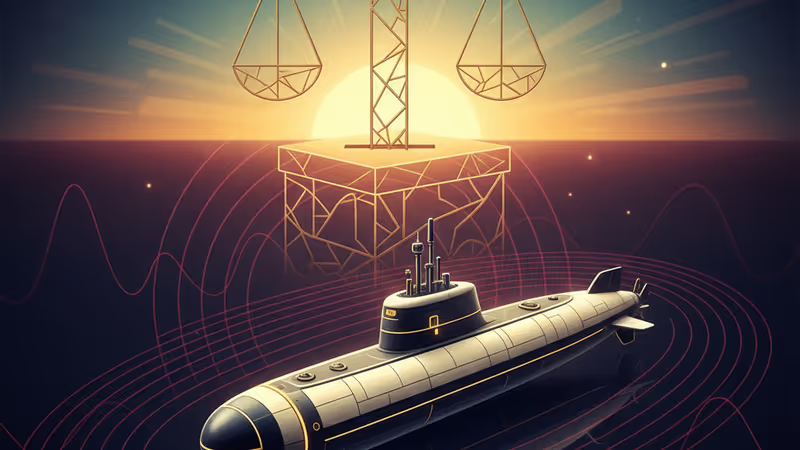
South Korea and the U.S. have agreed to pursue a stand-alone pact for nuclear-powered submarine cooperation, with working-level talks slated for early 2026. The plan involves using low-enriched uranium to address non-proliferation concerns.
