
#US Congress
Total 13 articles
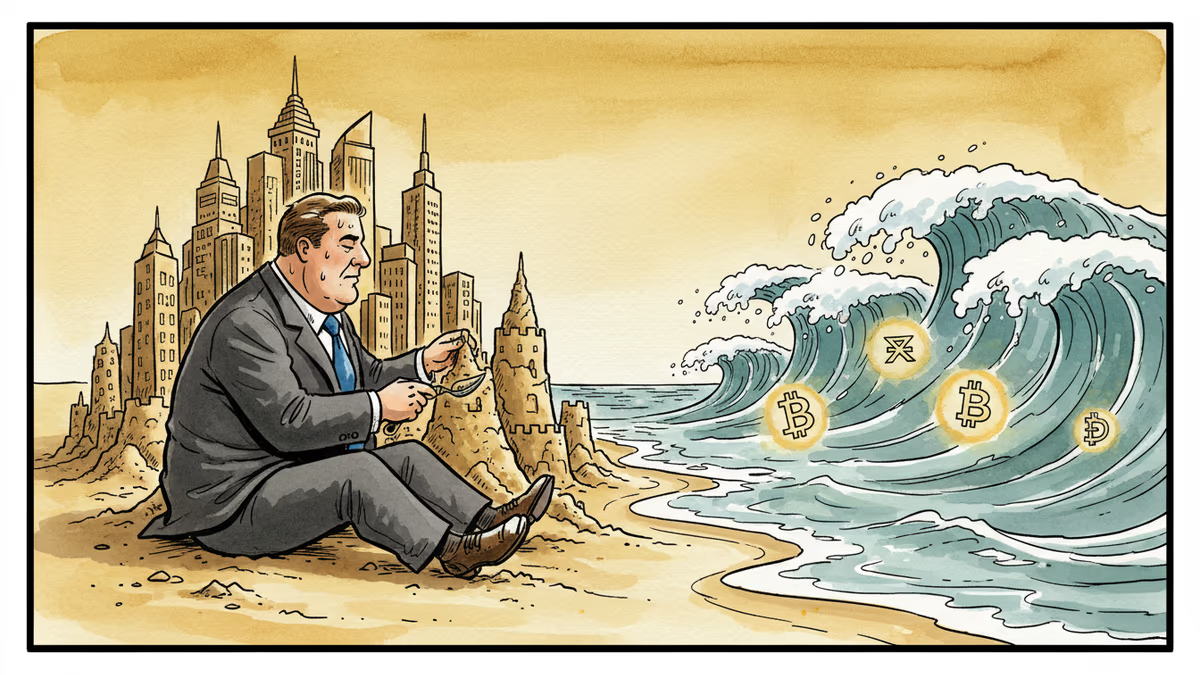
SEC Chair Atkins warns crypto regulations need legislative backing to be permanent, but the path to Congressional approval remains uncertain amid political divisions.

Coinbase VP Kara Calvert explains why the firm opposed US crypto legislation just before a key markup. Discover the 2026 regulatory impact and market risks.

President Trump's ambition to acquire Greenland faces significant resistance from both parties in Congress. Explore the legal and financial hurdles blocking the plan.

PRISM by Liabooks
Place your ad in this space
[email protected]
US lawmakers accuse the SEC of a 'pay-to-play' dynamic after dropping major lawsuits against Binance and Coinbase. Read more on the regulatory shift.

Coinbase CEO Brian Armstrong criticizes the 2026 crypto bill, citing 'too many issues.' Discover how this regulatory clash impacts investors and the crypto market.

U.S. lawmakers accused South Korean regulators of 'discriminatory' and 'aggressive' actions against Coupang on Jan 13, 2026. Explore the rising trade tensions.
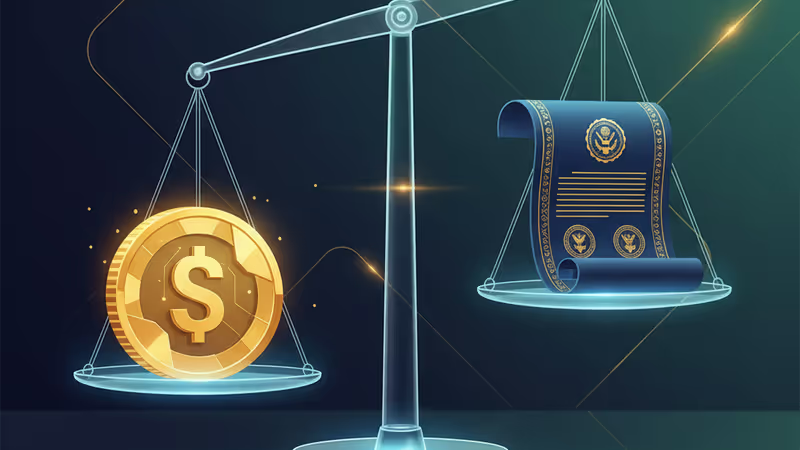
Traders see a 70% chance for the 2026 stablecoin bill passage, but reward system disputes are causing bipartisan support to fray in Congress.
PRISM by Liabooks
Place your ad in this space
[email protected]
Steny Hoyer, the longest-serving House Democrat, announced his retirement on January 8, 2026. Discover how his departure will reshape US legislative dynamics.
In early 2026, the US House is seeing a historic surge in discharge petitions. Explore how lawmakers are bypassing Speaker Mike Johnson to force votes on key bills.
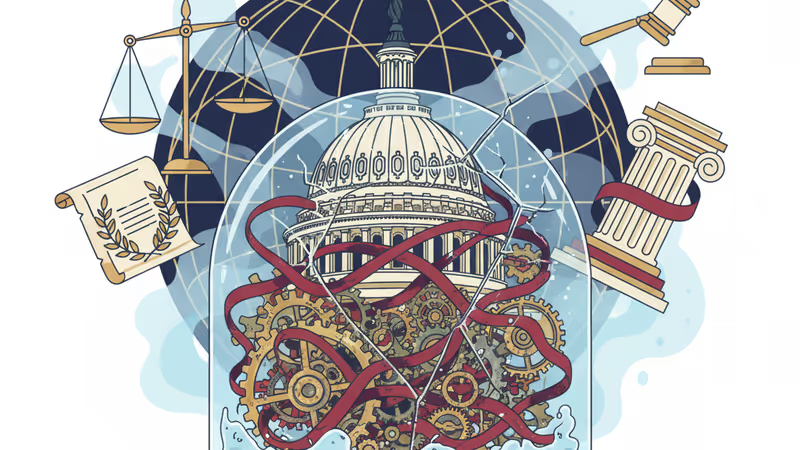
As 2025 ends, the U.S. Congress faces criticism for a lack of legislative achievements and a rise in retirements. Former lawmakers warn the institution is 'in a coma,' citing long-term systemic issues.

A bipartisan U.S. House bill, the PARITY Act, proposes major changes to crypto tax rules, including a $200 capital gains exemption for stablecoin payments and tax deferral options for staking rewards.
PRISM by Liabooks
Place your ad in this space
[email protected]
The U.S. Congress is ending the year with few legislative wins and a growing wave of retirements. This trend points to deep-rooted institutional problems on Capitol Hill, with significant implications for global policy and stability.
