
#Oil Price
Total 11 articles
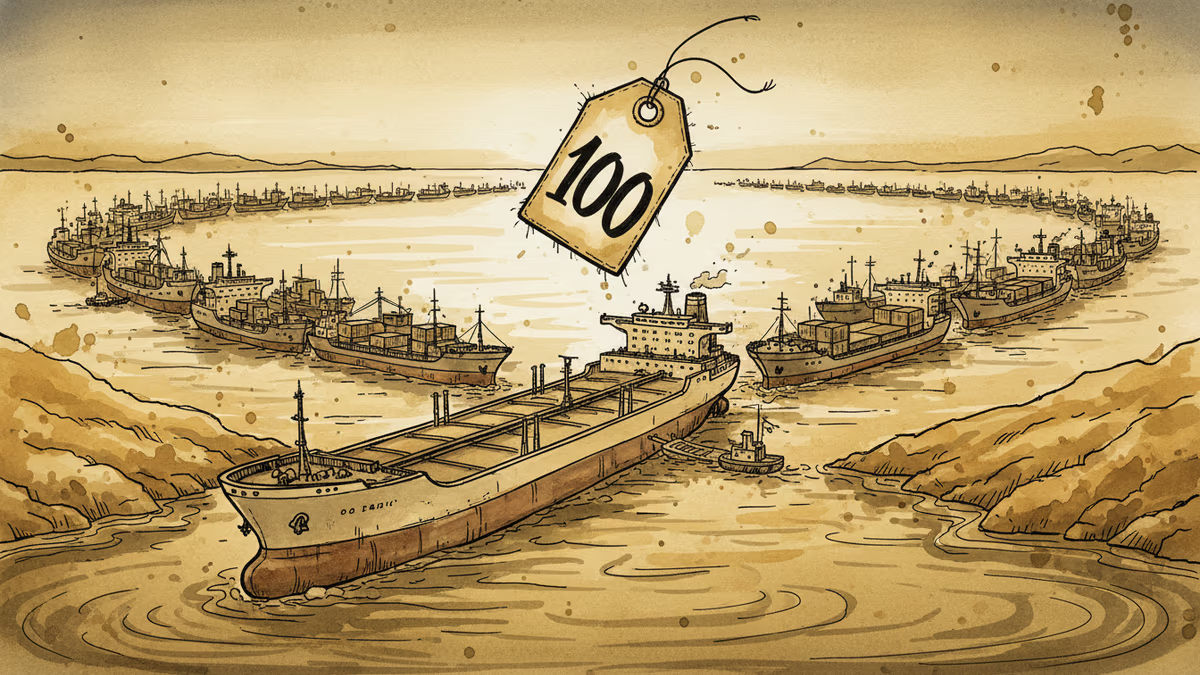
Barclays raised its 2026 Brent crude forecast to $100/barrel, citing prolonged Hormuz disruption. Here's what that means for energy markets, inflation, and your energy bill.
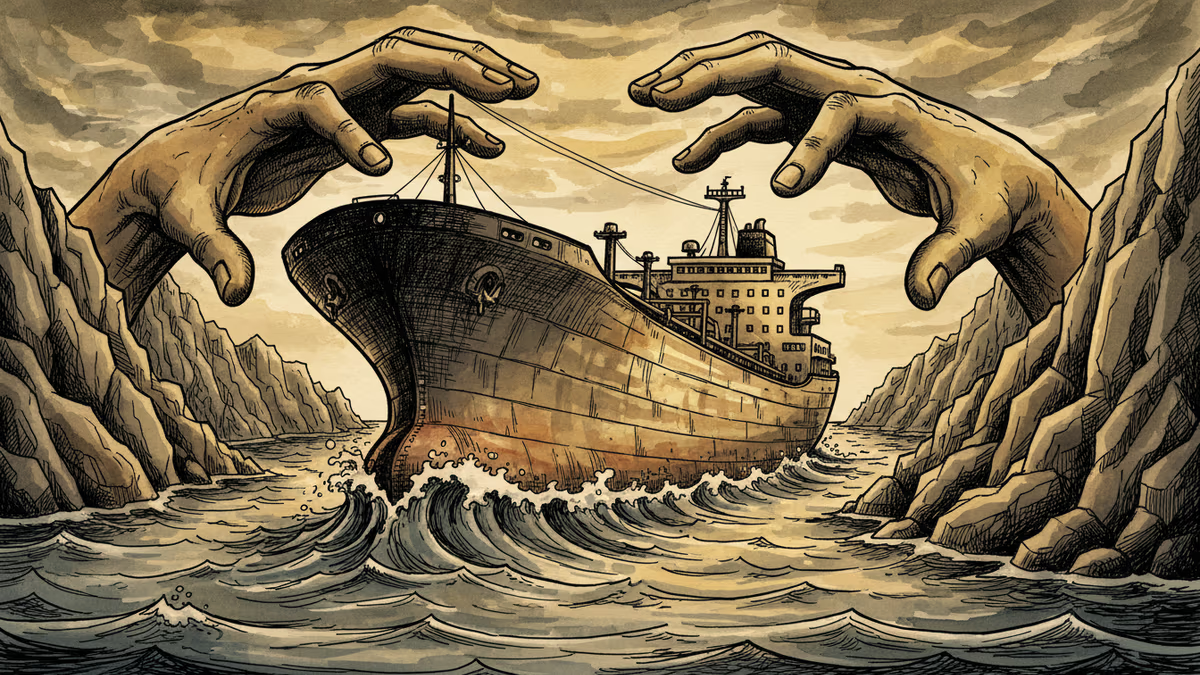
The Strait of Hormuz carries 20% of the world's seaborne oil. With tensions rising, energy markets are pricing in a risk that has no easy workaround.
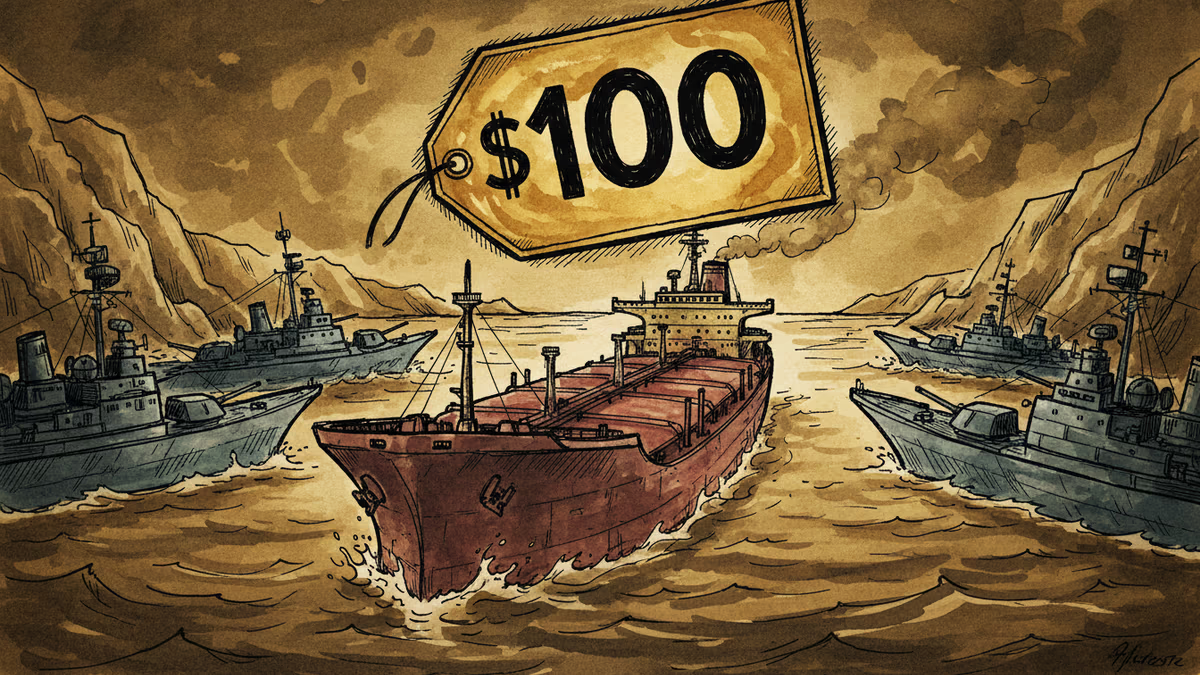
Brent crude has crossed $100 a barrel as Iran escalates attacks on Gulf shipping. Here's what it means for your wallet, global markets, and the geopolitical fault lines underneath.

PRISM by Liabooks
Place your ad in this space
[email protected]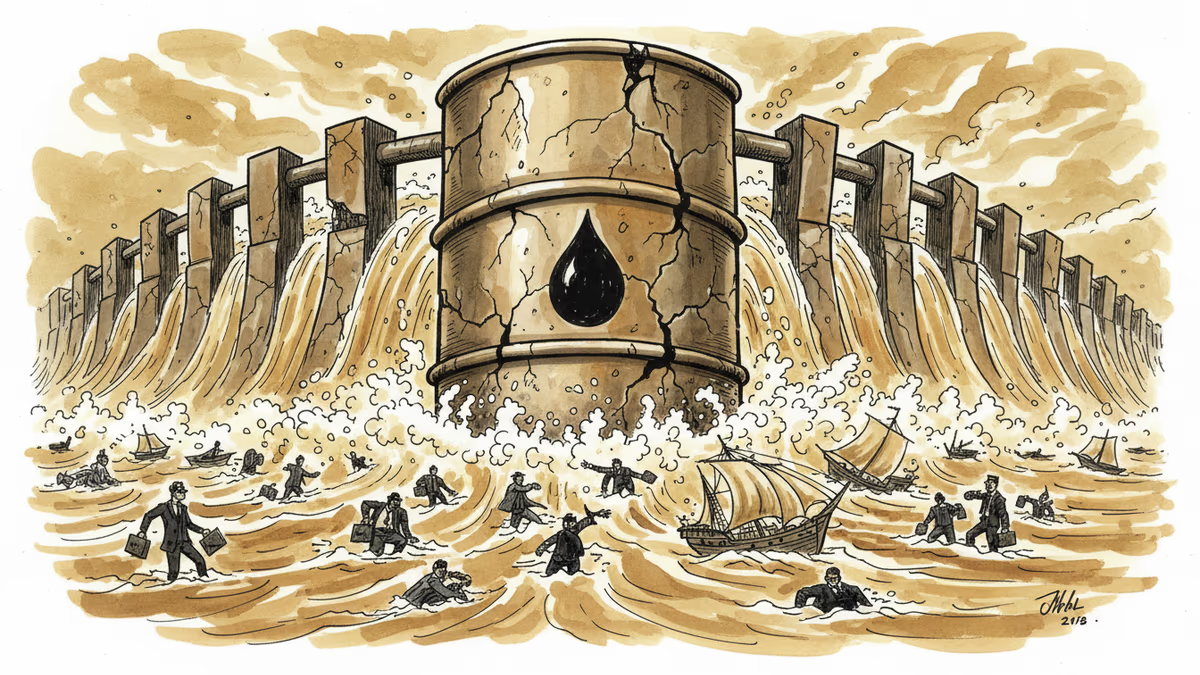
Brent crude topped $100 a barrel in Tokyo trading as the yen hit its weakest since January. With Hormuz closure fears mounting, what does this mean for Asian economies and your portfolio?
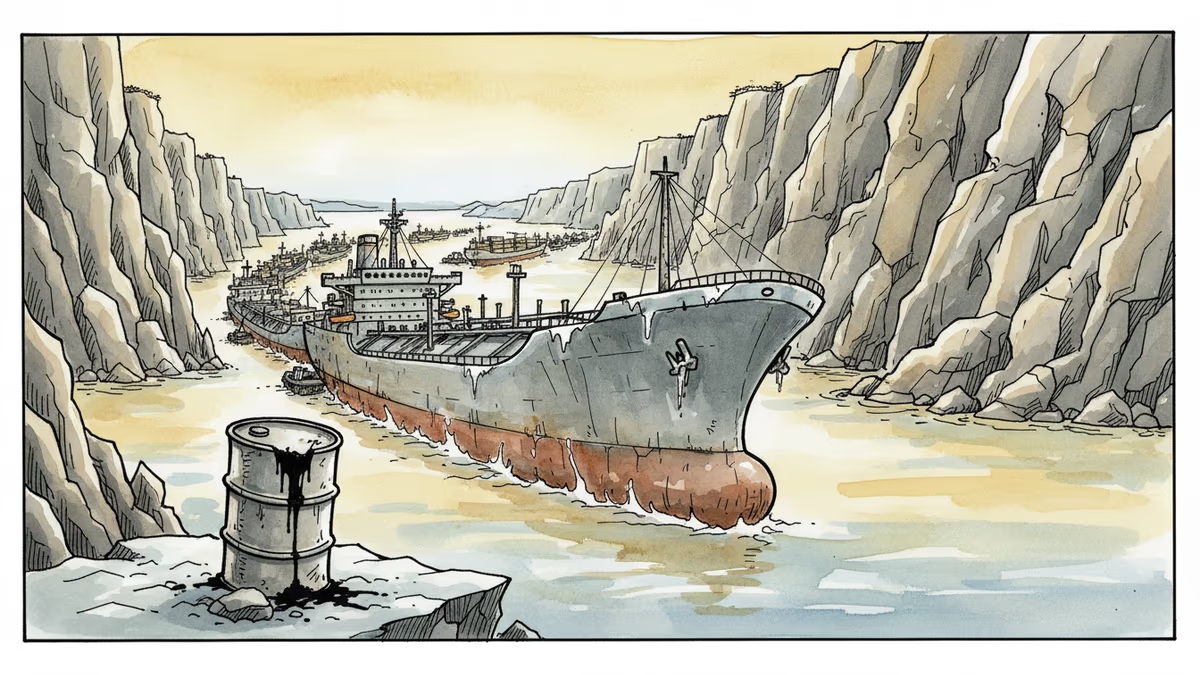
U.S. military strikes on Iran have effectively shut down the Strait of Hormuz, choking 21% of global crude supply. Southeast Asia's energy importers are already paying the price — and the crisis is just beginning.
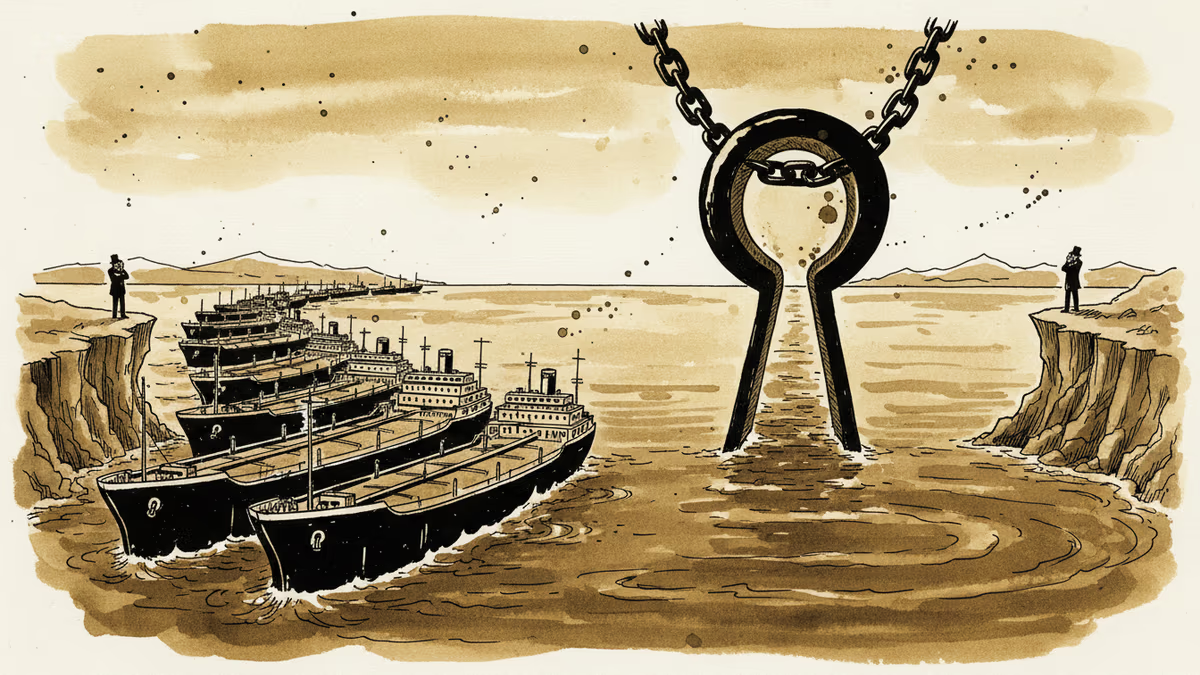
A military conflict involving Iran could send oil above $150 a barrel. Here's what that means for energy markets, household budgets, and global economic stability.
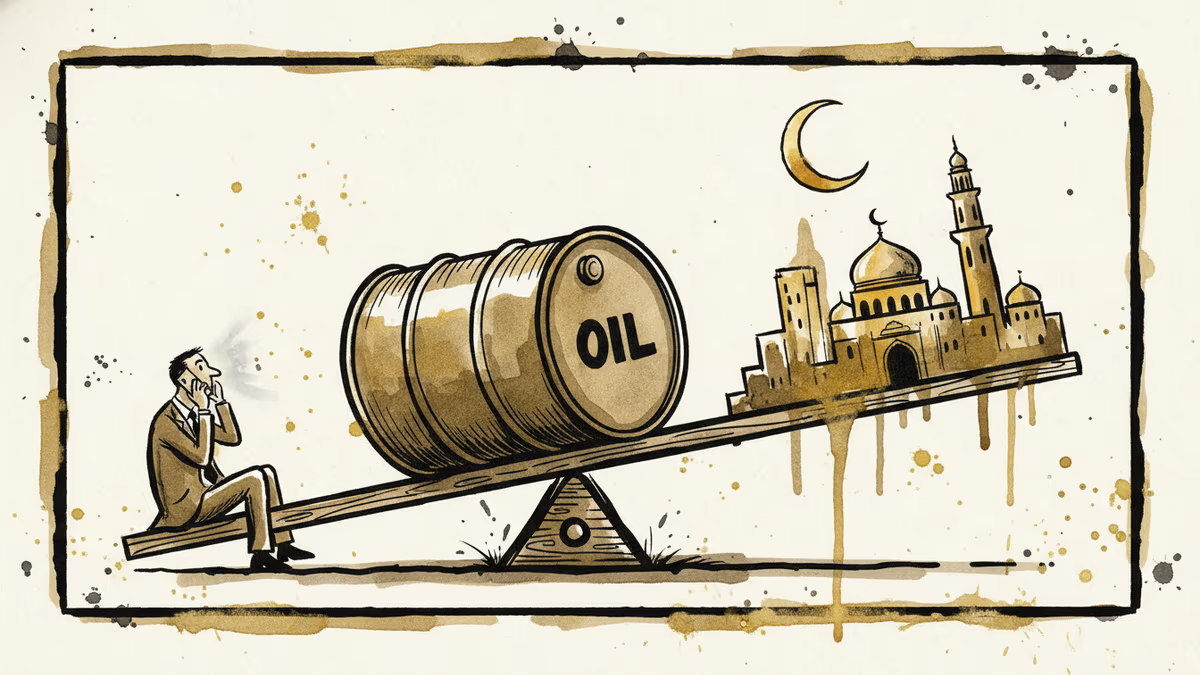
Trump's offhand claim that the Iran conflict will end 'very soon' rattled energy markets. Is this a real diplomatic signal or negotiating theater? Here's what investors need to watch.
PRISM by Liabooks
Place your ad in this space
[email protected]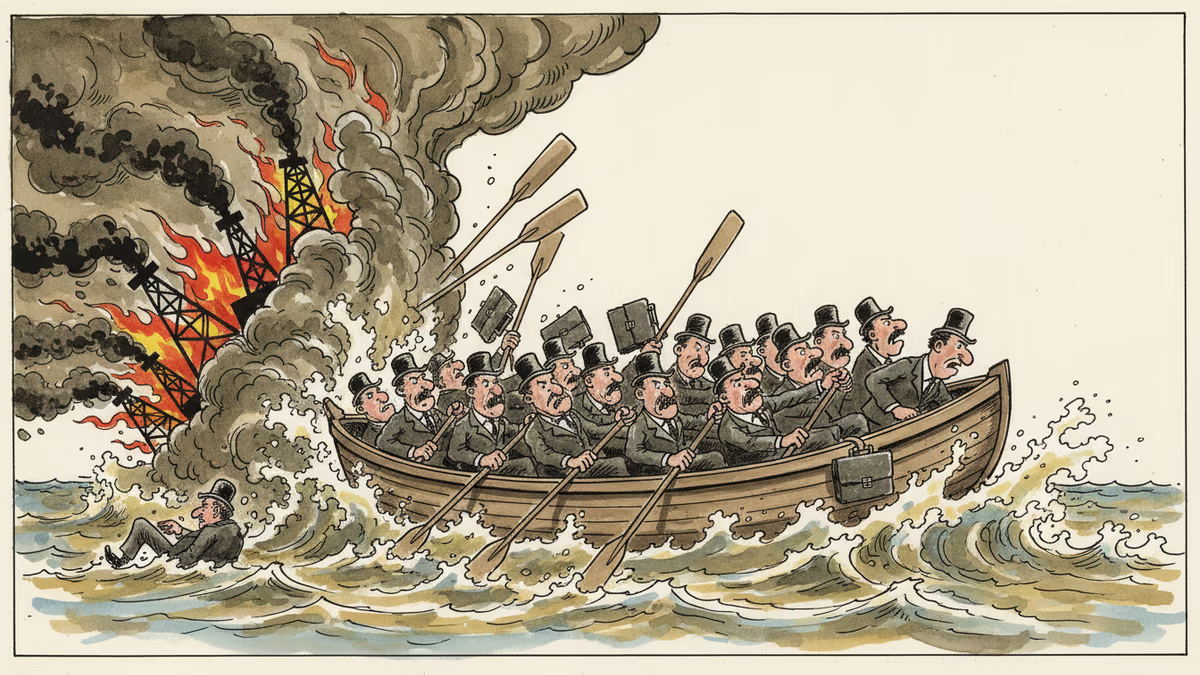
Middle East tensions are reversing 2026's most crowded consensus trades—dollar shorts, EM longs, stable oil. What this means for global portfolios and where the real risk lies.

Oil prices are holding steady near $95 a barrel after a five-day rally. The surge was driven by strong U.S. economic data and geopolitical tensions, but the market's next move is uncertain.

Fusion Power Inc.'s nuclear fusion breakthrough causes an 8% drop in WTI oil prices. Analyze the market impact, investment risks, and long-term implications for energy portfolios.
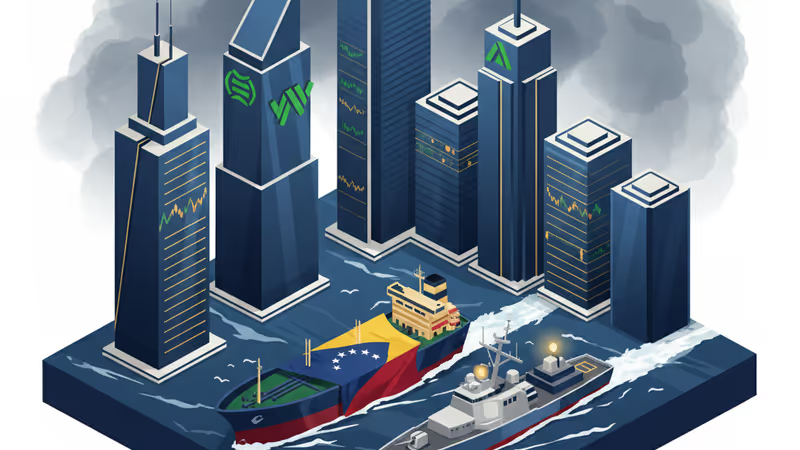
Oil prices climbed over 2% after the US seized a Venezuelan oil tanker, fueling fears of supply disruptions and escalating geopolitical tensions. WTI and Brent benchmarks rose.
PRISM by Liabooks
Place your ad in this space
[email protected]