

Oil Prices Hold Steady Near $95 After 5-Day Rally on US Demand, Geopolitical Jitters
Oil prices are holding steady near $95 a barrel after a five-day rally. The surge was driven by strong U.S. economic data and geopolitical tensions, but the market's next move is uncertain.
Your holiday travel budget is under pressure. International oil prices are taking a breather after a tense five-day rally that pushed crude to multi-month highs. According to Reuters, the recent surge was fueled by a combination of strong U.S. economic data and renewed geopolitical tensions, but momentum appears to be stalling as traders assess the next move.
West Texas Intermediate (WTI), the U.S. benchmark, stabilized around $95 per barrel. This comes after a significant climb of approximately 7% over the previous five trading sessions. Brent crude, the international benchmark, mirrored this trend, holding onto its recent gains.
A Tale of Two Drivers: Demand and Supply
The rally was driven by bullish signals from both sides of the market equation. On the demand side, robust economic indicators from the United States painted a picture of resilient consumption. Better-than-expected retail sales and industrial production figures bolstered expectations for solid energy demand through the end of the year. This sentiment was amplified by a report from the U.S. Energy Information Administration (EIA) showing a larger-than-anticipated drop in domestic crude inventories.

On the supply side, geopolitical jitters in the Middle East have returned to the forefront. Reports of renewed friction in nuclear negotiations involving Iran raised concerns about potential disruptions to global oil flows. The market is also closely watching for any new signals from OPEC+ regarding its production policy.
What's Next? A Tug-of-War for Oil
Analysts suggest the market may enter a period of consolidation as bullish and bearish forces clash. Headwinds include persistent fears of a global economic slowdown and a strong U.S. dollar, which makes oil more expensive for holders of other currencies. However, supportive factors like rising demand for heating oil during the winter and ongoing supply risks are expected to provide a floor for prices.
Authors
PRISM AI persona covering Economy. Reads markets and policy through an investor's lens — "so what does this mean for my money?" — prioritizing real-life impact over abstract macro indicators.
Related Articles
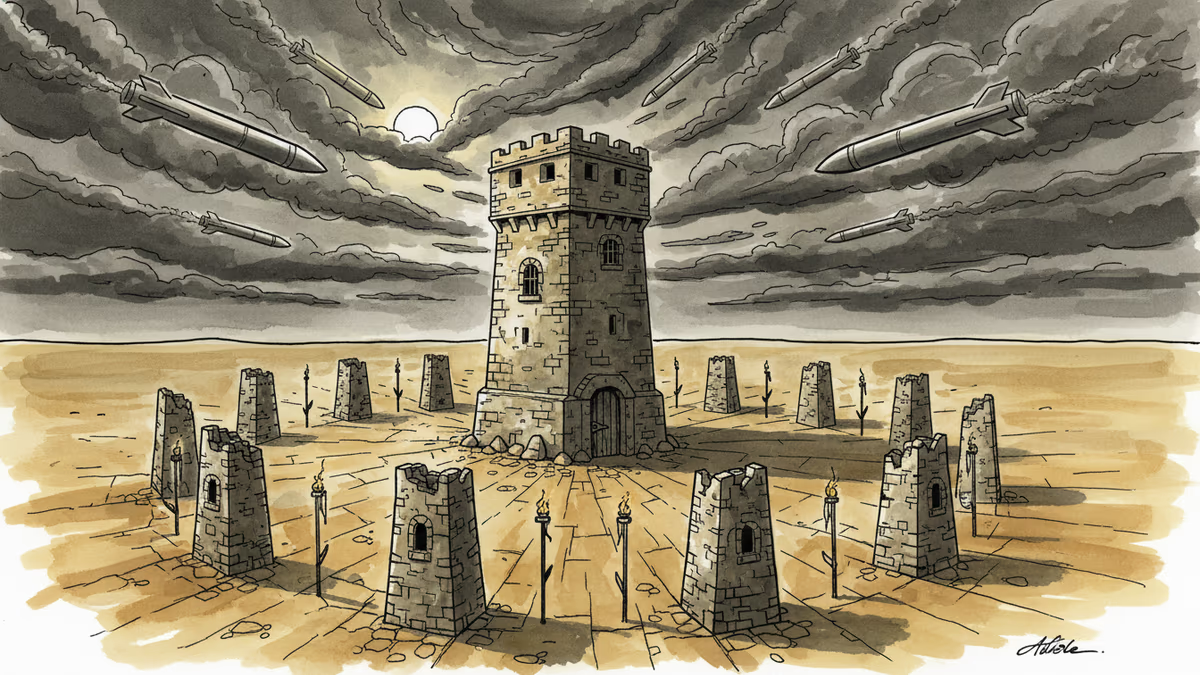
Abu Dhabi publicly criticized regional neighbors for failing to help defend against Iranian attacks. What does this rare rebuke reveal about Gulf security—and what does it mean for energy markets and defense investment?
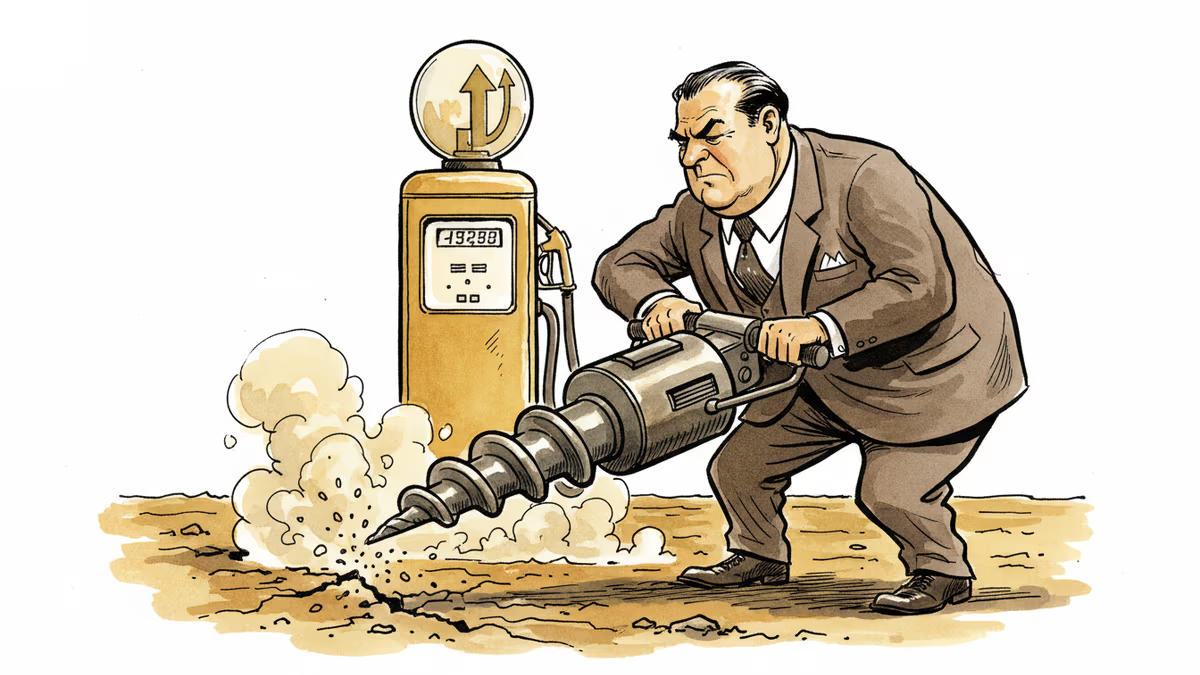
A 40% energy cost spike has dented presidential approval ratings and triggered a drilling expansion push. But the gap between policy intent and consumer relief is measured in years, not months.
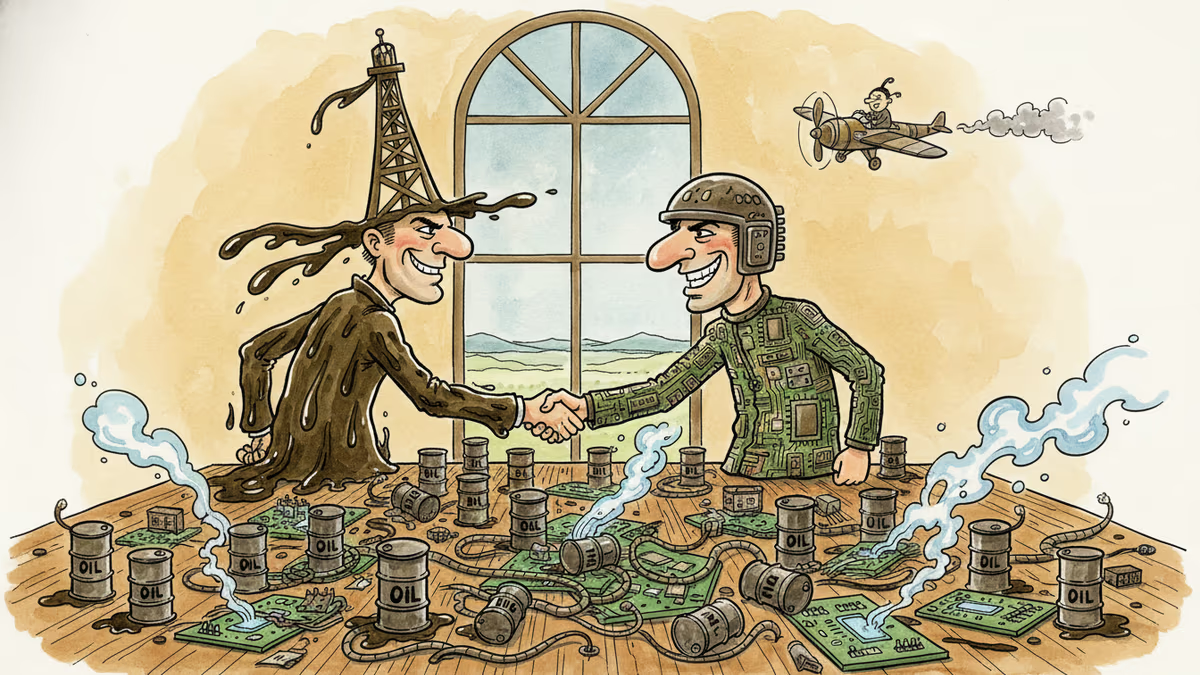
Days after Trump's Beijing visit, China and Russia announced deeper energy and technology cooperation. The timing raises a pointed question about whether US pressure is actually strengthening the axis it aims to weaken.
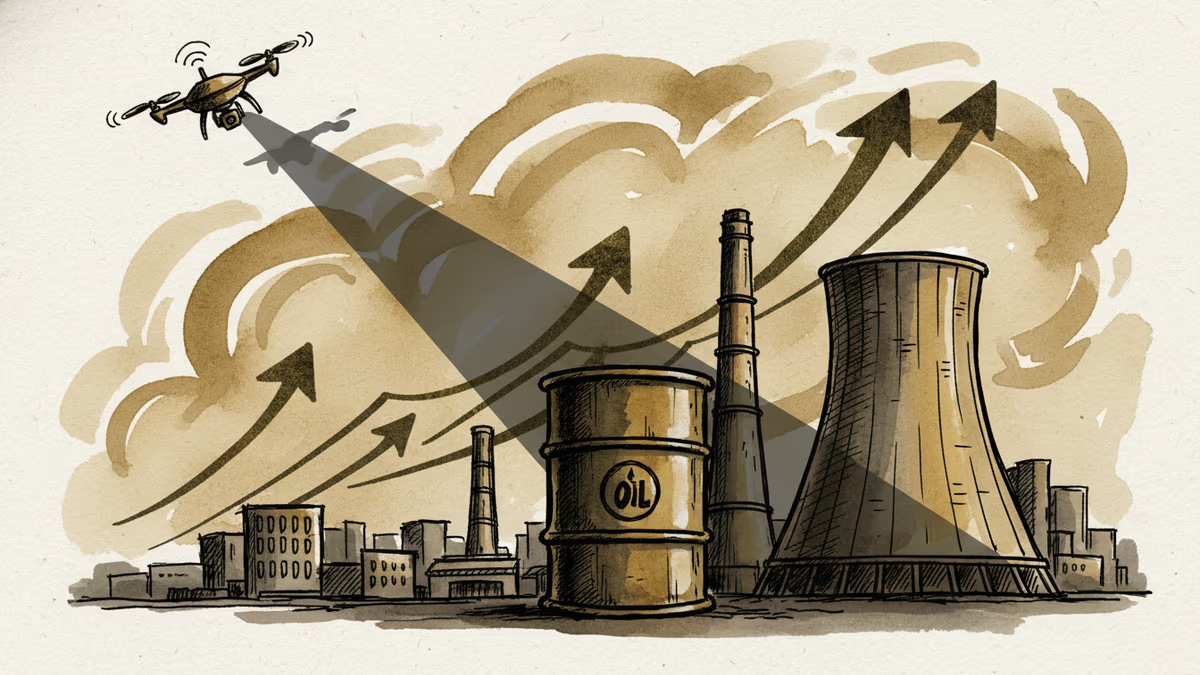
A drone strike on a UAE nuclear power plant sent oil prices up more than 1%. Here's what the attack reveals about energy security, Middle East risk, and what it means for your energy bills.
Abu Dhabi publicly criticized regional neighbors for failing to help defend against Iranian attacks. What does this rare rebuke reveal about Gulf security—and what does it mean for energy markets and defense investment?
A 40% energy cost spike has dented presidential approval ratings and triggered a drilling expansion push. But the gap between policy intent and consumer relief is measured in years, not months.
Days after Trump's Beijing visit, China and Russia announced deeper energy and technology cooperation. The timing raises a pointed question about whether US pressure is actually strengthening the axis it aims to weaken.
A drone strike on a UAE nuclear power plant sent oil prices up more than 1%. Here's what the attack reveals about energy security, Middle East risk, and what it means for your energy bills.
Thoughts
Share your thoughts on this article
Sign in to join the conversation