
#HormuzStrait
Total 13 articles
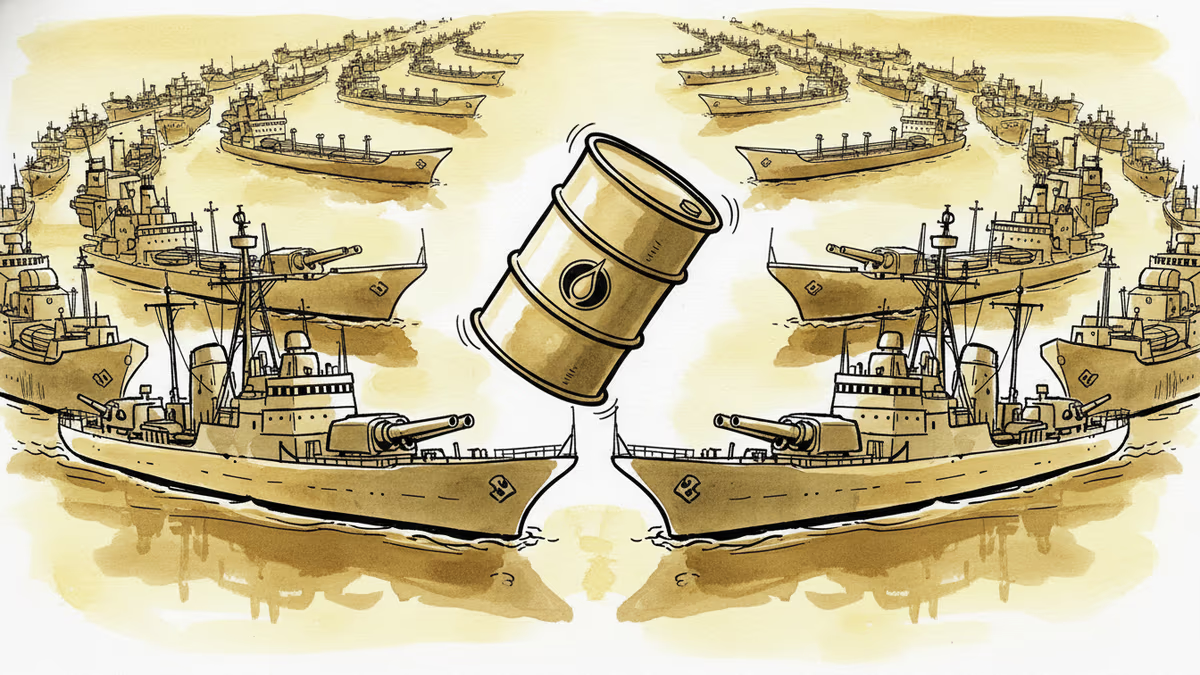
US and Iranian forces exchanged fire in the Strait of Hormuz during a commercial vessel escort mission. Here's why a brief clash in a 34km-wide waterway can shake global energy markets.
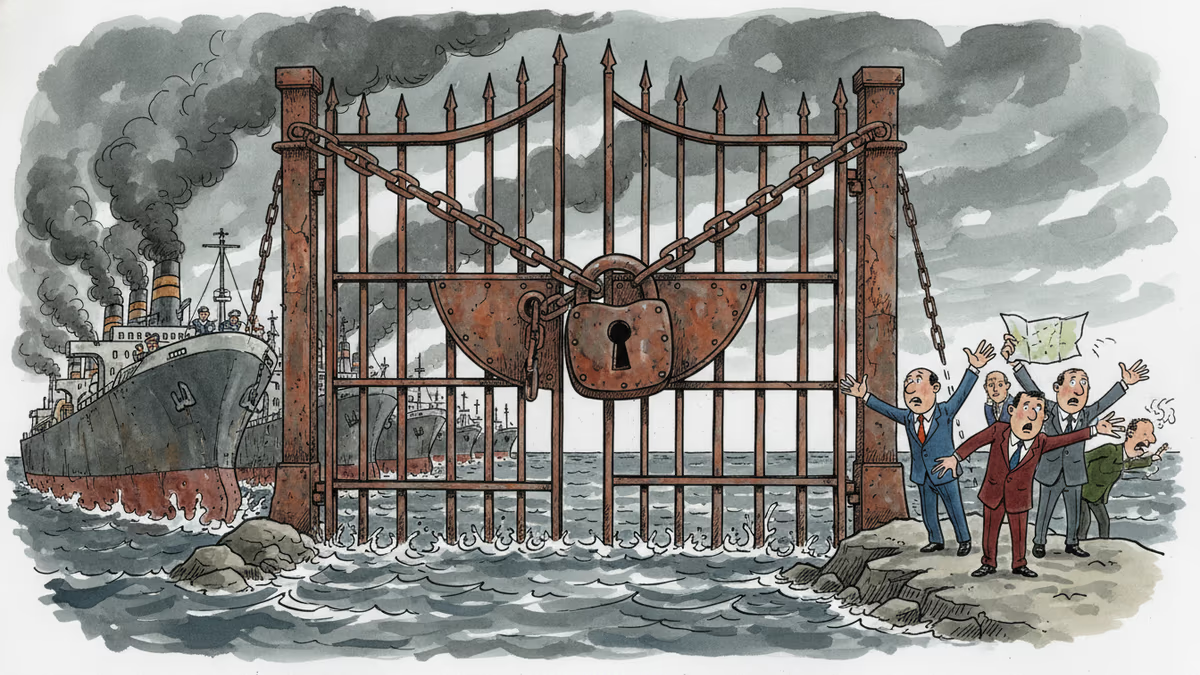
A U.S.-Iran ceasefire holds indefinitely, but the Strait of Hormuz remains blocked. Pakistan steps up as a mediator. India stays silent. What this standoff means for global energy and Asian geopolitics.
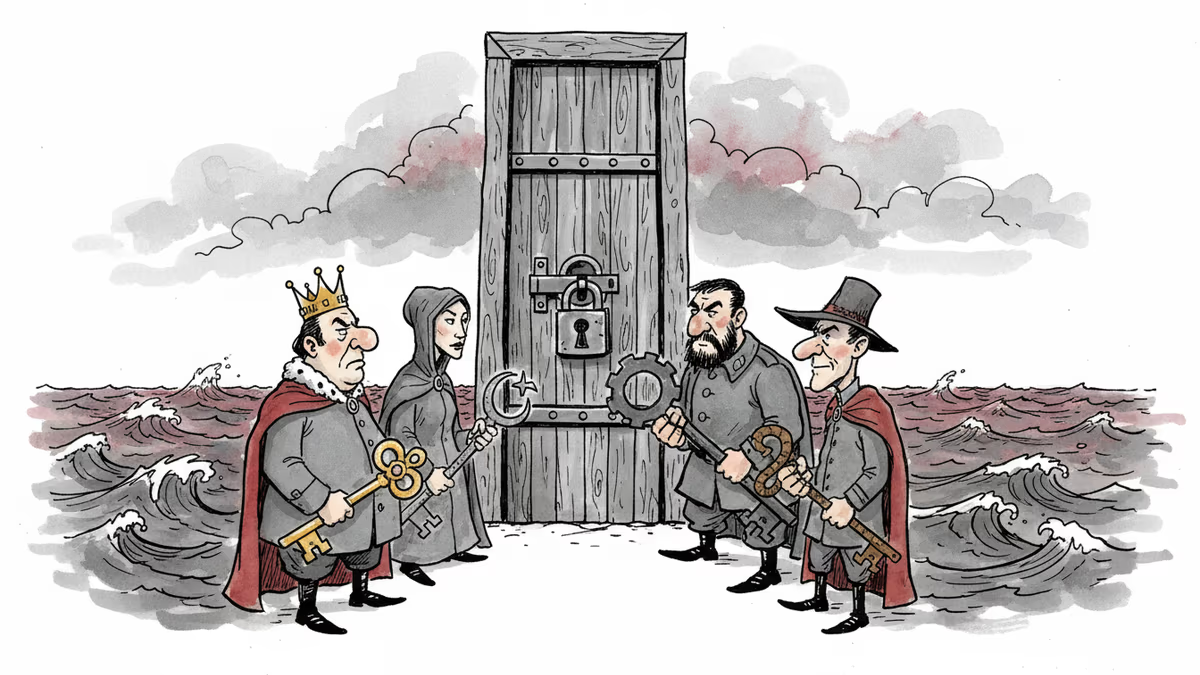
Iran sent a peace proposal to Trump via Pakistan. Araghchi flew to meet Putin in St Petersburg. Three cities, one strait, and a tangle of competing interests that may or may not add up to a deal.

PRISM by Liabooks
Place your ad in this space
[email protected]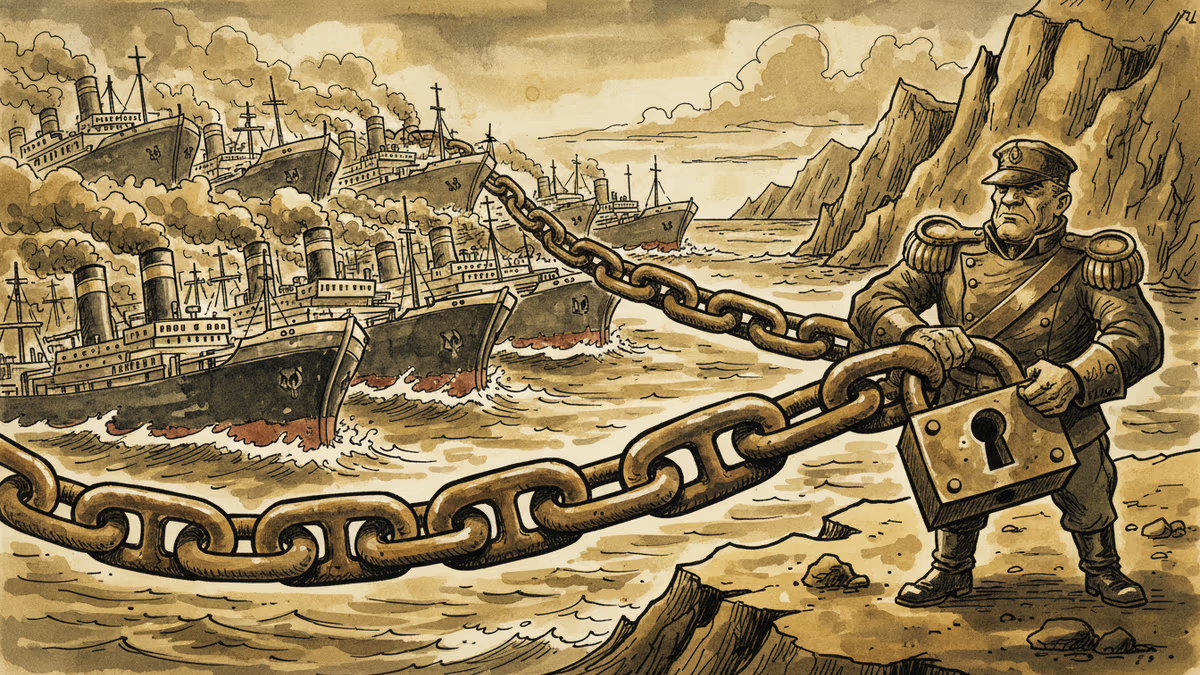
Iran's naval blockade of the Strait of Hormuz is now official. With 20% of global oil supply at stake, the economic shockwaves will reach far beyond the Middle East.
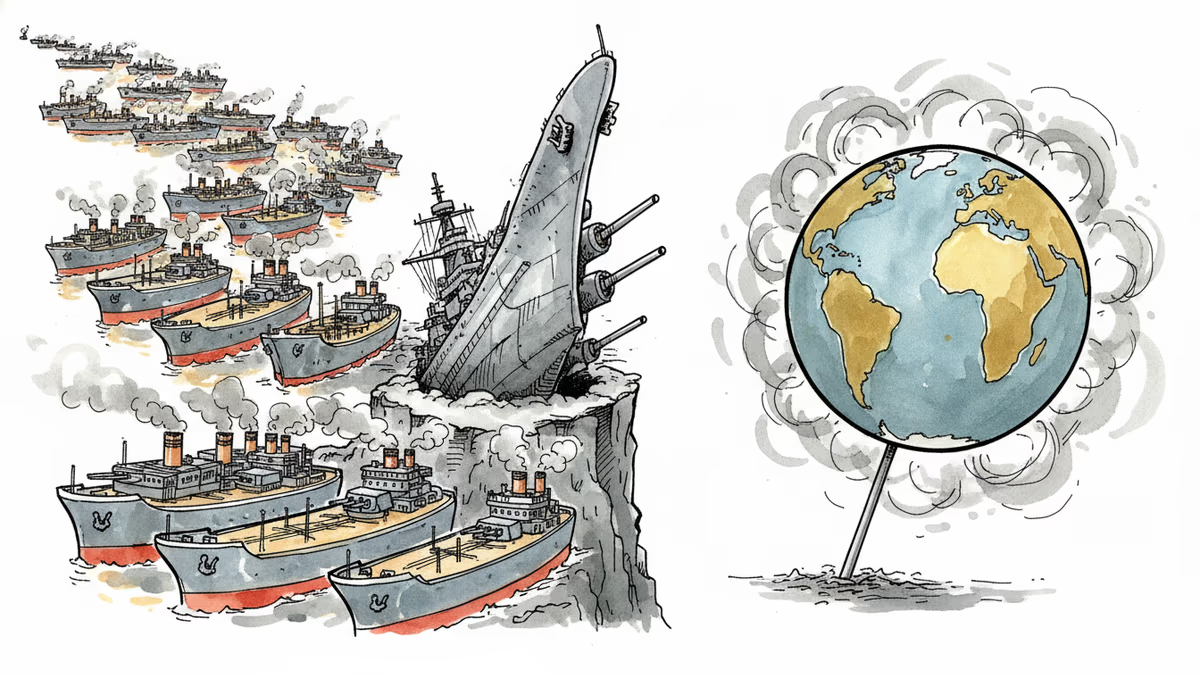
The US has moved to blockade Iranian ports via the Strait of Hormuz after peace talks collapsed. But can it be enforced — and who really pays the price?
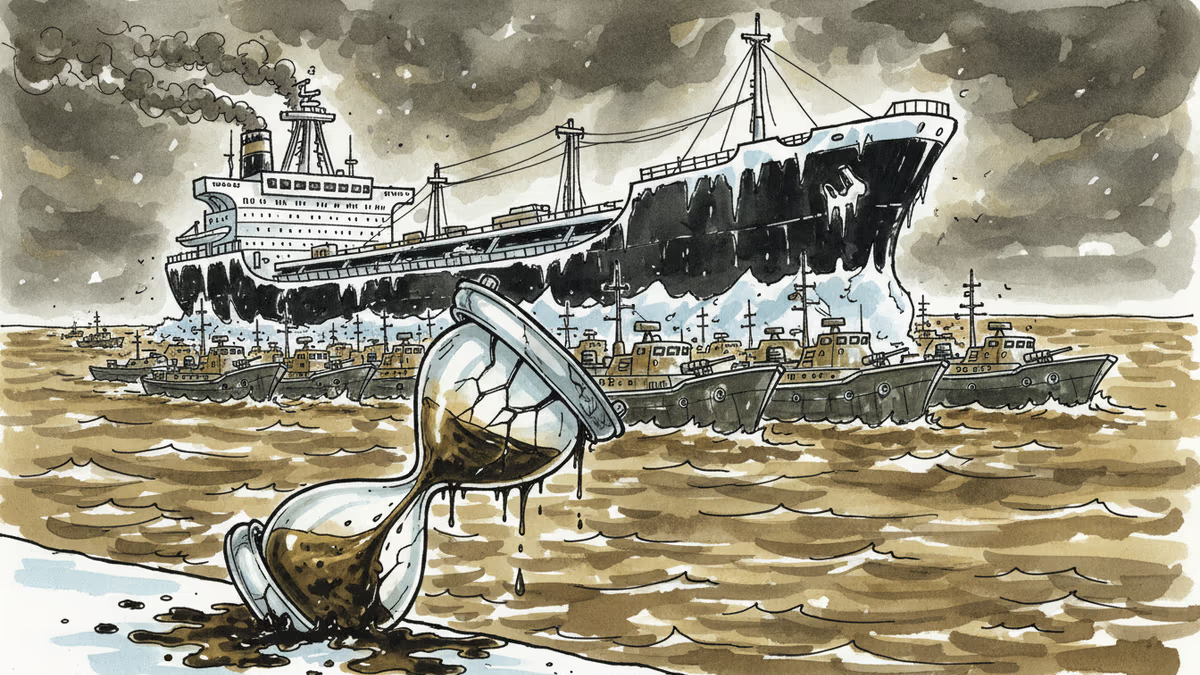
Iran has halted oil tanker passage through the Strait of Hormuz following US bombardment. With 20% of global oil supply at stake, here's what investors and policymakers need to watch.
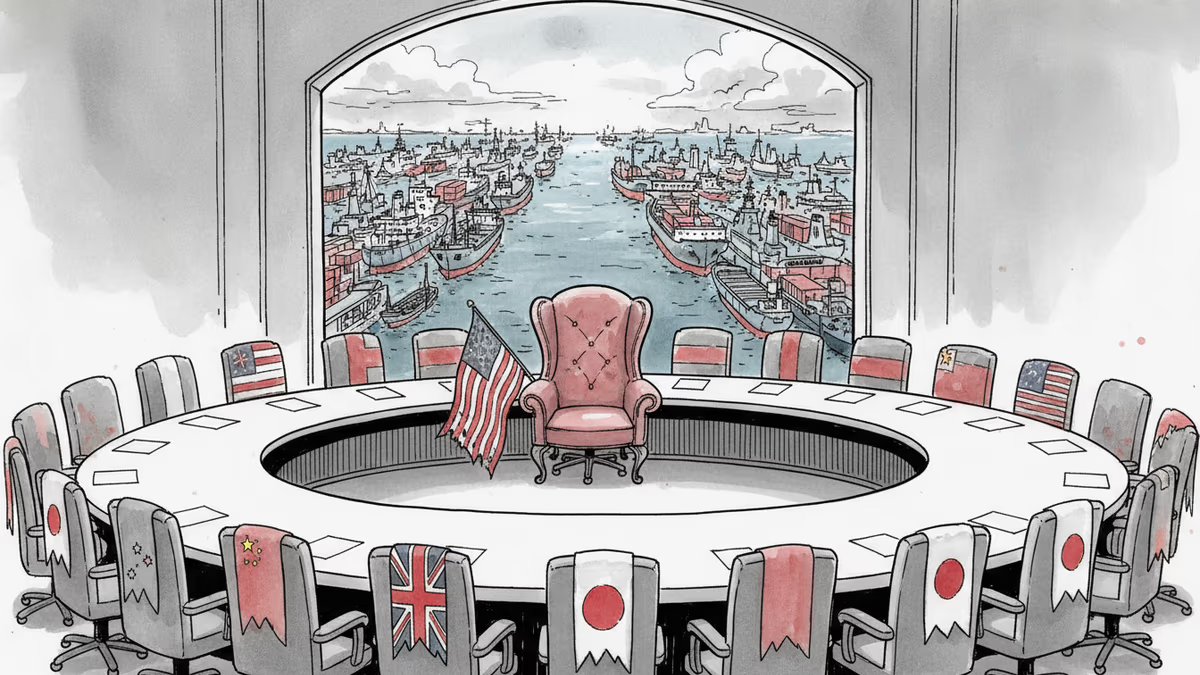
35 nations gathered to reopen the Strait of Hormuz without the U.S. Trump said it's not America's job. That absence may be reshaping the global order faster than anyone expected.
PRISM by Liabooks
Place your ad in this space
[email protected]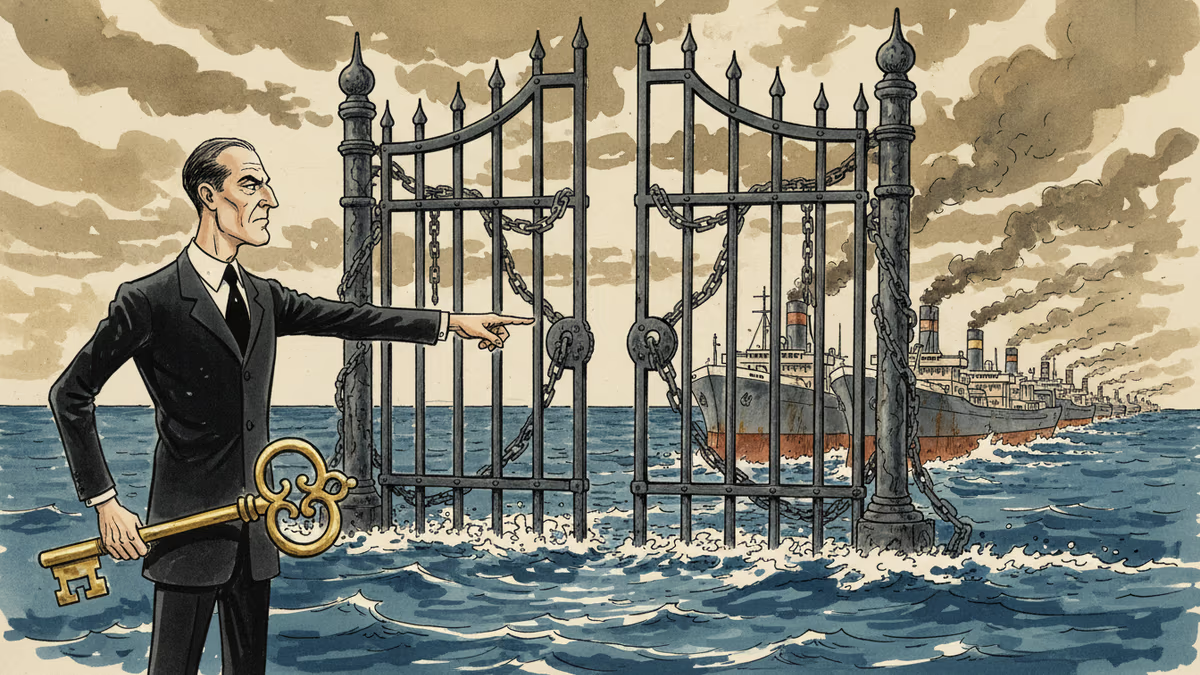
Trump says no ceasefire without reopening the Strait of Hormuz. With 20% of global oil trade flowing through this narrow passage, the stakes extend far beyond the Middle East.
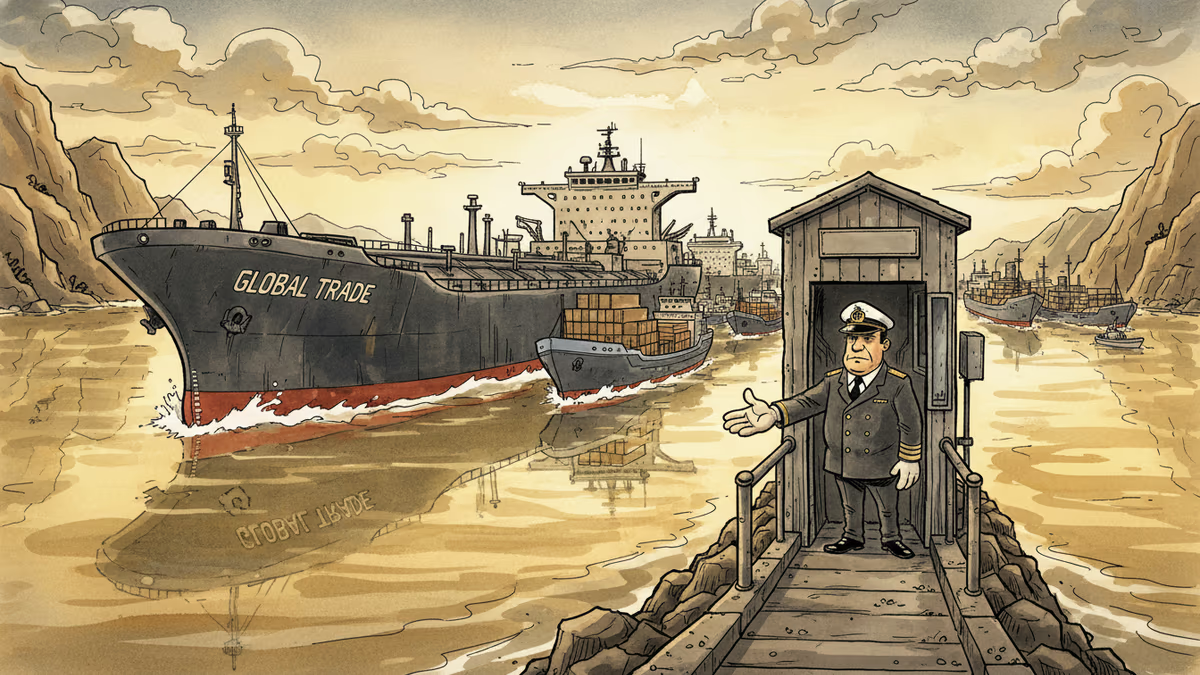
Tehran has signaled that a system of fees and passage restrictions in the Strait of Hormuz could outlast the current conflict. With 20% of global oil supply at stake, the implications stretch far beyond the Middle East.
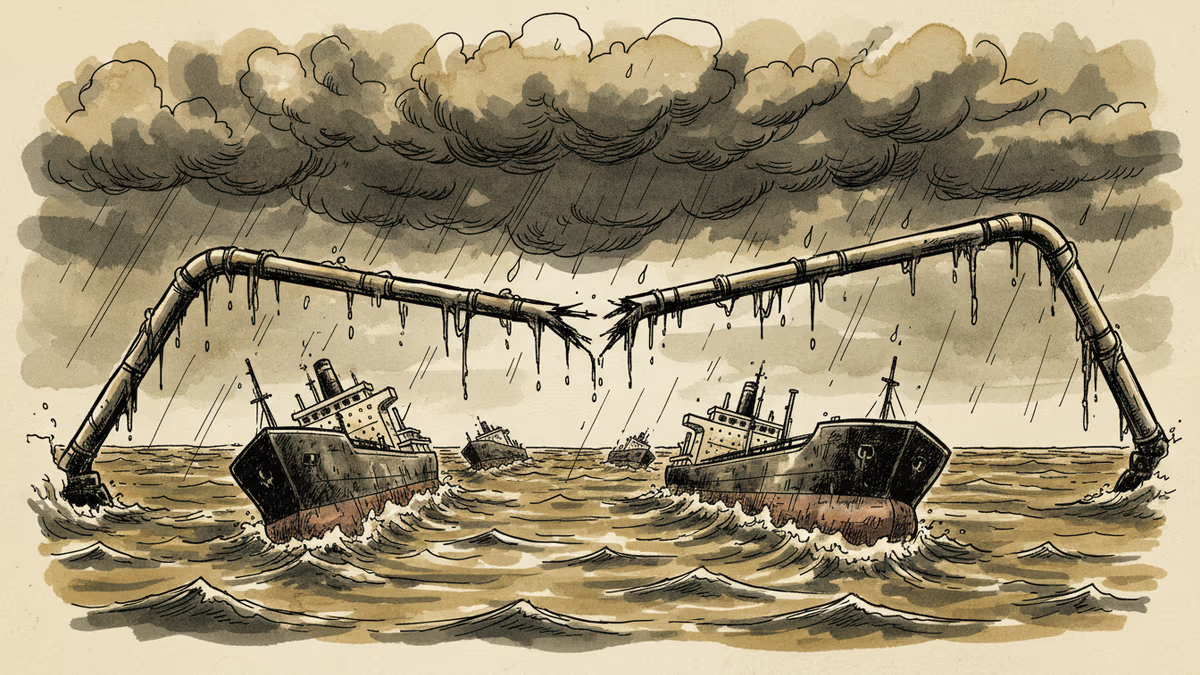
After its South Pars gasfield was struck, Iran vowed retaliation against Gulf energy infrastructure. Here's what that threat means for oil markets, energy security, and your portfolio.
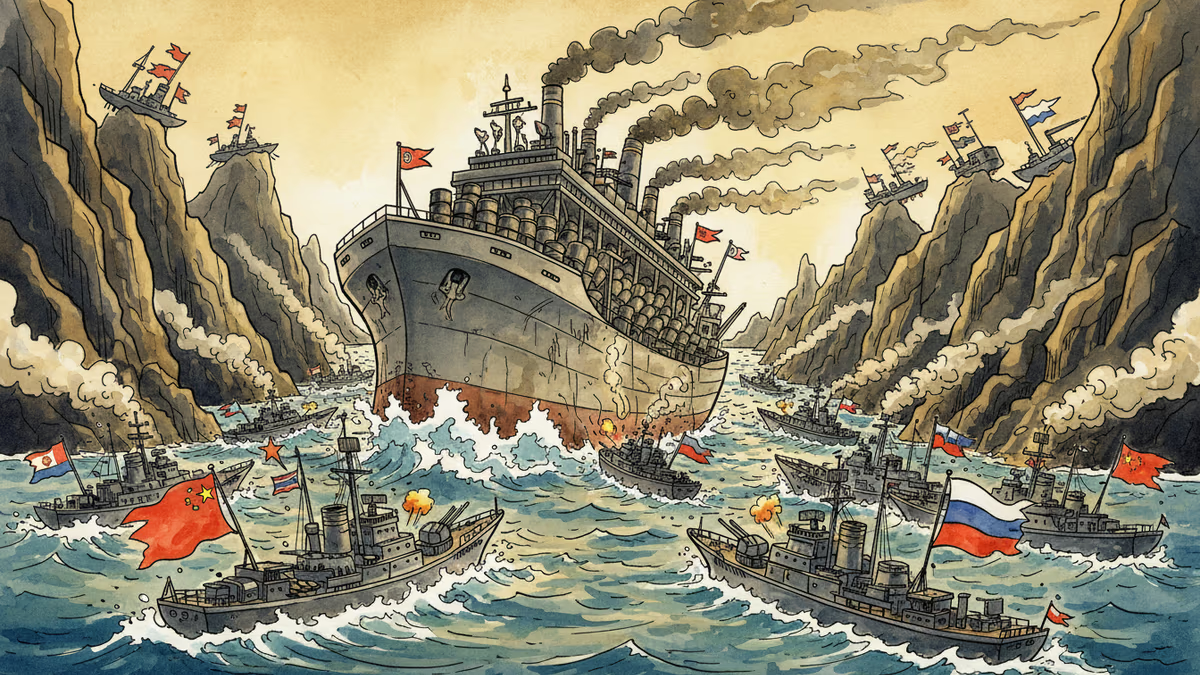
Trump is urging China, UK, and Japan to send warships to keep the Strait of Hormuz open. With 20% of global oil supply at stake, here's what a closure would mean for energy markets, inflation, and your portfolio.
PRISM by Liabooks
Place your ad in this space
[email protected]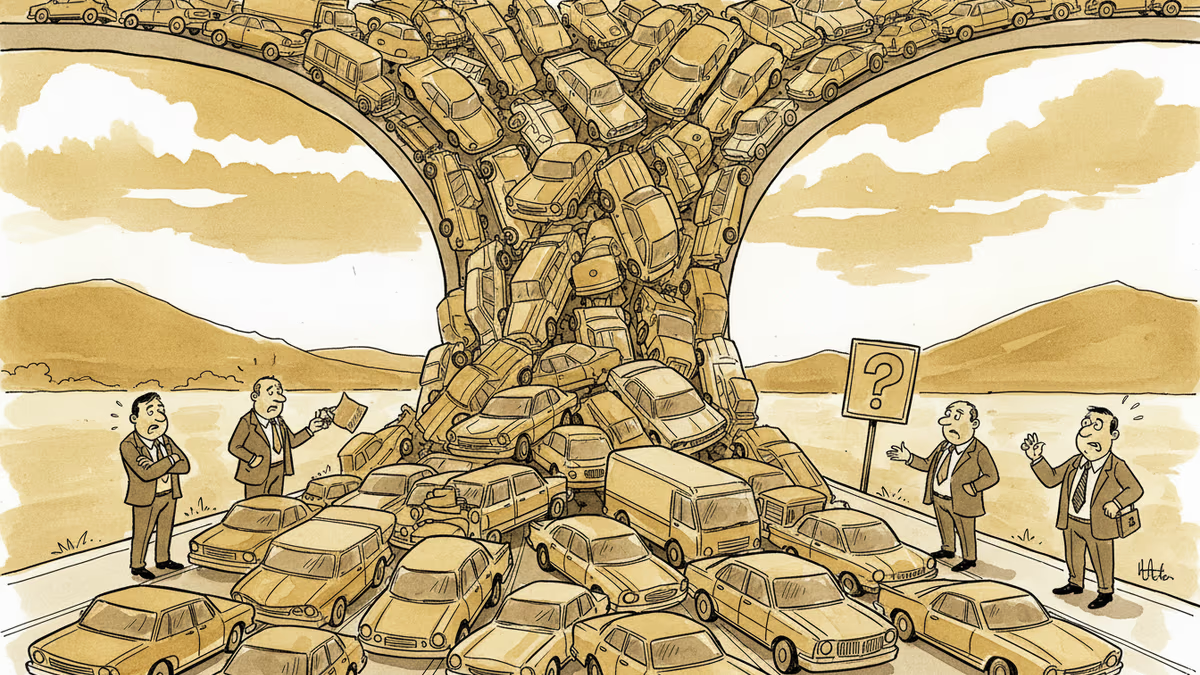
Iran's Hormuz Strait blockade disrupts Japan's massive used car exports, creating ripple effects across global automotive markets and consumer prices.
