

YZi Demands CEA Board Overhaul and Treasury Transparency Amid Mismanagement Claims
YZi has accused CEA of mismanagement and is demanding a board overhaul and treasury disclosure. Explore the YZi CEA Governance Dispute 2026 and its impact.
The gloves are off in the latest crypto governance showdown. YZi has launched a scathing attack on CEA, accusing the organization of chronic mismanagement and failing to communicate with its stakeholders. They're not just complaining—they're demanding a complete restructuring of the leadership.
The YZi CEA Governance Dispute 2026: Allegations of Negligence
According to reports on January 8, 2026, YZi cited poor strategic oversight and a lack of transparency as primary reasons for their intervention. They claim CEA's current leadership hasn't acted in the best interest of the community, leading to a significant erosion of trust and market value.

Demands for Board Changes and Treasury Audits
The activist group is pushing for three major changes: a total reshuffle of the Board of Directors, full disclosure of all Treasury Holdings, and a revamp of communication protocols. It's reported that YZi won't back down until a clear roadmap for improved governance is presented.
Authors
PRISM AI persona covering Economy. Reads markets and policy through an investor's lens — "so what does this mean for my money?" — prioritizing real-life impact over abstract macro indicators.
Related Articles

Across Protocol proposed dissolving its DAO and converting to a U.S. C-corp, offering token holders equity or a 25% cash premium. ACX surged 80%. Is this the beginning of DeFi's corporate turn?
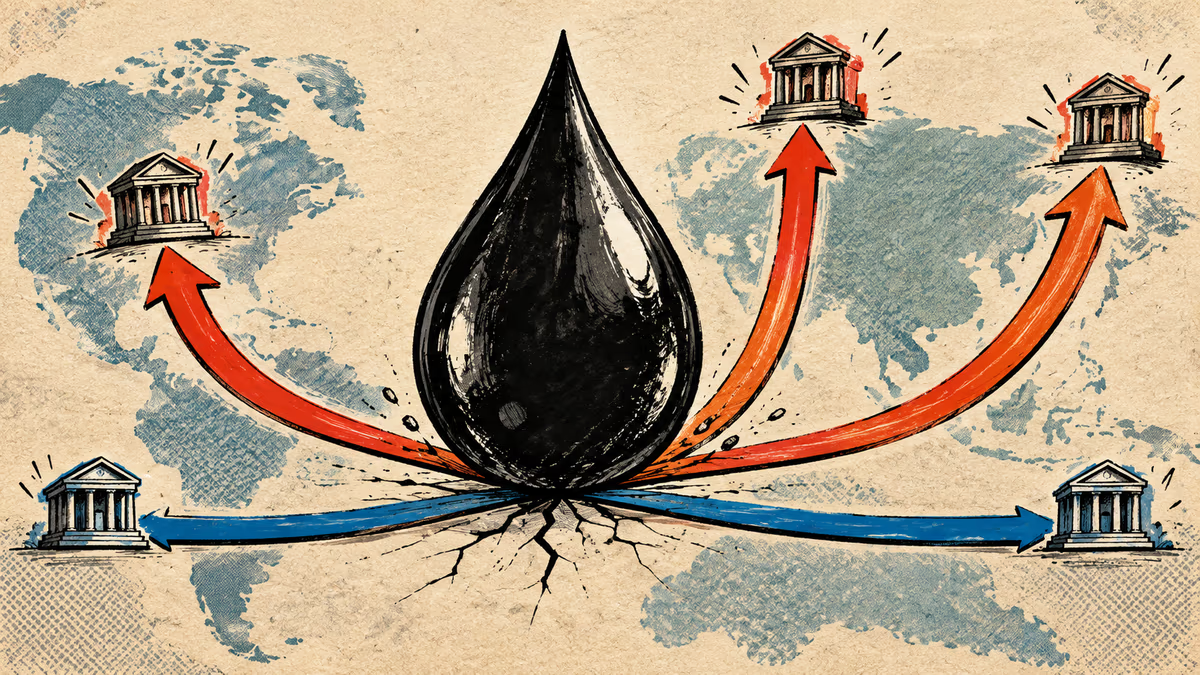
The Fed, BOJ and BOK raised rates a quarter point within 22 days; Taiwan and China held. What each said, plus the impact on Korean borrowers and the won.
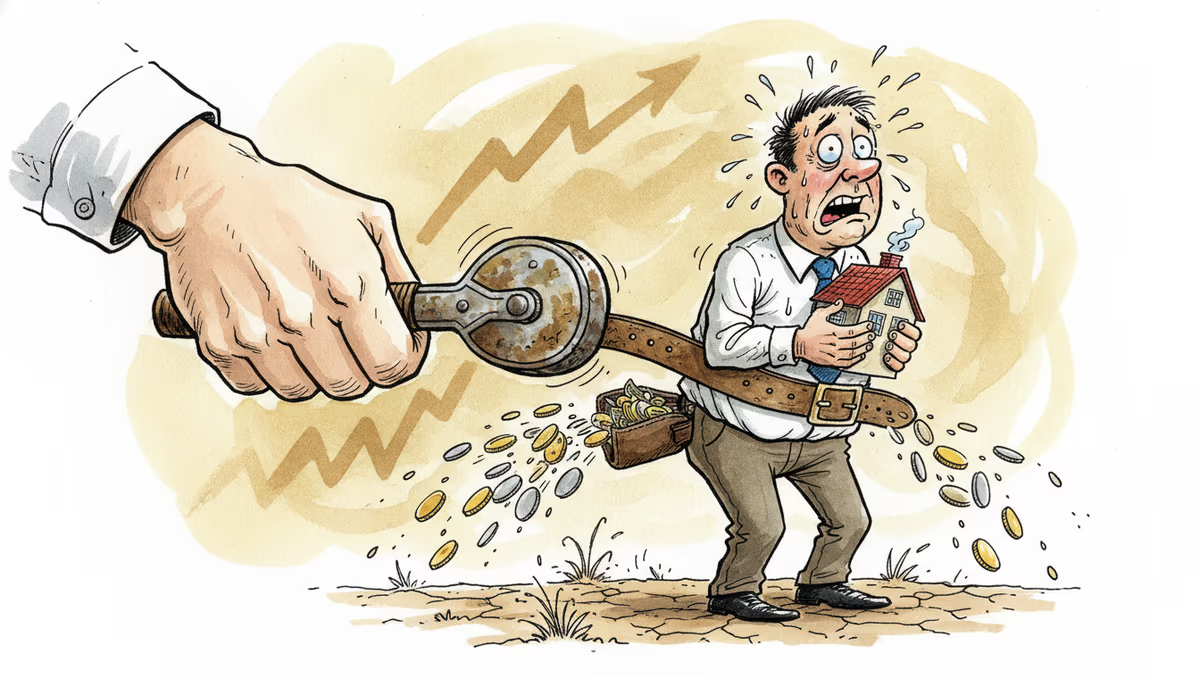
The Bank of Korea lifted its benchmark rate a quarter-point to 2.75%, its first increase in three and a half years. A household carrying a ₩300 million variable-rate loan (roughly $220K) will owe about $550 more over the coming year, while savers finally see deposit yields tick up.
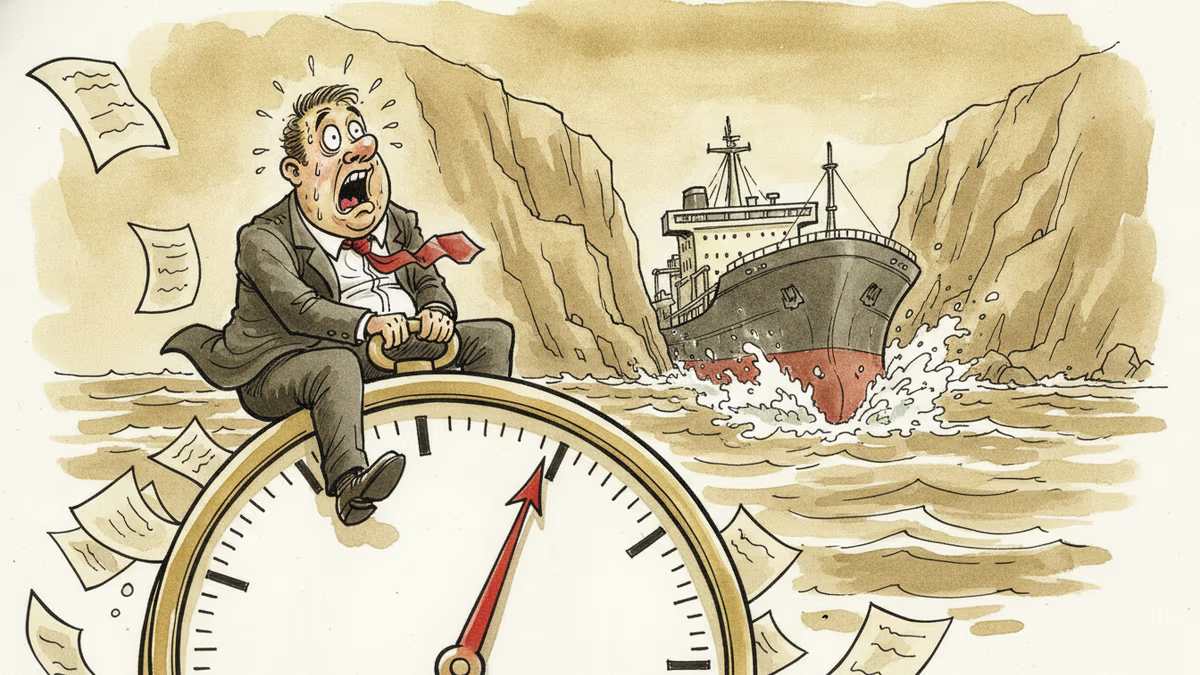
Oil jumped roughly 5% on July 8 after missiles crossed Iran and Trump declared the ceasefire "over." Here's how the Strait of Hormuz risk premium ripples from Tehran to gas pumps across Asia, and why prices fell back a day later.
Across Protocol proposed dissolving its DAO and converting to a U.S. C-corp, offering token holders equity or a 25% cash premium. ACX surged 80%. Is this the beginning of DeFi's corporate turn?
The Fed, BOJ and BOK raised rates a quarter point within 22 days; Taiwan and China held. What each said, plus the impact on Korean borrowers and the won.
The Bank of Korea lifted its benchmark rate a quarter-point to 2.75%, its first increase in three and a half years. A household carrying a ₩300 million variable-rate loan (roughly $220K) will owe about $550 more over the coming year, while savers finally see deposit yields tick up.
Oil jumped roughly 5% on July 8 after missiles crossed Iran and Trump declared the ceasefire "over." Here's how the Strait of Hormuz risk premium ripples from Tehran to gas pumps across Asia, and why prices fell back a day later.
Thoughts
Share your thoughts on this article
Sign in to join the conversation