

YouTubers Wage Data War Against Big Tech's AI Ambitions
Creators with 6.2M subscribers add Snap to their growing list of AI lawsuits. The battle over who owns the training data that powers AI is intensifying across Silicon Valley.
YouTubers with 6.2 million collective subscribers just added Snapchat to their hit list. After filing similar lawsuits against Nvidia, Meta, and ByteDance, these content creators are now targeting Snap for allegedly scraping their videos to train AI systems without permission.
This isn't just another copyright dispute—it's becoming a defining battle over who controls the data that powers the AI revolution.
The HD-VILA-100M Problem
Filed Friday in California's Central District Court, the lawsuit specifically calls out Snap's use of HD-VILA-100M, a large-scale video-language dataset originally designed for academic research only. The creators claim Snap circumvented this restriction to power commercial features like "Imagine Lens," which lets users edit images with text prompts.
The case is led by the creators behind the 5.52 million-subscriber h3h3 channel, along with smaller golf channels MrShortGame Golf and Golfoholics. They argue that Snap violated YouTube's terms of service, licensing limitations, and technological restrictions to harvest their content.
The plaintiffs are seeking statutory damages and a permanent injunction to stop what they call ongoing copyright infringement. But the implications stretch far beyond one company's AI features.
The Copyright Battlefield Expands
This lawsuit joins a growing army of legal challenges against AI companies. According to the Copyright Alliance, over 70 copyright infringement cases have been filed against AI firms. Publishers, authors, newspapers, artists, and now YouTubers are all demanding answers to the same question: Who gets paid when creative work becomes AI training data?

The results so far have been mixed. Some judges have ruled in favor of tech giants like Meta. Others, like Anthropic, have chosen to settle and pay out plaintiffs rather than fight in court. Most cases remain in active litigation, creating a patchwork of precedents that leaves both creators and AI companies uncertain about the rules.
Why This Matters Beyond YouTube
The stakes here extend far beyond individual creators' bank accounts. These lawsuits are essentially asking courts to define the economic relationship between human creativity and artificial intelligence. If creators win broad victories, AI companies might need to license content or pay royalties—potentially slowing innovation but ensuring creators get compensated.
If tech companies prevail, it could establish that publicly available content is fair game for AI training, accelerating development but potentially leaving creators with little recourse.
The timing is crucial. As AI capabilities explode and more companies rush to build competitive models, the pressure to acquire training data has never been higher. Content creators, meanwhile, are watching their work potentially fuel billion-dollar AI systems while seeing no direct benefit.
The Global Ripple Effect
This battle isn't confined to Silicon Valley courtrooms. Similar tensions are emerging worldwide as governments grapple with AI regulation. The EU's AI Act, the UK's approach to copyright exceptions, and various national policies will all be influenced by how these U.S. cases play out.
For creators everywhere, the precedent matters enormously. If American courts establish strong protections for content creators, it could embolden similar legal challenges globally. If they don't, creators might find themselves with limited leverage against AI companies hungry for training data.
Authors
Related Articles
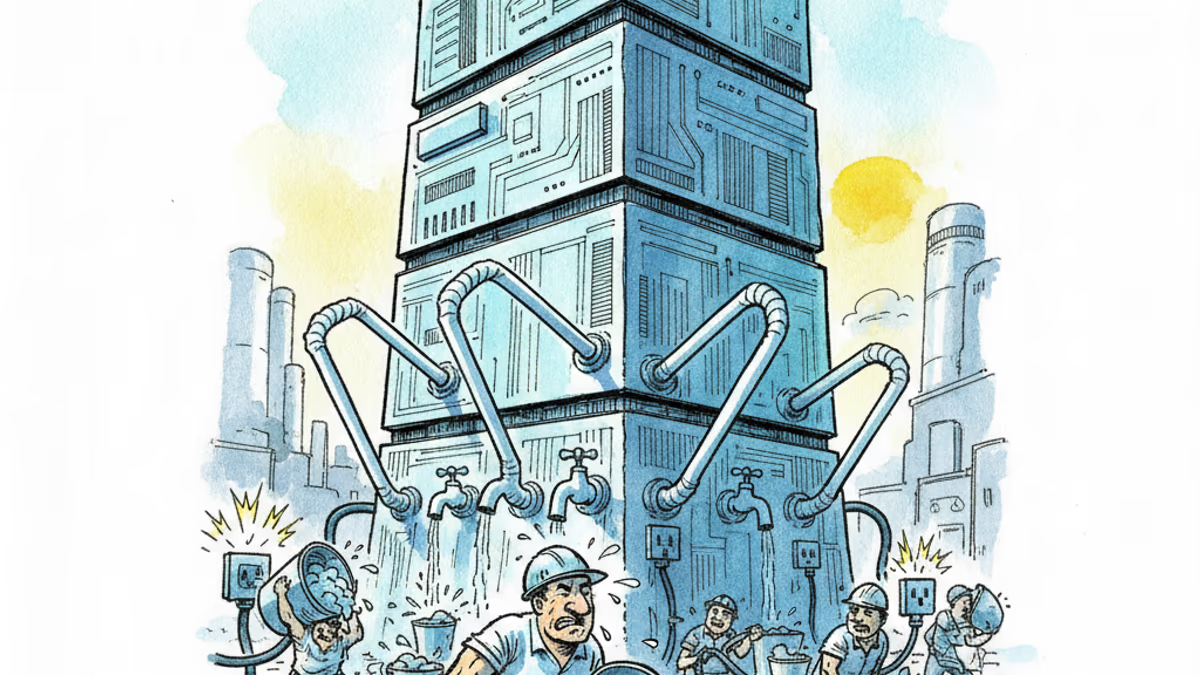
Samsung and SK unveiled a chip and AI investment package worth thousands of trillions of won on June 29. The headline number swings wildly by outlet, but the real contest isn't capital — it's water and power.

Viral videos show 2026 graduates jeering executives who praise AI at commencement ceremonies. It's not just rudeness — it's a signal about who pays for technological optimism.
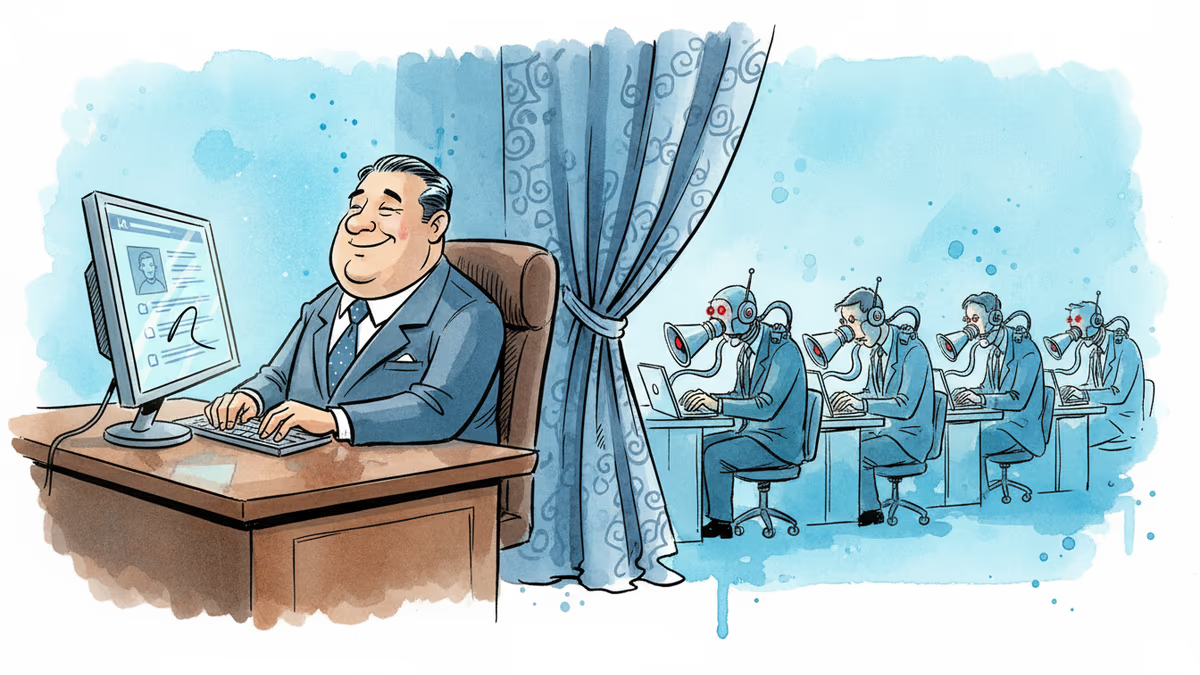
Filipino virtual assistants using AI to ghost-manage LinkedIn profiles for executives is now a structured industry. 30 comments a day, fake engagement rings, and a platform struggling to tell real from fabricated.
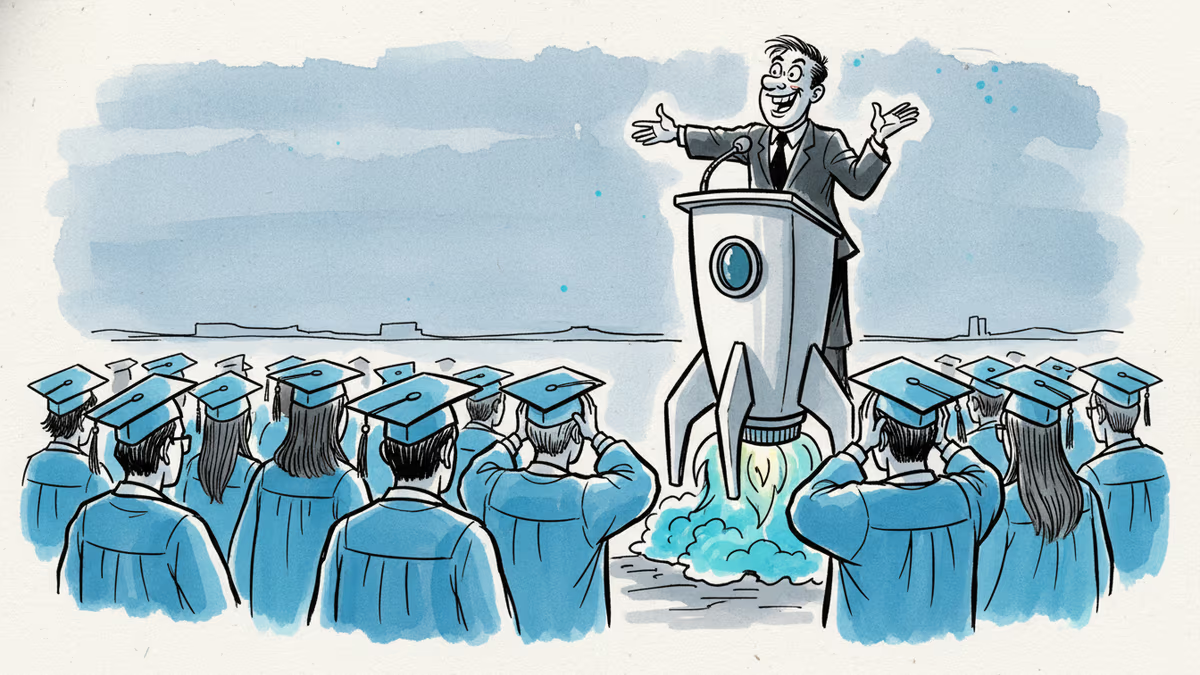
Two commencement speakers learned the hard way that AI enthusiasm doesn't land well with today's graduates. The backlash reveals a widening gap between tech optimism and Gen Z's economic reality.
Samsung and SK unveiled a chip and AI investment package worth thousands of trillions of won on June 29. The headline number swings wildly by outlet, but the real contest isn't capital — it's water and power.
Viral videos show 2026 graduates jeering executives who praise AI at commencement ceremonies. It's not just rudeness — it's a signal about who pays for technological optimism.
Filipino virtual assistants using AI to ghost-manage LinkedIn profiles for executives is now a structured industry. 30 comments a day, fake engagement rings, and a platform struggling to tell real from fabricated.
Two commencement speakers learned the hard way that AI enthusiasm doesn't land well with today's graduates. The backlash reveals a widening gap between tech optimism and Gen Z's economic reality.
Thoughts
Share your thoughts on this article
Sign in to join the conversation