
xAI Co-founder's Sudden Exit Raises Questions About 'Small Teams
xAI co-founder Tony Wu abruptly resigned, citing the power of small AI teams. His departure adds to a string of senior executive exits from Elon Musk's AI company.
A late Monday night announcement sent ripples through the AI industry. Tony Wu, co-founder of xAI, abruptly resigned from Elon Musk's AI company, marking the latest in a series of high-profile departures from the Grok-maker.
The 'Small Team' Philosophy
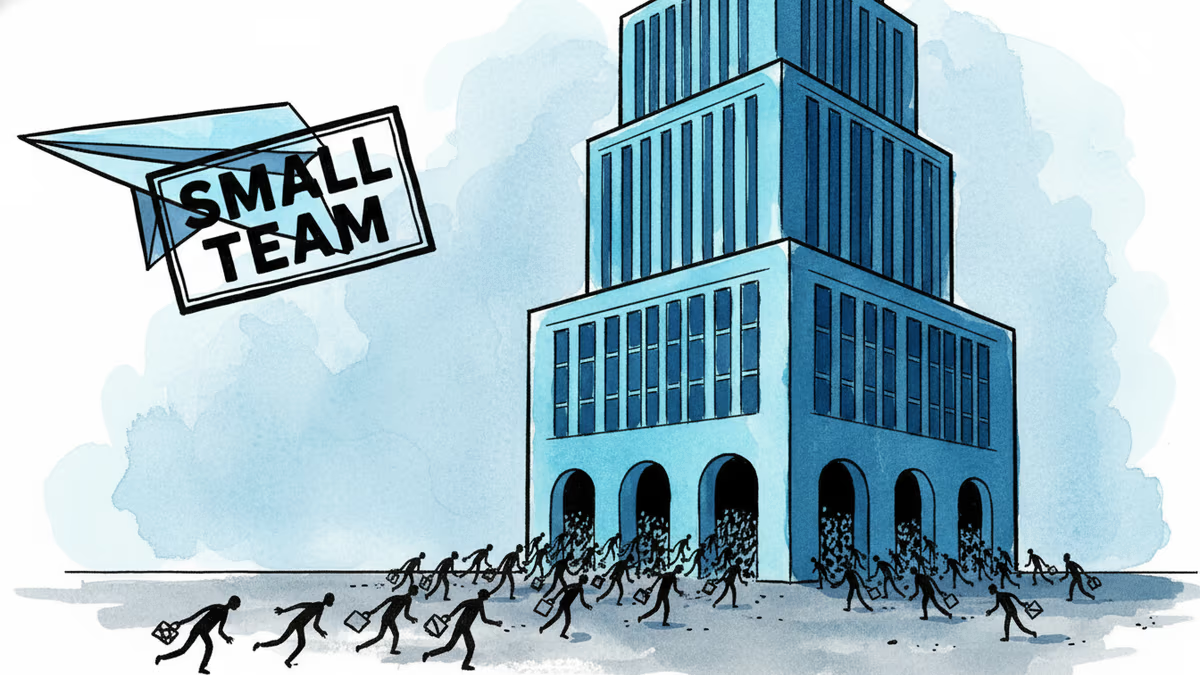
Wu's farewell message carried a telling phrase. He described the current era as one where "a small team armed with AIs can move mountains and redefine what's possible." The emphasis on "small team" feels deliberate – and potentially revealing about his reasons for leaving.
Consider the contrast: xAI reportedly employed 1,200 people as of March 2025. This workforce included AI engineers alongside those focused on the X social network. Most striking was the 900 employees serving solely as "AI tutors," though roughly 500 were laid off last September.
The Lean vs. Large Debate
Wu's departure highlights a fundamental tension in AI development. Should breakthrough AI be built by massive teams with enormous resources, or by lean, focused groups?
Silicon Valley's hottest AI startups often boast teams of 10-50 people. Meanwhile, giants like OpenAI and Google DeepMind deploy thousands of engineers. xAI sits uncomfortably in the middle – too large to be nimble, perhaps too small to compete with tech titans.

The 500-person layoff of AI tutors suggests internal recognition of this problem. But was it too little, too late?
Exodus or Evolution?
Wu isn't the first senior executive to leave xAI recently. The string of departures raises questions about internal dynamics and strategic direction. In the high-stakes AI race, losing founding talent can signal deeper organizational issues.
For investors and industry observers, the pattern matters. AI companies live or die by their ability to attract and retain top talent. When co-founders start talking about the power of "small teams" while working at increasingly large organizations, it often foreshadows broader changes.
The Musk Factor
Working for Musk brings unique challenges. His demanding leadership style and rapid strategic pivots can energize some while exhausting others. Former Tesla and SpaceX executives have described similar tensions between Musk's vision and operational reality.
Wu's warm words about his xAI experience suggest no bitter feelings. But his timing – and his pointed reference to small teams – hints at philosophical differences about how AI breakthroughs happen.
Authors
Related Articles
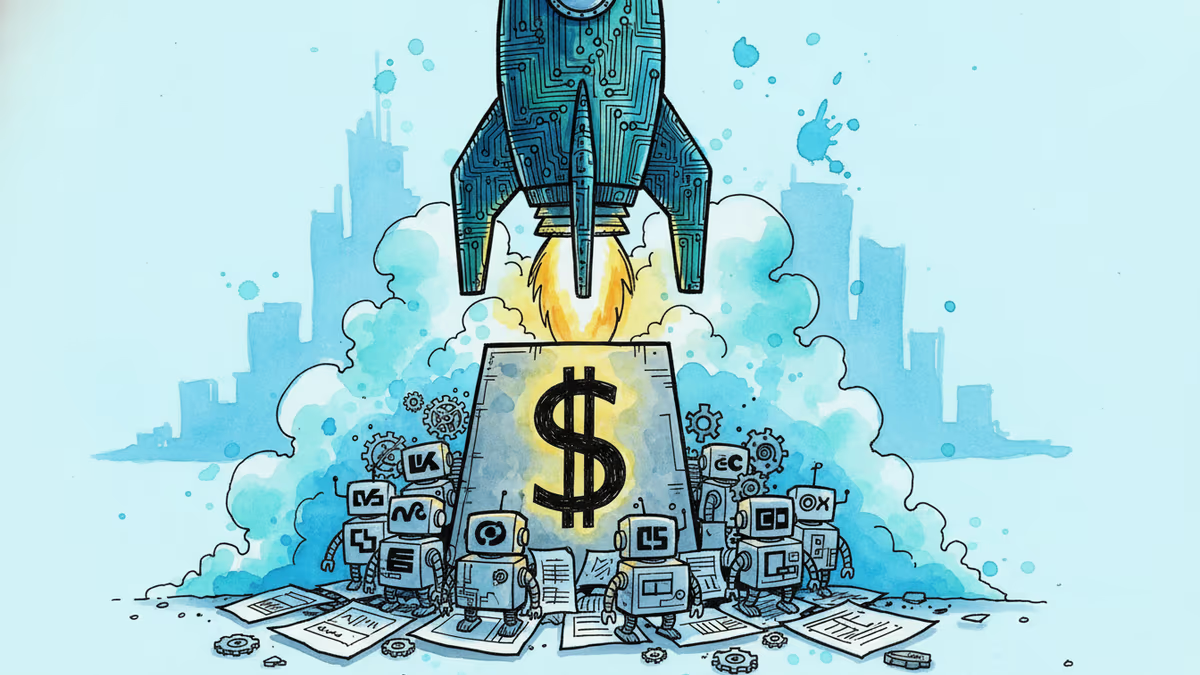
SpaceX's IPO filing puts AI at the center, claiming a $26.5 trillion market opportunity. But can Grok compete with OpenAI and Anthropic for enterprise customers?
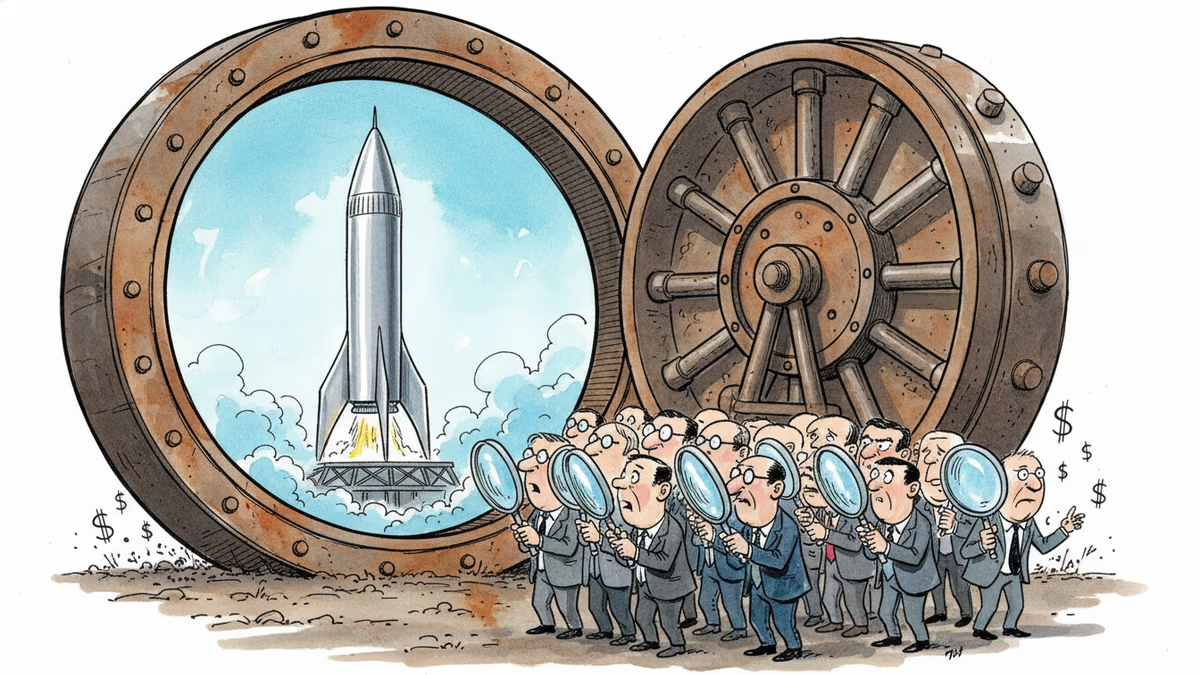
SpaceX filed a nearly 400-page S-1 with the SEC, targeting an IPO as early as June 12. Here's what the filing reveals—and what it doesn't.
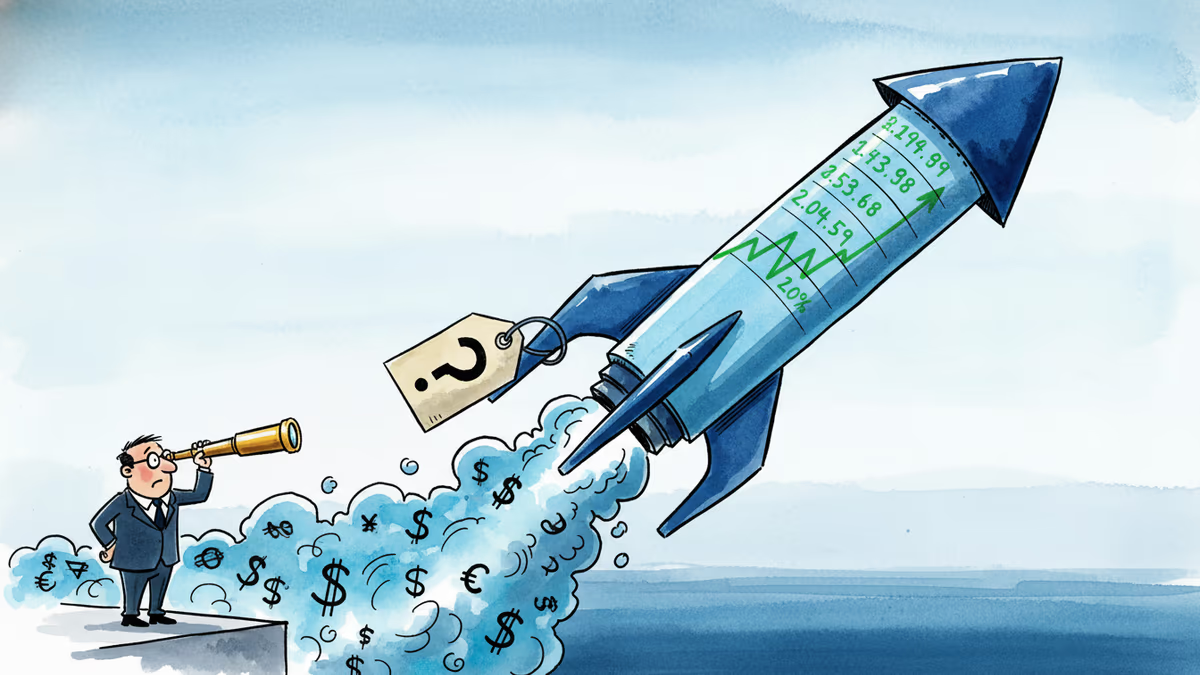
SpaceX has filed its S-1 with the SEC, targeting the Nasdaq under ticker SPCX. With $18.67B in revenue but a $4.9B loss, the IPO forces investors to answer one hard question.
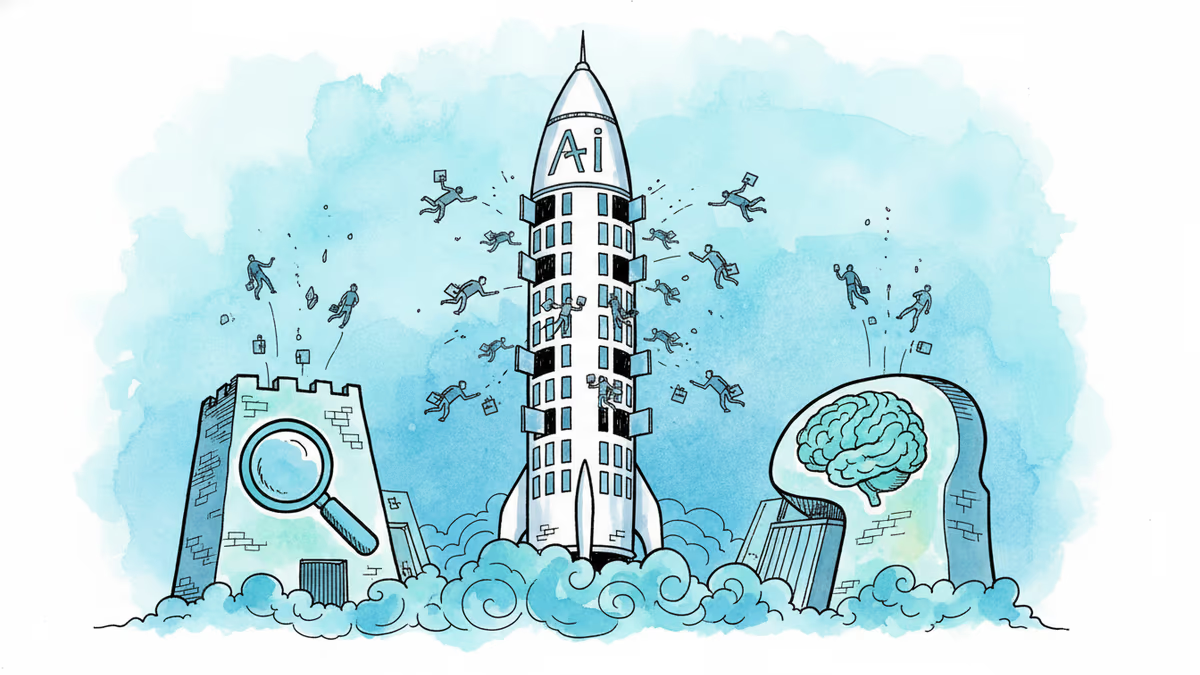
Over 50 researchers and engineers have left SpaceXAI since February's merger. With the pre-training team nearly gutted, questions mount about whether Musk's AI ambitions can survive his management style.
SpaceX's IPO filing puts AI at the center, claiming a $26.5 trillion market opportunity. But can Grok compete with OpenAI and Anthropic for enterprise customers?
SpaceX filed a nearly 400-page S-1 with the SEC, targeting an IPO as early as June 12. Here's what the filing reveals—and what it doesn't.
SpaceX has filed its S-1 with the SEC, targeting the Nasdaq under ticker SPCX. With $18.67B in revenue but a $4.9B loss, the IPO forces investors to answer one hard question.
Over 50 researchers and engineers have left SpaceXAI since February's merger. With the pre-training team nearly gutted, questions mount about whether Musk's AI ambitions can survive his management style.
Thoughts
Share your thoughts on this article
Sign in to join the conversation