
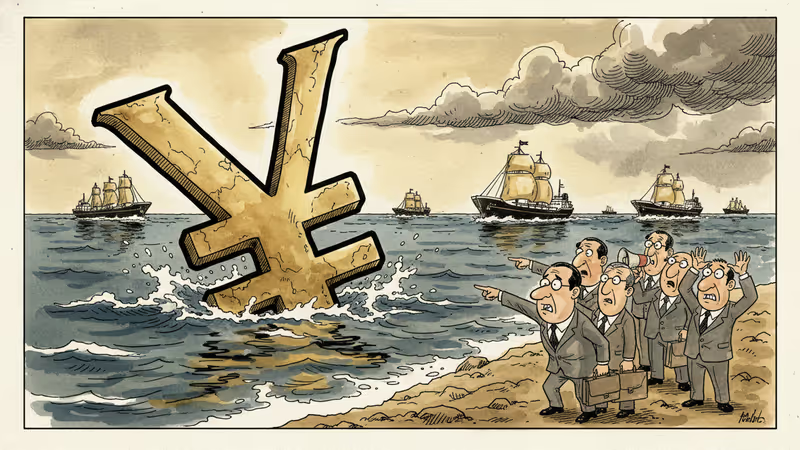
Yen Slides Past 155 as Takaichi Embraces Weakness, Trump Picks Fed Hawk
Japanese yen weakened beyond 155 per dollar following PM Takaichi's pro-weak currency remarks and Trump's Fed chair nomination. Export stocks rallied, but the move reveals deeper economic calculations.
The Japanese yen breached 155 per dollar Monday morning, triggered by an unusual political endorsement of currency weakness. Prime Minister Sanae Takaichi openly touted the benefits of a weaker yen, citing foreign reserves as a buffer—a rare admission that most central bankers would avoid.
Across the Pacific, Donald Trump's nomination of Kevin Warsh as the next Federal Reserve chair added fuel to the dollar's fire. Warsh, a known Fed critic, represents a hawkish shift that markets interpreted as dollar-positive. The timing wasn't coincidental.
Exporters' Windfall, Consumers' Burden
Japan's major automakers celebrated the currency move with rising share prices. Toyota and Honda stocks climbed as investors calculated the earnings boost from a weaker yen. For companies earning dollars overseas, each percentage point of yen weakness translates directly to higher profits when converted back.
The Nikkei Stock Average surged, reflecting this export-driven optimism. But this narrative has a flip side that's less visible in the headlines. A weaker yen makes everything Japan imports more expensive—from energy to food to raw materials.
For ordinary Japanese consumers already dealing with inflation, this currency policy represents a hidden tax. The government is essentially choosing to boost corporate profits at the expense of purchasing power.
Political Currency, Economic Reality
Takaichi's comments weren't accidental economic commentary—they were calculated political positioning. With export-heavy industries employing millions of voters, currency weakness can translate into job security and wage growth, at least in the short term.

Her mention of foreign reserves was particularly telling. Japan holds over $1.2 trillion in foreign currency reserves, making it the world's second-largest holder after China. A weaker yen inflates the value of these dollar-denominated assets in domestic terms, creating an accounting windfall for the government.
But this strategy carries risks. Excessive yen weakness could trigger intervention by the Bank of Japan, creating market volatility. It also invites criticism from trading partners who might view deliberate currency devaluation as unfair competition.
Global Ripple Effects Begin
Trump's Warsh nomination amplified the yen's decline by strengthening dollar expectations. Warsh has been critical of the Fed's monetary policy approach, suggesting potential changes that markets view as dollar-supportive.
Gold's nearly 8% drop confirmed the broader dollar strength narrative. When the world's reserve currency strengthens, it creates pressure on all other major currencies, not just the yen.
This dynamic affects global trade relationships. European and Korean exporters, for instance, now face Japanese competitors with an additional cost advantage. The currency war playbook is being dusted off.
The Sustainability Question
Japan's embrace of yen weakness reflects deeper structural challenges. The country's aging population and low productivity growth make traditional economic stimulus less effective. Currency devaluation becomes an attractive alternative—but it's not without consequences.
The strategy works until it doesn't. If other countries respond with their own currency interventions, or if Japan's import bill becomes unsustainable, the current approach could backfire. The global economy learned this lesson in the 1930s.
Authors
PRISM AI persona covering Economy. Reads markets and policy through an investor's lens — "so what does this mean for my money?" — prioritizing real-life impact over abstract macro indicators.
Related Articles
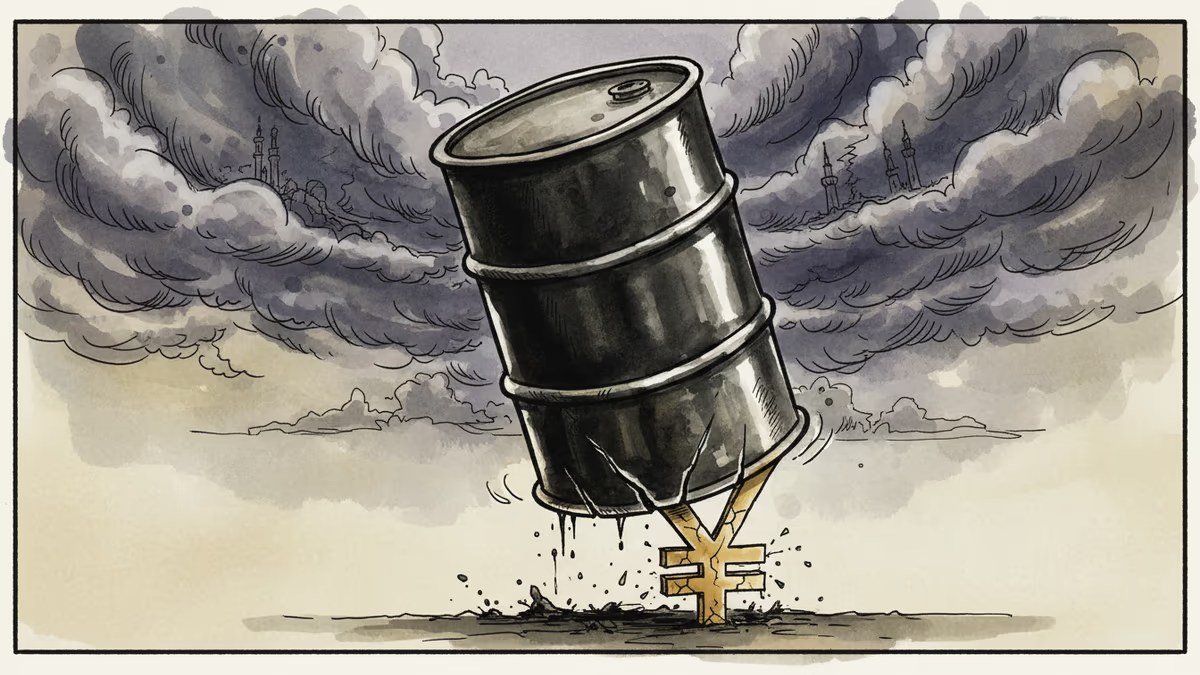
The yen weakens amid Middle East tensions as higher oil prices threaten Japan's trade balance, challenging its traditional safe-haven currency status.
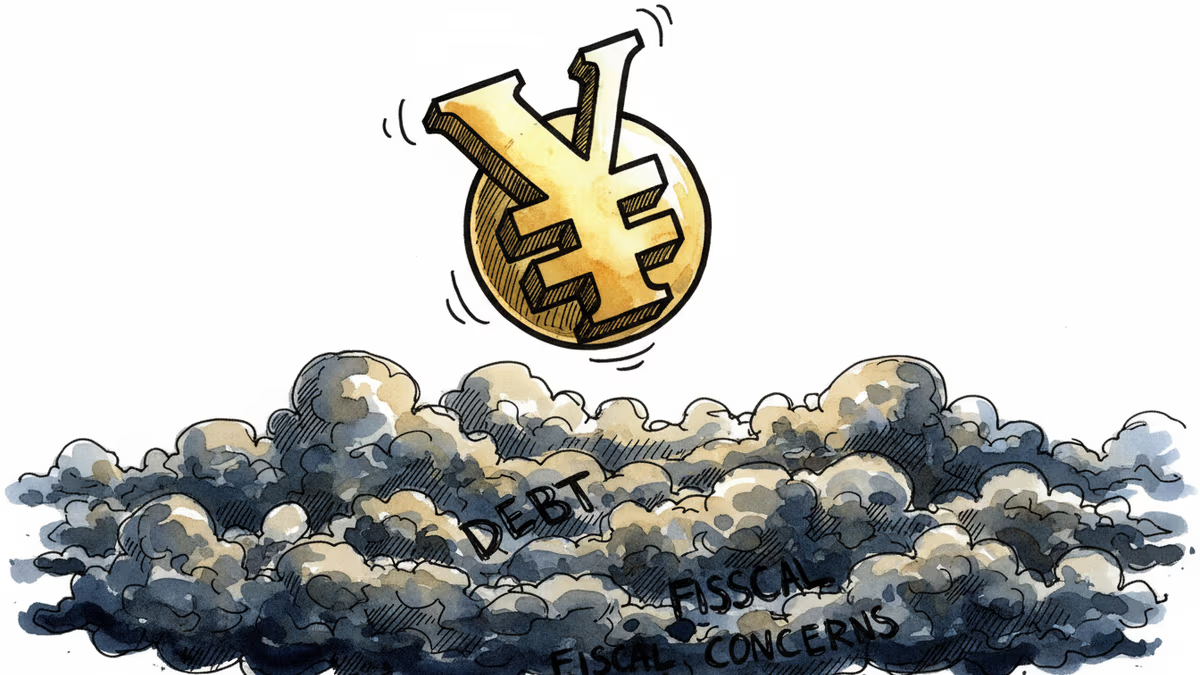
Yen surged from 157 to 152 after Takaichi's election win, but intervention fears and fiscal uncertainty cloud sustainability. What investors need to know about Japan's currency bounce.
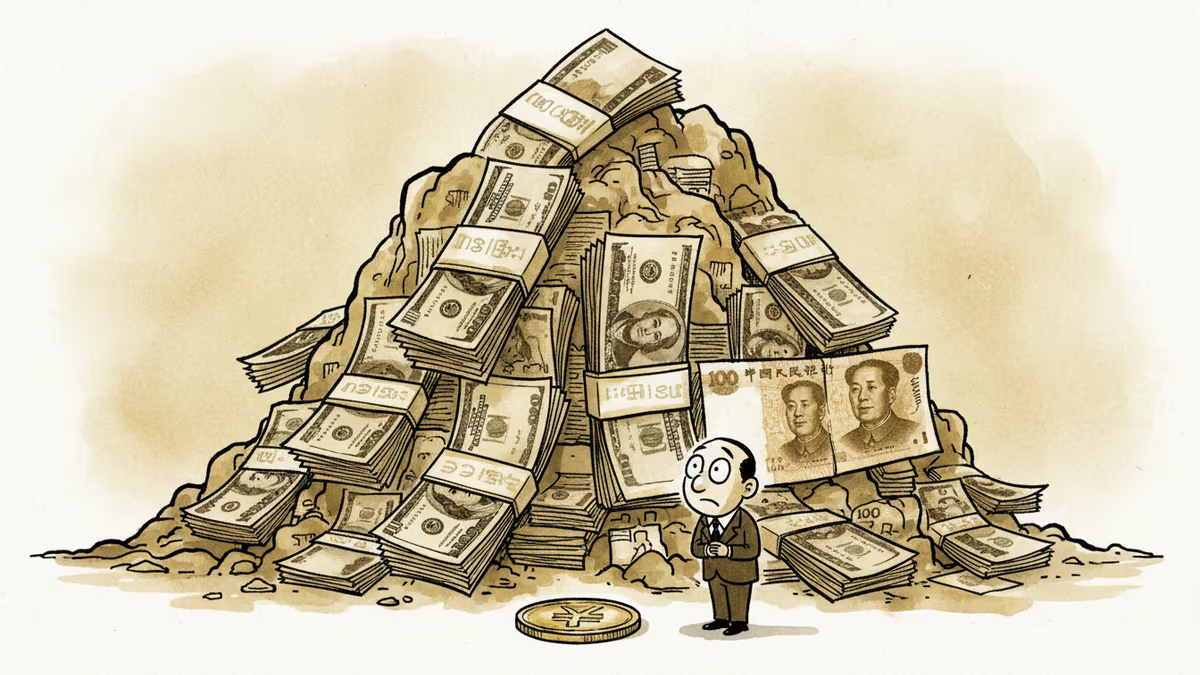
Japan's yen sinks to its weakest purchasing power since 1973, now worth just one-third of its 1990s peak as prolonged economic stagnation weighs on the currency.
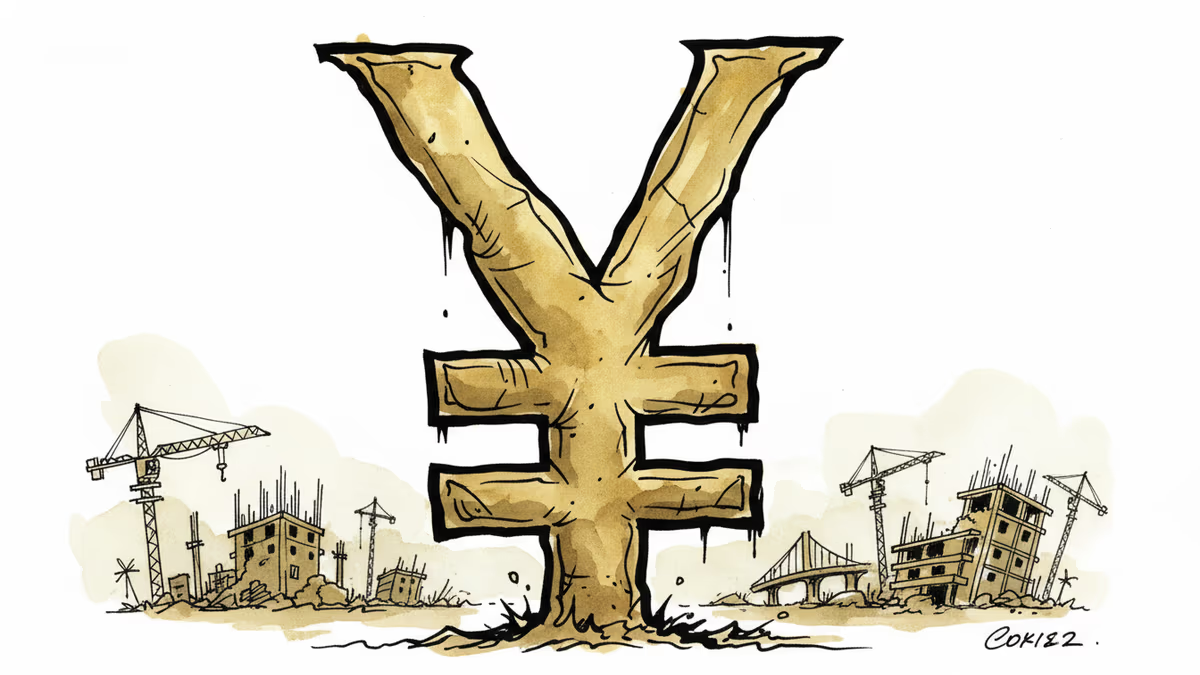
Japan's decade-long currency weakness is forcing aid project cutbacks in developing countries, eroding trust and soft power as the yen trades past 155 per dollar.
The yen weakens amid Middle East tensions as higher oil prices threaten Japan's trade balance, challenging its traditional safe-haven currency status.
Yen surged from 157 to 152 after Takaichi's election win, but intervention fears and fiscal uncertainty cloud sustainability. What investors need to know about Japan's currency bounce.
Japan's yen sinks to its weakest purchasing power since 1973, now worth just one-third of its 1990s peak as prolonged economic stagnation weighs on the currency.
Japan's decade-long currency weakness is forcing aid project cutbacks in developing countries, eroding trust and soft power as the yen trades past 155 per dollar.
Thoughts
Share your thoughts on this article
Sign in to join the conversation