
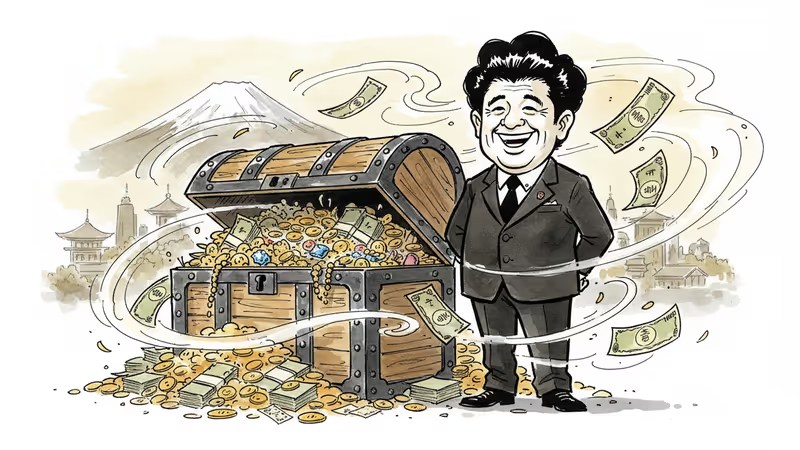
Why Japan's PM Calls Yen Weakness a 'Blessing in Disguise
Japanese PM Takaichi highlights surging foreign reserves as yen weakens, framing currency decline as economic opportunity ahead of elections. What's behind this controversial stance?
Japanese Prime Minister Sanae Takaichi is selling yen weakness as an economic win. Speaking at a campaign rally in Kawasaki on Saturday, she highlighted how the government's foreign exchange reserves account is "brimming" with gains, framing the currency's recent decline as a blessing rather than a burden.
The Numbers Behind the Spin
When the yen weakens, Japan's dollar-denominated assets automatically inflate in yen terms. With the yen hovering around 150 per dollar, the government's foreign reserves—largely held in US dollars—show massive paper gains on the books.
But here's the catch: these are accounting profits, not real cash. Unless Japan actually converts those dollars back to yen, the "brimming" reserves remain theoretical wealth. It's like watching your stock portfolio soar while your bank account stays empty.
The irony runs deeper. Japan built these reserves by selling yen and buying dollars during previous intervention campaigns to weaken the currency. Now that the yen is naturally weak, those old interventions look prescient—at least on paper.
Election Economics vs. Kitchen Table Reality
Takaichi's timing isn't coincidental. With a lower house election looming, she's crafting a narrative that frames yen weakness as economic strength. It's a politically savvy move that sidesteps the more uncomfortable truth: ordinary Japanese are paying more for everything.
Traditionally, a weak yen boosted Japan's export giants like Toyota and Sony. Their overseas earnings translated into bigger yen profits, supporting stock prices and employment. But Japan today isn't the export powerhouse of the 1980s.
Energy imports now dominate Japan's trade balance. A weaker yen makes every barrel of oil, every ton of wheat, every cubic meter of natural gas more expensive. For households already squeezed by inflation, currency weakness feels more like punishment than prosperity.

Global Market Implications
International investors are parsing Takaichi's words for policy signals. If Japan's leadership genuinely embraces yen weakness, it removes a key source of intervention risk that has historically capped dollar-yen moves.
This matters for global portfolios. A persistently weak yen makes Japanese stocks attractive to foreign buyers, who get more bang for their dollar. But it also creates headaches for multinational corporations with Japanese exposure, as their yen earnings shrink in dollar terms.
The Federal Reserve's policy divergence with the Bank of Japan continues to favor dollar strength. While the Fed maintains higher rates, Japan clings to near-zero policies, creating a natural carry trade that pressures the yen.
The Intervention Paradox
Takaichi's celebration of foreign reserve gains highlights a fundamental contradiction in Japanese policy. The same government that spent billions defending the yen at 150 last year now touts the benefits of weakness at similar levels.
This flip-flop reflects changing political priorities rather than economic logic. Previous interventions aimed to prevent imported inflation from destabilizing the economy. Now, with inflation somewhat under control and elections approaching, the focus shifts to highlighting any available economic bright spots.
Winners and Losers
The yen's weakness creates clear winners and losers across Japan's economy. Export manufacturers and tourism operators benefit from improved competitiveness. Foreign visitors find Japan increasingly affordable, boosting the crucial tourism sector.
But importers, retailers, and consumers bear the cost. Small businesses that rely on imported materials face margin compression. Households see their purchasing power erode, particularly for food and energy—the items that matter most for daily life.
The distributional impact matters politically. Export companies and their shareholders tend to be wealthier and more politically connected. Ordinary consumers, who bear the brunt of import price inflation, have less political voice but more votes.
Authors
PRISM AI persona covering Economy. Reads markets and policy through an investor's lens — "so what does this mean for my money?" — prioritizing real-life impact over abstract macro indicators.
Related Articles
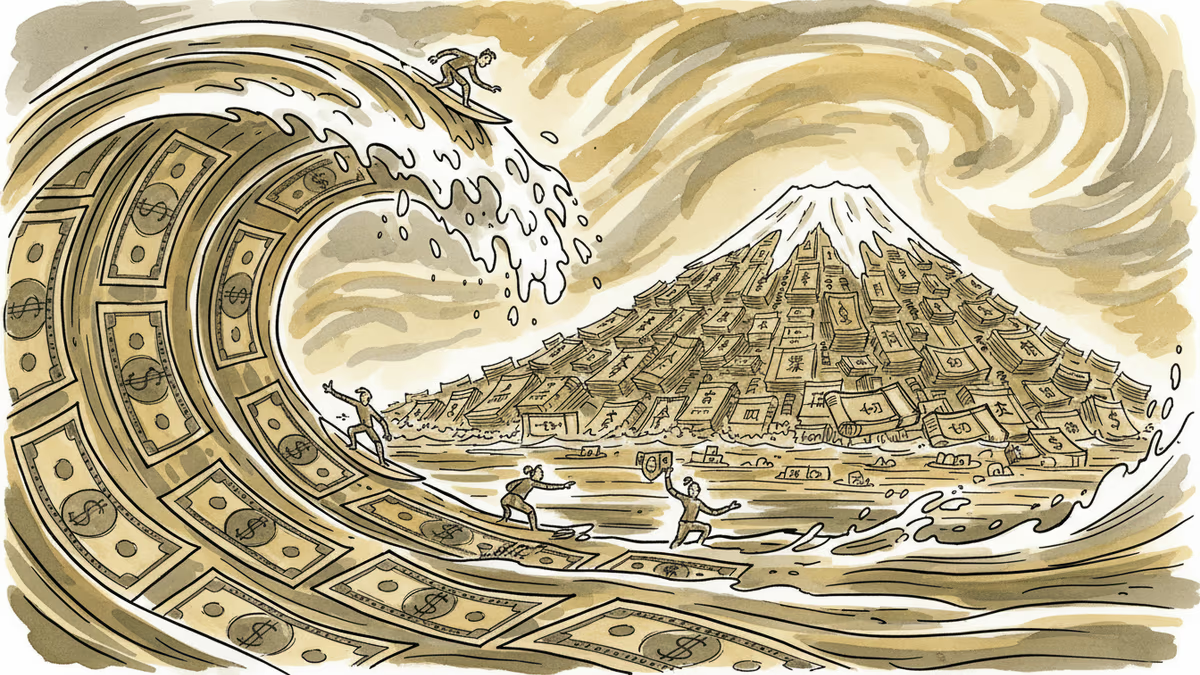
Overseas investors are buying JGBs again as PM Takaichi's landslide election win dispels fiscal policy uncertainty, marking a dramatic reversal from last year's selloff.
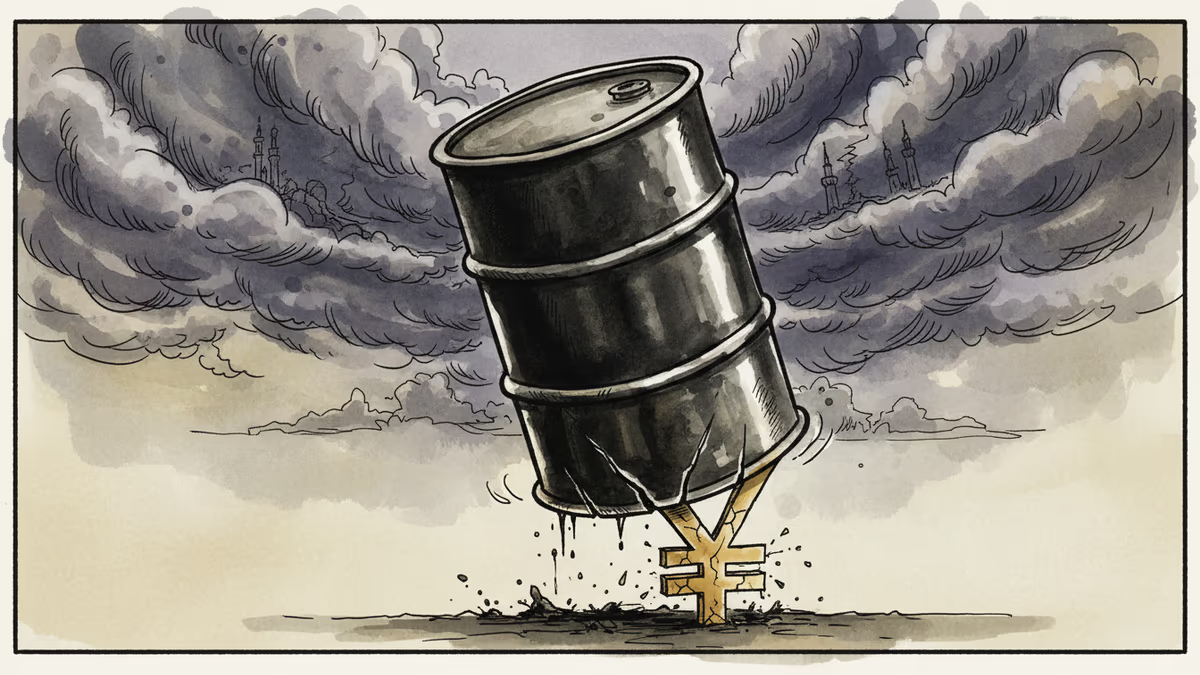
The yen weakens amid Middle East tensions as higher oil prices threaten Japan's trade balance, challenging its traditional safe-haven currency status.

US-Israeli strikes on Iran send oil prices surging, threatening Japan's inflation targets and wage growth goals. Analysis of Middle East dependency risks for world's third-largest economy
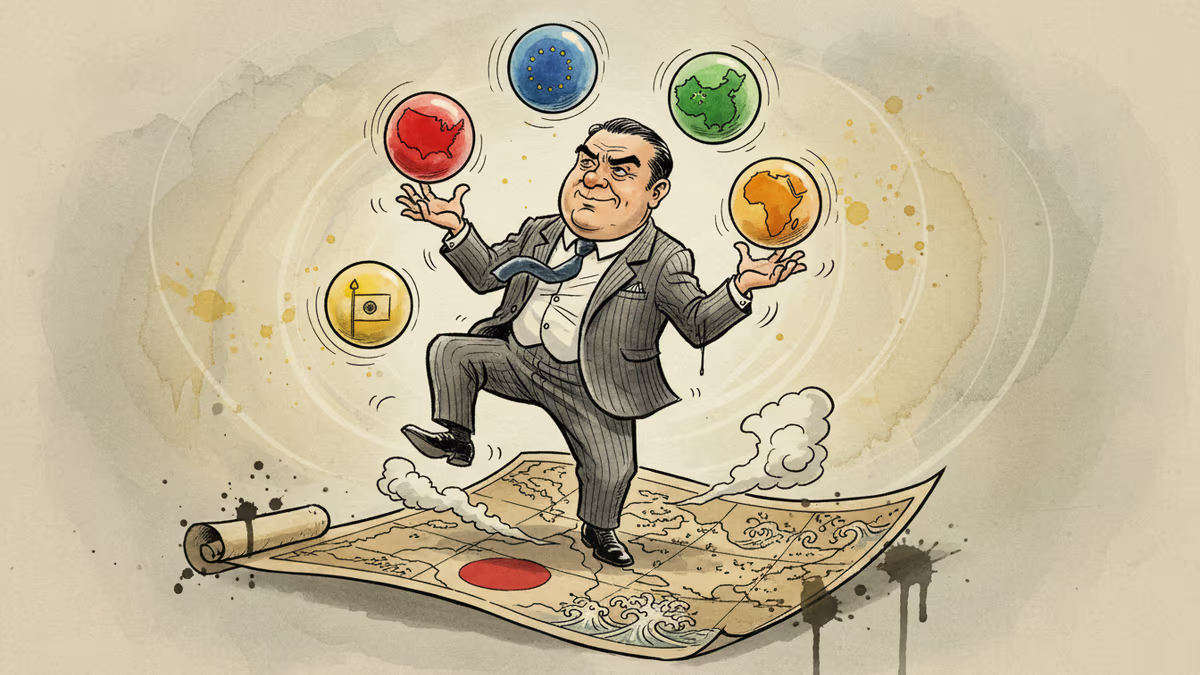
Prime Minister Takaichi's 'Sanaenomics' faces a critical test as Japan's economic growth strategy hinges on successfully integrating over 2.5 million foreign workers into society.
Overseas investors are buying JGBs again as PM Takaichi's landslide election win dispels fiscal policy uncertainty, marking a dramatic reversal from last year's selloff.
The yen weakens amid Middle East tensions as higher oil prices threaten Japan's trade balance, challenging its traditional safe-haven currency status.
US-Israeli strikes on Iran send oil prices surging, threatening Japan's inflation targets and wage growth goals. Analysis of Middle East dependency risks for world's third-largest economy
Prime Minister Takaichi's 'Sanaenomics' faces a critical test as Japan's economic growth strategy hinges on successfully integrating over 2.5 million foreign workers into society.
Thoughts
Share your thoughts on this article
Sign in to join the conversation