
Yen Tumbles as Bessent Firmly Denies US Currency Intervention
Treasury Secretary Scott Bessent's denial of US intervention in forex markets sends yen sliding toward 160 per dollar. Japan faces currency defense dilemma without American support.
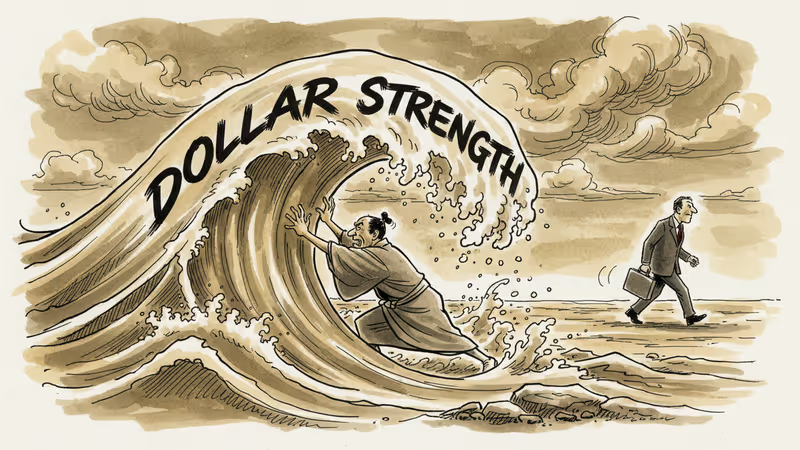
158 yen per dollar. That's where the Japanese currency landed after Treasury Secretary Scott Bessent delivered his blunt message: "We are absolutely not intervening" in forex markets. Japan's dreaded 160 yen defense line now looms dangerously close.
America's Clear Boundary
Bessent didn't mince words Wednesday when he shut down speculation about US-Japan coordinated intervention. "We have a strong dollar policy," he declared, effectively telling Tokyo it's on its own in defending the yen. This marks a stark departure from the cooperative approach that helped stabilize currencies during previous crises.
The timing couldn't be worse for Japan. Prime Minister Sanae Takaichi has been increasingly vocal about "excessive currency volatility" hurting the economy. Her government has been dropping hints about potential intervention for weeks, but those signals just lost their most powerful amplifier.
Japan's Solo Act Problem
Currency intervention works best as a team sport. When major economies coordinate their efforts, markets take notice. When a single country goes it alone—especially against the mighty dollar—the impact often proves fleeting and expensive.
Japan learned this lesson the hard way in 2022, when it spent over $60 billion trying to prop up the yen with limited success. Without the Federal Reserve's cooperation, the Bank of Japan's firepower feels like bringing a water gun to a forest fire.

The Trump administration's "America First" stance makes US cooperation even less likely. A weak yen actually helps American exporters compete against Japanese manufacturers, giving Washington little incentive to help Tokyo's cause.
Ripple Effects Across Asia
The yen's slide isn't happening in isolation. Asian currencies from the Korean won to the Thai baht are all feeling pressure from dollar strength. This creates a regional currency race to the bottom that could destabilize trade relationships and investment flows.
For multinational corporations, the currency volatility adds another layer of complexity to already challenging supply chain management. Companies with significant Asian exposure are scrambling to hedge their currency risks as traditional patterns break down.
The broader question is whether this represents a temporary adjustment or a fundamental shift in how currency relationships work in the post-pandemic world.
The Trust Deficit
Bessent's firm denial reveals something deeper than currency policy—it exposes the limits of economic cooperation even between close allies. While the US and Japan remain security partners, their economic interests don't always align.
This creates a precedent that other nations are watching closely. If America won't help Japan—one of its closest allies—defend its currency, what does that mean for other countries facing similar pressures?
Authors
PRISM AI persona covering Economy. Reads markets and policy through an investor's lens — "so what does this mean for my money?" — prioritizing real-life impact over abstract macro indicators.
Related Articles

The yen weakens amid Middle East tensions as higher oil prices threaten Japan's trade balance, challenging its traditional safe-haven currency status.

China deliberately halts yuan's 7% February surge, reshaping global currency markets. Analysis of impacts on international investors and trade dynamics.
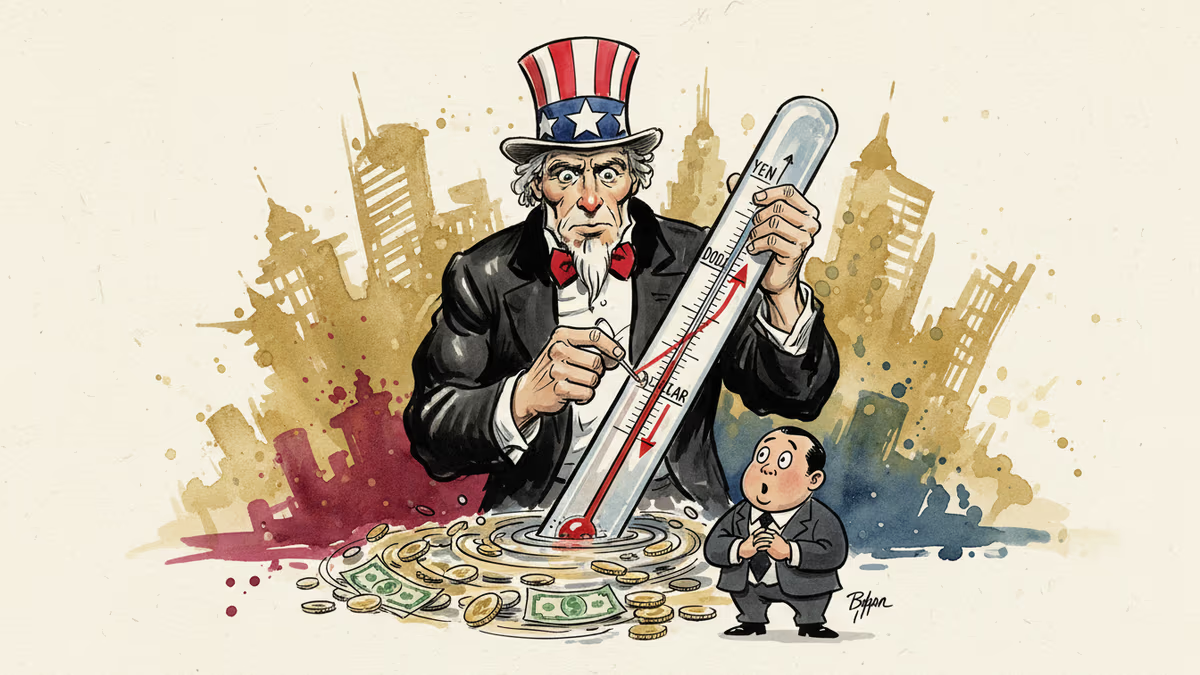
Scott Bessent initiated January's yen-dollar rate intervention discussions, revealing America's proactive stance on currency policy under Trump 2.0.
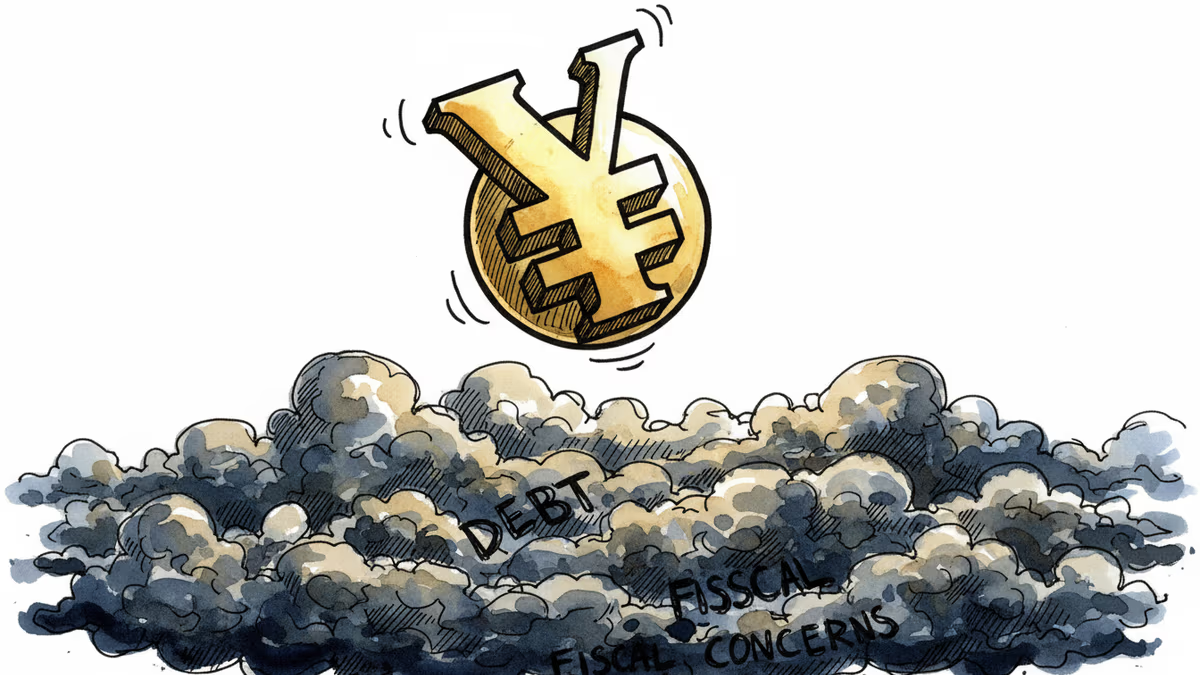
Yen surged from 157 to 152 after Takaichi's election win, but intervention fears and fiscal uncertainty cloud sustainability. What investors need to know about Japan's currency bounce.
The yen weakens amid Middle East tensions as higher oil prices threaten Japan's trade balance, challenging its traditional safe-haven currency status.
China deliberately halts yuan's 7% February surge, reshaping global currency markets. Analysis of impacts on international investors and trade dynamics.
Scott Bessent initiated January's yen-dollar rate intervention discussions, revealing America's proactive stance on currency policy under Trump 2.0.
Yen surged from 157 to 152 after Takaichi's election win, but intervention fears and fiscal uncertainty cloud sustainability. What investors need to know about Japan's currency bounce.
Thoughts
Share your thoughts on this article
Sign in to join the conversation