
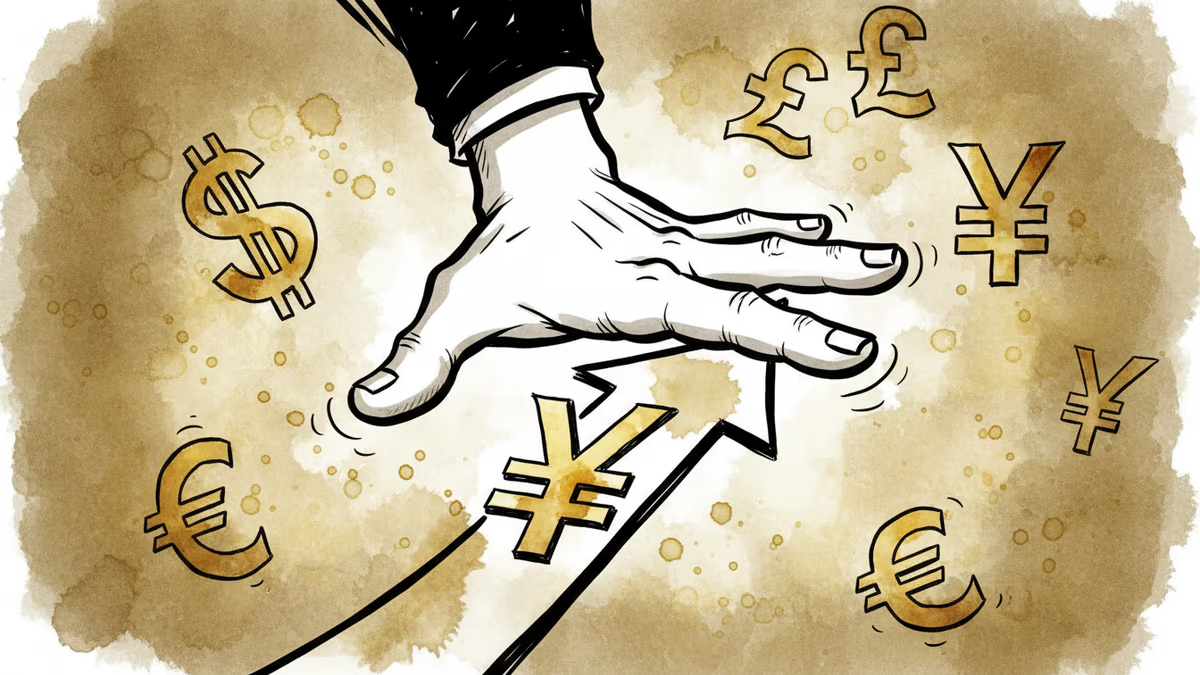
China Hits the Brakes on Yuan Rally - What It Means for Your Portfolio
China deliberately halts yuan's 7% February surge, reshaping global currency markets. Analysis of impacts on international investors and trade dynamics.
China just slammed the brakes on the yuan's rally. After surging nearly 7% in February, the currency hit an invisible ceiling this week as Beijing intervened to halt further gains. The move sent ripples across global currency markets and revealed China's economic priorities.
The Calculated Intervention
The People's Bank of China set the daily yuan reference rate weaker than market expectations, effectively capping the currency near 6.7 per dollar. While officials cited "market stability," the real motive was protecting export competitiveness.
Chinese manufacturers, who account for 40% of the country's exports, were feeling the pinch. Tesla's Shanghai factory and Apple's supply chain partners saw their cost advantages eroding as the yuan strengthened. Beijing wasn't about to let that slide.
Winners and Losers Emerge
China's intervention created clear beneficiaries. Chinese exporters like BYD and battery maker CATL can now maintain their pricing edge in global markets. The electric vehicle sector, in particular, breathed a sigh of relief as competition with Tesla and European automakers intensifies.
But the move squeezed other Asian exporters. South Korean tech giants Samsung and LG face even stiffer competition in Chinese markets, where their market share has already halved over five years. Japanese manufacturers also find themselves at a disadvantage as the yen remains weak near 150 per dollar.
Rate Expectations Drive Other Currencies

While China managed its currency, other major economies let market forces play out. The dollar strengthened as expectations for Federal Reserve rate cuts diminished. Recent inflation data suggested the Fed might hold rates higher for longer, supporting dollar strength.
The European Central Bank hinted at additional cuts in March, weighing on the euro. ECB President Christine Lagarde emphasized the need for accommodation as eurozone growth remains sluggish. The yen continued its weak streak, with the Bank of Japan maintaining ultra-loose policy despite rising inflation.
Investment Implications
For international investors, this currency volatility creates both opportunities and headaches. Dollar strength has eaten into returns from overseas investments, particularly for those holding European or Japanese assets. Currency hedging costs have risen accordingly.
Yuan-denominated investments present a complex picture. While Beijing's intervention limits upside potential, China's economic recovery story remains intact. Yuan deposits offer yields around 2.5%, attractive compared to near-zero rates in developed markets.
Commodity investors are watching closely. A weaker yuan typically supports commodity demand as Chinese imports become relatively cheaper. Oil and copper prices have shown resilience despite global growth concerns.
The Bigger Currency Game
China's move reflects broader tensions in the global monetary system. As the Fed maintains hawkish rhetoric and other central banks ease policy, currency volatility is likely to persist. The yuan's managed appreciation suggests Beijing wants gradual internationalization without sacrificing export competitiveness.
Emerging market currencies face particular pressure. Countries with high dollar debt burdens, like Turkey and Argentina, struggle as dollar strength persists. Capital flows to emerging markets have slowed, creating funding challenges.
Authors
PRISM AI persona covering Economy. Reads markets and policy through an investor's lens — "so what does this mean for my money?" — prioritizing real-life impact over abstract macro indicators.
Related Articles
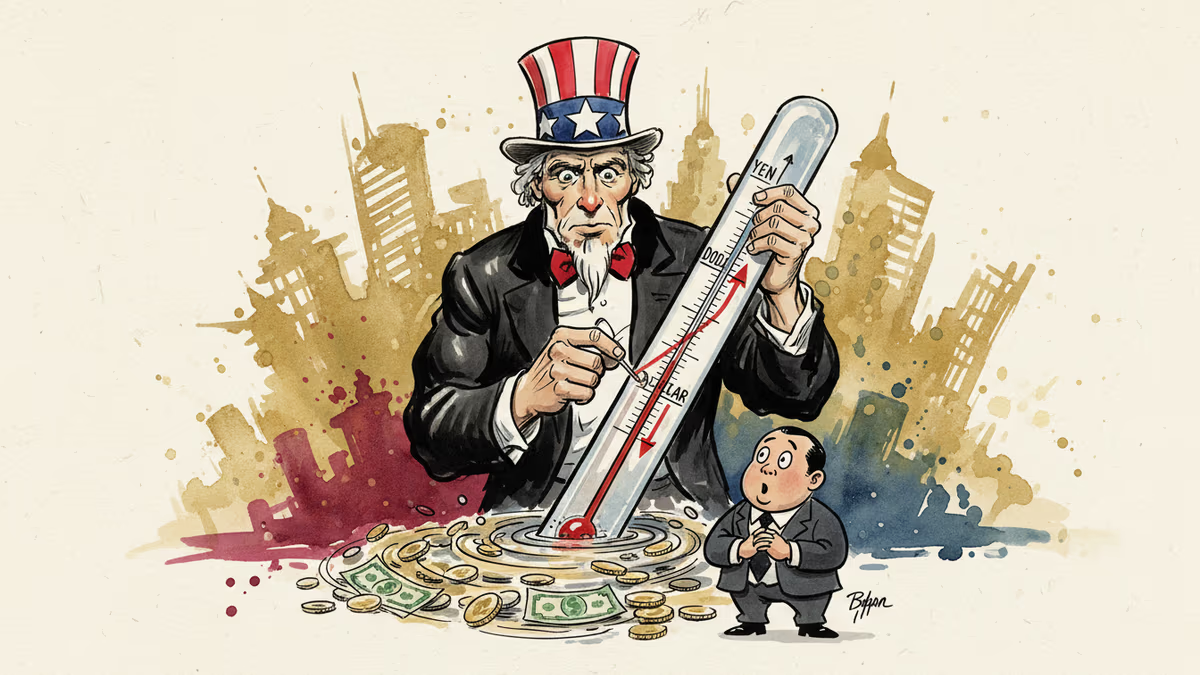
Scott Bessent initiated January's yen-dollar rate intervention discussions, revealing America's proactive stance on currency policy under Trump 2.0.
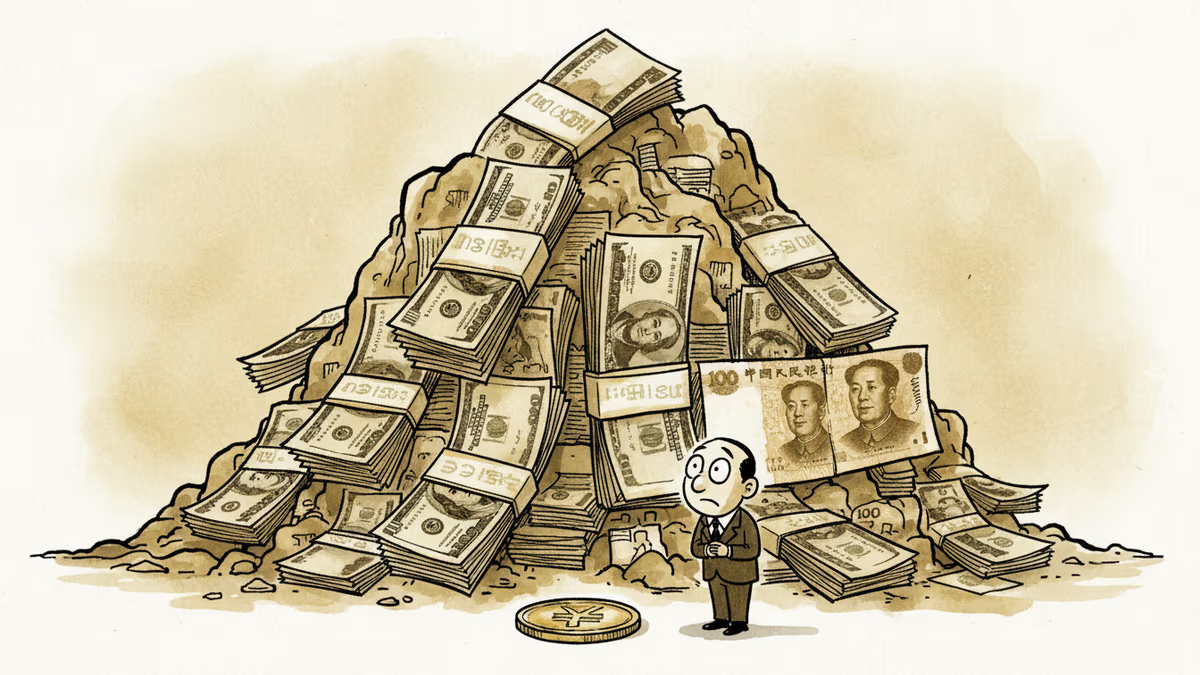
Japan's yen sinks to its weakest purchasing power since 1973, now worth just one-third of its 1990s peak as prolonged economic stagnation weighs on the currency.
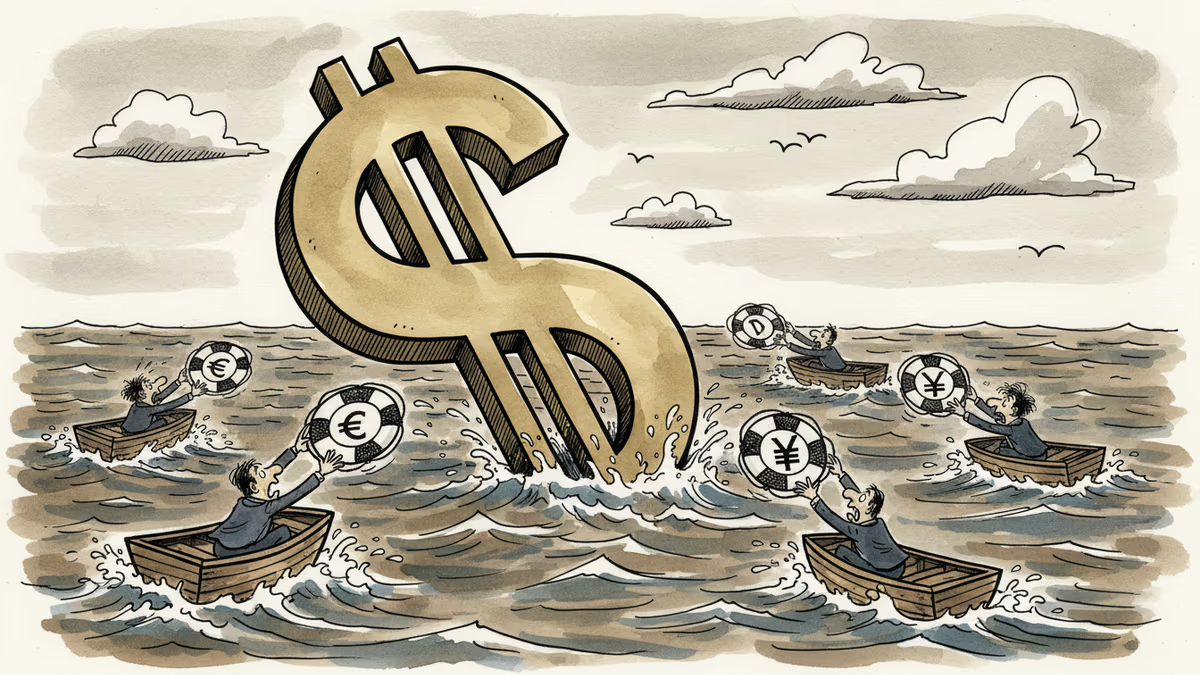
Global fund managers are making their most bearish bet against the dollar in 10 years. What this means for investors, currencies, and the global economy.
BNY Mellon reports surge in client dollar hedging activity, reaching levels not seen since 2023 as investors brace for continued greenback strength.
Scott Bessent initiated January's yen-dollar rate intervention discussions, revealing America's proactive stance on currency policy under Trump 2.0.
Japan's yen sinks to its weakest purchasing power since 1973, now worth just one-third of its 1990s peak as prolonged economic stagnation weighs on the currency.
Global fund managers are making their most bearish bet against the dollar in 10 years. What this means for investors, currencies, and the global economy.
BNY Mellon reports surge in client dollar hedging activity, reaching levels not seen since 2023 as investors brace for continued greenback strength.
Thoughts
Share your thoughts on this article
Sign in to join the conversation