
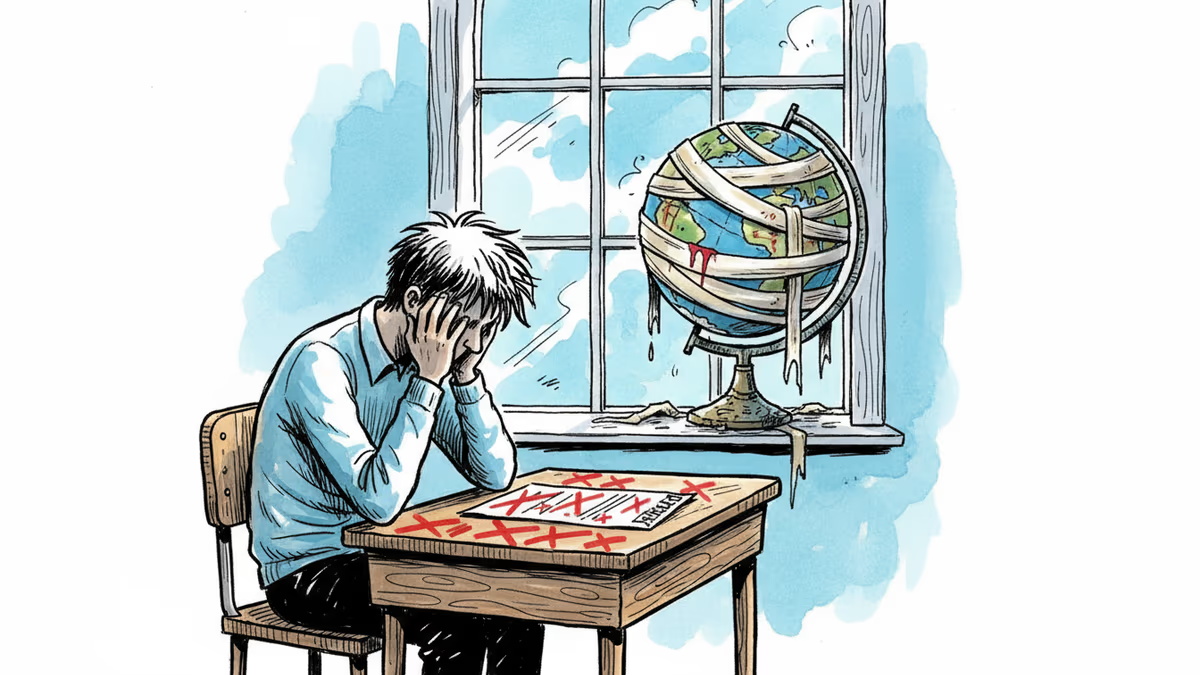
The World's Health Report Card Is Failing
WHO's 2026 global health statistics report shows HIV, tuberculosis, and malaria targets are badly off track. What went wrong—and what does it mean for 2030?
In 2015, the world made a promise: end the AIDS epidemic, slash tuberculosis cases by 80%, cut malaria by 90%—all by 2030. Halfway to the deadline, we should be halfway there.
We are not.
WHO's 2026 World Health Statistics report, published this week, functions as a global health report card. The grades are not good. And the reasons why matter far beyond the numbers.
The Numbers That Should Alarm Us
Start with HIV. In 2024, there were an estimated 1.3 million new infections. That's 40% lower than 2010—genuine progress. But the SDG target calls for a 90% reduction. We're less than halfway there, with four years left on the clock.
Tuberculosis is bleaker. 10.7 million new cases in 2024. Since 2015, incidence has fallen by just 12% against an 80% target. In the Americas, cases have actually risen by 13%. Malaria, meanwhile, infected an estimated 282 million people in 2024—an 8.5% increase in incidence rates year-on-year.
Child health tells its own troubling story. 42.8 million children—6.6% of the global child population—are currently wasting, meaning their bodies are deteriorating from inadequate nutrition. Simultaneously, 5.5% of children are overweight. Both figures were supposed to fall below 5% by 2030. Neither is close.
Vaccination coverage compounds the picture. Globally, only 76% of children are receiving their second measles vaccine dose. Herd immunity requires roughly 95%. In the Americas, coverage for three of the four core childhood vaccines has actually dropped since 2015.

Why Progress Is Stalling
Goodarz Danaei, an epidemiologist at the Harvard T.H. Chan School of Public Health, points to two compounding forces: chronic underinvestment, and the rising tide of vaccine misinformation. "Now we have a misinformation campaign going around vaccines that makes it worse," he says.
The pandemic's shadow is long. WHO estimates that beyond the 7 million direct COVID-19 deaths, disruptions to healthcare systems generated an additional two excess deaths for every confirmed COVID fatality—bringing the total pandemic-related death toll to an estimated 22.1 million. Millions of children missed routine vaccinations during those years. Many still haven't caught up.
Maternal mortality offers a rare note of genuine progress—rates fell by roughly 40% between 2020 and 2023. But even so, 712 women still die from maternal causes every single day. That's one every two minutes. Meeting the 2030 target would require cutting that rate by nearly 15% per year—a pace that looks increasingly unrealistic, particularly as the United States has sharply curtailed global aid funding, a move health officials warn will directly cost thousands of additional maternal lives.
For malaria, the challenge isn't just funding or willpower. Drug-resistant malaria strains have been confirmed or suspected in eight African countries. Insecticide-resistant mosquitoes are present in nine. Climate change is shifting mosquito habitats in ways that may expand the disease's reach. These are structural problems that money alone cannot solve quickly.
The Stakeholders Seeing This Differently
For policymakers in high-income countries, these numbers arrive at an awkward moment. The political appetite for foreign aid is shrinking in several major donor nations just as the need is growing. The gap between stated commitments and actual funding is not new—but it is widening.
For public health officials in the Global South, the report confirms what many already know on the ground: the SDG framework generated useful targets but insufficient mechanisms to enforce accountability or redistribute resources when progress falters.
For pharmaceutical companies and researchers, the drug resistance data on malaria and TB is a reminder that the pipeline for new treatments and next-generation vaccines isn't moving fast enough. The tools exist in some cases; the deployment doesn't.
For communities living with these diseases, the statistics are not abstractions. 2.1 billion people faced financial hardship due to healthcare costs in 2022. 1.6 billion of them were living in, or had been pushed into, poverty by those costs.
This content is AI-generated based on source articles. While we strive for accuracy, errors may occur. We recommend verifying with the original source.
Related Articles
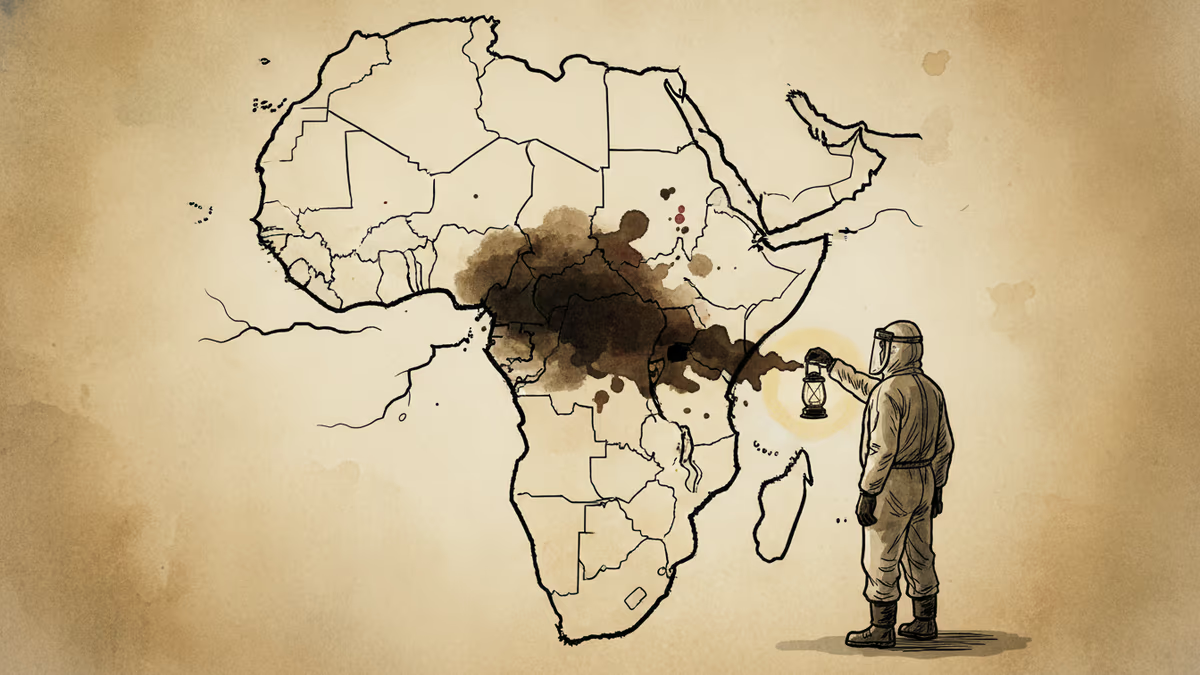
The DRC Ebola outbreak has already crossed into Uganda and earned a WHO emergency declaration. The case count isn't the alarming part—the gaps in detection are.
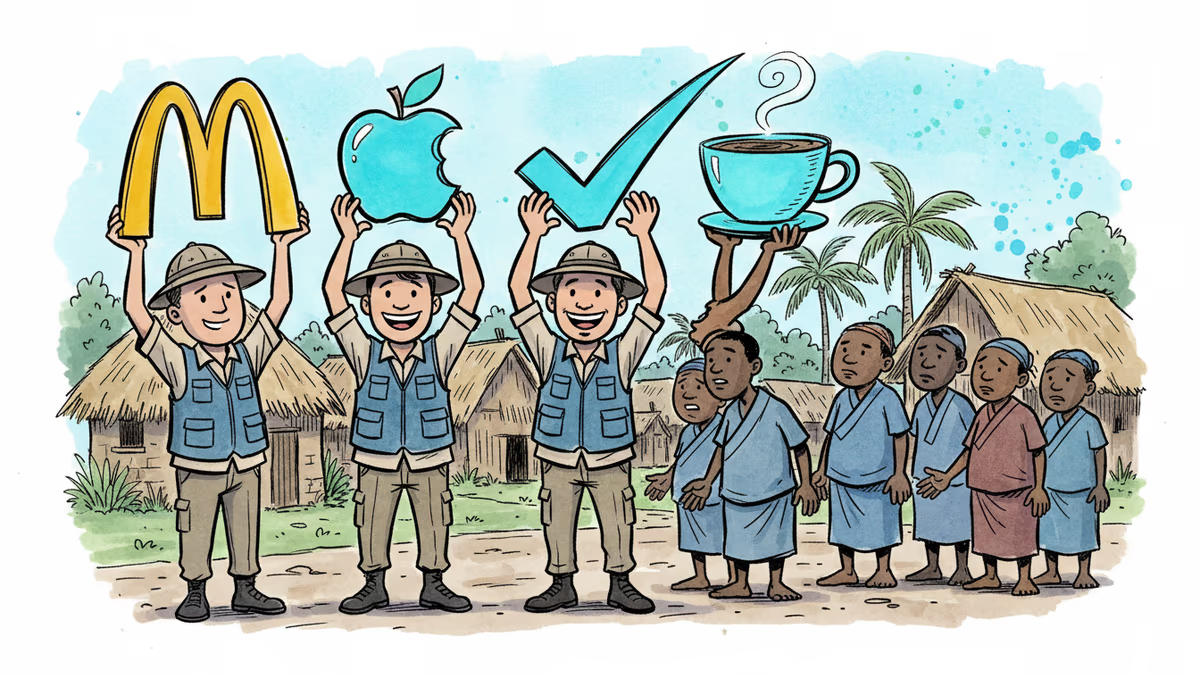
The Peace Corps launches 'Tech Corps' to promote AI companies with Trump ties, transforming from community service to corporate marketing. What does this mean for international development?
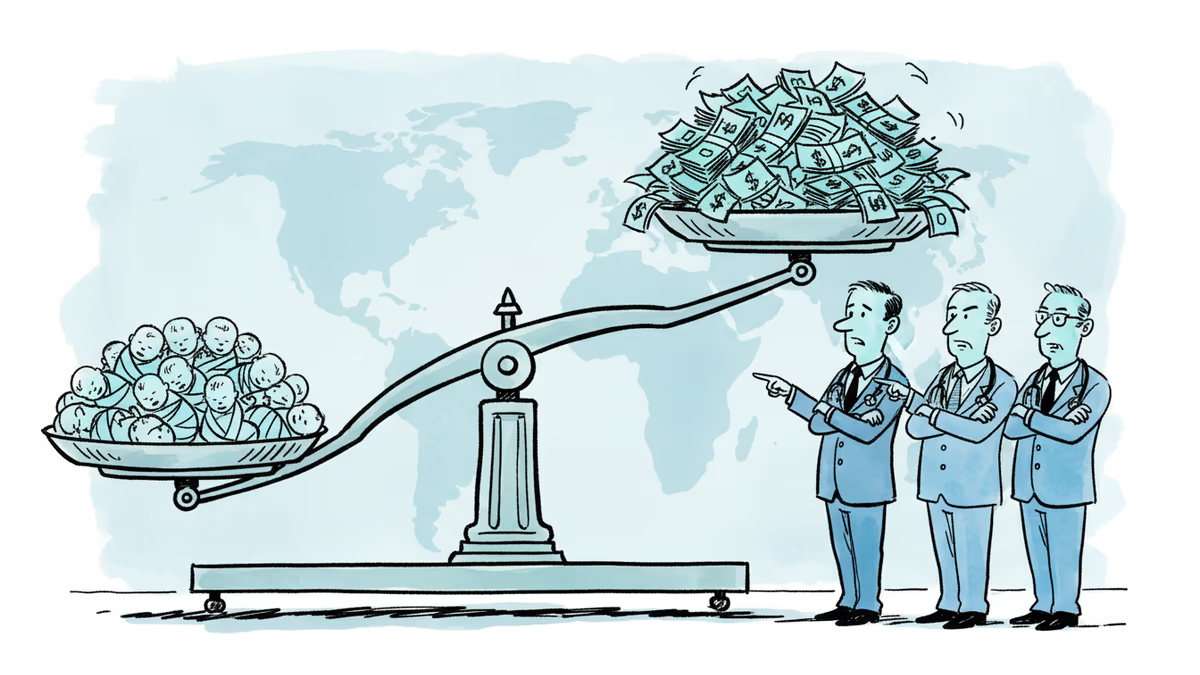
WHO condemns US-funded vaccine trial as unethical for withholding proven hepatitis B vaccines from African newborns. What happens when anti-vaccine politics drives medical research?
As China pushes TCM globally with AI-powered diagnostics and robotic acupuncture, can technology bridge the gap between ancient wisdom and modern healthcare standards?
The DRC Ebola outbreak has already crossed into Uganda and earned a WHO emergency declaration. The case count isn't the alarming part—the gaps in detection are.
The Peace Corps launches 'Tech Corps' to promote AI companies with Trump ties, transforming from community service to corporate marketing. What does this mean for international development?
WHO condemns US-funded vaccine trial as unethical for withholding proven hepatitis B vaccines from African newborns. What happens when anti-vaccine politics drives medical research?
As China pushes TCM globally with AI-powered diagnostics and robotic acupuncture, can technology bridge the gap between ancient wisdom and modern healthcare standards?
Thoughts
Share your thoughts on this article
Sign in to join the conversation