

Measles Wastewater Surveillance 2026: Detecting Outbreaks Before the First Fever
With over 2,500 US measles cases since 2025, measles wastewater surveillance 2026 emerges as a critical tool, detecting outbreaks a week before clinical diagnoses.
A grim milestone has been reached in the U.S. health landscape. Since January 2025, more than 2,500 confirmed cases of measles have been reported, resulting in three deaths. As vaccination rates falter, public health officials are turning to a silent informant flowing beneath our streets: wastewater surveillance.
Strategic Impact of Measles Wastewater Surveillance 2026
Wastewater is a rich biological repository, containing traces of saliva, urine, and feces from entire communities. Researchers at Emory University and Stanford University have expanded their WastewaterSCAN program to tackle measles. In a study conducted in Texas between December 2024 and May 2025, the team identified measles RNA in 10.5% of collected samples.

The first detection came a full week before the first clinical case was officially confirmed in the area.
Bridging the Gap Between Official Data and Reality
Evidence from Canada further validates this approach. Scientists at the University of Windsor estimated that true infection counts during a 2025 outbreak in Ontario were 5 to 10 times higher than confirmed clinical reports. Canada’s loss of its 'measles elimination' status in November 2025, after recording over 5,000 cases, highlights the urgent need for better tracking tools.
Authors
Related Articles
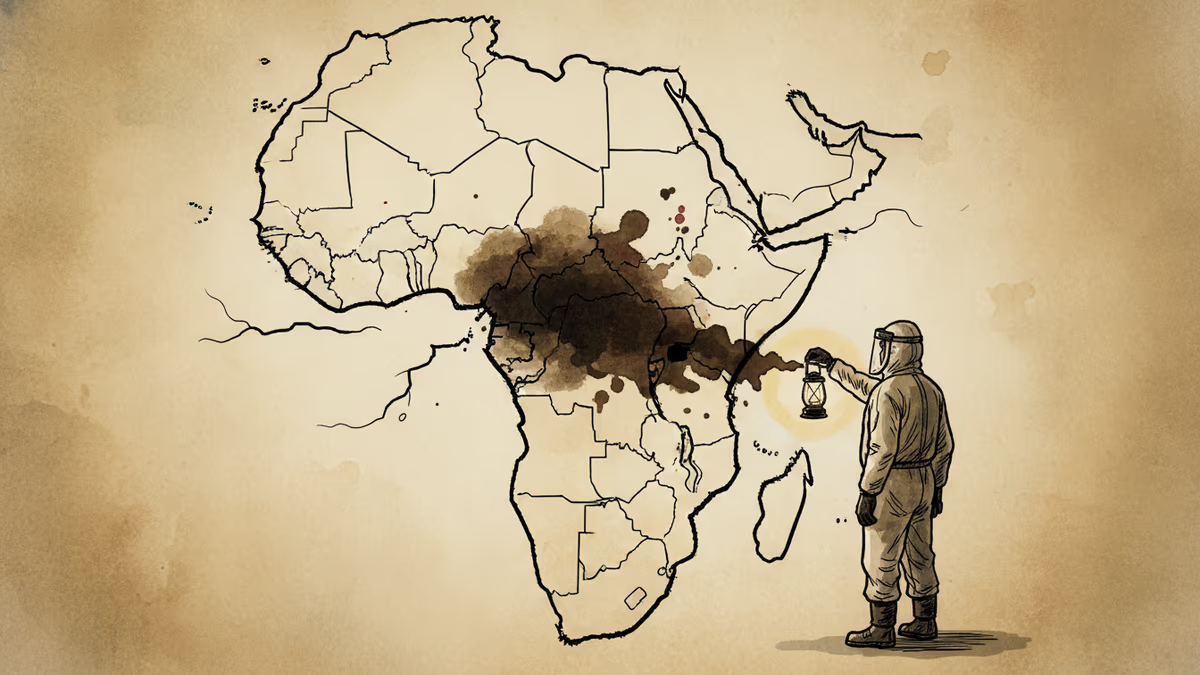
The DRC Ebola outbreak has already crossed into Uganda and earned a WHO emergency declaration. The case count isn't the alarming part—the gaps in detection are.
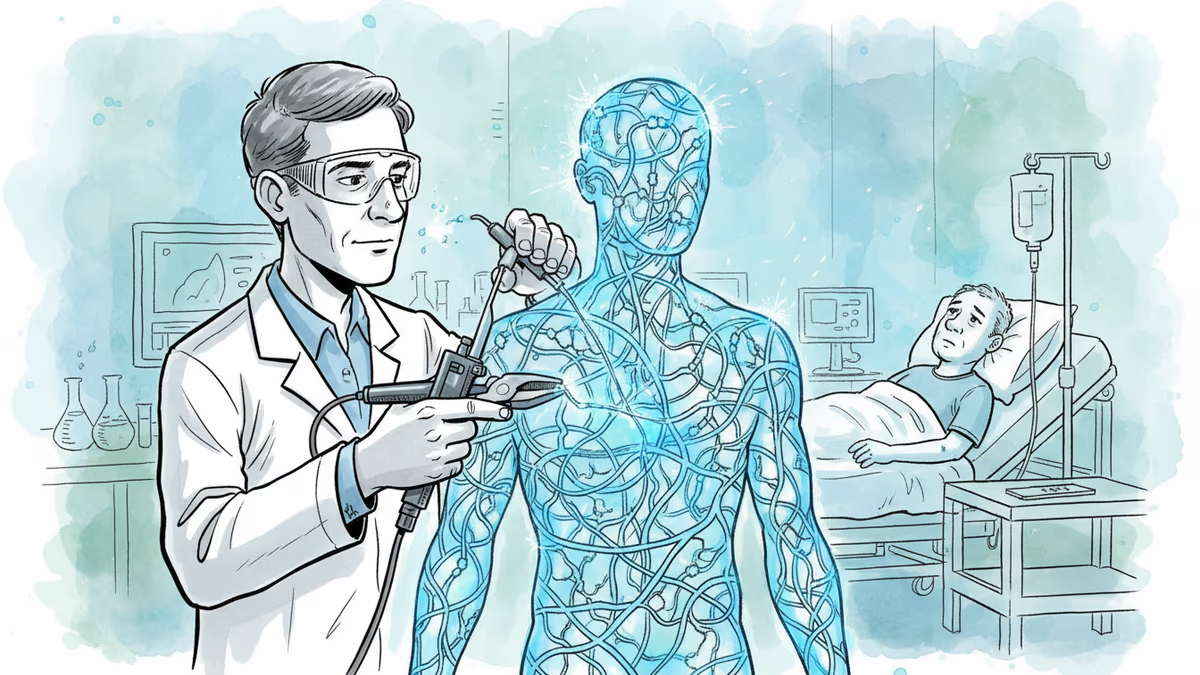
CAR T cell therapy, proven in blood cancers, is now in hundreds of clinical trials for MS, lupus, and other autoimmune conditions. What the science shows—and what it doesn't yet.
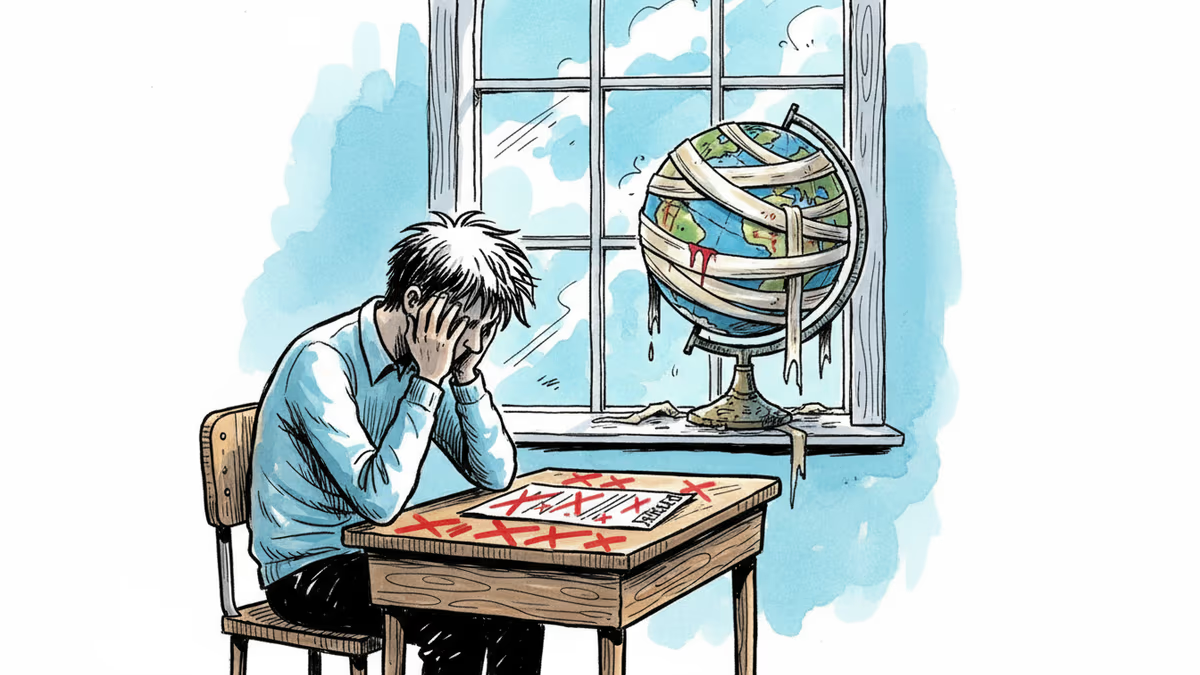
WHO's 2026 global health statistics report shows HIV, tuberculosis, and malaria targets are badly off track. What went wrong—and what does it mean for 2030?
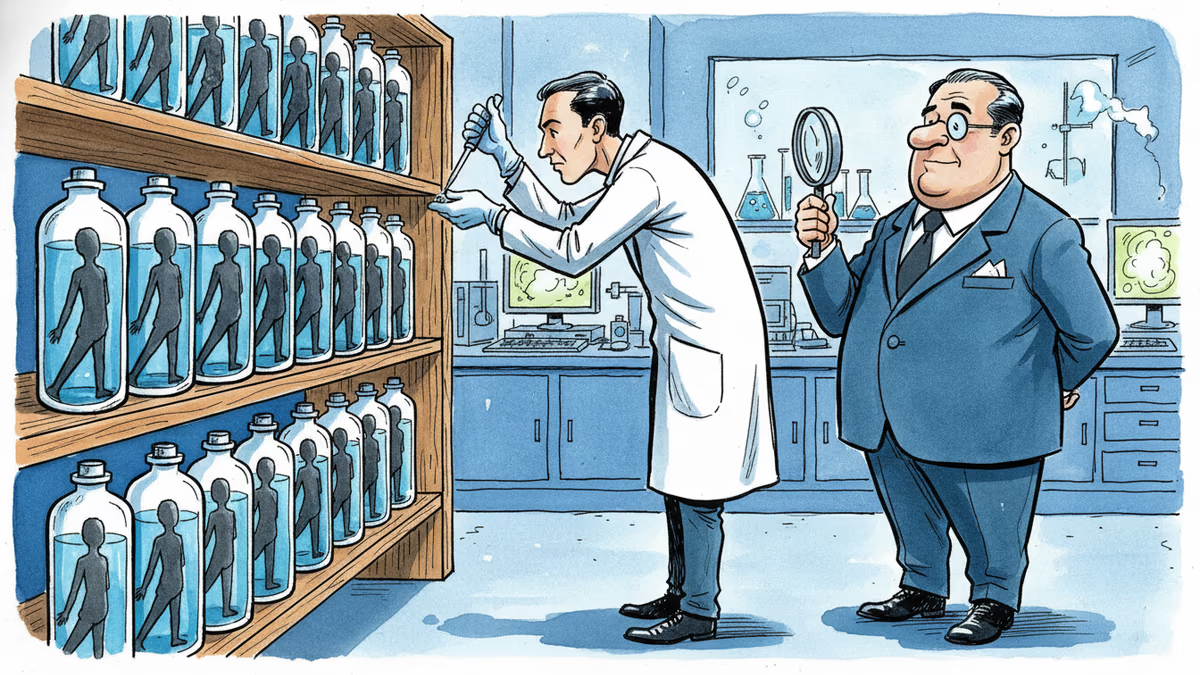
R3 Bio wants to grow human bodies without brains as biological backups. The science is speculative. The ethics are explosive. And the legal framework doesn't exist yet.
The DRC Ebola outbreak has already crossed into Uganda and earned a WHO emergency declaration. The case count isn't the alarming part—the gaps in detection are.
CAR T cell therapy, proven in blood cancers, is now in hundreds of clinical trials for MS, lupus, and other autoimmune conditions. What the science shows—and what it doesn't yet.
WHO's 2026 global health statistics report shows HIV, tuberculosis, and malaria targets are badly off track. What went wrong—and what does it mean for 2030?
R3 Bio wants to grow human bodies without brains as biological backups. The science is speculative. The ethics are explosive. And the legal framework doesn't exist yet.
Thoughts
Share your thoughts on this article
Sign in to join the conversation