
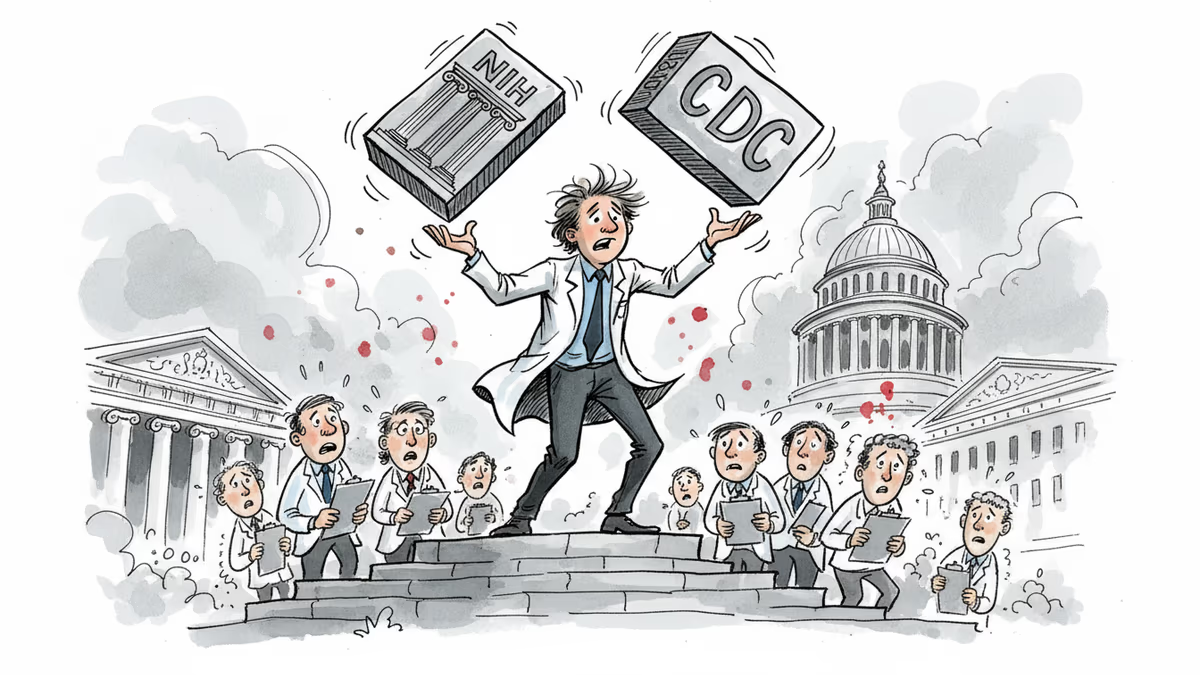
One Person, Two Agencies: America's Public Health Power Grab
Jay Bhattacharya now leads both NIH and CDC simultaneously, marking unprecedented consolidation of US health authority. With vaccine skeptics gaining influence, scientific independence faces its biggest test in decades.
Three CDC Directors in One Month
Susan Monarez lasted less than 30 days as the first Senate-confirmed CDC director. Her crime? Refusing to rubber-stamp vaccine recommendation changes pushed by Robert F. Kennedy Jr.'s hand-picked advisors—most of whom are openly anti-vaccine.
Now Jay Bhattacharya wears two hats: NIH director and acting CDC director. It's an arrangement that has never happened in American public health history. And researchers are sounding alarms.
When Efficiency Meets Independence
The dual role isn't just unusual—it's structurally problematic. The NIH controls $47 billion in research funding annually, while the CDC issues health recommendations that influence policy nationwide. These agencies were designed as separate entities for good reason.
"You don't want the person deciding who gets research grants to also be the person making policy recommendations based on that research," explains Dr. Sarah Chen, a former CDC epidemiologist. "It's a textbook conflict of interest."
But Kennedy's team sees it differently. They view the traditional separation as bureaucratic inefficiency that slowed pandemic response. The consolidation, they argue, will streamline decision-making.

The Anti-Vaccine Coalition's Perfect Storm
Bhattacharya's appointment represents more than administrative reshuffling. As a vocal critic of COVID-19 lockdowns and vaccine mandates, he brings ideological alignment with Kennedy's broader agenda.
The vaccine recommendation changes that cost Monarez her job? They're likely to sail through now. With research funding and policy recommendations under one roof—and that roof belonging to vaccine skeptics—the traditional checks and balances have effectively disappeared.
Public health advocates worry about the global implications. "CDC recommendations influence health policy worldwide," notes Dr. Michael Torres from the Global Health Security Alliance. "When politics trumps science at this level, the ripple effects are massive."
The Regulatory Response Question
Congress has remained notably quiet, but that may not last. Several Democratic senators have already requested hearings on the "unprecedented concentration of health authority." The question is whether they have the political capital to force changes.
Meanwhile, state health departments—traditionally reliant on CDC guidance—are quietly developing their own protocols. Some are already consulting with international health agencies to maintain scientific credibility.
Authors
Related Articles

The DRC Ebola outbreak has already crossed into Uganda and earned a WHO emergency declaration. The case count isn't the alarming part—the gaps in detection are.
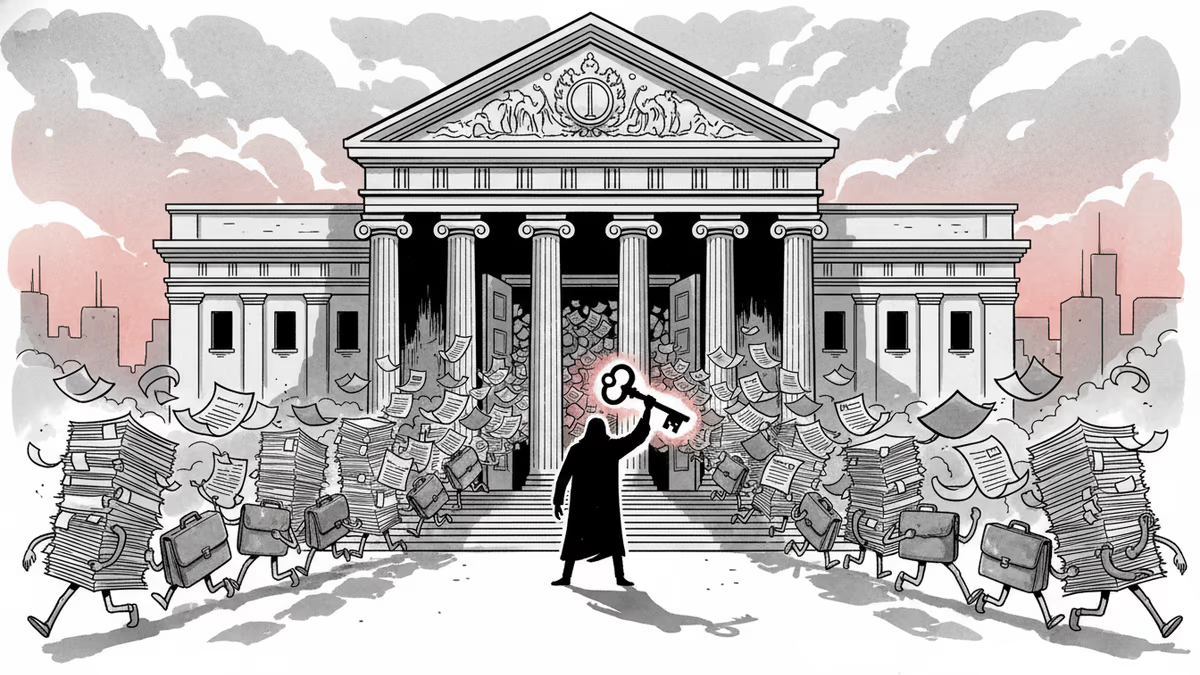
The Trump administration has gutted the DOJ's Voting Section, pushing out two dozen experienced lawyers and replacing them with loyalists. With 2026 midterms approaching, what does this mean for American democracy?
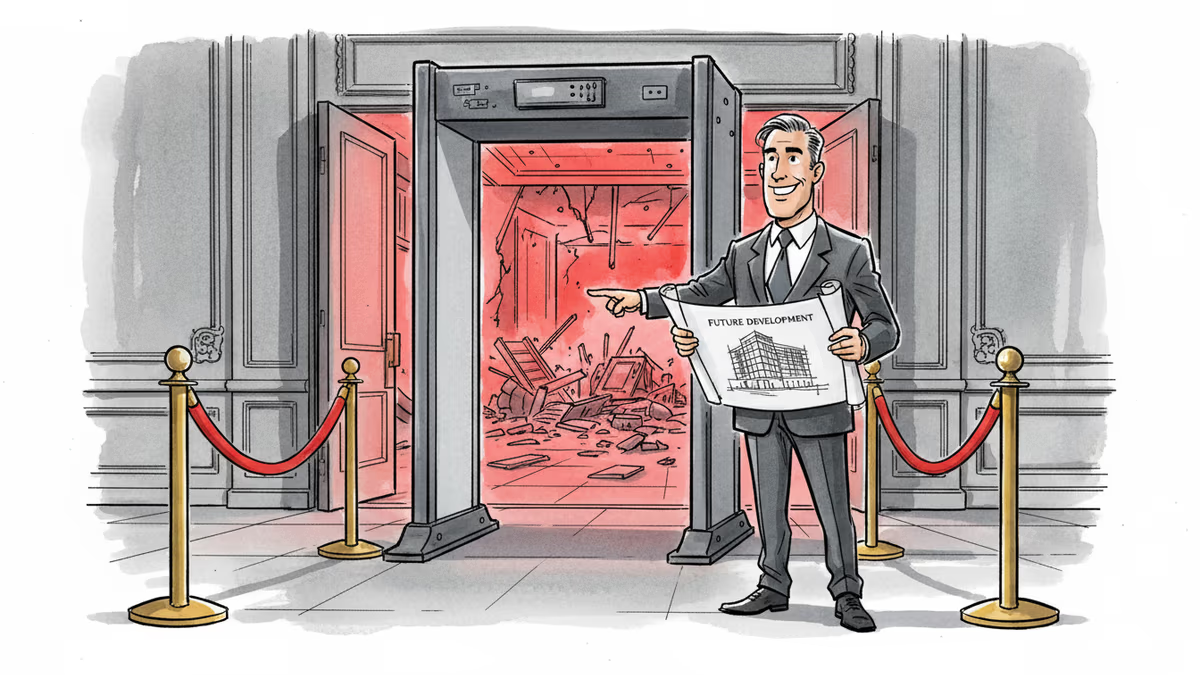
A gunman attacked a Secret Service checkpoint at the White House Correspondents' Dinner. Trump's first public reaction wasn't about security. It was about his $400M ballroom project.
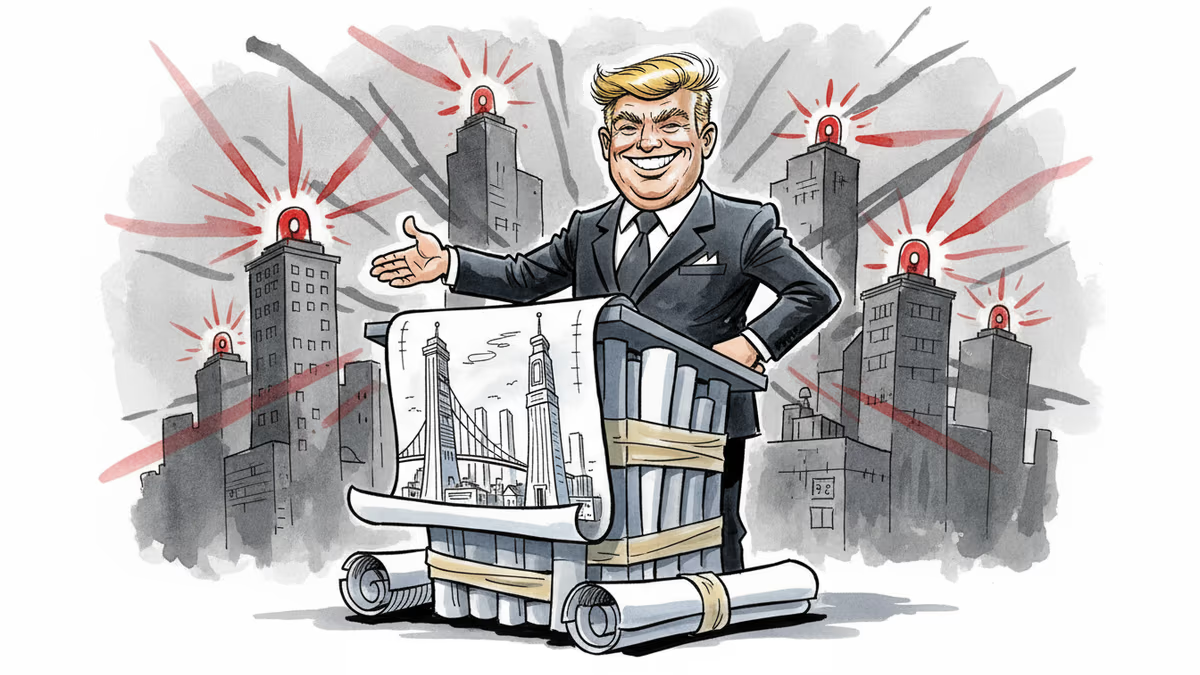
Hours after an armed suspect attempted to breach the White House Correspondents Dinner, Trump used the security scare to publicly defend his White House ballroom project. What does that tell us?
The DRC Ebola outbreak has already crossed into Uganda and earned a WHO emergency declaration. The case count isn't the alarming part—the gaps in detection are.
The Trump administration has gutted the DOJ's Voting Section, pushing out two dozen experienced lawyers and replacing them with loyalists. With 2026 midterms approaching, what does this mean for American democracy?
A gunman attacked a Secret Service checkpoint at the White House Correspondents' Dinner. Trump's first public reaction wasn't about security. It was about his $400M ballroom project.
Hours after an armed suspect attempted to breach the White House Correspondents Dinner, Trump used the security scare to publicly defend his White House ballroom project. What does that tell us?
Thoughts
Share your thoughts on this article
Sign in to join the conversation