
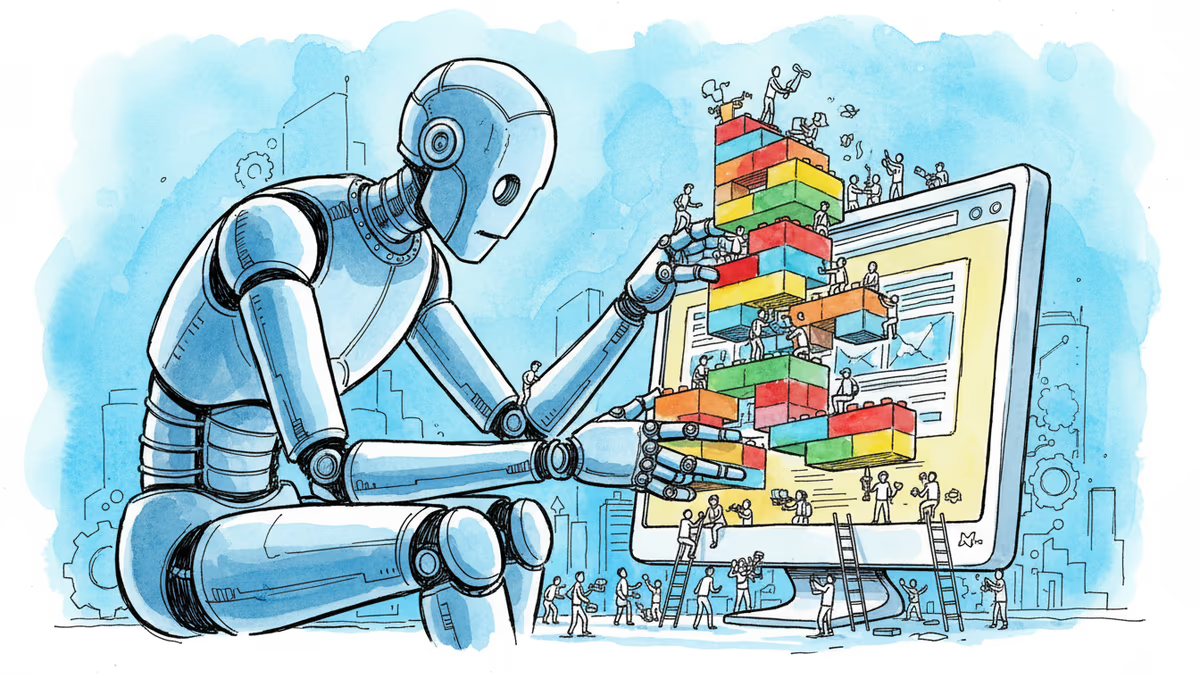
WordPress Just Got an AI Brain, and 2 Billion Websites Will Never Be the Same
WordPress integrates AI assistant into site editor, transforming how 43% of the web gets built. From bloggers to businesses, here's what changes.
43% of the web runs on WordPress. Starting Tuesday, the people behind those 2 billion websites can now have conversations with AI to edit their sites instead of wrestling with menus and settings.
From Clicking to Chatting
WordPress has embedded a new AI assistant directly into its site editor and media library. Users can now chat with AI in a sidebar to edit and translate text, generate and edit images using Google's Nano Banana, and make site adjustments like creating new pages or changing fonts just by asking.
The integration goes deeper through WordPress's new "block notes" feature from its December 6.9 update. By tagging "@ai" in the site editor's comment system, users can get instant help with their web projects.
The Great Web Democratization
This isn't just another feature update—it's a seismic shift in who gets to build the web. Until now, creating a decent website required technical know-how. Want to change your site's layout? Learn CSS. Need multilingual content? Hire a developer or pay for premium plugins.
Small business owners are the big winners here. The $5,000 website project could become a "30-minute chat with AI." For entrepreneurs who've been putting off their web presence because of cost or complexity, the barrier just got slashed.
Web developers and agencies, however, face a reckoning. Simple brochure sites and basic blogs—bread-and-butter work for many freelancers—might migrate to AI-assisted self-service. It's the same disruption that hit graphic designers when Canva arrived, but potentially more dramatic.

The Creator Economy Gets Supercharged
The ripple effects go beyond traditional websites. Content creators who've been juggling writing, design, and technical maintenance can now focus on what they do best. YouTube creators can spin up professional brand sites without hiring developers. Online course instructors can build student portals by describing what they want instead of learning complex workflows.
This could be particularly transformative for non-English speaking creators who've struggled with WordPress's historically English-centric interface. AI translation and multilingual site creation become as simple as "make this available in Spanish and French."
The Platform Wars Heat Up
WordPress's move puts pressure on competitors. Wix, Squarespace, and Shopify have been pushing AI features, but WordPress's massive market share gives it unique leverage. When nearly half the web can suddenly build sites through conversation, other platforms need to respond fast.
Google benefits too—their Nano Banana image generation gets embedded into millions of websites. It's a clever distribution strategy that could challenge Adobe's dominance in creative tools.
What Could Go Wrong?
Not everything's rosy. AI-generated content at scale could lead to more generic, templated websites. SEO spam might explode as bad actors use AI to quickly generate thin content sites. Privacy advocates worry about AI systems analyzing user content and behavior patterns.
There's also the dependency risk. As users become reliant on AI assistance, what happens when the service goes down or changes its terms? WordPress's open-source nature provides some protection, but the AI features likely depend on cloud services.
Authors
Related Articles
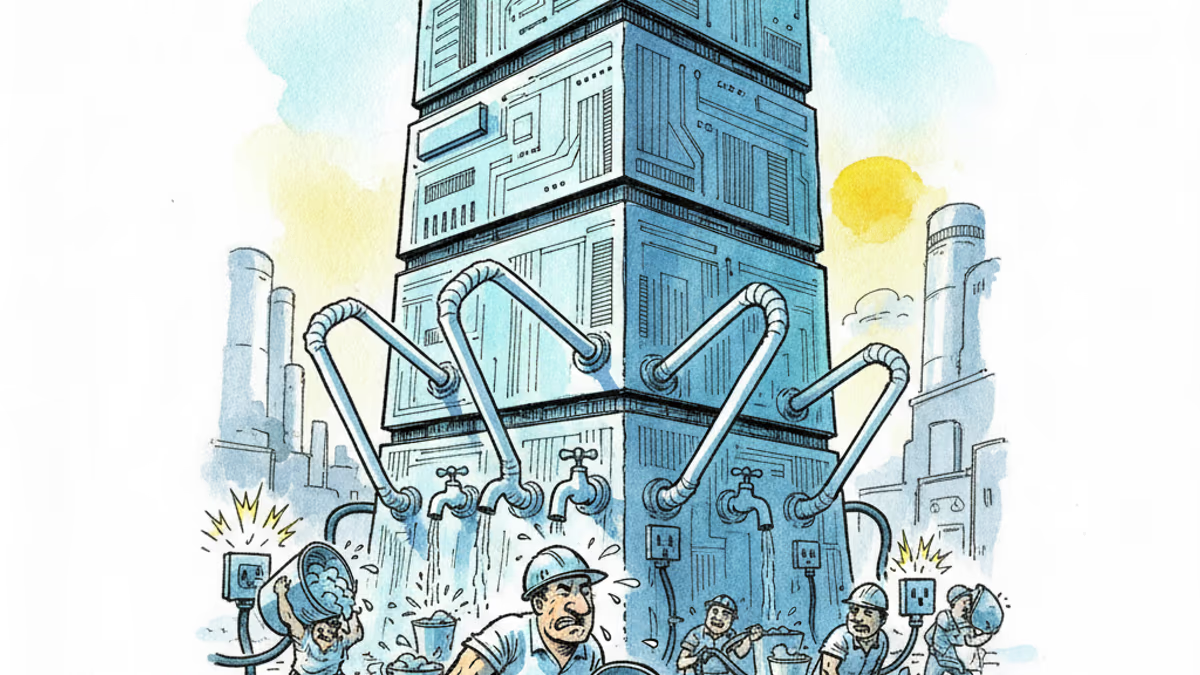
Samsung and SK unveiled a chip and AI investment package worth thousands of trillions of won on June 29. The headline number swings wildly by outlet, but the real contest isn't capital — it's water and power.

Viral videos show 2026 graduates jeering executives who praise AI at commencement ceremonies. It's not just rudeness — it's a signal about who pays for technological optimism.

Filipino virtual assistants using AI to ghost-manage LinkedIn profiles for executives is now a structured industry. 30 comments a day, fake engagement rings, and a platform struggling to tell real from fabricated.
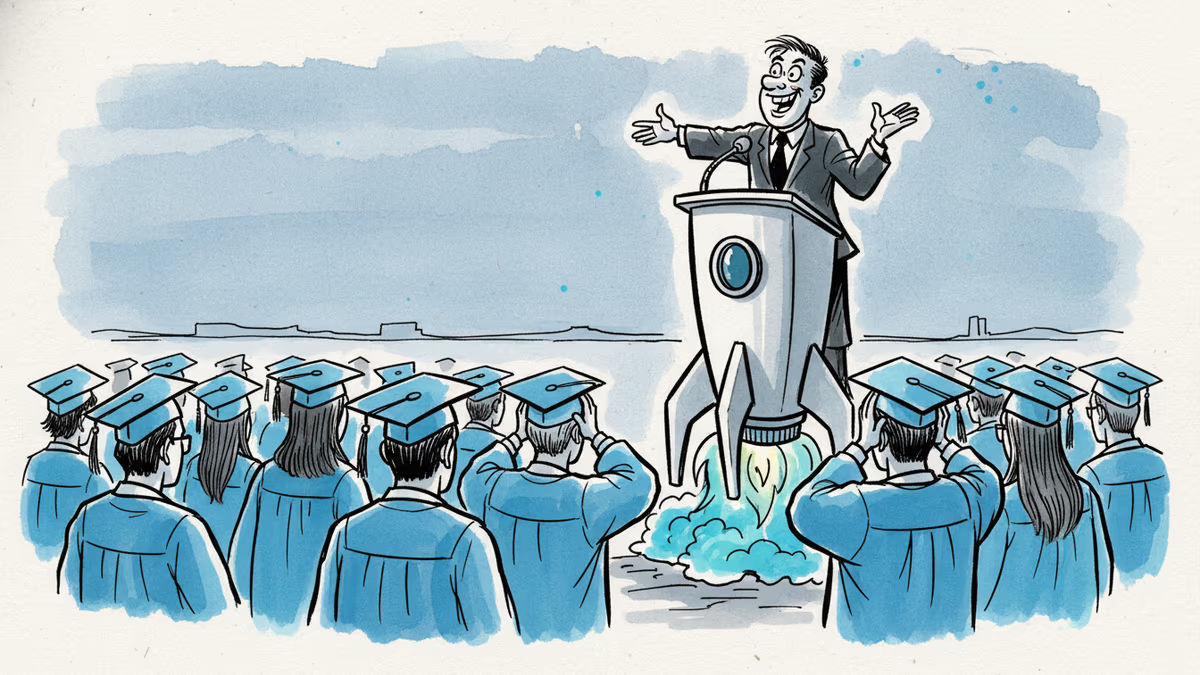
Two commencement speakers learned the hard way that AI enthusiasm doesn't land well with today's graduates. The backlash reveals a widening gap between tech optimism and Gen Z's economic reality.
Samsung and SK unveiled a chip and AI investment package worth thousands of trillions of won on June 29. The headline number swings wildly by outlet, but the real contest isn't capital — it's water and power.
Viral videos show 2026 graduates jeering executives who praise AI at commencement ceremonies. It's not just rudeness — it's a signal about who pays for technological optimism.
Filipino virtual assistants using AI to ghost-manage LinkedIn profiles for executives is now a structured industry. 30 comments a day, fake engagement rings, and a platform struggling to tell real from fabricated.
Two commencement speakers learned the hard way that AI enthusiasm doesn't land well with today's graduates. The backlash reveals a widening gap between tech optimism and Gen Z's economic reality.
Thoughts
Share your thoughts on this article
Sign in to join the conversation