
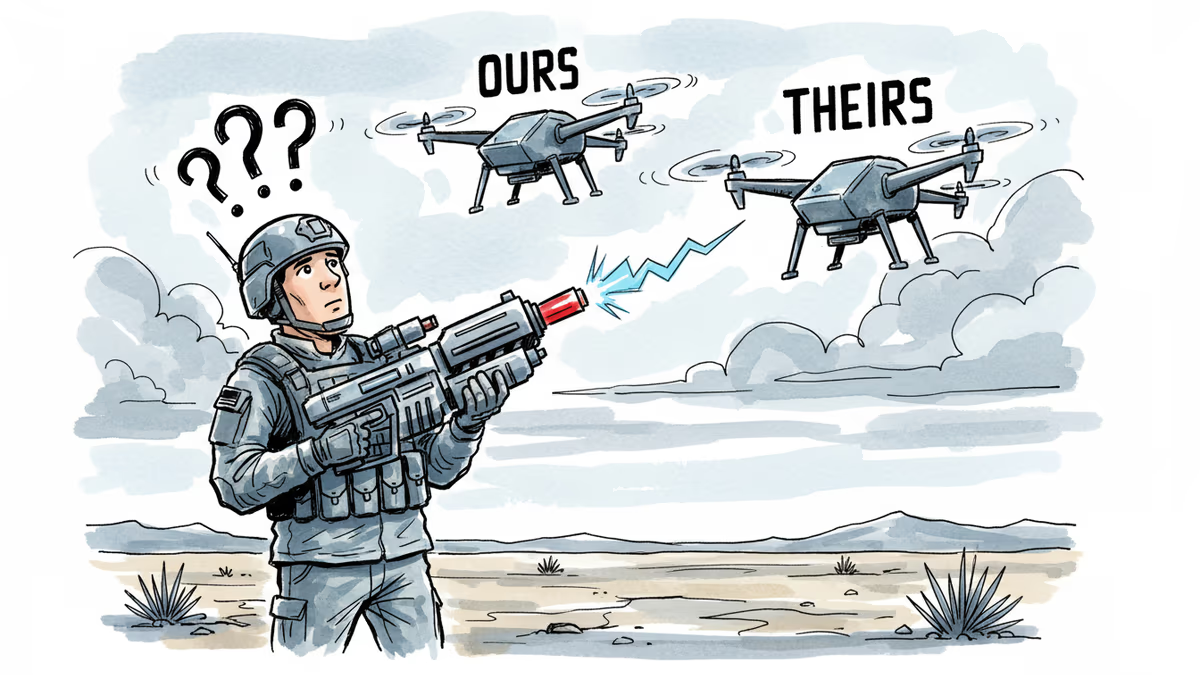
The US Military Shot Down Its Own Drone at the Border
A US military laser system mistakenly destroyed a Border Patrol drone near Mexico, revealing the complex reality of modern border security technology
48 Hours of Closed Airspace Over Texas
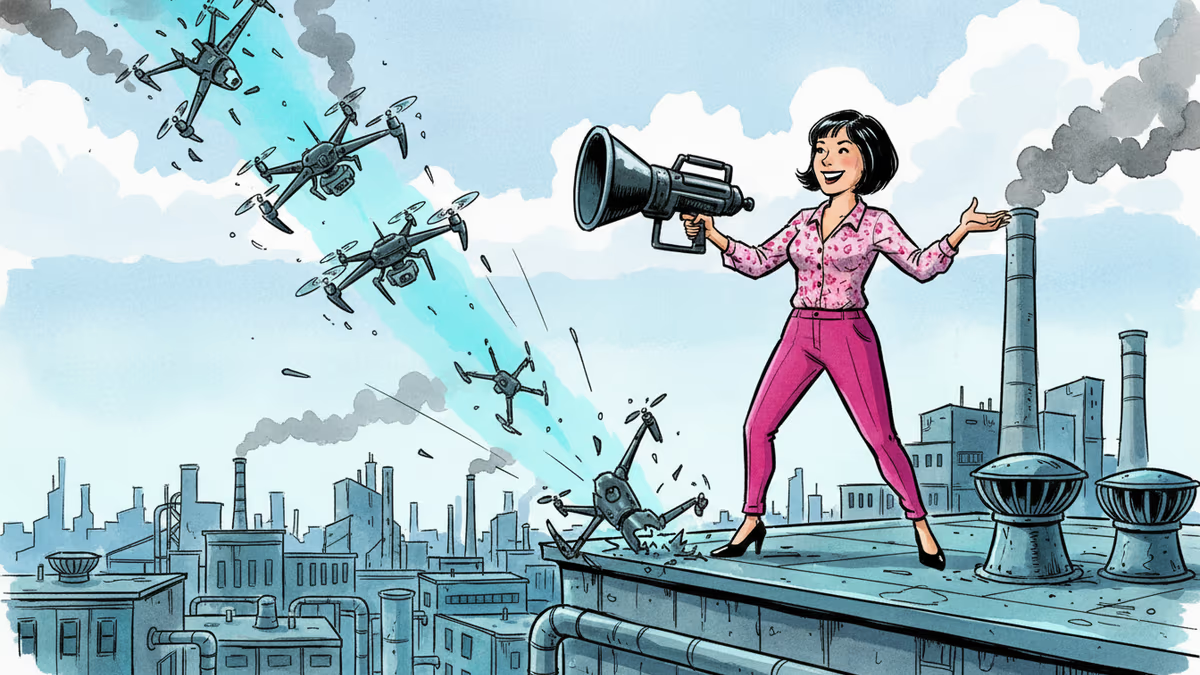
The US military used a laser weapon to shoot down one of its own drones near the Mexican border. Not an enemy drone—their own Customs and Border Protection aircraft. The FAA immediately closed airspace over Fort Hancock, Texas until June 24, citing vague "special security reasons."
This wasn't just a case of friendly fire. It's a window into the messy reality of 21st-century border security.
When Lasers Meet Drones in Cartel Country
CBP operates surveillance drones to track border crossers. But the same airspace hosts Mexican cartel drones running drugs and reconnaissance missions. The Pentagon deploys high-energy laser systems to zap hostile aircraft—a mission that sounds straightforward until you realize the challenge: telling friend from foe in a crowded sky.
Congressional sources told Reuters the strike happened "in an area that often has incursions from Mexican drones used by drug cartels." The implication is clear: when threats are everywhere, mistakes become inevitable.
The Irony of Precision Technology
The weapon of choice? A laser system—the kind of sci-fi technology that can disable a drone with surgical precision and zero collateral damage. No explosions, no debris raining down on civilians below.

Yet for all its technical sophistication, the laser couldn't solve the fundamental problem: identifying the right target. Advanced technology amplifies human decision-making—both good and bad.
The New Battleground Above
This incident illuminates how border security has evolved. We're not just talking about walls and patrol agents anymore. The modern border is a three-dimensional battlefield where drones dance deadly games of cat and mouse while laser weapons track them from below.
Cartels adapt faster than bureaucracies. They use commercial drones modified for smuggling, making them nearly indistinguishable from legitimate aircraft. Government forces respond with increasingly powerful countermeasures, creating an arms race in miniature.
Information Blackout
Even basic facts remain murky. News outlets can't agree when the strike occurred—The New York Times says Thursday, Bloomberg reports Wednesday. The FAA's airspace closure notice offers only cryptic references to "special security reasons."
This opacity raises questions about accountability. When military technology makes mistakes, shouldn't the public know the details?
The Human Element in Automated War
The broader implications extend beyond border security. As autonomous weapons become commonplace, the line between human judgment and machine execution blurs. Someone programmed that laser system. Someone decided which targets qualified as threats. Someone made the split-second call to fire.
The technology worked perfectly—it destroyed exactly what it was aimed at. The failure was in aiming it at the wrong target.
Authors
Related Articles
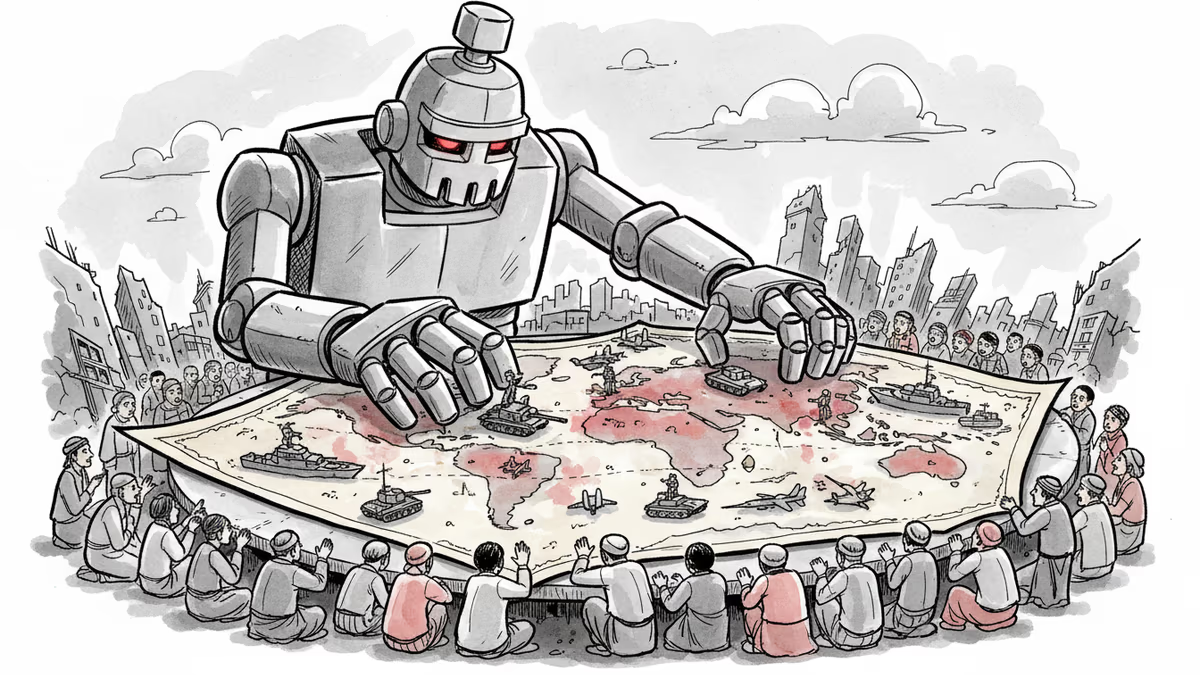
Middle East conflict reveals AI weapons reality. Claude AI selects targets, drones attack autonomously. 90% accuracy, zero regulation. The gap between deployment and governance widens.
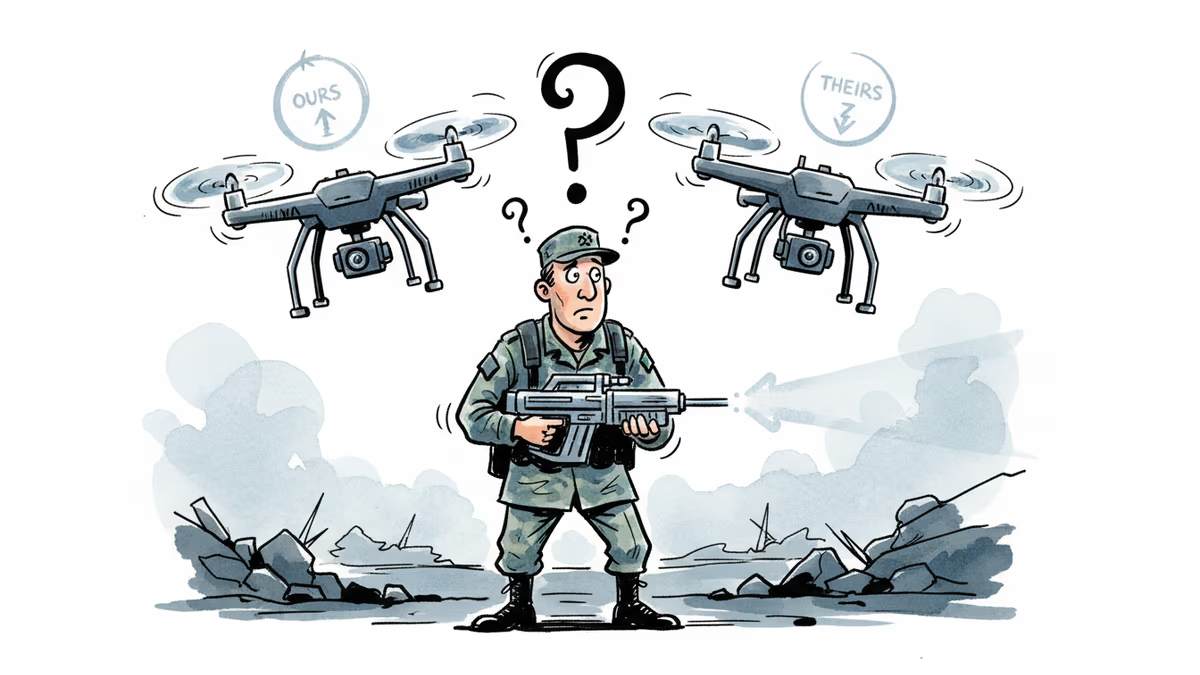
US military mistakenly shot down CBP drone at Texas border, revealing limits of automated defense systems and complexity of modern warfare
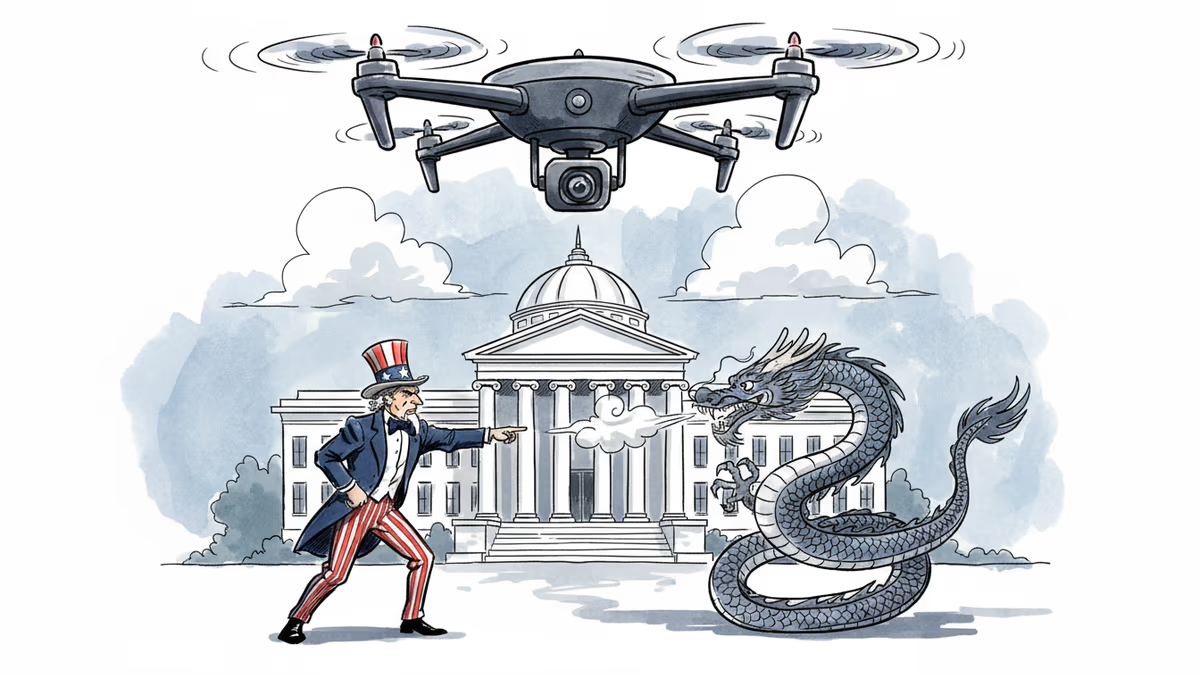
Chinese drone giant DJI challenges FCC's import ban in federal court, escalating US-China tech tensions into uncharted legal territory.
Chinese manufacturers are marketing military drone jammers on TikTok like lifestyle products, supplying equipment to the Ukraine war. A surreal blend of e-commerce and battlefield combat.
Middle East conflict reveals AI weapons reality. Claude AI selects targets, drones attack autonomously. 90% accuracy, zero regulation. The gap between deployment and governance widens.
US military mistakenly shot down CBP drone at Texas border, revealing limits of automated defense systems and complexity of modern warfare
Chinese drone giant DJI challenges FCC's import ban in federal court, escalating US-China tech tensions into uncharted legal territory.
Chinese manufacturers are marketing military drone jammers on TikTok like lifestyle products, supplying equipment to the Ukraine war. A surreal blend of e-commerce and battlefield combat.
Thoughts
Share your thoughts on this article
Sign in to join the conversation