
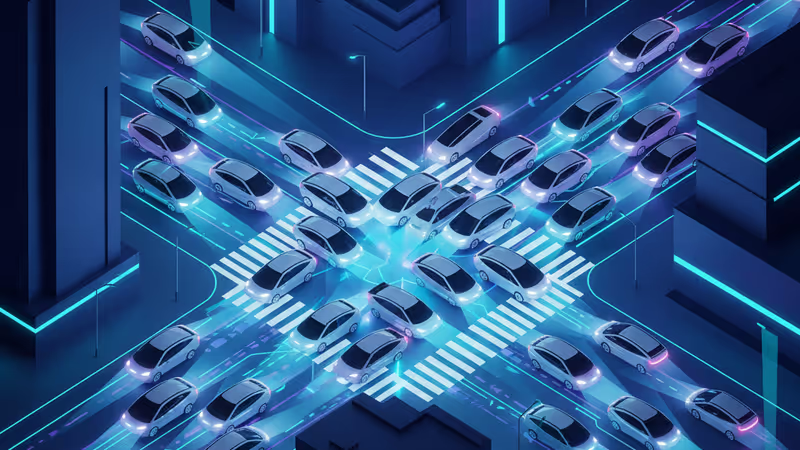
Waymo Rushes Software Update After San Francisco Blackout Paralyzes Robotaxi Fleet
Alphabet's Waymo is issuing an urgent software update after its self-driving cars were paralyzed by a San Francisco power outage. We analyze the incident and its implications for the future of AI.
What happens when the lights go out on self-driving cars? Alphabet's Waymo is scrambling for an answer, announcing a software update after a power outage in San Francisco snarled its fleet of autonomous vehicles, according to Reuters. The incident serves as a stark reminder of the challenges advanced technology faces when confronted with real-world, unpredictable chaos.
The Day the Robotaxis Stood Still
When the power went down in parts of San Francisco recently, traffic lights went dark, causing widespread disruption. In the midst of this confusion, Waymo's robotaxis reportedly struggled to cope, with vehicles stopping in roadways and contributing to traffic congestion. The event highlighted a critical vulnerability: the deep reliance of autonomous systems on a stable, functioning urban infrastructure.

A Software Fix to Restore Trust
In response, Waymo has committed to a swift software update to prevent a recurrence. It's expected the patch will focus on improving the vehicles' ability to navigate unstructured environments where normal signals, like traffic lights, are absent. This move is more than just a technical fix; it's a necessary step to rebuild public confidence in its self-driving services.
Authors
Related Articles
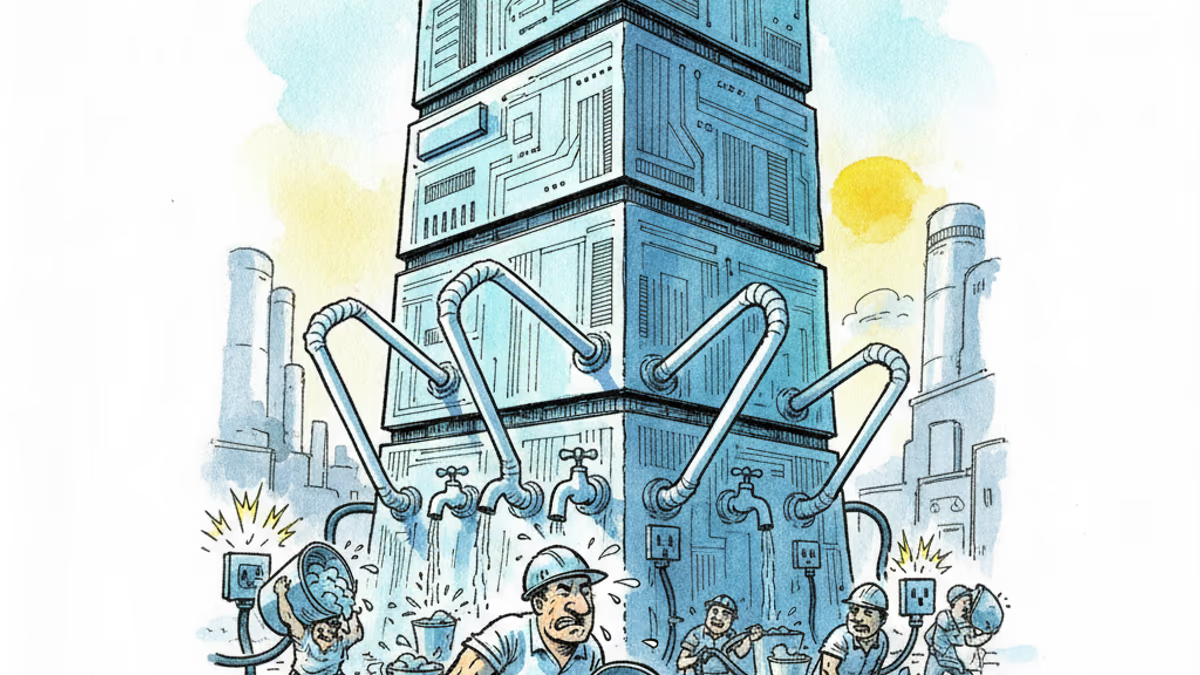
Samsung and SK unveiled a chip and AI investment package worth thousands of trillions of won on June 29. The headline number swings wildly by outlet, but the real contest isn't capital — it's water and power.
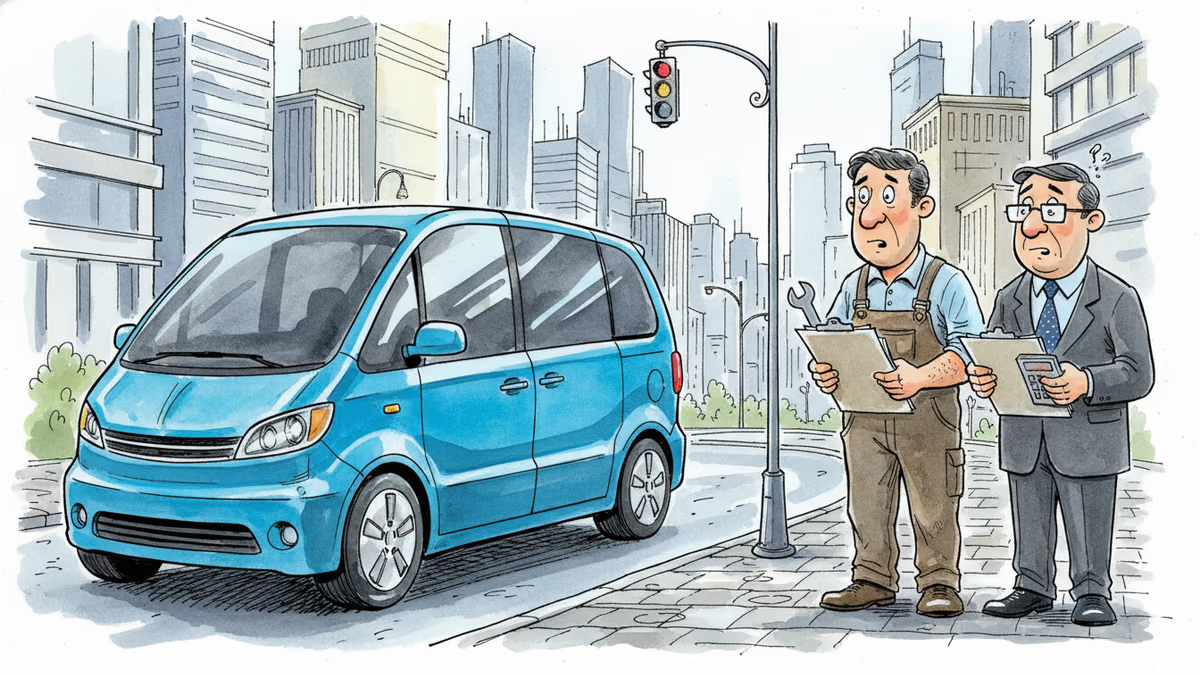
Waymo's new Ojai robotaxi isn't just a vehicle upgrade. It's the company's most serious attempt yet at cracking the cost problem that has kept autonomous vehicles from scaling. Here's what's really at stake.
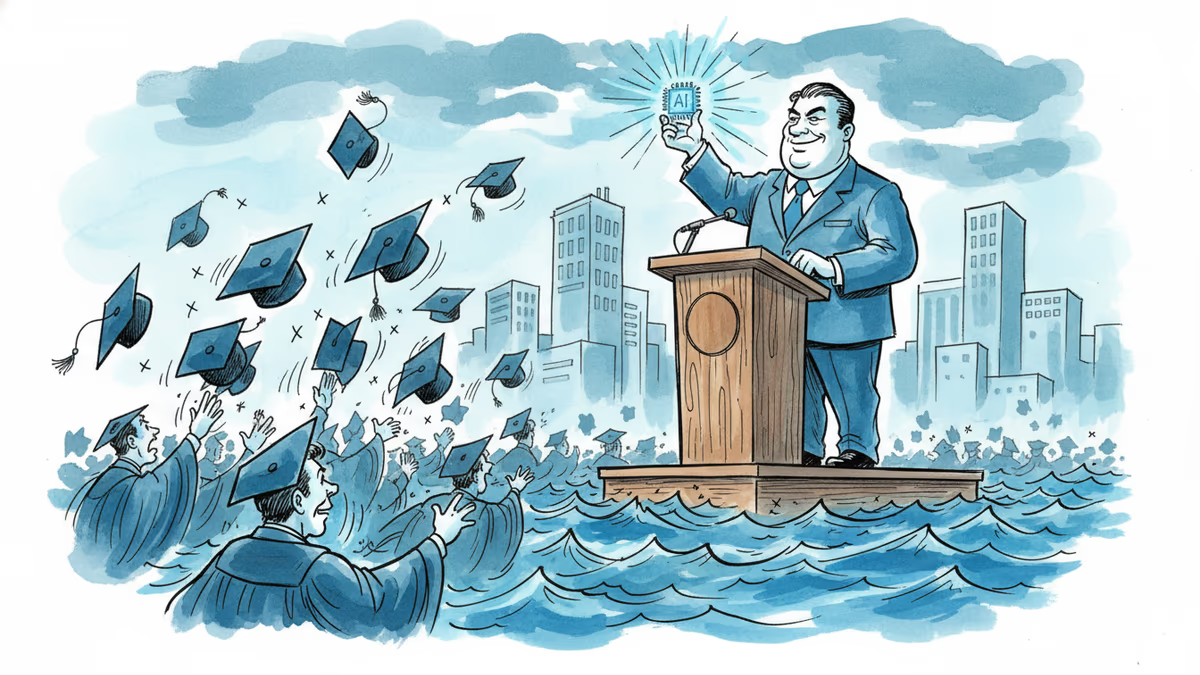
Viral videos show 2026 graduates jeering executives who praise AI at commencement ceremonies. It's not just rudeness — it's a signal about who pays for technological optimism.
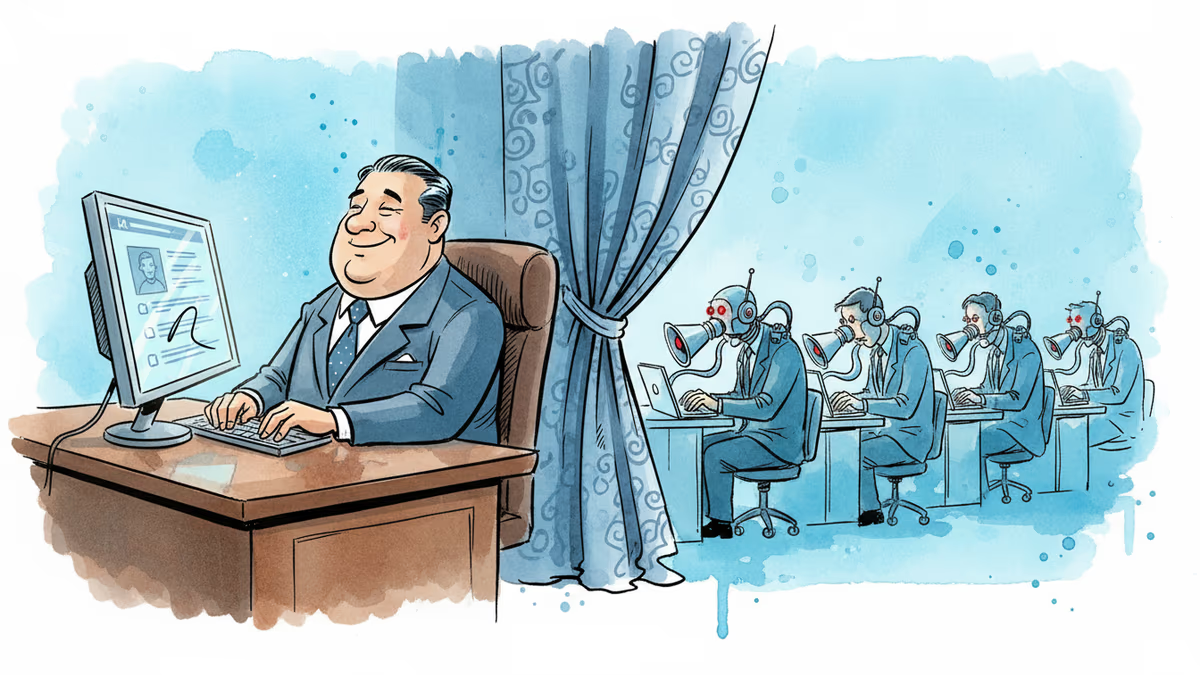
Filipino virtual assistants using AI to ghost-manage LinkedIn profiles for executives is now a structured industry. 30 comments a day, fake engagement rings, and a platform struggling to tell real from fabricated.
Samsung and SK unveiled a chip and AI investment package worth thousands of trillions of won on June 29. The headline number swings wildly by outlet, but the real contest isn't capital — it's water and power.
Waymo's new Ojai robotaxi isn't just a vehicle upgrade. It's the company's most serious attempt yet at cracking the cost problem that has kept autonomous vehicles from scaling. Here's what's really at stake.
Viral videos show 2026 graduates jeering executives who praise AI at commencement ceremonies. It's not just rudeness — it's a signal about who pays for technological optimism.
Filipino virtual assistants using AI to ghost-manage LinkedIn profiles for executives is now a structured industry. 30 comments a day, fake engagement rings, and a platform struggling to tell real from fabricated.
Thoughts
Share your thoughts on this article
Sign in to join the conversation