
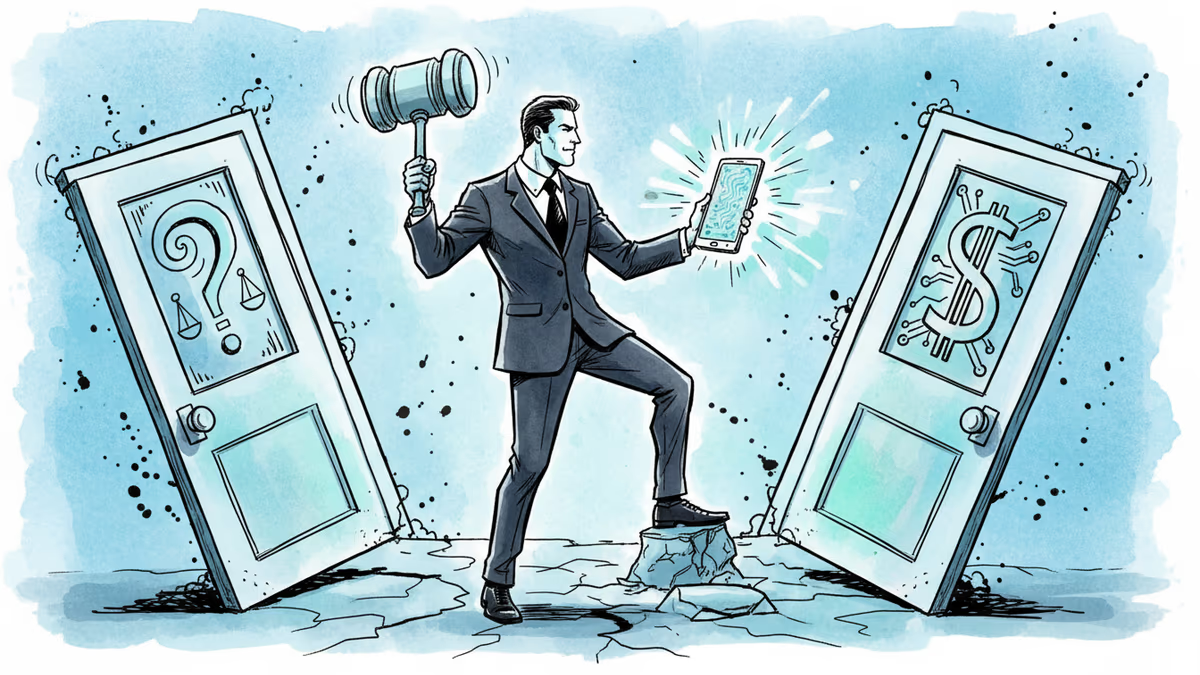
Settle or Else": The Text That Reframed the Musk-OpenAI Trial
Two days before trial, Elon Musk texted OpenAI's Greg Brockman warning he and Sam Altman would become "the most hated men in America." The judge ruled it inadmissible — but the damage to Musk's narrative may already be done.
"By the end of this week, you and Sam will be the most hated men in America."
That's what Elon Musk allegedly texted OpenAI president and co-founder Greg Brockman — not in the heat of some long-running feud, but two days before their trial began. The message arrived after Musk himself had floated the idea of a settlement.
What Happened in That Text Exchange
According to a Sunday filing by OpenAI's legal team, Musk initiated contact with Brockman suggesting the two sides settle. Brockman responded reasonably enough: let's both drop our suits. That's where the civility ended. Musk's reply, per the filing, escalated into a warning — "If you insist, so it will be" — framing the trial ahead as a reputational weapon rather than a legal remedy.
OpenAI's lawyers moved to admit this exchange as evidence. The judge said no. Under standard legal rules, communications made during settlement negotiations are generally shielded from use at trial — a protection designed to encourage parties to negotiate freely. The ruling was procedurally clean. But the filing itself was already public, and the implication had landed.
Two Theories of the Same Lawsuit

Musk's complaint, on its face, is a principled one. He argues that OpenAI has betrayed its nonprofit founding mission by converting to a for-profit structure, that its technology should be publicly available, that Microsoft's licensing deal should be voided, and that he's owed compensatory and punitive damages plus legal fees.
That's the stated case. OpenAI's countersuit tells a different story: that Musk left the organization after failing to secure control, then founded rival xAI and is now using litigation to kneecap a competitor while extracting financial benefit from its success.
For months, legal observers had been debating which version was closer to the truth. The text exchange didn't resolve that debate — but it shifted the burden. If Musk's primary motivation were genuine concern about AI safety and public access to transformative technology, a "settle or I'll destroy your reputation" message sent days before trial is a strange fit. If the motivation is competitive and financial, it fits rather neatly.
Who's Watching, and Why
The stakes here extend well beyond two wealthy men and their lawyers. Microsoft, which holds a significant licensing arrangement with OpenAI, has a direct interest in whether that agreement survives legal scrutiny. Institutional investors who backed OpenAI's for-profit conversion are watching for signals about whether that structure is legally defensible. And the broader AI industry is paying attention to what a court ruling on nonprofit-to-profit conversion might mean for their own governance choices.
Musk's sole expert witness testified that the AGI development race itself is dangerous — an argument that keeps the safety framing alive. But the optics of that argument are harder to sustain when the same plaintiff is simultaneously building Grok at xAI and competing directly for enterprise AI customers.
The trial continues. No verdict is imminent.
This content is AI-generated based on source articles. While we strive for accuracy, errors may occur. We recommend verifying with the original source.
Related Articles
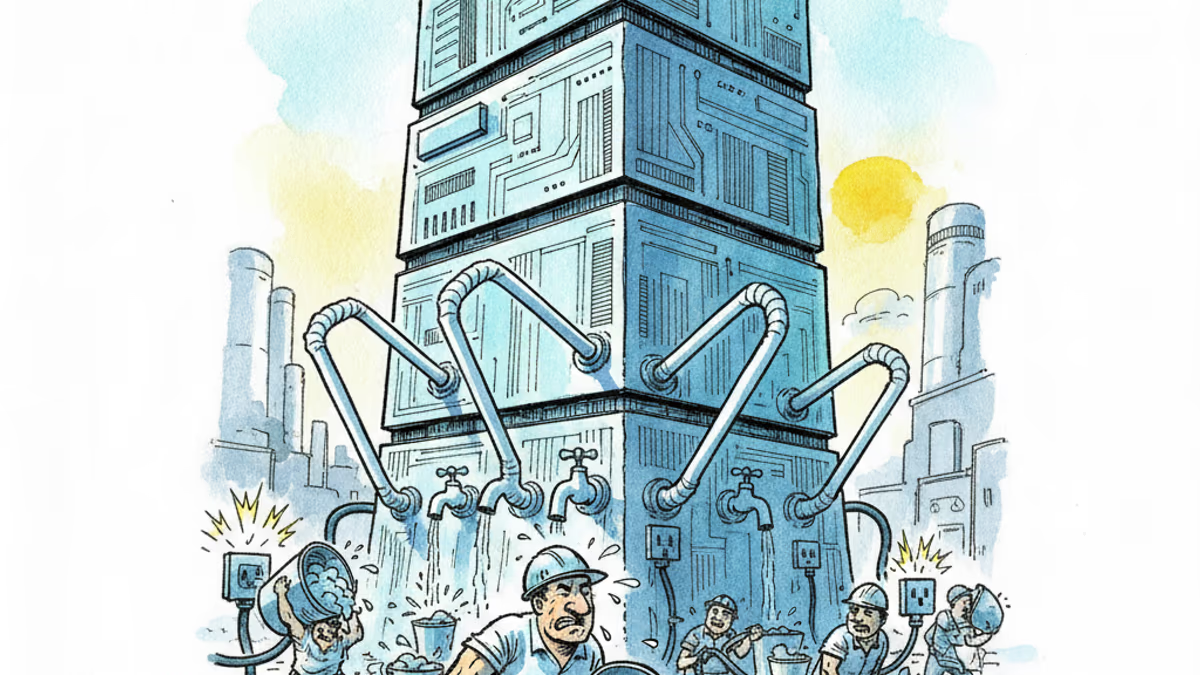
Samsung and SK unveiled a chip and AI investment package worth thousands of trillions of won on June 29. The headline number swings wildly by outlet, but the real contest isn't capital — it's water and power.
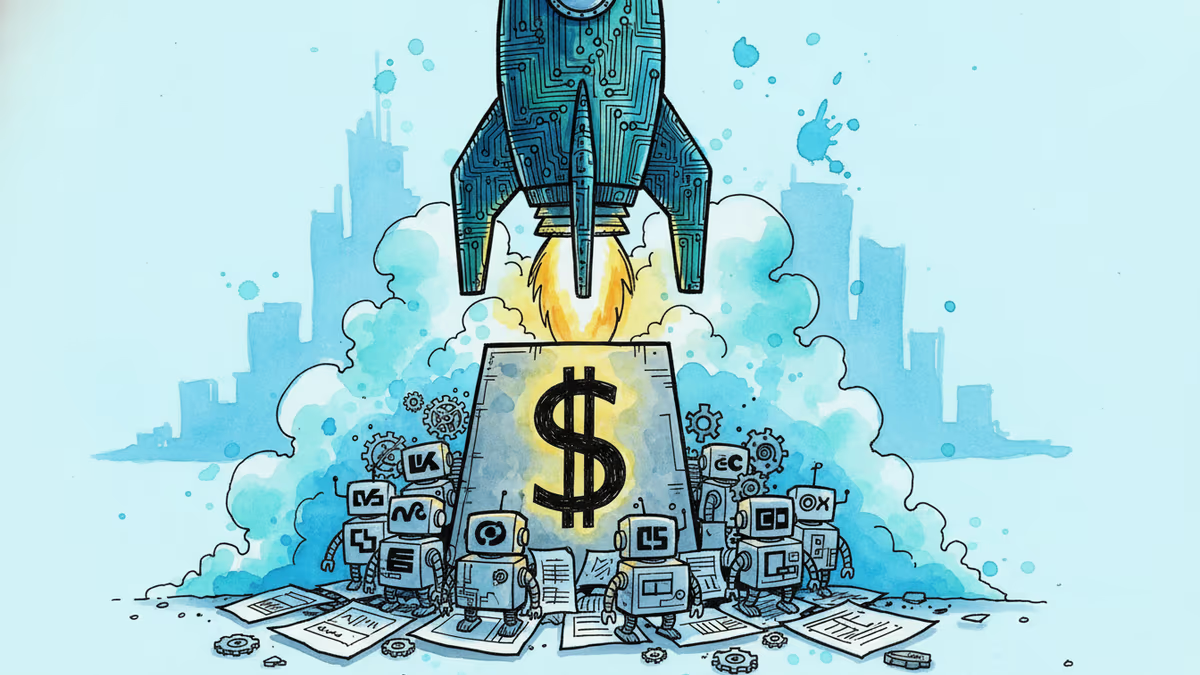
SpaceX's IPO filing puts AI at the center, claiming a $26.5 trillion market opportunity. But can Grok compete with OpenAI and Anthropic for enterprise customers?
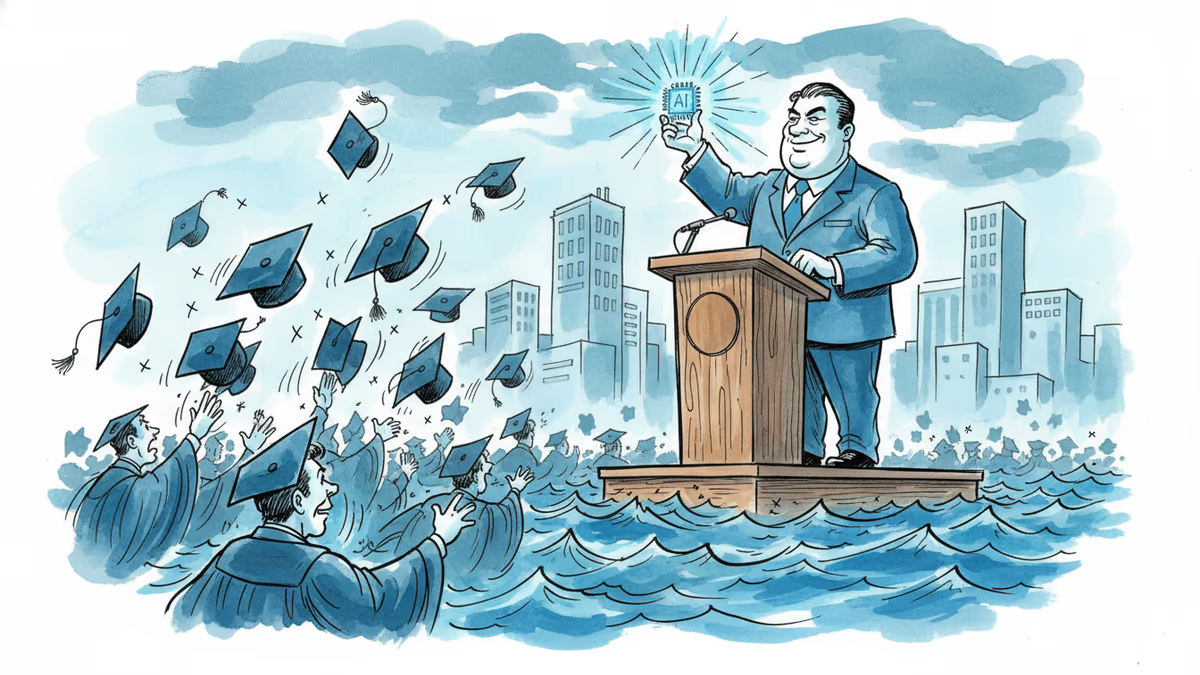
Viral videos show 2026 graduates jeering executives who praise AI at commencement ceremonies. It's not just rudeness — it's a signal about who pays for technological optimism.
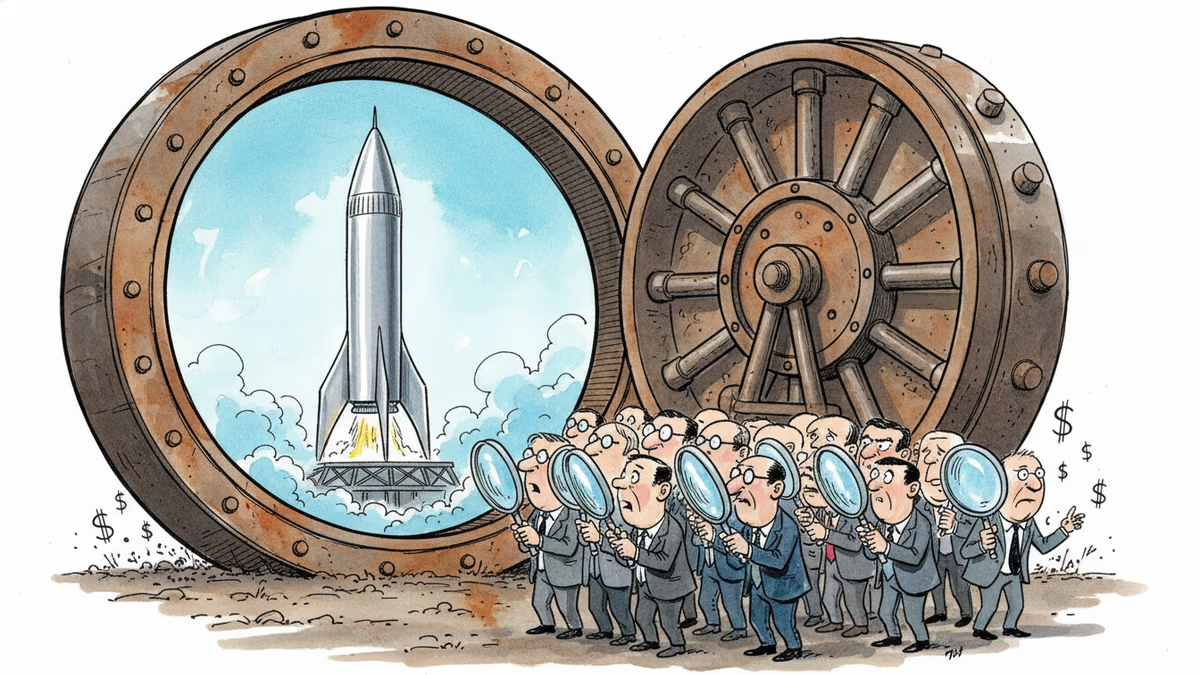
SpaceX filed a nearly 400-page S-1 with the SEC, targeting an IPO as early as June 12. Here's what the filing reveals—and what it doesn't.
Samsung and SK unveiled a chip and AI investment package worth thousands of trillions of won on June 29. The headline number swings wildly by outlet, but the real contest isn't capital — it's water and power.
SpaceX's IPO filing puts AI at the center, claiming a $26.5 trillion market opportunity. But can Grok compete with OpenAI and Anthropic for enterprise customers?
Viral videos show 2026 graduates jeering executives who praise AI at commencement ceremonies. It's not just rudeness — it's a signal about who pays for technological optimism.
SpaceX filed a nearly 400-page S-1 with the SEC, targeting an IPO as early as June 12. Here's what the filing reveals—and what it doesn't.
Thoughts
Share your thoughts on this article
Sign in to join the conversation