
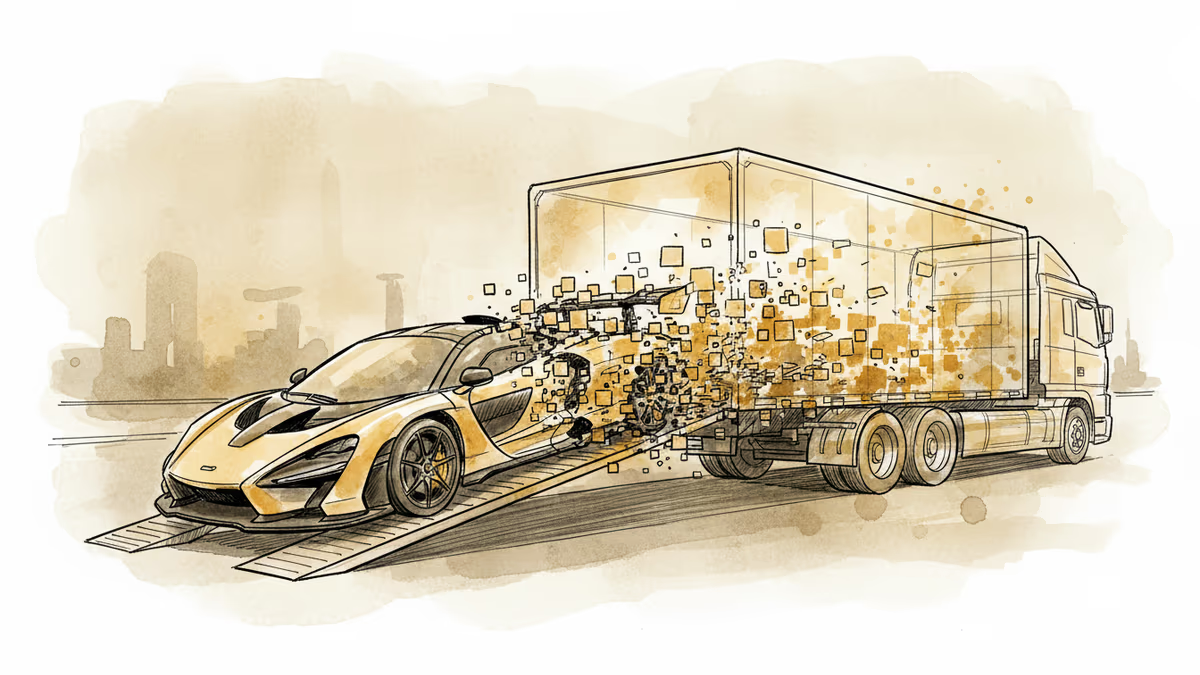
The Vanishing Act: How Criminals Make Lamborghinis Disappear
A sophisticated new form of organized crime is sweeping the globe, targeting luxury vehicles through transport fraud. Here's how high-end cars vanish without a trace.
$60 Million Worth of Dreams Just Vanished
The call came on a Tuesday morning. A Florida Lamborghini dealer had to deliver impossible news to a customer: "Sir, your $600,000 Huracán is... gone." Not stolen in a dramatic heist. Not crashed. Simply erased—as if it never existed.
The car had been handed over to what appeared to be a legitimate transport company. Proper paperwork, valid licenses, professional drivers. But somewhere between pickup and delivery, the vehicle didn't just disappear—its entire digital footprint was scrubbed clean.
This isn't your grandfather's car theft. It's a sophisticated new form of organized crime that's been quietly wreaking havoc across the automotive industry for two years, yet remains largely invisible to the public.
The Perfect Digital Heist
The criminals' playbook reads like a cyberthriller. Step one: infiltrate legitimate transport networks through phishing emails and fraudulent documentation. Step two: win contracts to move high-value vehicles by underbidding established companies. Step three: execute the pickup with military precision.
But here's where it gets interesting. These aren't just car thieves—they're systems hackers who understand that in 2026, stealing a car means stealing its data trail.
MIT Technology Review identified more than a dozen cases involving vehicles worth millions. Court records reveal a pattern: by the time owners realize their cars are missing, the vehicles have either been resold or shipped overseas, their original ownership records mysteriously corrupted or deleted.

When Trust Becomes Weaponized
The transport industry runs on trust—and that's exactly what criminals are exploiting. With over 12,000 auto transport companies operating in the US alone, verification systems rely heavily on digital credentials that can be sophisticated forgeries.
"The technology that was supposed to make logistics more secure has actually created new vulnerabilities," explains a former FBI cybercrime investigator. "These groups combine old-school social engineering with cutting-edge digital manipulation."
The economics are compelling for criminals. A single luxury vehicle can net $500,000 or more on international black markets. Compare that to traditional cargo theft, where criminals might steal $50,000 worth of electronics and face the same prison sentence.
The Ripple Effect
This isn't just about wealthy car collectors losing their toys. The fraud is reshaping entire industries. Insurance companies are hiking premiums for luxury vehicle transport by up to 40%. Dealerships are implementing blockchain-based tracking systems. Some manufacturers are considering direct-to-consumer delivery for high-end models.
The psychological impact runs deeper. "When you can't trust the fundamental systems of commerce—contracts, licenses, registration—what can you trust?" asks a logistics security consultant who's worked on several cases.
Even law enforcement is struggling. Traditional auto theft units aren't equipped to handle crimes that span multiple jurisdictions and require both physical and digital forensics. "By the time we figure out what happened, the evidence is in three different countries," admits a detective in California.
Authors
Related Articles
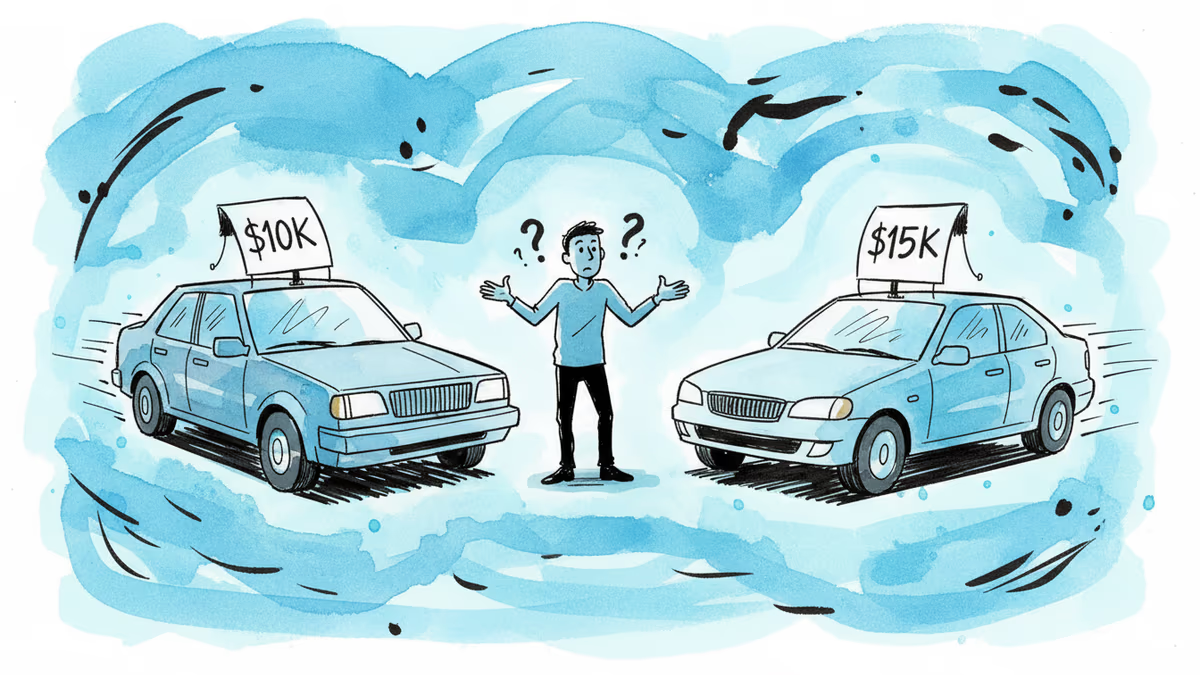
Exploring the used EV market at $15,000 budget point. BMW i3 and Chevrolet Bolt options compared with lower mileage, newer features, and better value propositions.
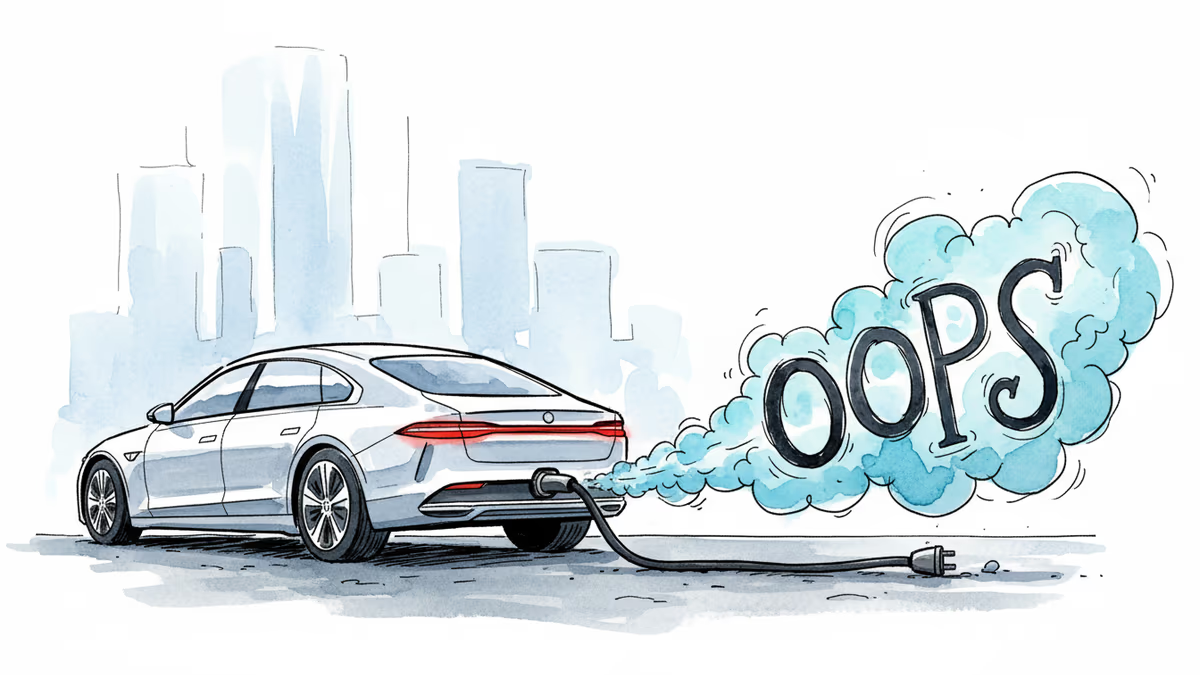
German study reveals shocking truth about plug-in hybrids - most owners rarely charge them. Porsche drivers averaged just 0.8% electric usage over two years.
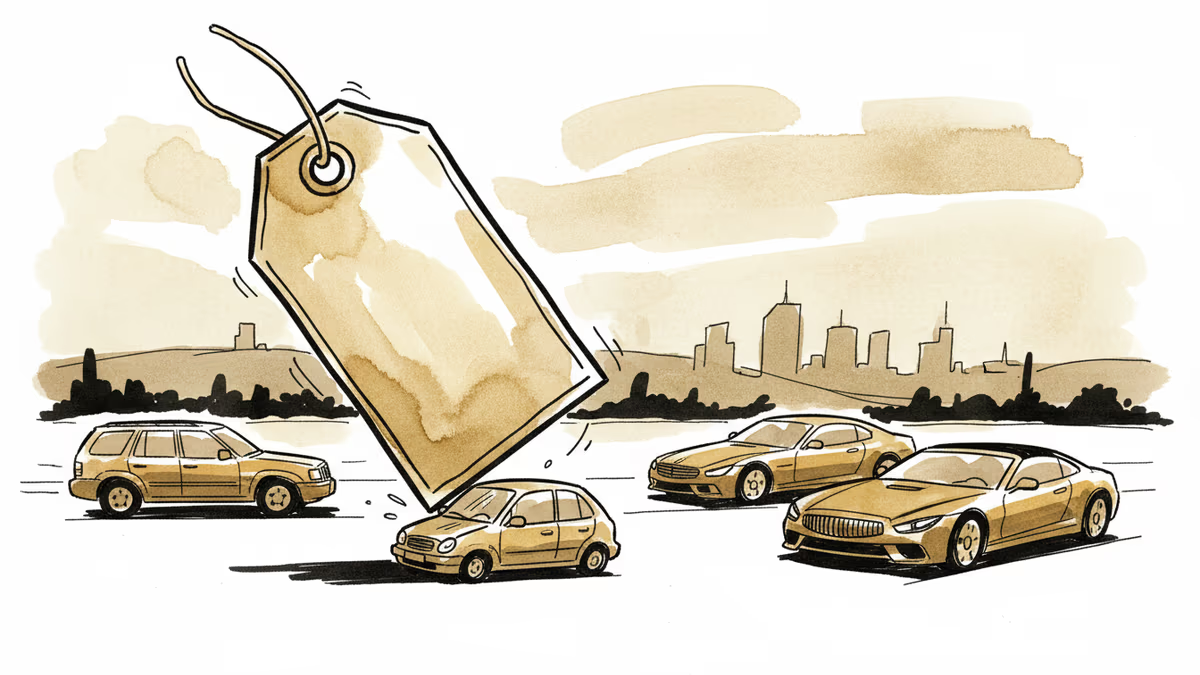
Average new car price hits $48,576 in the US, up a third since 2019. Even with tariff rollbacks, affordable cars aren't coming back. Here's why the auto industry's cost structure has fundamentally shifted.
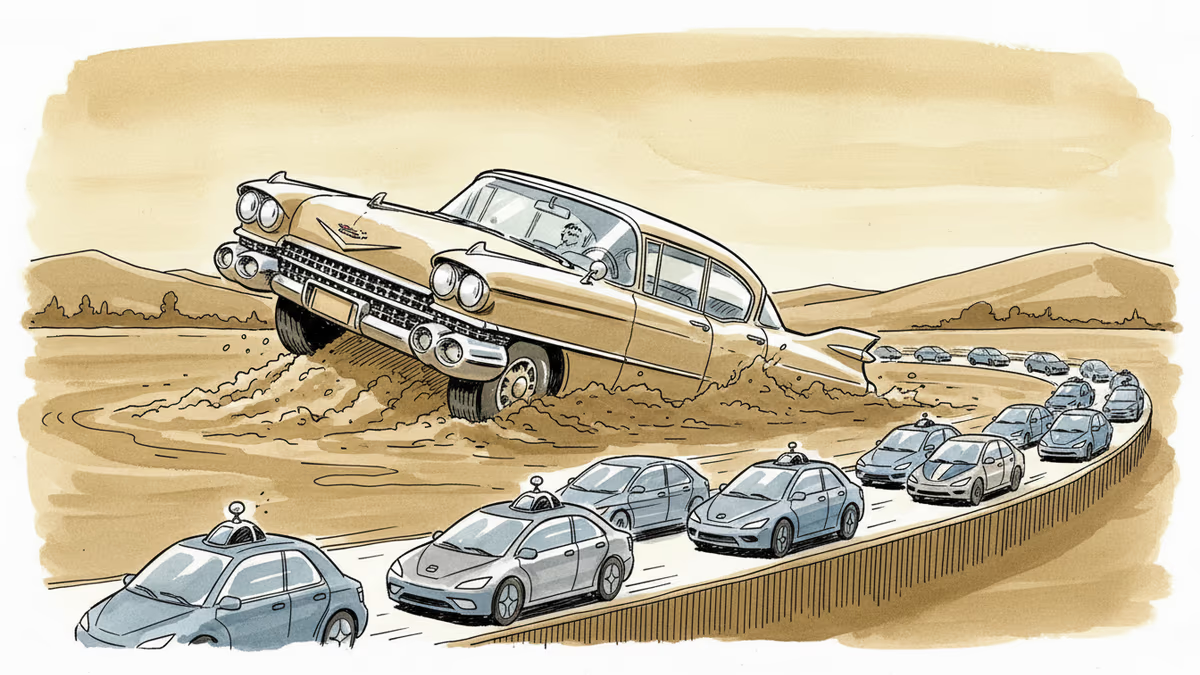
How America's once-dominant auto industry collapsed offers crucial lessons for today's market leaders facing rapid technological disruption.
Exploring the used EV market at $15,000 budget point. BMW i3 and Chevrolet Bolt options compared with lower mileage, newer features, and better value propositions.
German study reveals shocking truth about plug-in hybrids - most owners rarely charge them. Porsche drivers averaged just 0.8% electric usage over two years.
Average new car price hits $48,576 in the US, up a third since 2019. Even with tariff rollbacks, affordable cars aren't coming back. Here's why the auto industry's cost structure has fundamentally shifted.
How America's once-dominant auto industry collapsed offers crucial lessons for today's market leaders facing rapid technological disruption.
Thoughts
Share your thoughts on this article
Sign in to join the conversation