
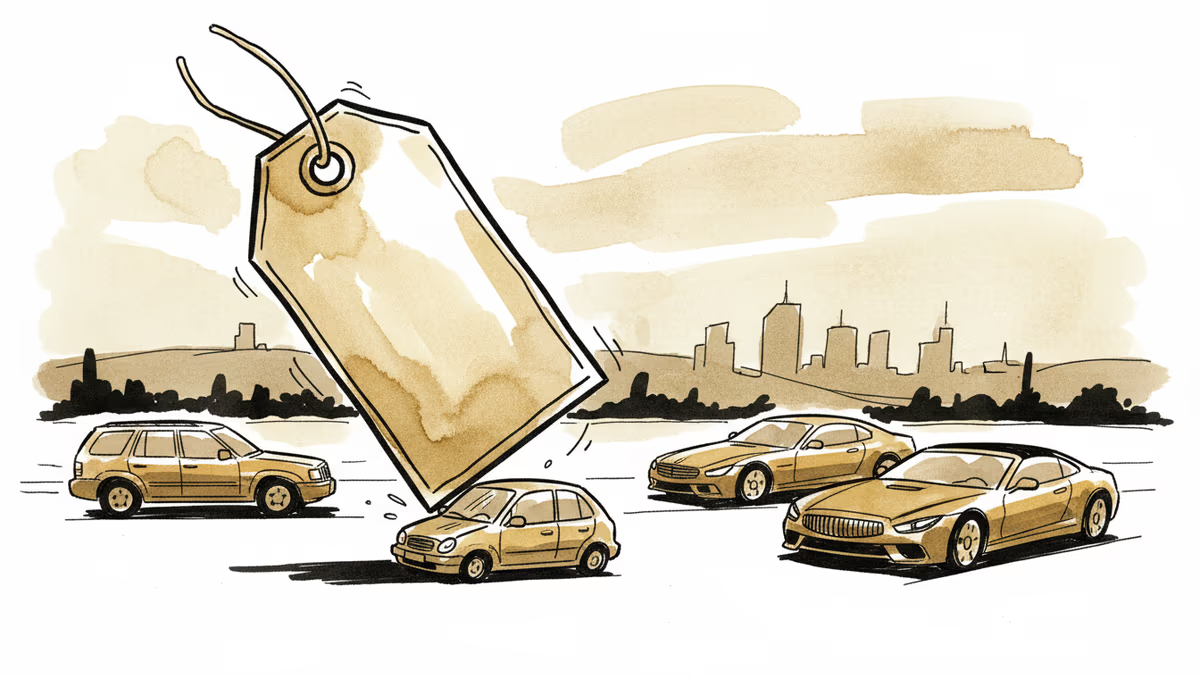
The $20,000 Car Is Officially Dead
Average new car price hits $48,576 in the US, up a third since 2019. Even with tariff rollbacks, affordable cars aren't coming back. Here's why the auto industry's cost structure has fundamentally shifted.
$48,576: The New Normal for Car Buying
Buying a new car in America now costs an average of $48,576—nearly one-third more than in 2019, according to Edmunds. The "affordable" car priced at $20,000 or less has officially joined the ranks of extinct species.
The culprits behind this price explosion are well-documented: lingering pandemic supply-chain chaos, expensive tech becoming standard, rising labor and raw material costs, and Trump-era tariffs on steel, aluminum, and imported vehicles. It's a perfect storm that's reshaped what "affordable transportation" means in America.
But here's the kicker: even with a recent Supreme Court ruling that'll nix some of those Trump tariffs, car buyers shouldn't expect any relief.
Why Tariff Relief Won't Save Your Wallet
Jessica Caldwell, Edmunds' head of insights, doesn't mince words: "The core cost structure facing the auto industry hasn't fundamentally changed overnight." Translation: cheaper cars aren't coming, regardless of this ruling.

The Supreme Court decision limits presidential power to use the International Emergency Economic Power Act for tariff emergencies. Trump wielded this authority to slap tariffs globally, declaring "large and persistent" trade deficits an emergency. Additional duties hit Canada, China, and Mexico over what the administration called emergencies related to migrant and drug flows.
But here's the catch: most auto-affecting tariffs stem from a different law—section 232 of the Trade Expansion Act. This provision targets imports that "threaten to impair" national security. Steel, aluminum, copper tariffs (key car materials), plus duties on auto parts and vehicles themselves, all fall under this provision and remain untouched. That includes 15% tariffs on cars from Europe, Japan, and South Korea.
The Industry's Vanishing Act: Shielding Consumers
Surprisingly, automakers have done a decent job protecting consumers from tariff pain—so far. While electronics and appliance retailers have blamed tariffs for steadily rising prices, car prices are up just 1% year-over-year, Edmunds data shows.
But this protective shield might be cracking. "If cost pressures continue to build," Caldwell warns, "automakers may have less room to shield shoppers from higher prices. For now, the broader market impact is still playing out."
The question isn't whether automakers want to keep absorbing costs—it's whether they can. Every manufacturer has a breaking point where margin compression becomes unsustainable.
Authors
Related Articles
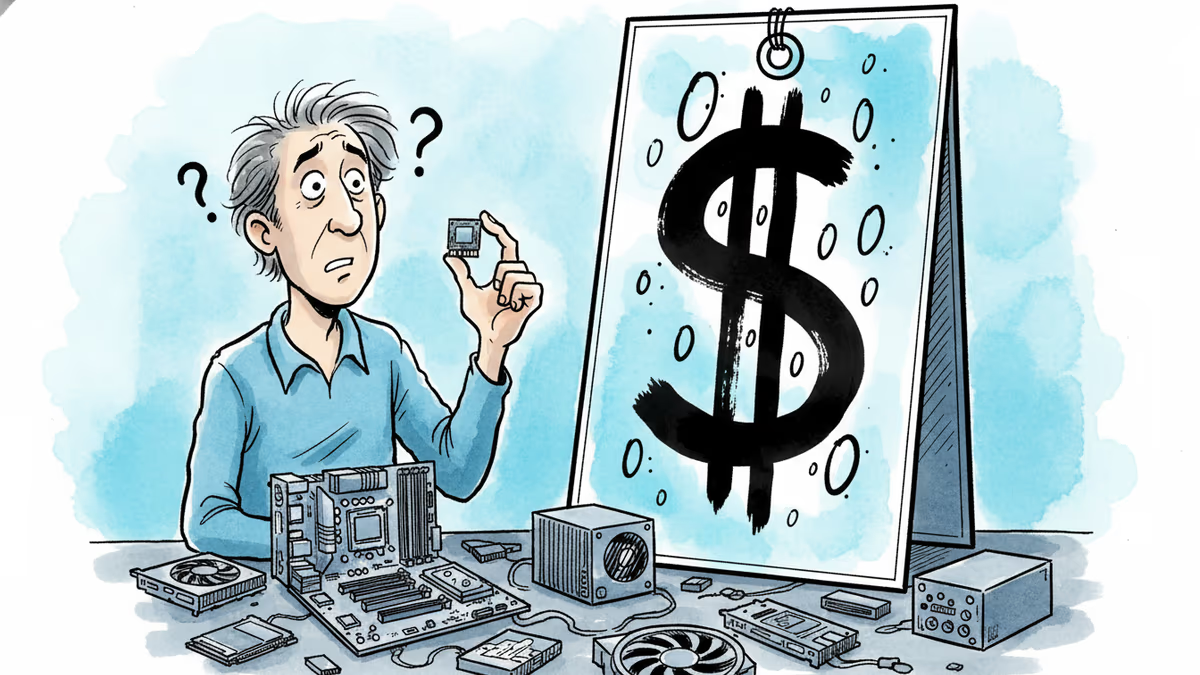
Consumer SSD prices have surged up to 400% since late 2025. WD, Samsung, SanDisk all affected. We unpack the NAND supply crunch, tariff effects, and what comes next.
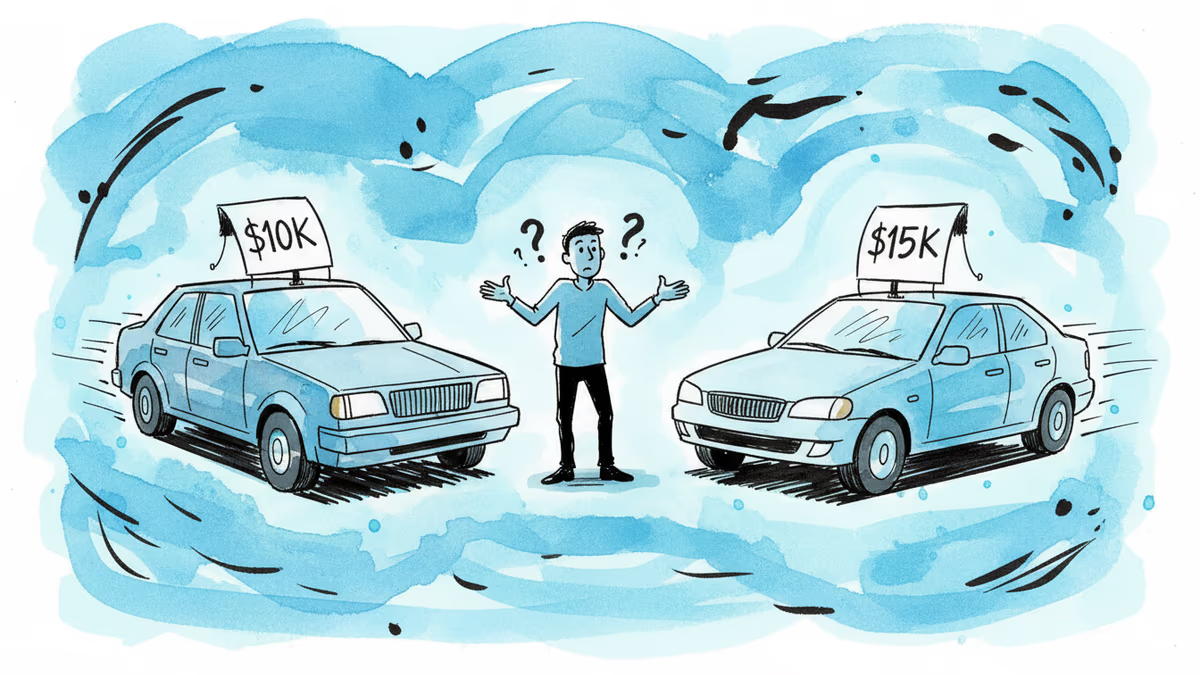
Exploring the used EV market at $15,000 budget point. BMW i3 and Chevrolet Bolt options compared with lower mileage, newer features, and better value propositions.
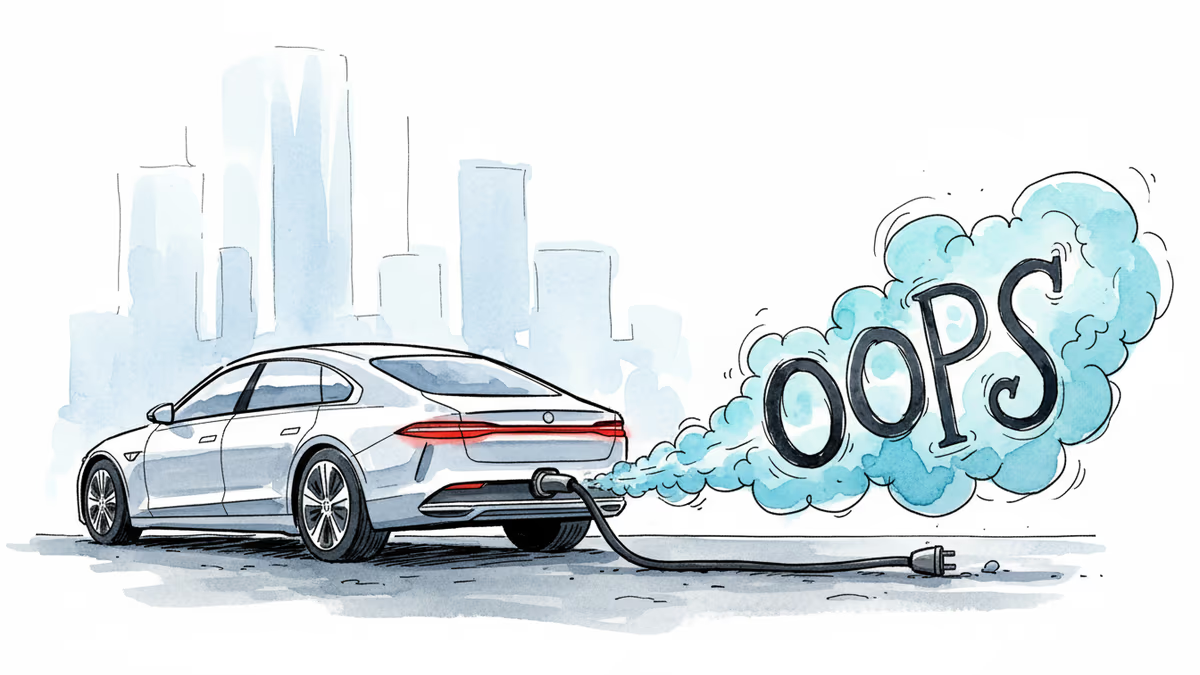
German study reveals shocking truth about plug-in hybrids - most owners rarely charge them. Porsche drivers averaged just 0.8% electric usage over two years.
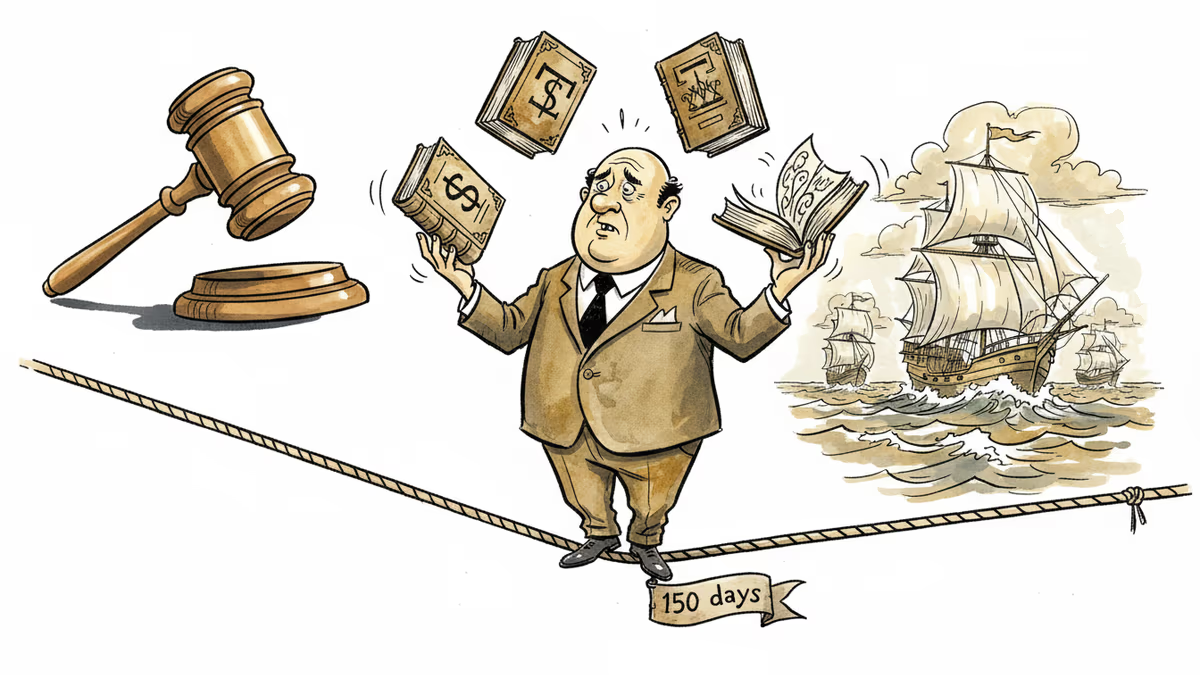
After Supreme Court blocked his tariffs, Trump finds new legal pathway to impose 10% duties. Analysis of the 150-day gambit and what it means for global trade.
Consumer SSD prices have surged up to 400% since late 2025. WD, Samsung, SanDisk all affected. We unpack the NAND supply crunch, tariff effects, and what comes next.
Exploring the used EV market at $15,000 budget point. BMW i3 and Chevrolet Bolt options compared with lower mileage, newer features, and better value propositions.
German study reveals shocking truth about plug-in hybrids - most owners rarely charge them. Porsche drivers averaged just 0.8% electric usage over two years.
After Supreme Court blocked his tariffs, Trump finds new legal pathway to impose 10% duties. Analysis of the 150-day gambit and what it means for global trade.
Thoughts
Share your thoughts on this article
Sign in to join the conversation