
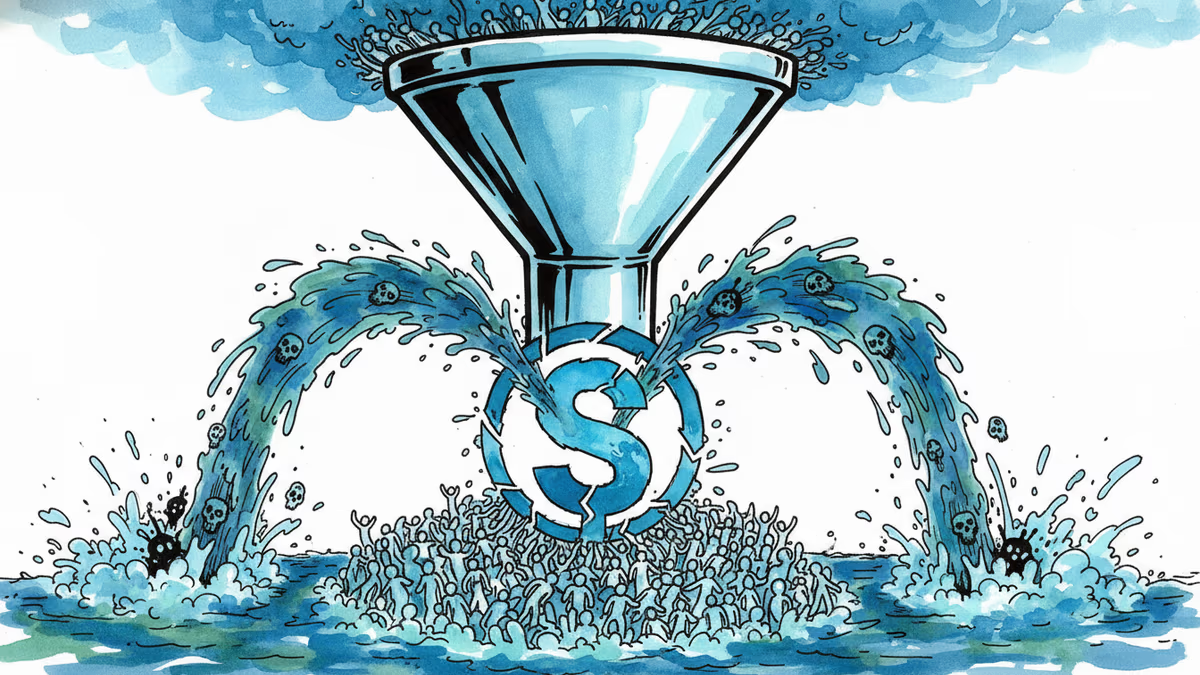
The TikTok Exodus Backfires: When Growth Meets Hate
UpScrolled gained 2.5M users after TikTok's troubles but can't moderate racial slurs and hate speech. A cautionary tale about scaling social platforms safely.
When Opportunity Meets Chaos
UpScrolled thought it hit the jackpot. As TikTok faced ownership changes in the U.S., users flocked to alternatives—and this startup caught 2.5 million of them in January alone. But there's a problem: the platform can't handle what came with them.
Usernames like "Glory to Hitler" sit alongside racial slurs. Hashtags spread hate speech. Video content glorifies extremism. Days after TechCrunch reported specific accounts to the company, they remained online, unchanged.
This isn't just another content moderation story. It's a masterclass in how growth without guardrails can destroy everything you're trying to build.
The Scale-First Trap
UpScrolled's founder Issam Hijazi promises "equal power" for every voice on the platform. The company's FAQ claims it doesn't "censor opinions" but restricts "hate speech, bullying, harassment" and content "intended to cause harm."
The reality tells a different story. With 4 million downloads since June 2025, the platform is drowning in content it can't properly review. The Anti-Defamation League identified antisemitic content and designated terrorist organizations using the platform.
When TechCrunch contacted the company, they received a standard response: "actively reviewing and removing inappropriate content" while "expanding moderation capacity." The advice? Don't engage with bad actors while they figure it out.

The Moderation Paradox
Here's what makes this crisis particularly telling: UpScrolled isn't unique. Bluesky faced similar username slur issues in July 2023, with users threatening to leave. Twitter struggled with this after Elon Musk's acquisition. Every platform that experiences rapid growth hits this wall.
But the stakes have changed. Social platforms now face:
- Regulatory scrutiny in multiple countries
- Advertiser boycotts over brand safety concerns
- User exodus when moderation fails
- Legal liability in jurisdictions with strict hate speech laws
The old "move fast and break things" philosophy breaks down when what you're breaking is user safety and trust.
Three Paths Forward
The Automation Route: Rely heavily on AI moderation, accepting some over-censorship to catch hate speech. Risk: legitimate content gets removed, users cry censorship.
The Human Army: Hire thousands of moderators across time zones and languages. Risk: expensive, traumatic work, still can't catch everything in real-time.
The Community Approach: Empower users to moderate through reporting and voting systems. Risk: brigading, inconsistent enforcement, mob rule dynamics.
Most successful platforms use a combination of all three. But that requires resources, time, and expertise that fast-growing startups often lack.
Authors
Related Articles

Snap, YouTube, and TikTok settled a landmark school district lawsuit over social media addiction. With 1,000+ similar cases pending, this could reshape Big Tech's liability landscape.
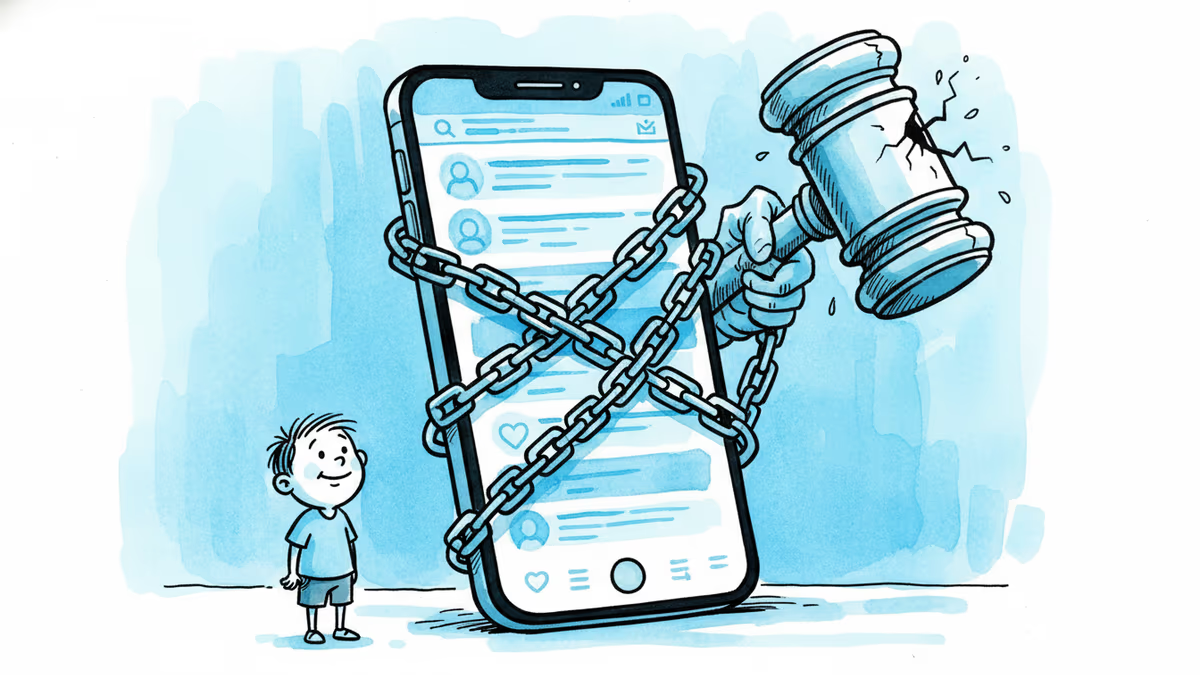
New Mexico already won $375 million from Meta. Now it wants something harder to give: a court order forcing Facebook, Instagram, and WhatsApp to redesign themselves. A three-week trial starts Monday.
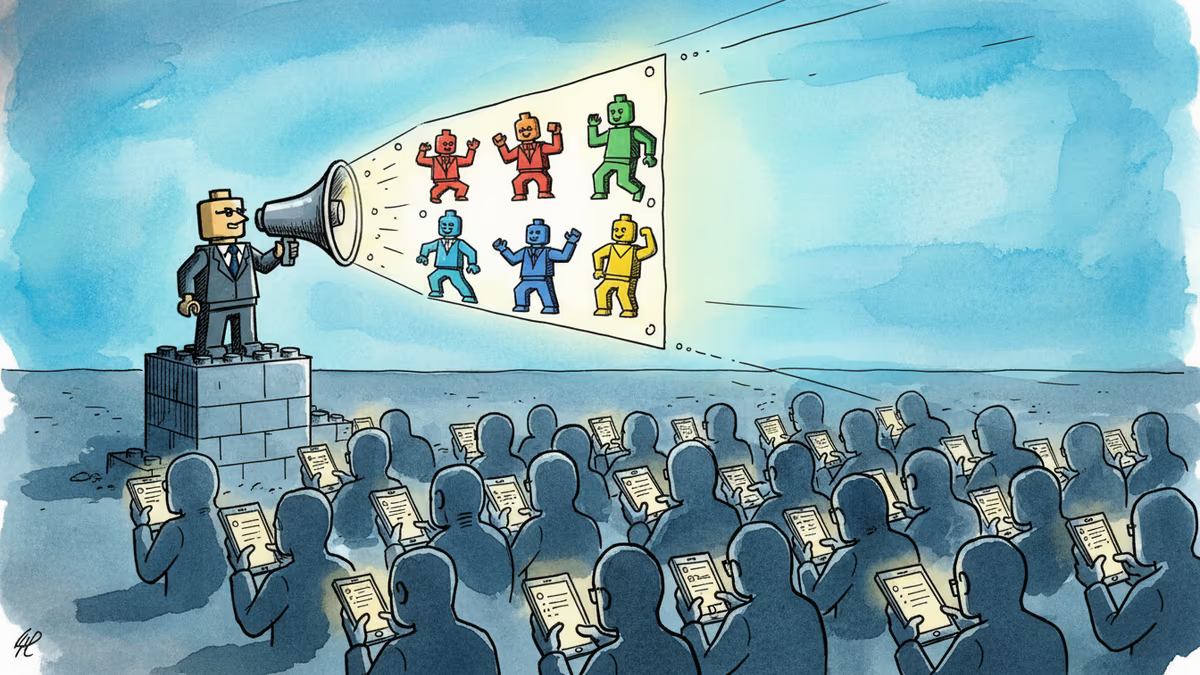
A small pro-Iran team is racking up millions of views with AI-generated Lego videos that mock Trump — and Americans are sharing them. What does that tell us about information warfare?
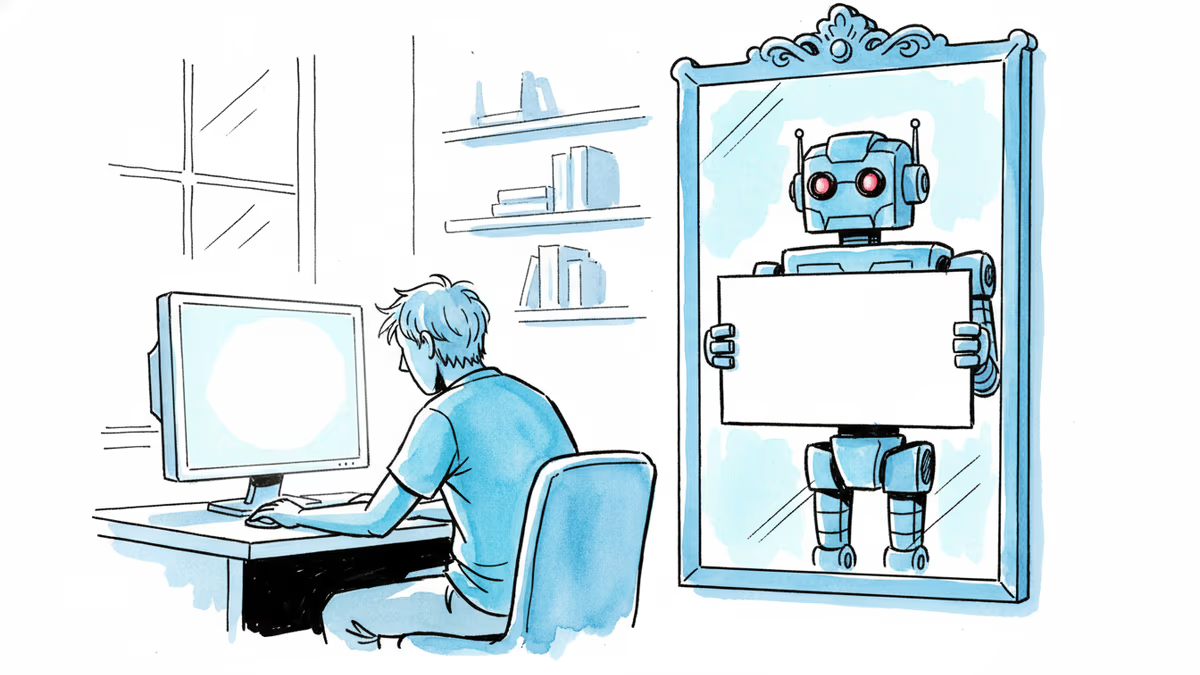
Reddit CEO Steve Huffman announced human verification for suspicious accounts. As AI bots flood the internet, one platform is drawing a line — but the line keeps moving.
Snap, YouTube, and TikTok settled a landmark school district lawsuit over social media addiction. With 1,000+ similar cases pending, this could reshape Big Tech's liability landscape.
New Mexico already won $375 million from Meta. Now it wants something harder to give: a court order forcing Facebook, Instagram, and WhatsApp to redesign themselves. A three-week trial starts Monday.
A small pro-Iran team is racking up millions of views with AI-generated Lego videos that mock Trump — and Americans are sharing them. What does that tell us about information warfare?
Reddit CEO Steve Huffman announced human verification for suspicious accounts. As AI bots flood the internet, one platform is drawing a line — but the line keeps moving.
Thoughts
Share your thoughts on this article
Sign in to join the conversation