

Under Armour Data Breach 2026: 72 Million Customers Exposed in Massive Leak
Under Armour is investigating a massive data breach affecting 72 million individuals. While the company disputes the scale, the Everest ransomware gang has leaked customer data.
72 million individuals just received a notification they dreaded. Their personal information is reportedly sitting on a hacker forum after a massive Under Armour data breach. While the company is trying to downplay the severity, the sheer volume of the leak has sent shockwaves through the cybersecurity community.
Under Armour Data Breach 2026: Timeline of the Attack
The Everest ransomware gang originally claimed responsibility for the breach back in November. However, it wasn't until this week that the scale became public. According to reports from TechCrunch, the breach notification service Have I Been Pwned (HIBP) obtained the dataset and began alerting users whose emails were found in the cache.
| Data Type | Stolen Details |
|---|---|
| Personal Info | Names, Email addresses, Genders, Dates of birth |
| Location | Postcodes and ZIP codes |
| Activity | Purchase history and employee records |

The Company's Rebuttal
Under Armour spokesperson Matt Dornic didn't mince words, calling the claim of 72 million compromised accounts "unfounded." He stated that while an unauthorized third party obtained some data, the percentage of customers with "sensitive" information affected is "very small." Notably, the company claims no evidence suggests that payment systems or customer passwords were compromised.
Authors
Related Articles
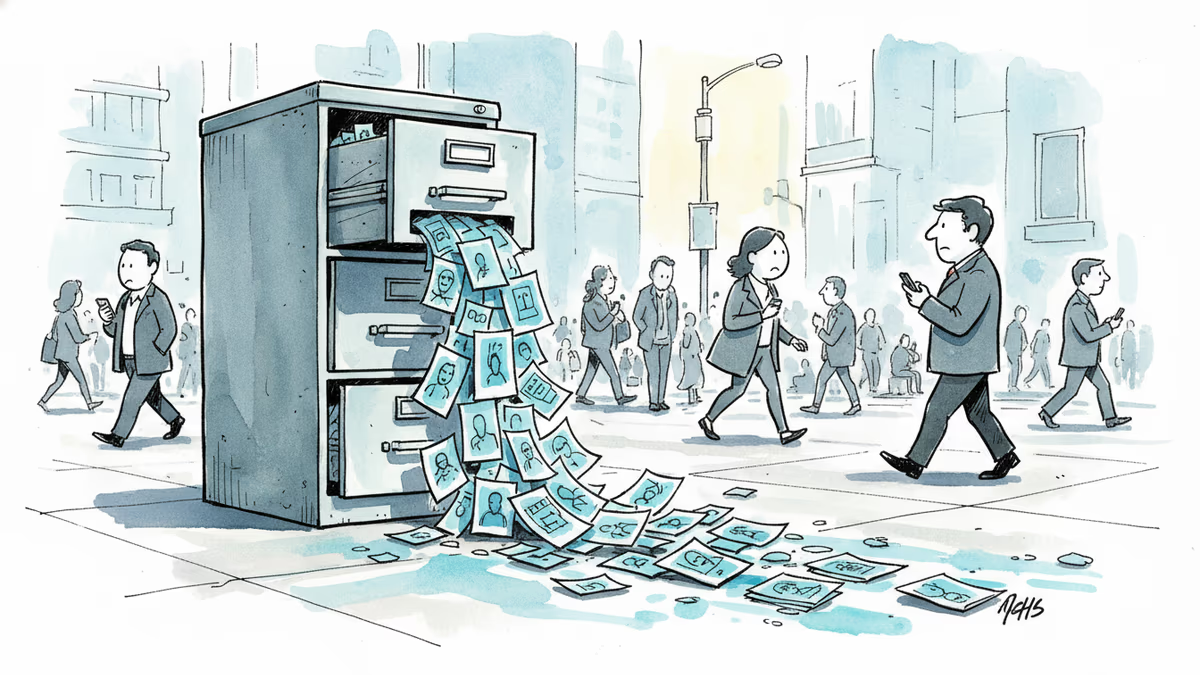
UK Visa Portal, a private immigration service mistaken for an official government site, has been exposing passport scans and selfies of over 100,000 applicants. The breach remains unpatched.
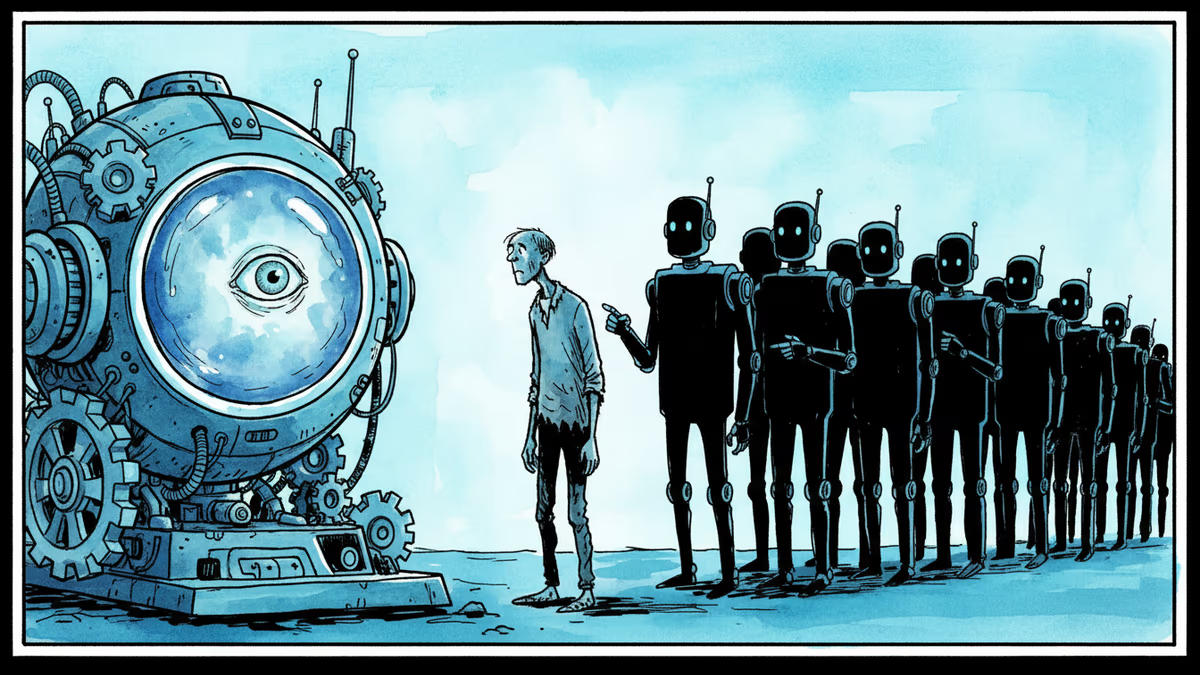
Tinder now rewards users who scan their irises at a World orb with free in-app boosts. As AI agents flood dating apps, 'being human' is becoming a verified status — and a business model.
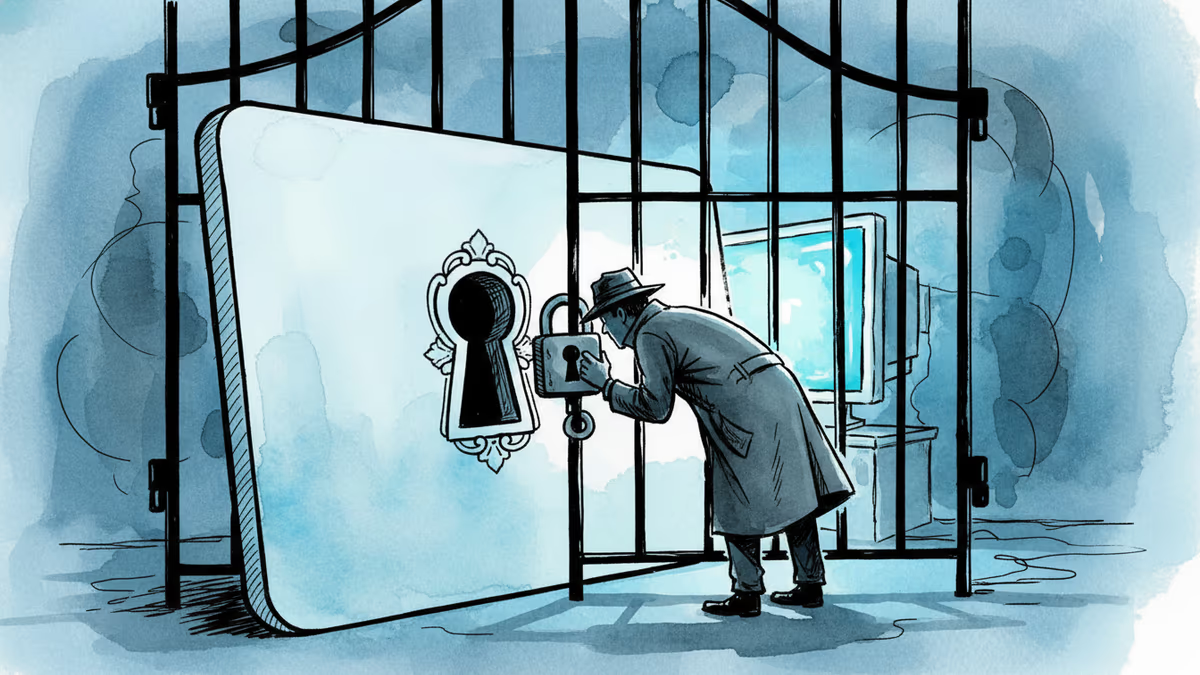
Wisconsin Governor Tony Evers vetoed an age verification bill for adult sites, citing privacy concerns. With 25+ states going the other way, the debate cuts to the heart of online freedom vs. child protection.
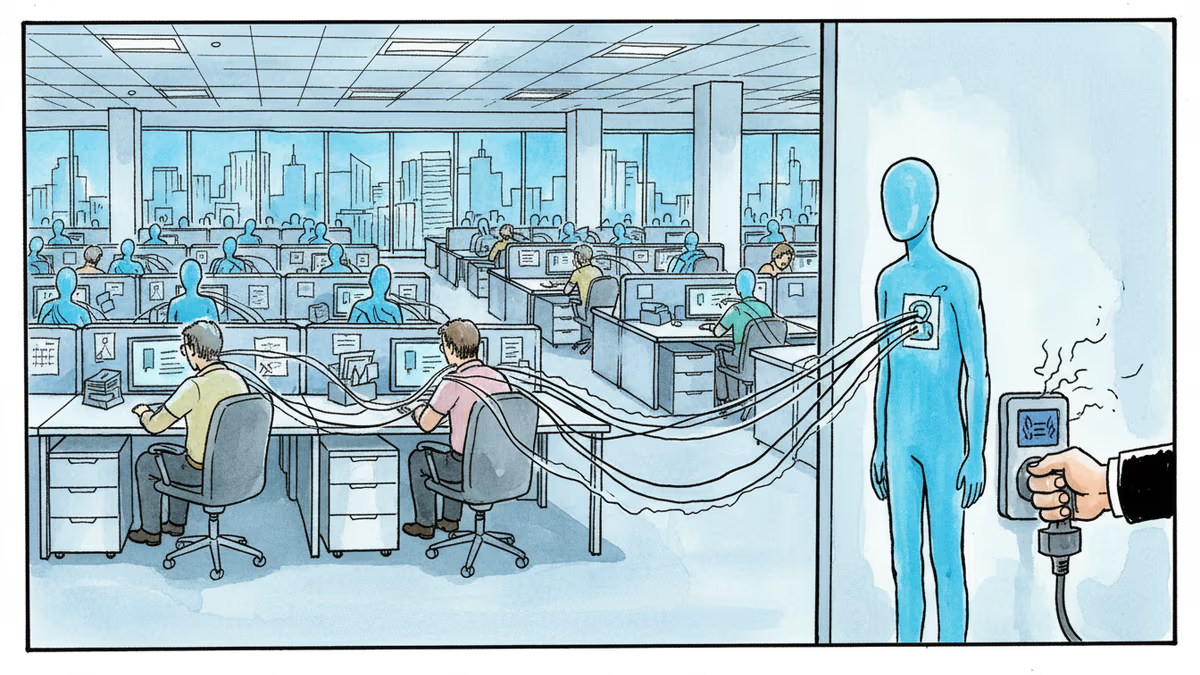
Okta CEO Todd McKinnon on why AI agents need identity management, the SaaSpocalypse threat, and why the kill switch might be the most important button in enterprise tech.
UK Visa Portal, a private immigration service mistaken for an official government site, has been exposing passport scans and selfies of over 100,000 applicants. The breach remains unpatched.
Tinder now rewards users who scan their irises at a World orb with free in-app boosts. As AI agents flood dating apps, 'being human' is becoming a verified status — and a business model.
Wisconsin Governor Tony Evers vetoed an age verification bill for adult sites, citing privacy concerns. With 25+ states going the other way, the debate cuts to the heart of online freedom vs. child protection.
Okta CEO Todd McKinnon on why AI agents need identity management, the SaaSpocalypse threat, and why the kill switch might be the most important button in enterprise tech.
Thoughts
Share your thoughts on this article
Sign in to join the conversation