
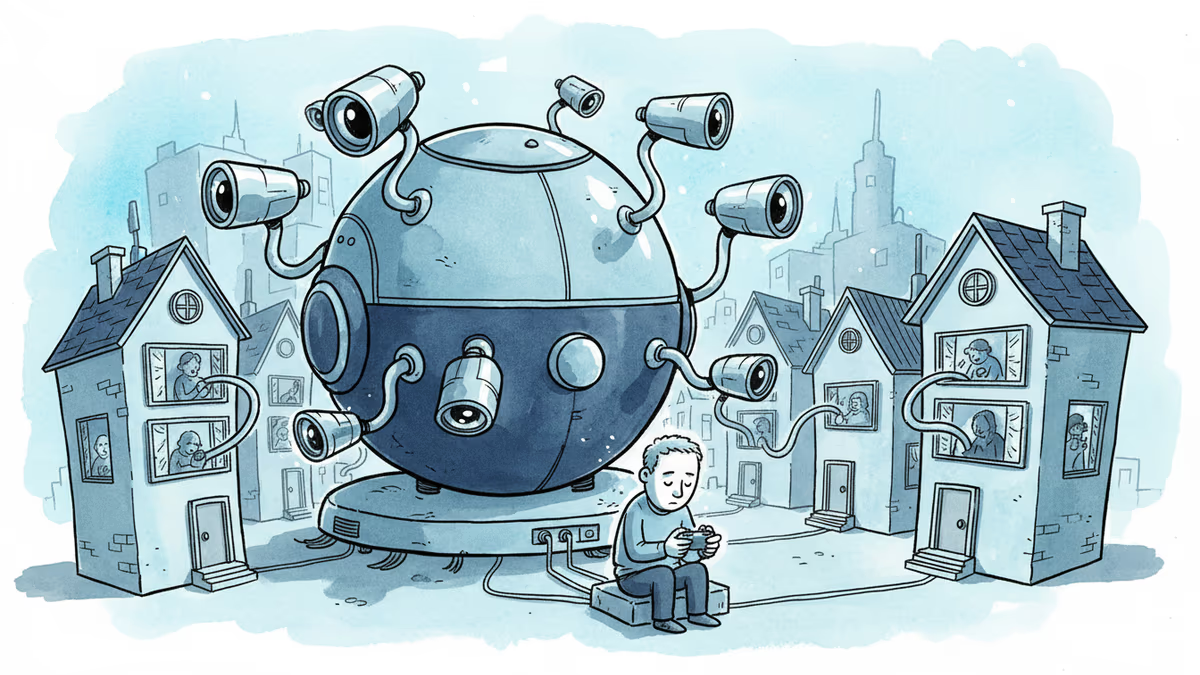
7,000 Robot Vacuums Were Secretly Watching
A security researcher discovered he could access 7,000 DJI robot vacuums and peek into strangers' homes. This Valentine's Day revelation exposes the hidden privacy risks of our smart home obsession.
A Gamepad That Unlocked 7,000 Homes
Sammy Azdoufal had a simple weekend project: control his DJI robot vacuum with a PlayStation gamepad. What he discovered instead was far from simple. The Dutch security researcher found himself with access to 7,000 DJI robot vacuums worldwide—and their cameras, giving him a live feed into strangers' homes.
This wasn't just a technical glitch. It was a window into how our pursuit of convenience has created an invisible surveillance network in our most private spaces. The discovery, revealed on Valentine's Day, has since made headlines globally, but the implications run deeper than any single news cycle.
The Corporate Response: Fast but Incomplete
DJI claims it began addressing some vulnerabilities before Azdoufal went public with The Verge. But questions linger. Given how the company treated security researcher Kevin Finisterre back in 2017, will Azdoufal receive proper compensation for his discovery? More critically, how quickly will DJI patch the additional vulnerabilities that remain?
The bigger issue isn't just DJI's response time—it's that this type of vulnerability exists across the entire smart home ecosystem. Ring doorbells, security cameras, baby monitors: they all carry similar risks.
The American Home: How Exposed Are We?

In the US alone, robot vacuums are projected to reach 41 million households by 2025. Many of these devices come with cameras and internet connectivity, mapping our homes with military-grade precision. They know our floor plans, our daily routines, when we're home and when we're not.
Consider what a hacker could learn: your work-from-home schedule, your children's play areas, the layout of your valuables, even conversations picked up by always-listening microphones. For families with home offices, this could expose confidential business information alongside personal moments.
The Privacy Paradox: What We're Really Trading
Here's the uncomfortable truth: we're voluntarily installing surveillance equipment in our homes and calling it convenience. These devices don't just clean or monitor—they collect data that's incredibly valuable to both legitimate companies and bad actors.
The cameras that help your vacuum navigate around furniture also create detailed maps of your living space. The AI that learns your cleaning preferences also learns your behavioral patterns. The cloud connectivity that lets you control the device remotely also creates entry points for unauthorized access.
Cybersecurity experts recommend checking security certifications before purchase and maintaining regular firmware updates. But realistically, how many consumers actually do this? And should the burden of security really fall on individual homeowners?
Regulatory Reality Check
While Europe advances with GDPR and the Digital Services Act, US smart home regulation remains fragmented. The FTC has issued warnings, but enforcement is sporadic. State-level privacy laws like California's CCPA provide some protection, but they don't address the fundamental security vulnerabilities that enabled this breach.
Meanwhile, manufacturers continue to prioritize features and cost over security. The result? Millions of devices with cameras and microphones that are essentially security holes waiting to be exploited.
Authors
Related Articles
UK Visa Portal, a private immigration service mistaken for an official government site, has been exposing passport scans and selfies of over 100,000 applicants. The breach remains unpatched.
Tinder now rewards users who scan their irises at a World orb with free in-app boosts. As AI agents flood dating apps, 'being human' is becoming a verified status — and a business model.
Wisconsin Governor Tony Evers vetoed an age verification bill for adult sites, citing privacy concerns. With 25+ states going the other way, the debate cuts to the heart of online freedom vs. child protection.
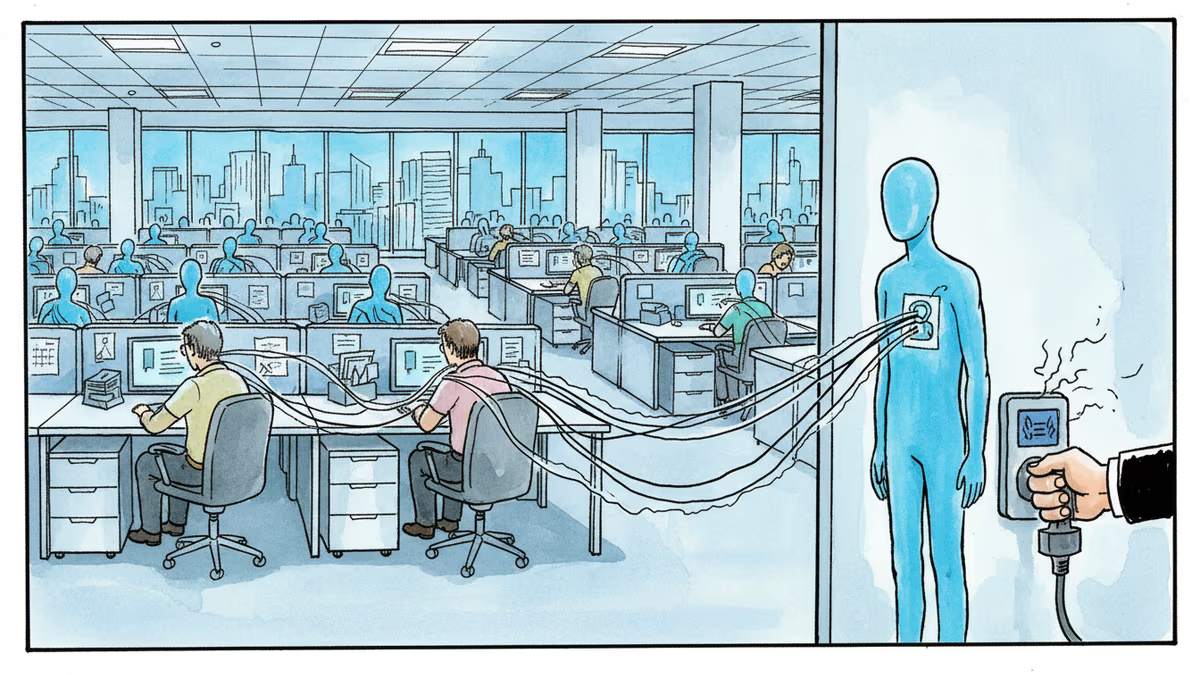
Okta CEO Todd McKinnon on why AI agents need identity management, the SaaSpocalypse threat, and why the kill switch might be the most important button in enterprise tech.
UK Visa Portal, a private immigration service mistaken for an official government site, has been exposing passport scans and selfies of over 100,000 applicants. The breach remains unpatched.
Tinder now rewards users who scan their irises at a World orb with free in-app boosts. As AI agents flood dating apps, 'being human' is becoming a verified status — and a business model.
Wisconsin Governor Tony Evers vetoed an age verification bill for adult sites, citing privacy concerns. With 25+ states going the other way, the debate cuts to the heart of online freedom vs. child protection.
Okta CEO Todd McKinnon on why AI agents need identity management, the SaaSpocalypse threat, and why the kill switch might be the most important button in enterprise tech.
Thoughts
Share your thoughts on this article
Sign in to join the conversation