
ICE Uses AI to Sort Tips While Tech Workers Fear for Safety
As ICE deploys Palantir's AI tools for immigration enforcement, Google DeepMind staff request protection. The Minnesota crisis reveals how AI amplifies misinformation.
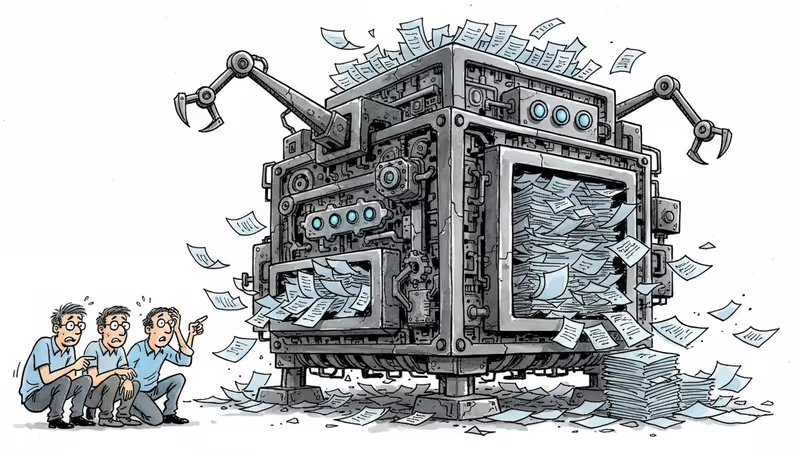
While the world watched ICE agents arrest a 5-year-old child and fatally shoot a nurse in Minneapolis, a quieter but perhaps more consequential shift was happening behind the scenes. The Immigration and Customs Enforcement agency has begun using Palantir's AI tools to sort through tips and prioritize enforcement actions.
This isn't just about faster processing. It's about algorithmic decision-making determining which communities get targeted, which tips get elevated, and how resources get deployed across the country.
When Algorithms Meet Enforcement
Palantir, the data analytics company that cut its teeth serving the Pentagon and CIA, now helps ICE make sense of the flood of immigration-related information it receives daily. The AI doesn't just organize data—it makes recommendations about which cases deserve immediate attention and which regions should receive additional resources.
But here's the problem: we don't know how these algorithms make their decisions. What criteria does the AI use to flag a community as "high-risk"? How does it weigh social media chatter against official reports? The targeting of Minnesota's Somali-American community raises uncomfortable questions about whether these systems amplify existing biases.
The concern is real enough that Google DeepMind employees have asked their leadership to keep them "physically safe" from ICE. When the people building AI systems fear their own government's use of the technology, that should give us pause.
The Misinformation-to-Policy Pipeline
The Minnesota crisis began with a YouTube video. Far-right influencer Nick Shirley posted claims—without evidence—that Somali-run daycare centers had misappropriated millions of dollars in Medicaid funds. The video went viral, caught the Trump administration's attention, and triggered the massive ICE operation we're witnessing today.

This reveals a dangerous new dynamic: how viral misinformation can feed directly into AI-powered enforcement systems. If algorithms prioritize high-engagement content, false claims that generate outrage could artificially inflate their importance in government databases.
After Representative Ilhan Omar was sprayed with an unknown substance at a town hall, right-wing influencers immediately claimed it was staged. Even President Trump suggested "she probably staged it herself." This instant conspiracy-theory response has become the playbook—and AI systems trained on social media data might struggle to distinguish between genuine intelligence and manufactured outrage.
The Global Implications
This isn't just an American problem. Governments worldwide are deploying AI for everything from border security to social services. The UK's Home Office uses algorithmic tools for visa processing. European agencies employ AI to detect benefit fraud. China's surveillance apparatus is built on similar foundations.
The Minnesota case shows how quickly things can escalate when AI-powered systems interact with political pressure and social media manipulation. What starts as "efficiency improvements" can rapidly become tools of targeted enforcement against specific communities.
Tech companies find themselves in an impossible position. Their AI tools can genuinely help governments serve citizens better—faster processing times, reduced paperwork, more consistent decisions. But those same tools can also enable surveillance, discrimination, and the kind of enforcement actions we're seeing in Minneapolis.
The Accountability Gap
Perhaps most troubling is the lack of transparency. When ICE makes an enforcement decision based on AI recommendations, how can affected communities challenge it? Traditional legal protections assume human decision-makers who can explain their reasoning. Algorithmic systems often can't—or won't—provide that explanation.
The Trump administration's initial response to criticism was typical: never retreat, never explain. But the backlash over Minnesota has been severe enough to force some backtracking. That suggests there might still be political limits to how AI-powered enforcement can operate.
Yet those limits depend on public awareness and pressure. If we don't understand how these systems work, we can't hold them accountable.
Authors
Related Articles
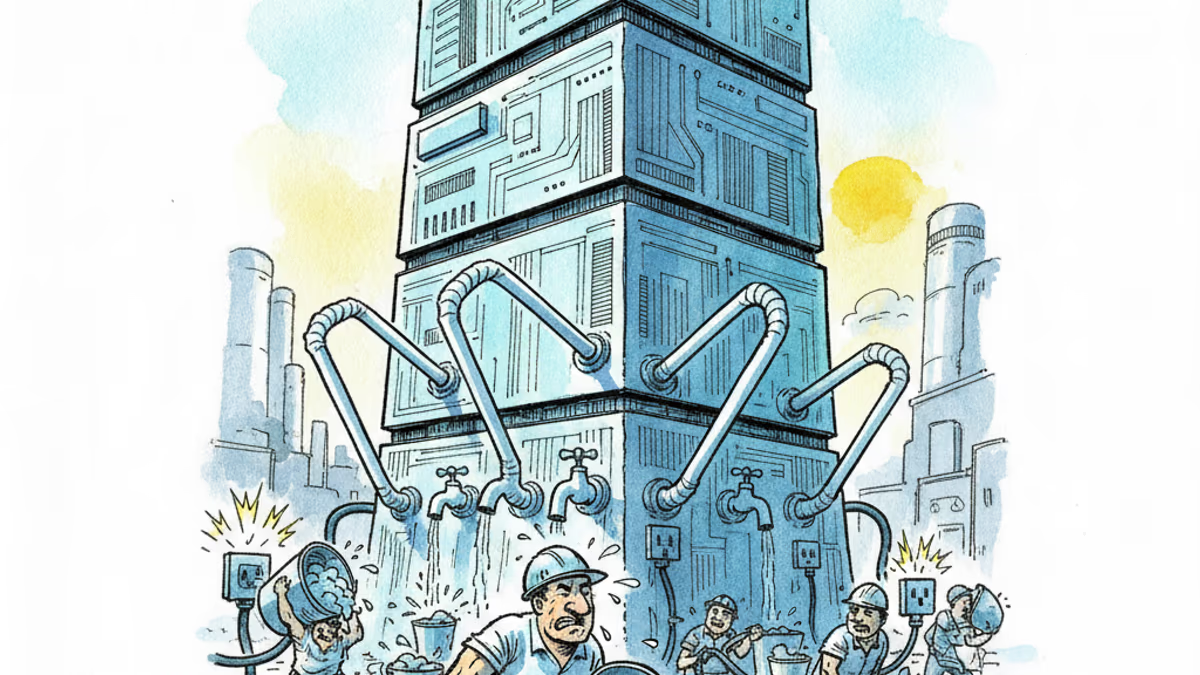
Samsung and SK unveiled a chip and AI investment package worth thousands of trillions of won on June 29. The headline number swings wildly by outlet, but the real contest isn't capital — it's water and power.
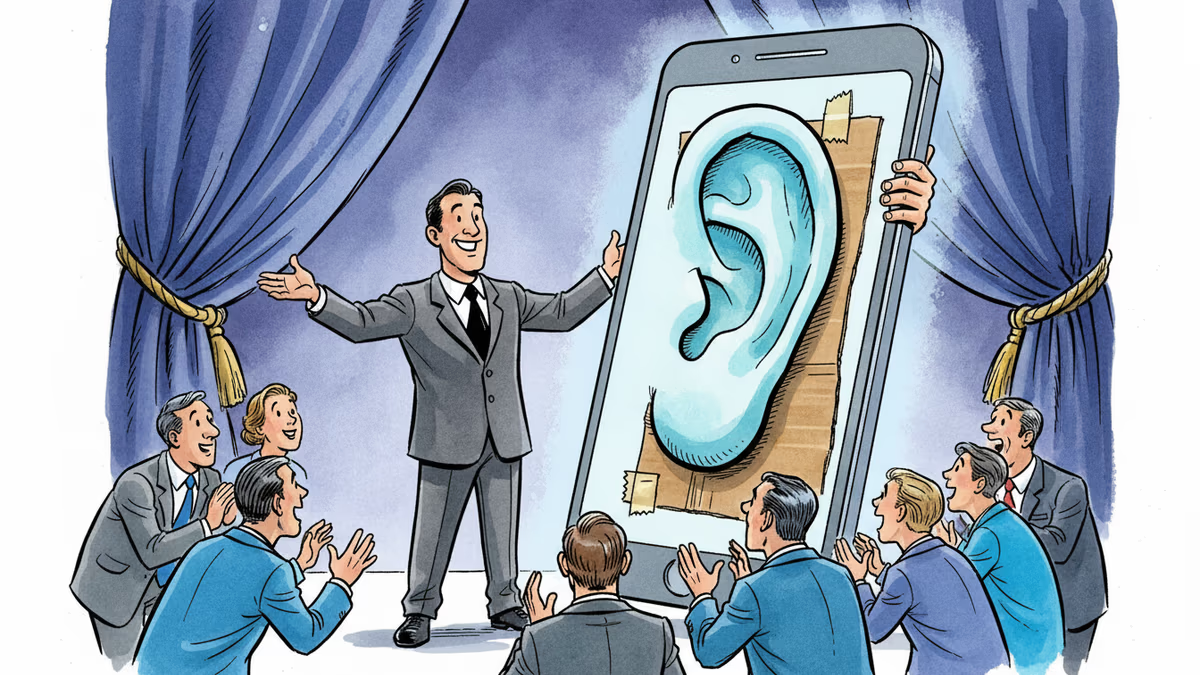
The FTC fined Cox Media and two ad firms $930,000 — not for actually eavesdropping on users, but for falsely claiming they could. The case raises uncomfortable questions about surveillance capitalism.
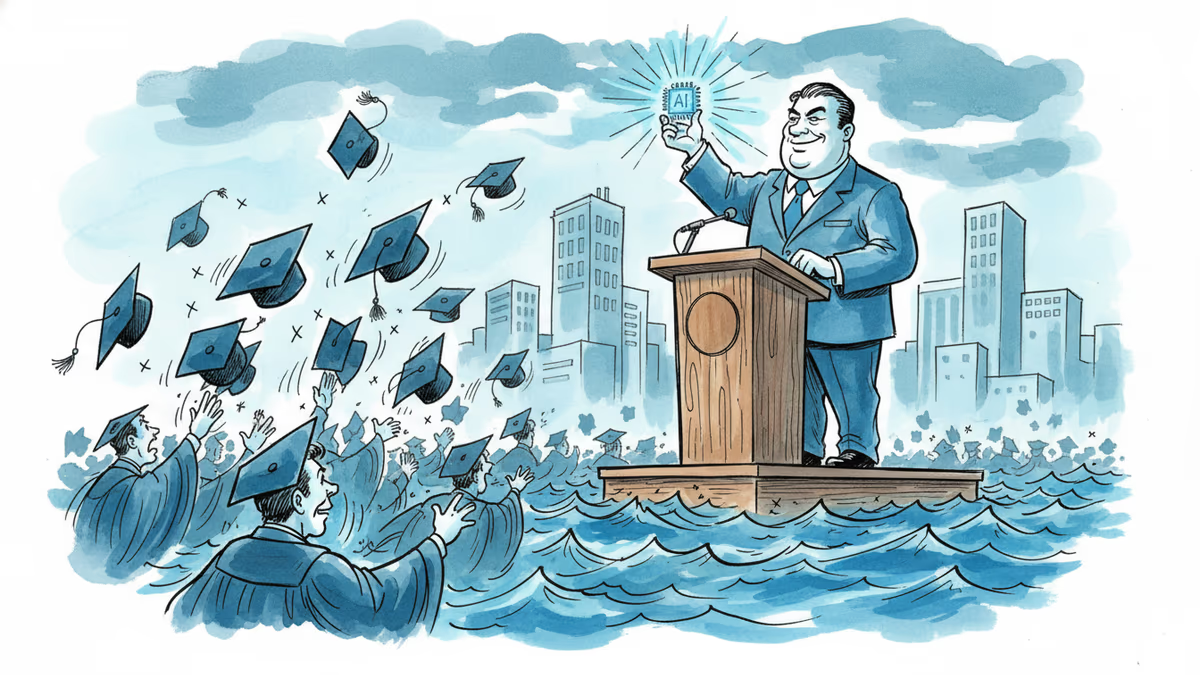
Viral videos show 2026 graduates jeering executives who praise AI at commencement ceremonies. It's not just rudeness — it's a signal about who pays for technological optimism.

Filipino virtual assistants using AI to ghost-manage LinkedIn profiles for executives is now a structured industry. 30 comments a day, fake engagement rings, and a platform struggling to tell real from fabricated.
Samsung and SK unveiled a chip and AI investment package worth thousands of trillions of won on June 29. The headline number swings wildly by outlet, but the real contest isn't capital — it's water and power.
The FTC fined Cox Media and two ad firms $930,000 — not for actually eavesdropping on users, but for falsely claiming they could. The case raises uncomfortable questions about surveillance capitalism.
Viral videos show 2026 graduates jeering executives who praise AI at commencement ceremonies. It's not just rudeness — it's a signal about who pays for technological optimism.
Filipino virtual assistants using AI to ghost-manage LinkedIn profiles for executives is now a structured industry. 30 comments a day, fake engagement rings, and a platform struggling to tell real from fabricated.
Thoughts
Share your thoughts on this article
Sign in to join the conversation