
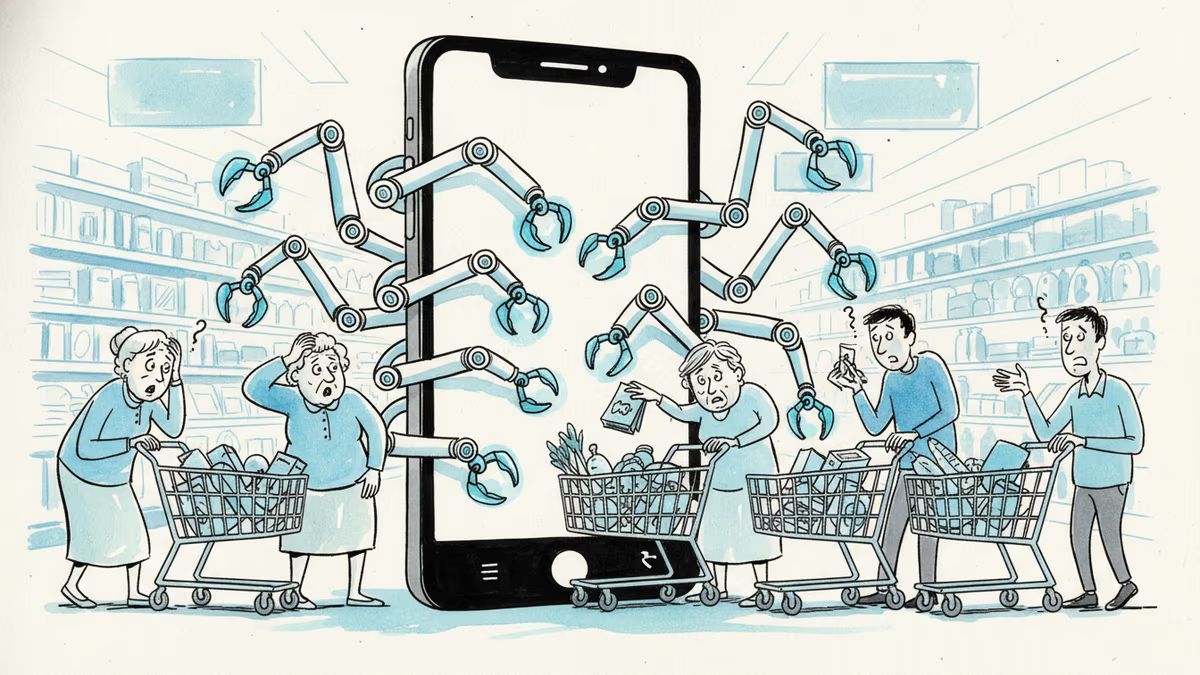
When AI Knows Your Grocery List Better Than You Do
Uber Eats' Cart Assistant promises 10-second shopping, but raises questions about data privacy and consumer choice in an AI-driven marketplace.
Your Handwritten List Just Became Obsolete
Snap a photo of your handwritten grocery list, and Uber Eats' new Cart Assistant will fill your digital basket in 10 seconds. Upload a recipe screenshot? It'll identify every ingredient you need. The beta feature launched Wednesday represents more than convenience—it's a glimpse into how AI is reshaping the most mundane parts of daily life.
The technology isn't just about speed. Cart Assistant analyzes your purchase history to prioritize familiar brands—your usual oat milk, that specific pasta sauce you always buy. It's personalization at scale, powered by data you've been feeding the platform with every order.
Uber CTO Praveen Neppalli Naga frames it simply: "from idea to checkout in seconds." But that simplicity masks a complex shift in how we interact with choice itself.
The Great AI Shopping Arms Race
This isn't Uber Eats breaking new ground—it's playing catch-up in an increasingly crowded field. Instacart launched its ChatGPT-powered search tool in 2023, while DoorDash tested its DashAI chatbot the same year. Both platforms have since integrated with ChatGPT for streamlined ordering.

The differentiation lies in approach. Instacart focuses on personalized recommendations, DoorDash emphasizes meal planning with automatic ingredient addition, and Uber Eats bets on intuitive image recognition. Each strategy reflects different assumptions about what consumers actually want from AI assistance.
What's striking is the speed of adoption. Bloomberg reported Uber Eats was developing AI chatbots as recently as 2023. Now they're rolling out features that would have seemed futuristic just years ago.
The Privacy Price of Convenience
Cart Assistant's "magic" comes from intimate knowledge of your consumption patterns. It knows your dietary restrictions, brand loyalties, and shopping rhythms better than your closest friends might. This raises uncomfortable questions about data ownership and algorithmic influence.
Consider the implications: an AI that knows you prefer organic produce might subtly steer you toward higher-margin items. One that tracks your late-night snack orders could enable concerning behavioral insights. The line between helpful personalization and manipulative targeting grows thinner with each data point.
For developers building similar tools, the technical challenge isn't just recognition accuracy—it's designing systems that enhance choice rather than constrain it. How do you create AI that serves users without turning them into products?
The real question isn't whether Cart Assistant works—it's whether a world of perfect, predictable shopping is the one we actually want to live in.
Authors
Related Articles
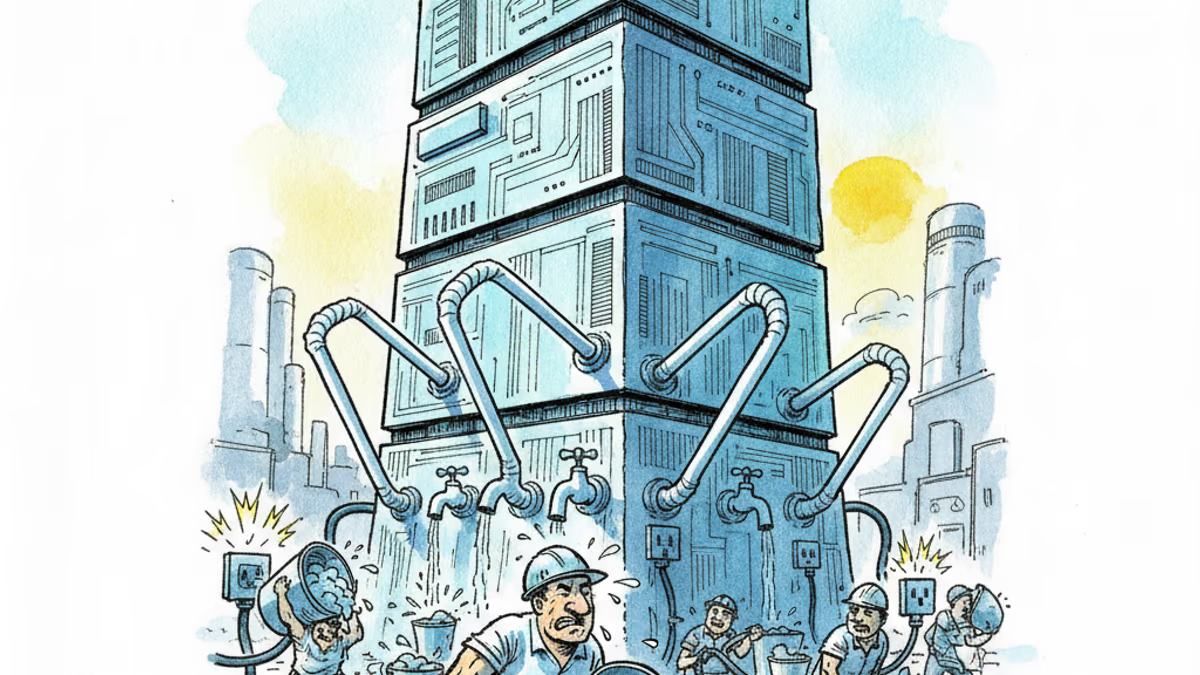
Samsung and SK unveiled a chip and AI investment package worth thousands of trillions of won on June 29. The headline number swings wildly by outlet, but the real contest isn't capital — it's water and power.
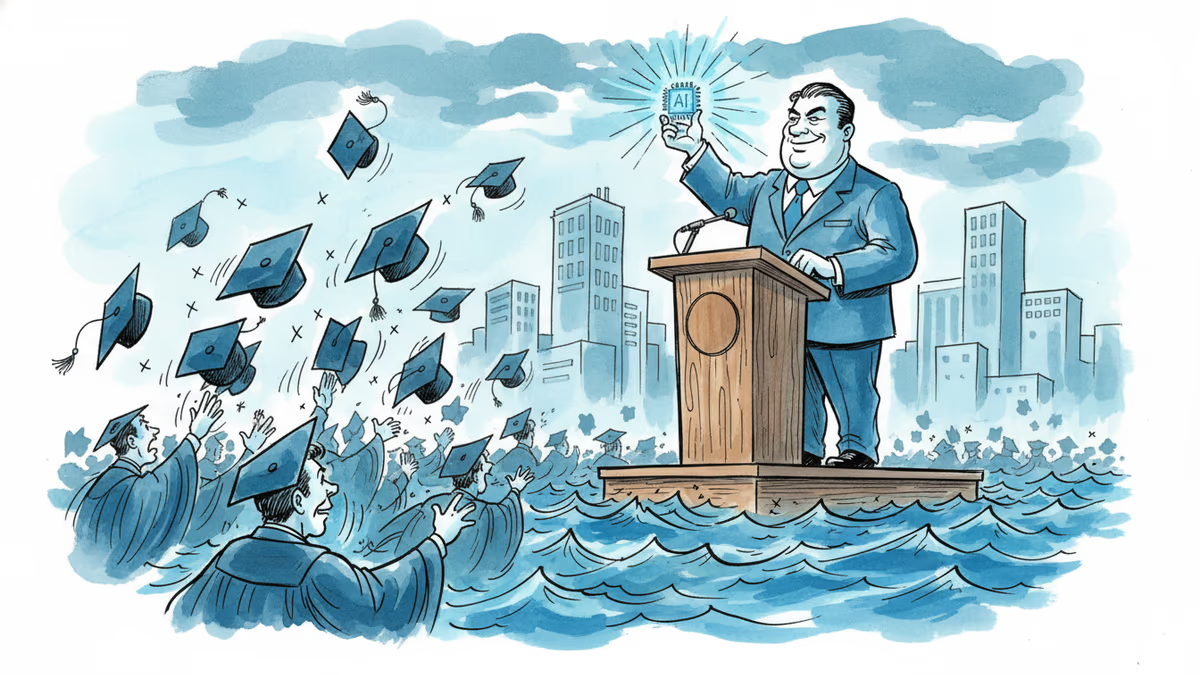
Viral videos show 2026 graduates jeering executives who praise AI at commencement ceremonies. It's not just rudeness — it's a signal about who pays for technological optimism.
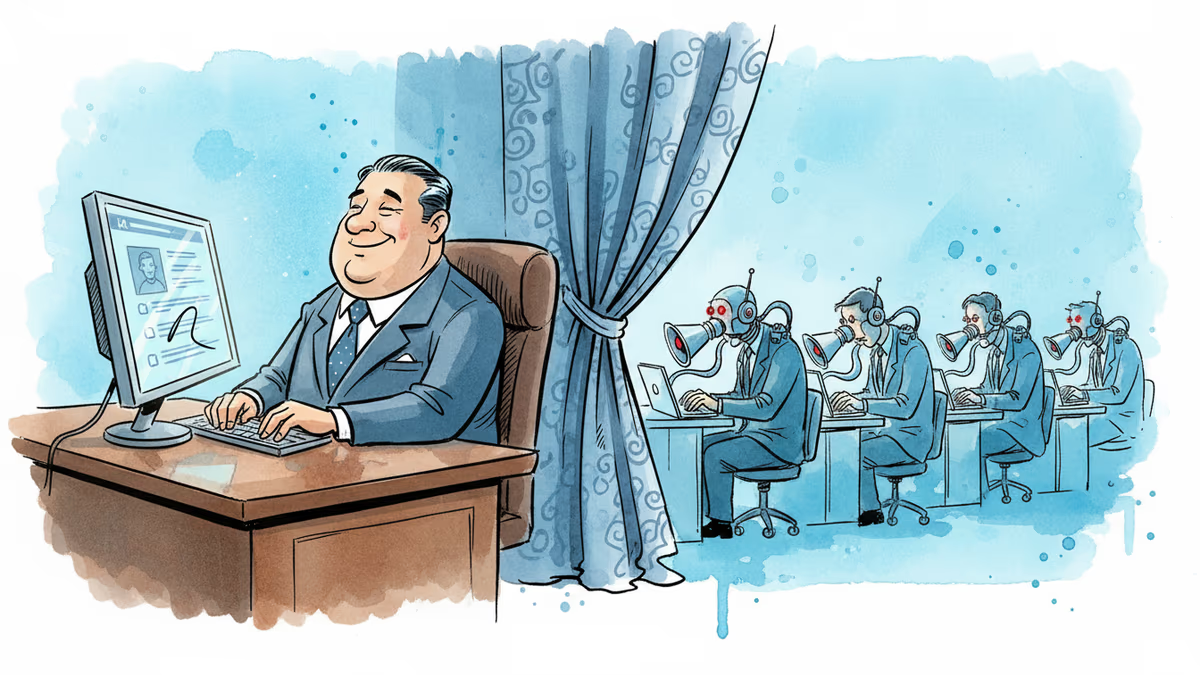
Filipino virtual assistants using AI to ghost-manage LinkedIn profiles for executives is now a structured industry. 30 comments a day, fake engagement rings, and a platform struggling to tell real from fabricated.
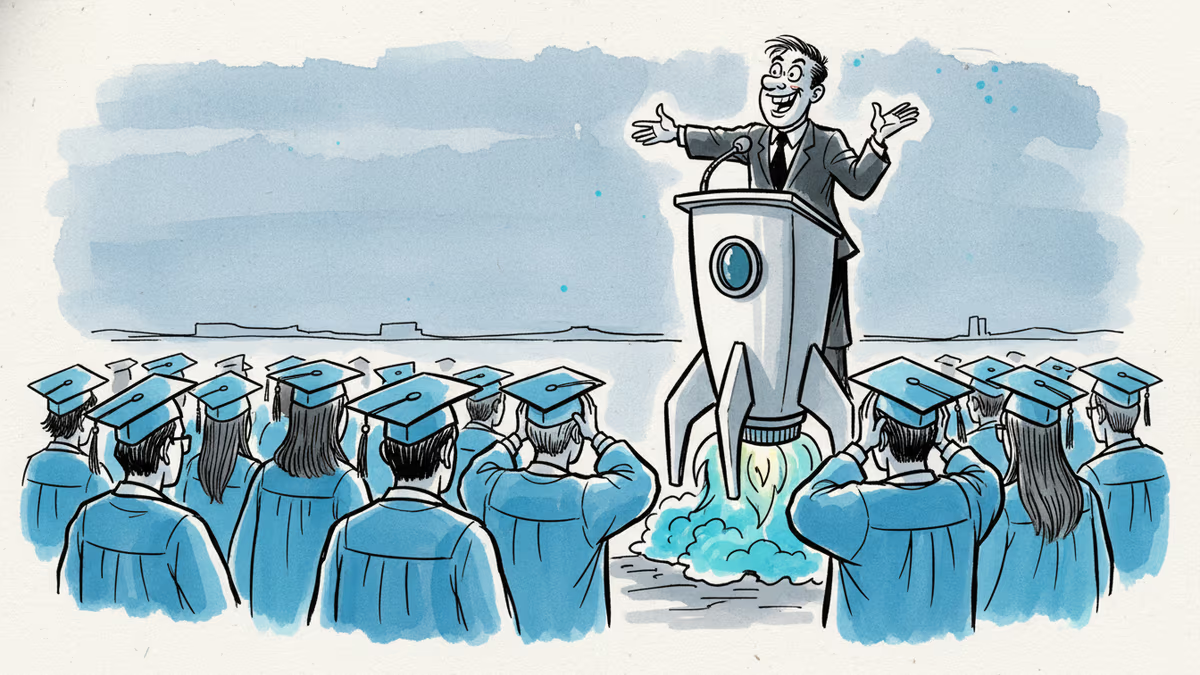
Two commencement speakers learned the hard way that AI enthusiasm doesn't land well with today's graduates. The backlash reveals a widening gap between tech optimism and Gen Z's economic reality.
Samsung and SK unveiled a chip and AI investment package worth thousands of trillions of won on June 29. The headline number swings wildly by outlet, but the real contest isn't capital — it's water and power.
Viral videos show 2026 graduates jeering executives who praise AI at commencement ceremonies. It's not just rudeness — it's a signal about who pays for technological optimism.
Filipino virtual assistants using AI to ghost-manage LinkedIn profiles for executives is now a structured industry. 30 comments a day, fake engagement rings, and a platform struggling to tell real from fabricated.
Two commencement speakers learned the hard way that AI enthusiasm doesn't land well with today's graduates. The backlash reveals a widening gap between tech optimism and Gen Z's economic reality.
Thoughts
Share your thoughts on this article
Sign in to join the conversation