
Uber's AI Shopping Assistant Isn't Just About Convenience
Uber Eats launches Cart Assistant, an AI feature that builds grocery lists from photos or text. But this move signals a bigger shift in the grocery delivery wars.
When Your Fridge Note Becomes Your Shopping Cart
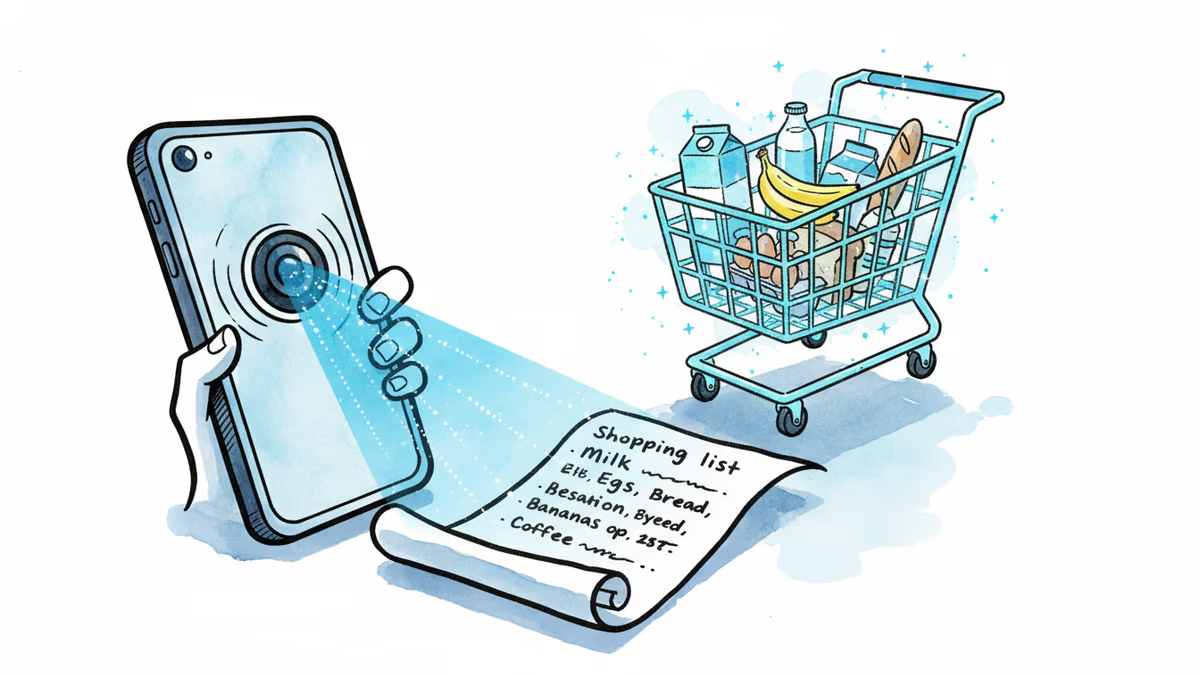
Snap a photo of your handwritten grocery list, and AI fills your cart with your usual brands. Upload a recipe, and it adds every ingredient. Type "milk, eggs, cereal" and watch as your purchase history shapes your order. Uber's new Cart Assistant promises to eliminate the tedium of digital grocery shopping—but that's not the real story here.
The feature, rolling out in Uber Eats, works two ways: natural language prompts ("I need ingredients for pasta night") or photo uploads of existing lists. The AI draws from your order history to select preferred brands automatically, turning vague requests into specific products.
The Real Battle: Friction vs. Loyalty
This isn't just about convenience—it's about market position. Amazon Fresh and Instacart dominate the $150 billion US online grocery market, leaving Uber scrambling for differentiation. While competitors focus on delivery speed and inventory, Uber is betting on user experience.
The timing is strategic. Grocery shopping remains one of the most friction-heavy e-commerce experiences. Customers abandon carts at 70% rates in grocery apps, compared to 30% for other retail categories. By reducing the cognitive load of list-building, Uber hopes to convert more browsers into buyers.
Coming features include recipe inspiration and meal planning, positioning Cart Assistant as a comprehensive kitchen companion rather than just a shopping tool.

The Data Goldmine Hidden in Your Shopping List
But here's what Uber isn't emphasizing: the data value. Every photo upload, every text prompt, every brand preference creates a detailed profile of household consumption patterns. This information becomes valuable for:
- Predictive inventory management
- Personalized health recommendations
- Dynamic pricing strategies
- Supplier negotiations based on demand forecasting
For a company that's struggled with profitability in food delivery, this data represents a new revenue stream beyond delivery fees.
The Bigger Question: Algorithm vs. Autonomy
As AI assistants become better at predicting our preferences, they also narrow our choices. When Cart Assistant learns you always buy Heinz ketchup, will it even show you alternatives? The convenience of automated shopping comes with the risk of algorithmic lock-in.
This tension will likely shape regulatory discussions as grocery AI becomes mainstream. European privacy advocates are already questioning whether food recommendation algorithms should face similar scrutiny to social media feeds.
The question isn't whether AI will reshape grocery shopping—it's whether we'll still be the ones deciding what's for dinner.
Authors
Related Articles
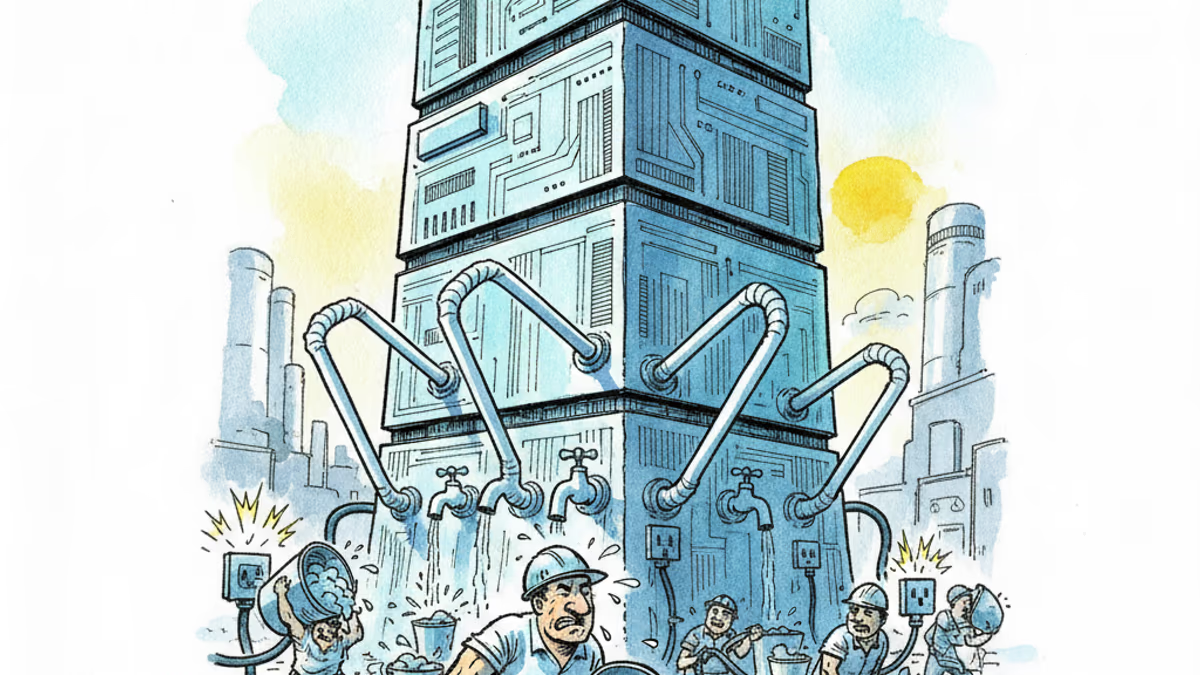
Samsung and SK unveiled a chip and AI investment package worth thousands of trillions of won on June 29. The headline number swings wildly by outlet, but the real contest isn't capital — it's water and power.
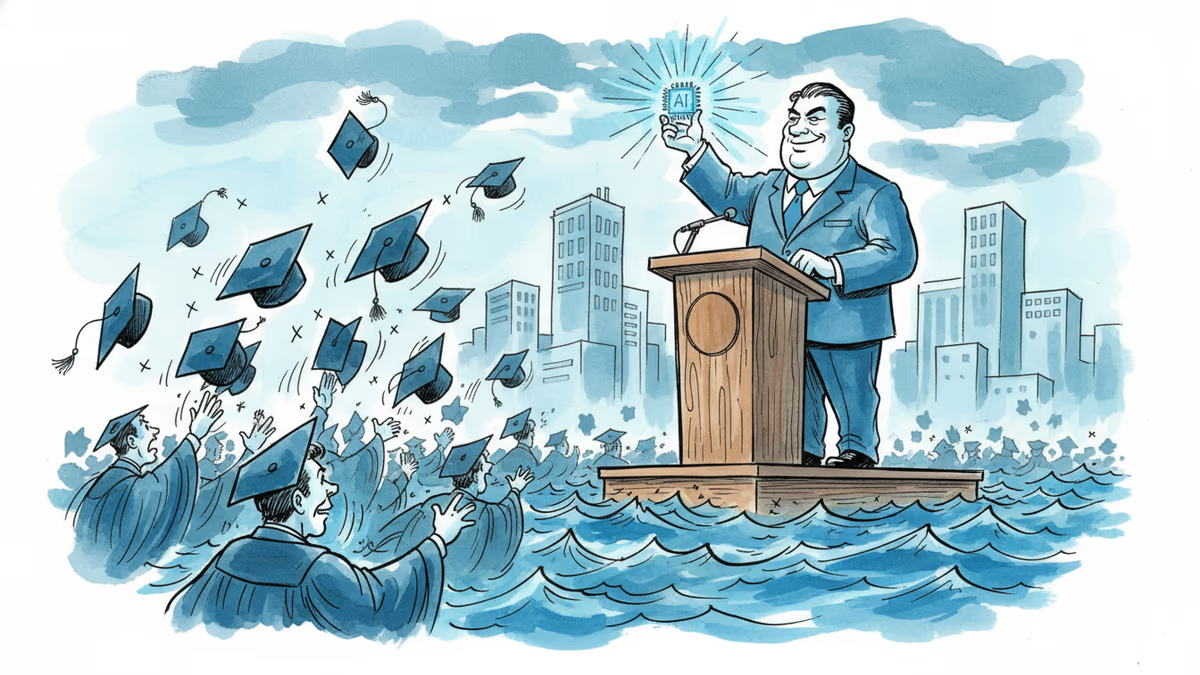
Viral videos show 2026 graduates jeering executives who praise AI at commencement ceremonies. It's not just rudeness — it's a signal about who pays for technological optimism.

Filipino virtual assistants using AI to ghost-manage LinkedIn profiles for executives is now a structured industry. 30 comments a day, fake engagement rings, and a platform struggling to tell real from fabricated.
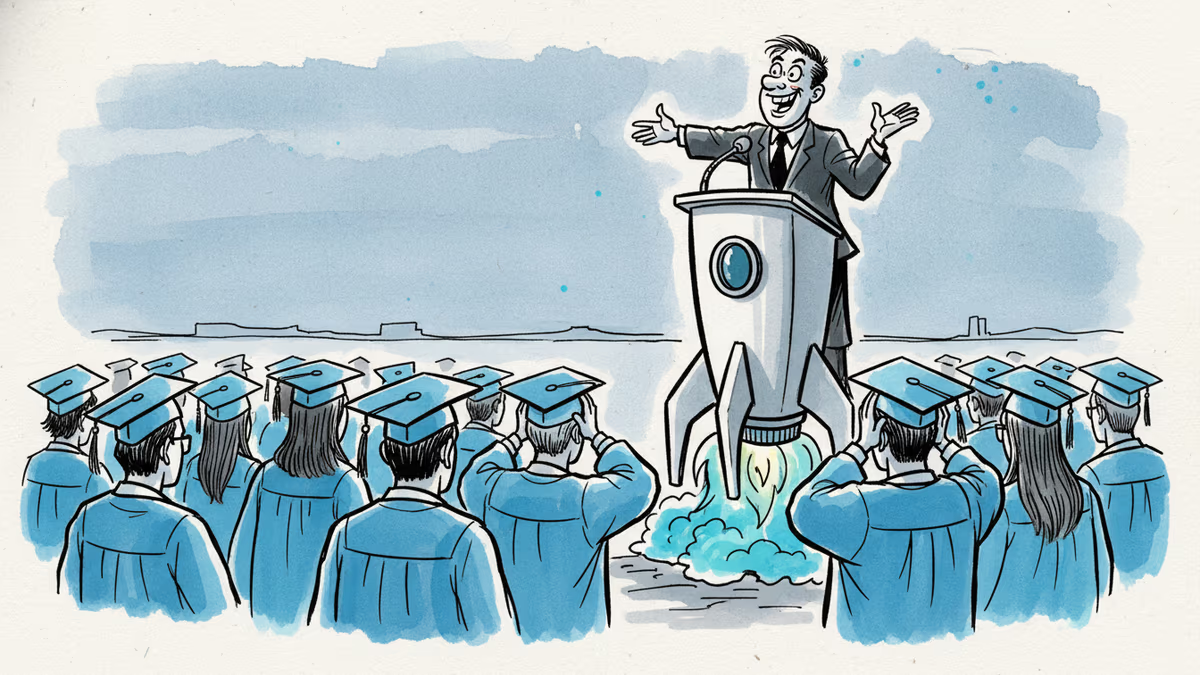
Two commencement speakers learned the hard way that AI enthusiasm doesn't land well with today's graduates. The backlash reveals a widening gap between tech optimism and Gen Z's economic reality.
Samsung and SK unveiled a chip and AI investment package worth thousands of trillions of won on June 29. The headline number swings wildly by outlet, but the real contest isn't capital — it's water and power.
Viral videos show 2026 graduates jeering executives who praise AI at commencement ceremonies. It's not just rudeness — it's a signal about who pays for technological optimism.
Filipino virtual assistants using AI to ghost-manage LinkedIn profiles for executives is now a structured industry. 30 comments a day, fake engagement rings, and a platform struggling to tell real from fabricated.
Two commencement speakers learned the hard way that AI enthusiasm doesn't land well with today's graduates. The backlash reveals a widening gap between tech optimism and Gen Z's economic reality.
Thoughts
Share your thoughts on this article
Sign in to join the conversation