
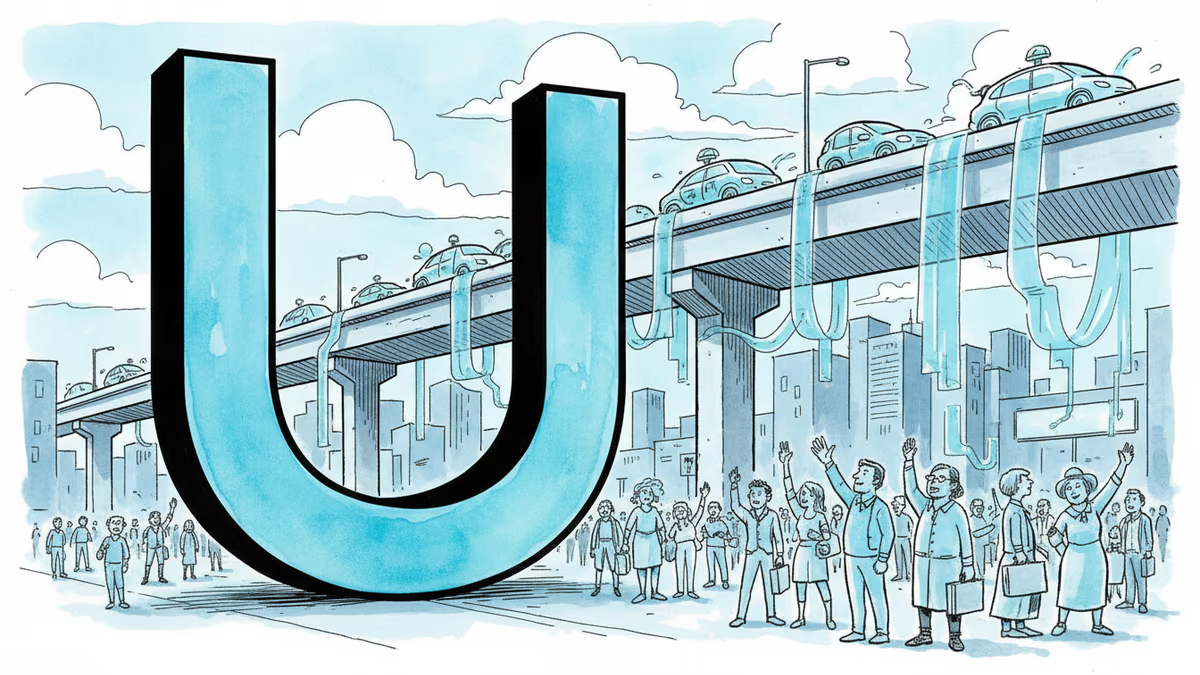
Why Uber's Betting Everything on Being the Robotaxi Platform
Uber launches Uber Autonomous Solutions to support third-party AV partners with financing, fleet management, and regulatory assistance. Analysis of the platform strategy shift.
$1.2 billion. That's how much Uber burned trying to build its own self-driving cars before giving up in 2020. Now it's trying a different approach: instead of making the cars, it wants to connect them.
Uber just launched Uber Autonomous Solutions, a new division that'll provide everything from vehicle financing to regulatory support for autonomous vehicle companies like Wayve, WeRide, Nuro, and Waabi. Essentially, it's taking the playbook it uses for human drivers and adapting it for robots.
Learning from Expensive Mistakes
This pivot comes straight from Uber's most expensive lesson. From 2015 to 2020, the company poured resources into developing its own autonomous vehicles, only to face technical hurdles, regulatory nightmares, and a fatal accident that made headlines worldwide. Eventually, it sold the division to Aurora and admitted defeat.
But here's the thing – Uber didn't abandon the autonomous future. It just realized it was playing the wrong game. While companies like Tesla and Waymo battle over sensors and algorithms, Uber recognized its real strength: connecting supply with demand.
With 130 million users and 6 million drivers already on its platform, Uber has something most AV companies desperately need – customers and operational expertise.
Same Platform, Different Drivers
The services Uber's offering its AV partners mirror what it already does for human drivers: vehicle financing, insurance, maintenance, fleet management tools, and regulatory assistance. The only difference? Instead of helping someone lease a Honda Civic, they're helping companies deploy fleets of autonomous vehicles.

This isn't just business expansion – it's strategic positioning for a future where human drivers become obsolete. When that day comes, passengers will still need a way to hail rides. Uber wants to own that connection point, regardless of who builds the cars.
The Regulatory Maze
But there's a catch – autonomous vehicles still face massive regulatory hurdles. Cruise got banned from San Francisco after a series of incidents. Waymo operates in just a handful of cities. The technology might be advancing rapidly, but public trust and regulatory approval are moving much slower.
For Uber's partners, this creates a chicken-and-egg problem. They need scale to prove their technology works, but they can't achieve scale without regulatory approval. Uber's platform could help break this cycle by providing immediate access to customers once approvals come through.
The company's also betting that its experience navigating local regulations – from taxi licensing to labor laws – will prove valuable as AV companies face their own regulatory challenges.
Platform vs. Product Strategy
Uber's approach reflects a broader shift in tech strategy. Instead of trying to control every aspect of the value chain, successful platforms focus on what they do best and partner for the rest. Amazon doesn't manufacture most of what it sells. Apple doesn't make its own chips anymore. And now Uber won't make its own cars.
This strategy has advantages: lower capital requirements, faster scaling, and reduced technical risk. But it also means Uber becomes dependent on partners for the core technology that could define transportation's future.
The question is whether Uber can maintain its platform dominance as AV companies mature. What happens when Waymo or Tesla decide they don't need a middleman?
Authors
Related Articles
Uber and WeRide have launched fully driverless robotaxi service in Dubai — no safety operator, real fares. Here's what it means for the global AV race and your next ride.
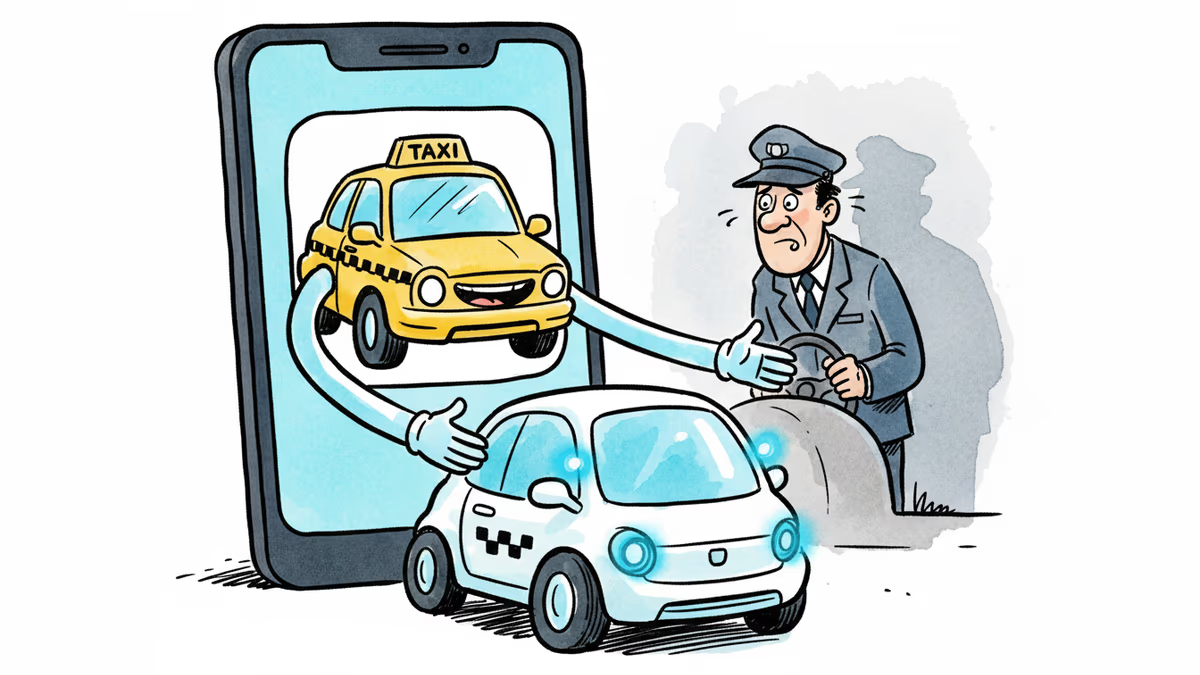
Uber partners with China's Pony AI and Croatia's Verne to launch Europe's first commercial robotaxi service. Is this a survival strategy or a sign that the ride-hail giant is ceding its future to others?
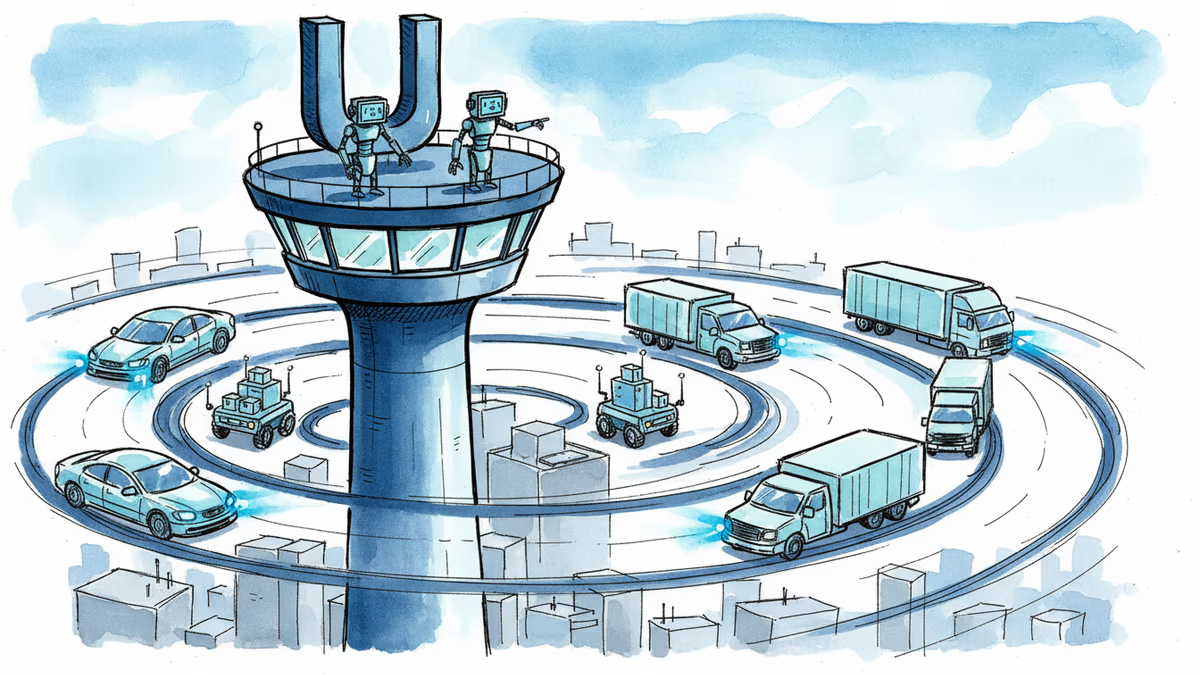
Uber launches Autonomous Solutions division to handle operations for self-driving companies. Is this the missing piece for AV commercialization or Uber's survival strategy?
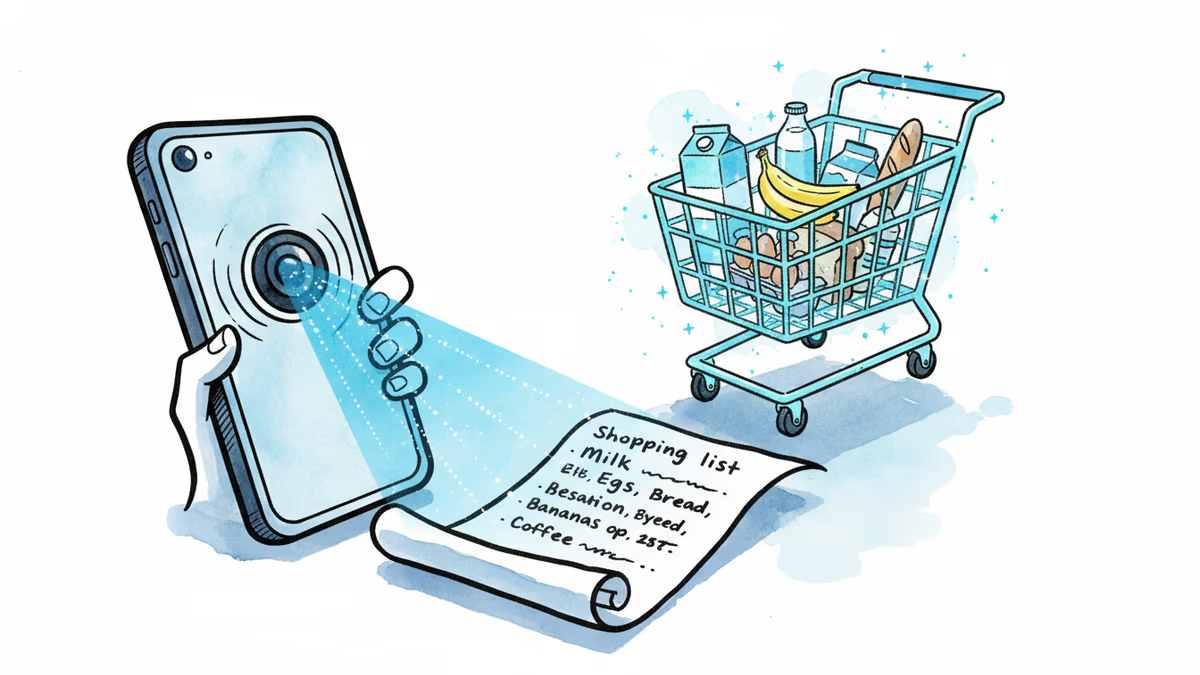
Uber Eats launches Cart Assistant, an AI feature that builds grocery lists from photos or text. But this move signals a bigger shift in the grocery delivery wars.
Uber and WeRide have launched fully driverless robotaxi service in Dubai — no safety operator, real fares. Here's what it means for the global AV race and your next ride.
Uber partners with China's Pony AI and Croatia's Verne to launch Europe's first commercial robotaxi service. Is this a survival strategy or a sign that the ride-hail giant is ceding its future to others?
Uber launches Autonomous Solutions division to handle operations for self-driving companies. Is this the missing piece for AV commercialization or Uber's survival strategy?
Uber Eats launches Cart Assistant, an AI feature that builds grocery lists from photos or text. But this move signals a bigger shift in the grocery delivery wars.
Thoughts
Share your thoughts on this article
Sign in to join the conversation