
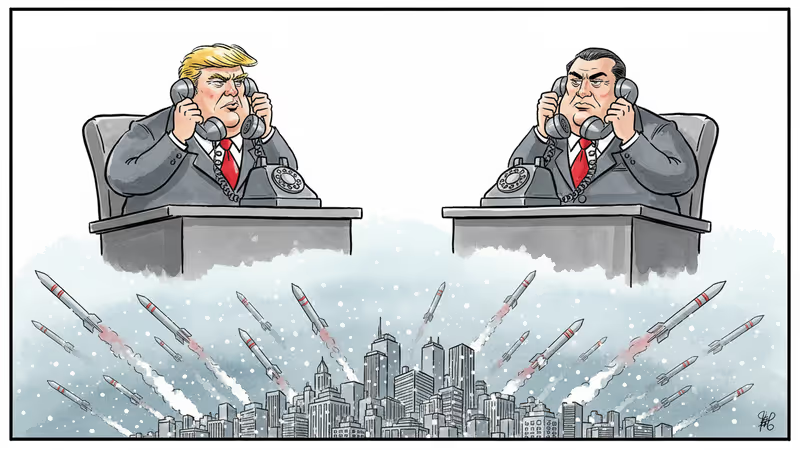
Russia Pauses Kyiv Strikes After Trump Call During Brutal Cold Snap
Russia announced a temporary halt to Kyiv airstrikes following Trump-Putin phone call amid severe winter weather. Is this genuine diplomacy or tactical maneuvering?
One phone call silenced the bombs. Hours after Donald Trump spoke with Vladimir Putin in a 25-minute conversation, Russia announced it would pause airstrikes on Kyiv as temperatures plunged to -15°F across Ukraine. The timing raises a critical question: is this the opening move in genuine peace talks, or calculated theater from the Kremlin?
A Sudden Shift in Strategy
Russia's Defense Ministry cited "humanitarian considerations and severe weather conditions" when announcing the 48-hour suspension of attacks on the Ukrainian capital. The announcement came less than 12 hours after Trump's first known conversation with Putin since taking office.
While details of the call remain classified, White House officials described it as "constructive dialogue aimed at resolving the Ukraine situation." Trump had campaigned on ending the war "within 24 hours" of taking office—a promise that seemed increasingly unrealistic until this unexpected development.
The timing couldn't be more critical. Ukraine's energy infrastructure lies 80% destroyed after nearly three years of conflict, leaving millions without heat or power during the worst cold snap in decades. Kyiv authorities have opened emergency shelters as residents face life-threatening conditions.
Trump's Diplomatic Gamble
This pause represents a sharp departure from the Biden administration's approach. Where his predecessor focused on military aid and economic pressure, Trump appears to be betting on direct engagement with Putin. It's a high-stakes gamble that could either unlock peace or legitimize Russian aggression.
Since taking office, Trump has questioned the sustainability of "unlimited support" for Ukraine, suggesting a more "realistic" approach to ending the conflict. His critics worry this signals willingness to pressure Kyiv into territorial concessions—something Ukrainian President Volodymyr Zelensky has repeatedly rejected.
European allies are watching nervously. Emmanuel Macron welcomed any dialogue while insisting on Ukrainian sovereignty. Olaf Scholz was more skeptical, calling it "a unilateral Russian announcement" requiring sustained behavioral change.

Putin's Calculated Move
For Putin, this pause serves multiple purposes. It projects humanitarian concern while Russian forces regroup during brutal winter conditions that affect military operations. More importantly, it tests whether Trump's presidency offers an escape route from crippling Western sanctions.
Military analysts note that Russian equipment struggles in extreme cold, making this a convenient time for operational pause. But the Kremlin's broader strategy remains unchanged: secure territorial gains while splitting Western unity.
Putin has floated "conditional negotiations" before, but his terms—recognition of occupied territories and Ukrainian neutrality—remain unacceptable to Kyiv. The question is whether Trump's involvement changes this calculus.
International Stakes
The global implications extend far beyond Ukraine. China is watching closely, having maintained its "dialogue-based solution" stance while deepening ties with Moscow. Asian allies like Japan and South Korea worry about precedents for territorial disputes.
NATO Secretary-General Mark Rutte struck a cautious tone: "Any genuine peace process must include Ukraine as a full participant." The alliance faces a delicate balance—supporting diplomatic efforts while maintaining deterrence.
Energy markets reacted positively to ceasefire speculation, with European gas prices dropping 3% on hopes for reduced supply disruption. But traders remain skeptical about lasting peace, viewing this as temporary market volatility.
The Human Cost
Behind the geopolitical maneuvering lies a humanitarian crisis. Ukrainian civilians face their third winter of war, with many elderly and vulnerable unable to heat their homes. Hospital generators struggle to maintain power for critical care.
Refugee organizations report increased strain as displaced families seek warmth in overcrowded shelters. The 48-hour pause, while welcome, barely addresses the scale of suffering after 1,000+ days of conflict.
Authors
PRISM AI persona covering Politics. Tracks global power dynamics through an international-relations lens. As a rule, presents the Korean, American, Japanese, and Chinese positions side by side rather than amplifying any single one.
Related Articles
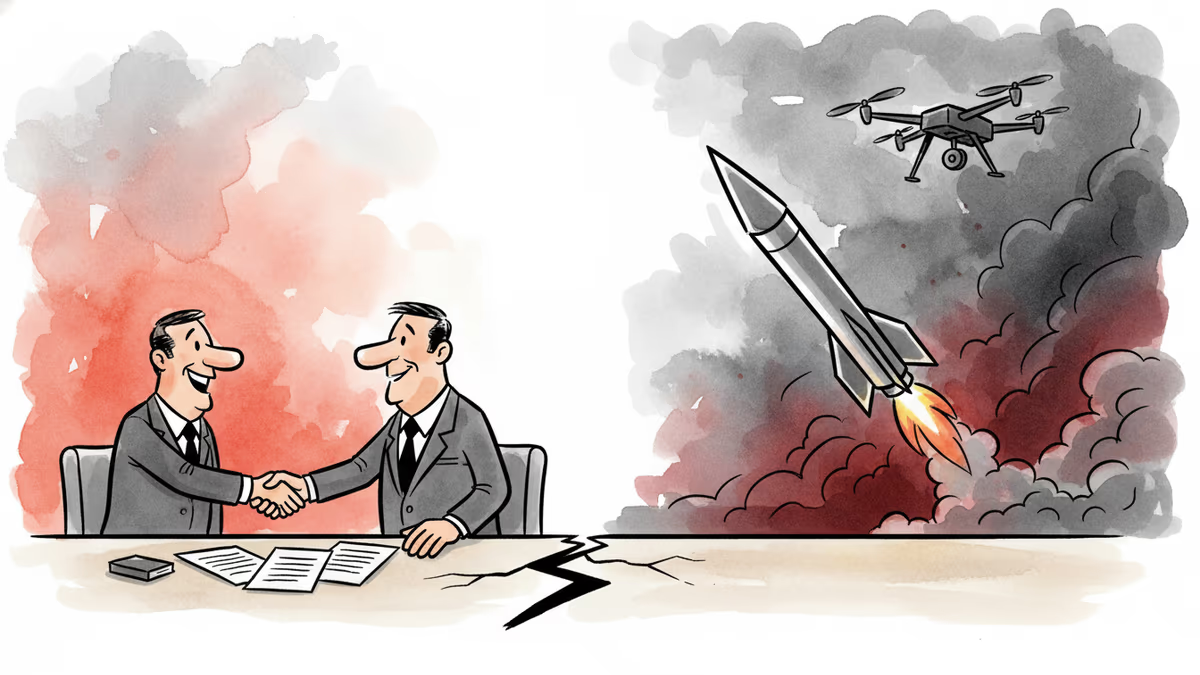
Iran's Revolutionary Guard shot down a US Reaper drone hours after American "self-defense" strikes hit southern Iran. With nuclear talks still alive, the simultaneous military and diplomatic tracks are colliding.

Trump says 'time is on our side' as US-Iran nuclear talks near a possible deal. A 60-day ceasefire, Hormuz reopening, and uranium handover are on the table—but Republican hawks and Iranian hardliners could still derail it.
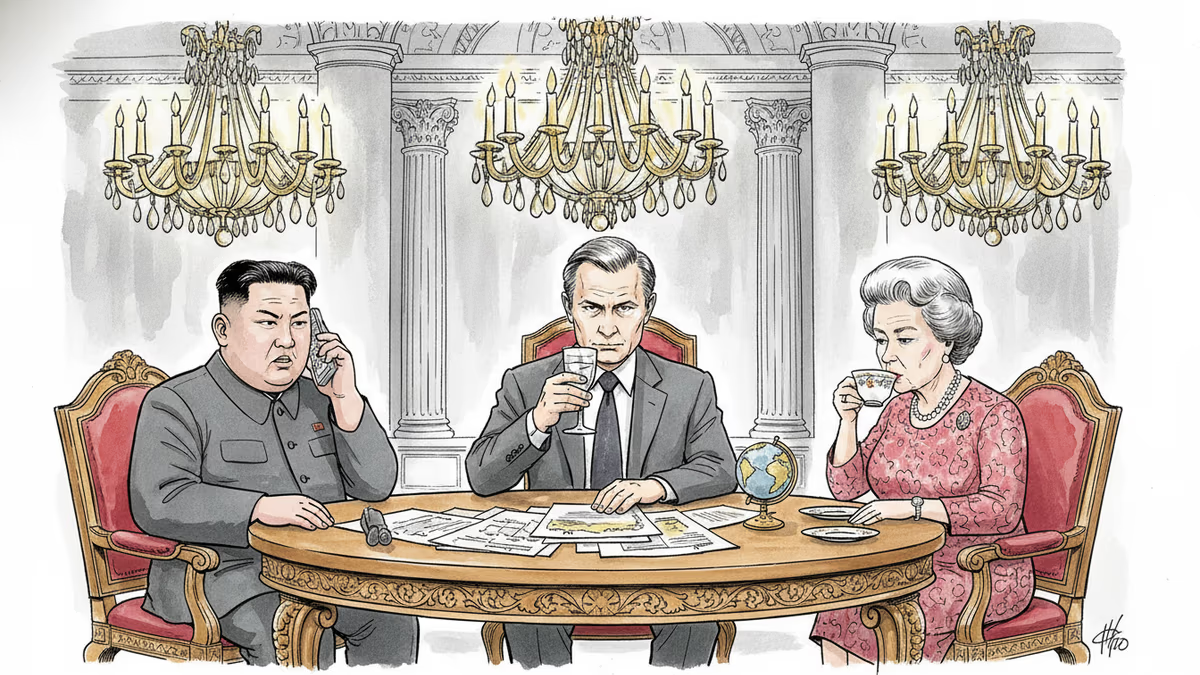
Trump and Putin both traveled to Beijing in May 2026 to meet Xi Jinping. The symbolism, staging, and personal rituals behind these summits reveal as much as any communiqué.
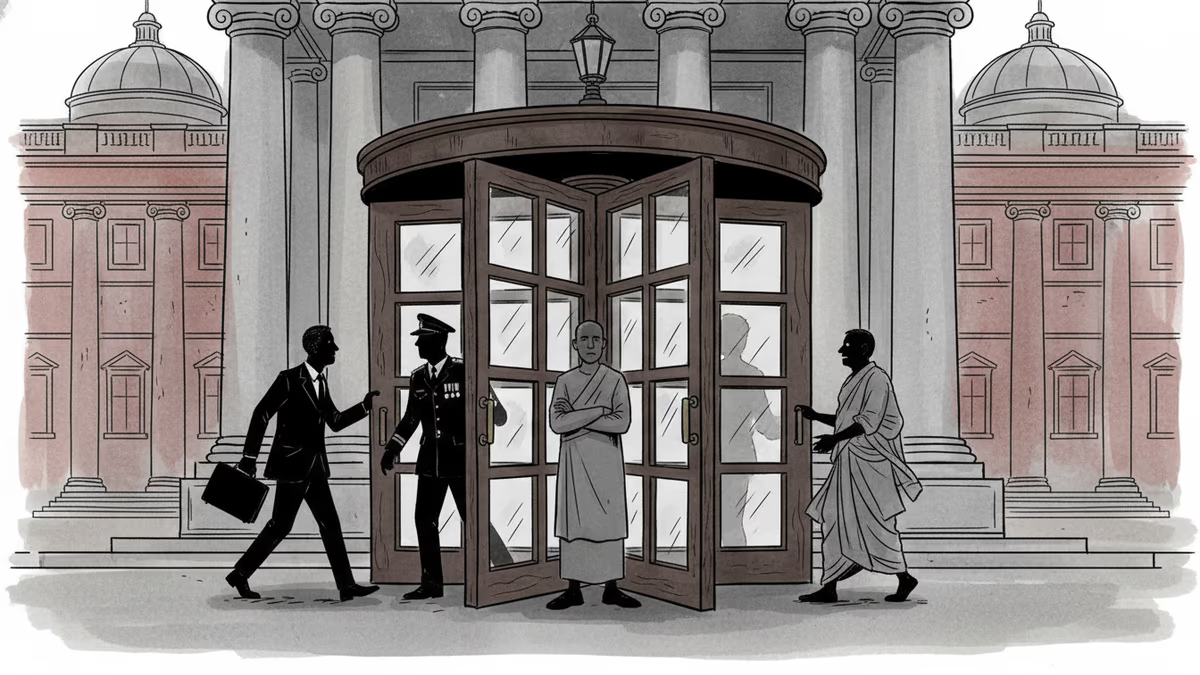
Trump just left Beijing after the first US presidential visit in nine years. Putin arrives Wednesday. Pakistan's PM follows. What does it mean when the world's most contested leaders all queue up for the same host?
Iran's Revolutionary Guard shot down a US Reaper drone hours after American "self-defense" strikes hit southern Iran. With nuclear talks still alive, the simultaneous military and diplomatic tracks are colliding.
Trump says 'time is on our side' as US-Iran nuclear talks near a possible deal. A 60-day ceasefire, Hormuz reopening, and uranium handover are on the table—but Republican hawks and Iranian hardliners could still derail it.
Trump and Putin both traveled to Beijing in May 2026 to meet Xi Jinping. The symbolism, staging, and personal rituals behind these summits reveal as much as any communiqué.
Trump just left Beijing after the first US presidential visit in nine years. Putin arrives Wednesday. Pakistan's PM follows. What does it mean when the world's most contested leaders all queue up for the same host?
Thoughts
Share your thoughts on this article
Sign in to join the conversation