
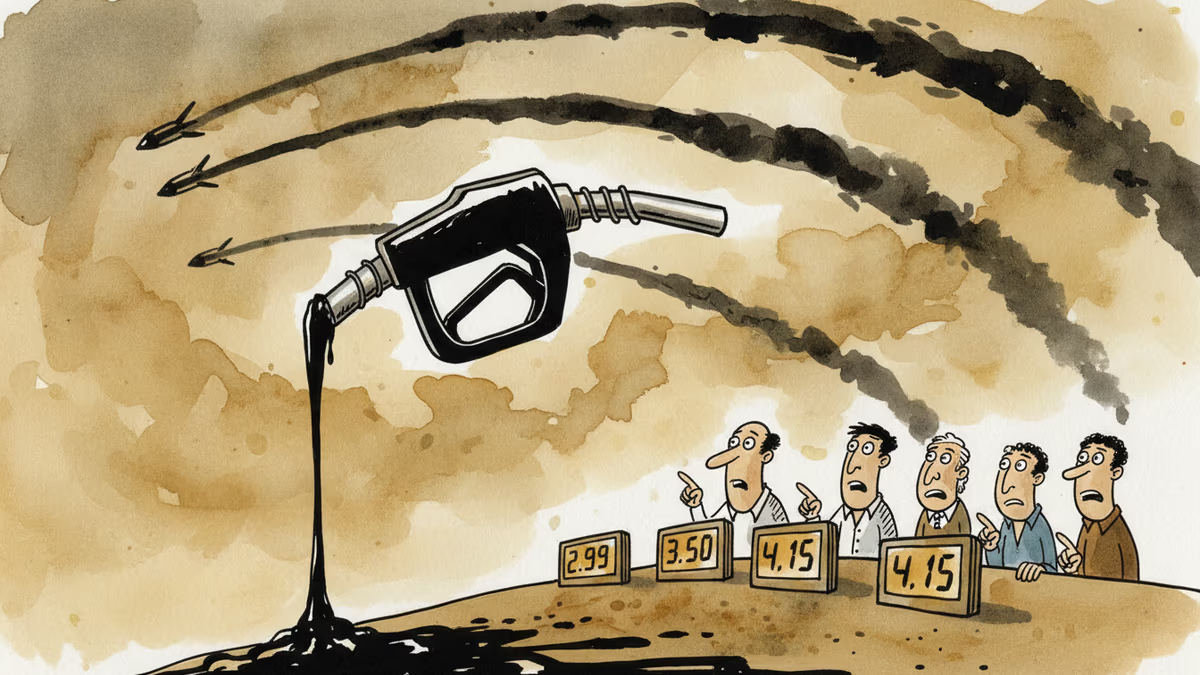
Trump's Iran Strikes Ignite Global Energy Markets
US-Israeli strikes on Iran trigger oil price surge, testing Trump's 'drill baby drill' promise while raising questions about energy security and consumer costs worldwide.
$12 Per Barrel in 48 Hours
By Monday morning, gas station owners across America were doing something they hate: changing their price signs again. The weekend's US-Israeli strikes on Iran had sent oil prices rocketing $12 per barrel in just 48 hours, the steepest surge since Russia invaded Ukraine.
But this isn't just another geopolitical blip. Iran controls roughly 21% of global oil transit through the Strait of Hormuz – the world's most critical energy chokepoint. When that region gets unstable, everyone feels it at the pump, regardless of where their oil actually comes from.
The timing couldn't be more ironic for President Trump, who rode back to office promising to "drill, baby, drill" his way to energy independence and lower prices for American families.
The Drill Paradox: More Oil, Higher Prices
Here's the contradiction at the heart of Trump's energy strategy: America can pump all the oil it wants, but it can't pump its way out of global price swings.
ExxonMobil and Chevron are already eyeing previously uneconomical shale fields that become profitable above $80 per barrel. The Permian Basin could see a drilling boom if prices stay elevated. But American consumers won't see relief – they'll pay global market rates regardless of whether their gasoline came from Texas or Saudi Arabia.
"Energy independence doesn't equal price independence," explains energy analyst Sarah Chen. "We learned this lesson in the 1970s, forgot it, and we're learning it again."
The math is brutal: even if the US becomes a net oil exporter, a 10% supply disruption in the Middle East can still spike global prices by 30-40%.

Winners, Losers, and the Grid Under Pressure
The immediate winners are obvious: US shale producers, whose stocks jumped 15% on Monday. Companies like ConocoPhillips and EOG Resources are dusting off expansion plans shelved when oil was cheaper.
But the broader energy system tells a different story. Natural gas prices are climbing alongside oil, putting pressure on power grids already strained by extreme weather and growing electricity demand. NextEra Energy and other utilities are warning of potential rate increases if the crisis drags on.
Consumers are caught in the middle. The average American household spends about $2,000 annually on gasoline. A sustained $20 increase in oil prices could add $400 to that bill – effectively a tax on everyone who drives to work.
The Strategic Reserve Dilemma
Trump faces an immediate decision: tap the Strategic Petroleum Reserve to calm markets, or save it for a bigger crisis. The reserve holds about 370 million barrels – enough to cover 20 days of US oil imports.
But here's the catch: previous administrations have already drawn it down significantly. Biden released 180 million barrels during the Ukraine crisis. The well isn't bottomless, and refilling it during high prices would be expensive.
Meanwhile, other major consumers are making their own calculations. China, which imports 70% of its oil, has been quietly building massive reserves. The EU is considering coordinated releases from member nations' stockpiles.
Beyond Oil: The Ripple Effects
The energy shock is already spreading beyond gasoline. Airlines are bracing for higher jet fuel costs just as travel demand peaks for spring break. American Airlines and Delta are hedging frantically, but those costs ultimately get passed to passengers.
Shipping companies face similar pressures. Maersk and MSC are implementing fuel surcharges, which means higher costs for everything from Amazon packages to grocery store produce.
Even renewable energy isn't immune. Solar panel installations could slow if economic uncertainty makes financing harder, potentially delaying the transition that might reduce oil dependence in the long term.
Authors
Related Articles
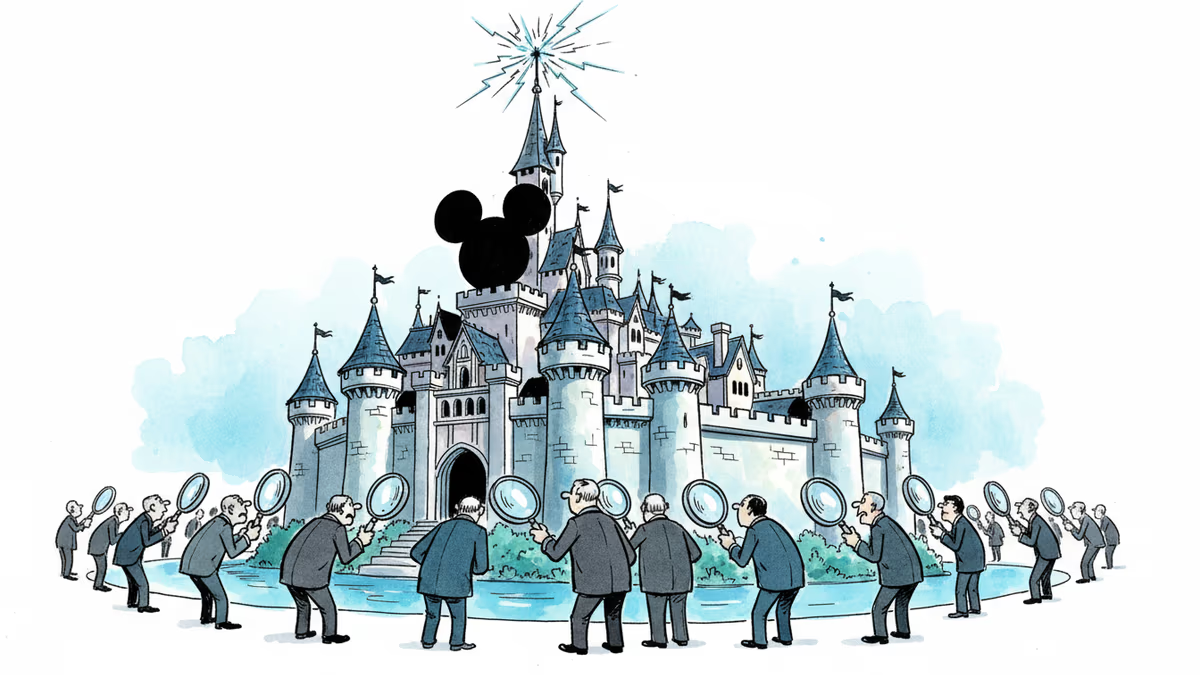
Josh D'Amaro took over Disney with a bold Disney Plus vision. Days later, he's in a First Amendment fight with the Trump administration over The View. What does this mean for media freedom?
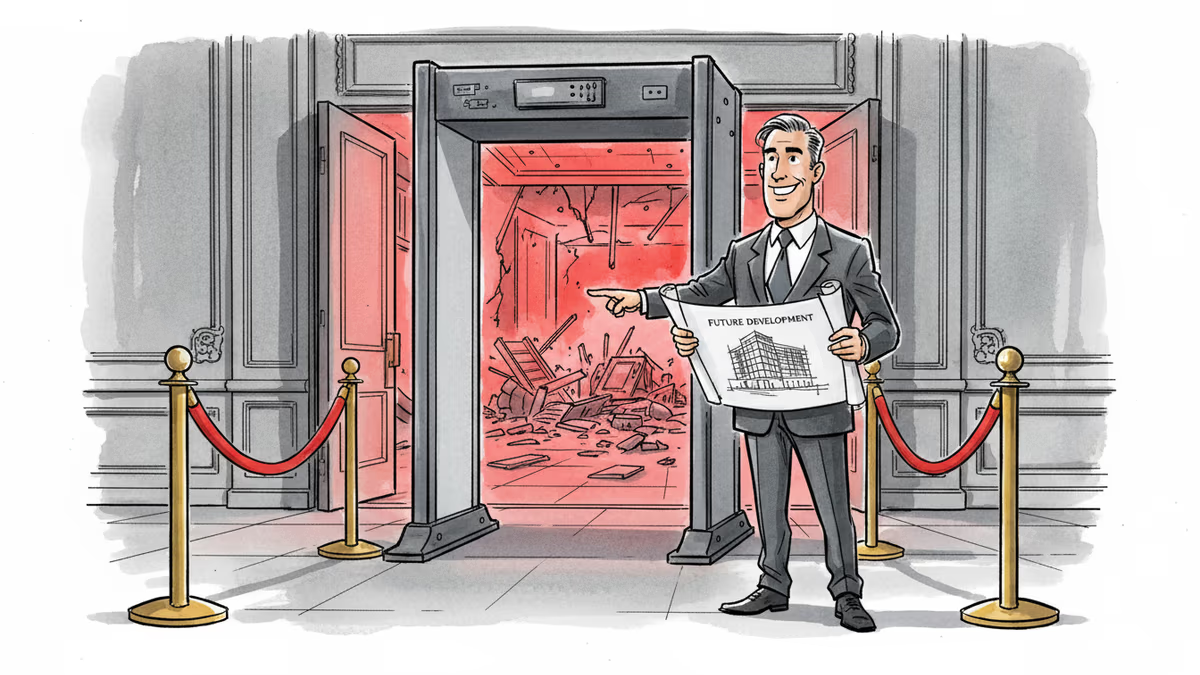
A gunman attacked a Secret Service checkpoint at the White House Correspondents' Dinner. Trump's first public reaction wasn't about security. It was about his $400M ballroom project.
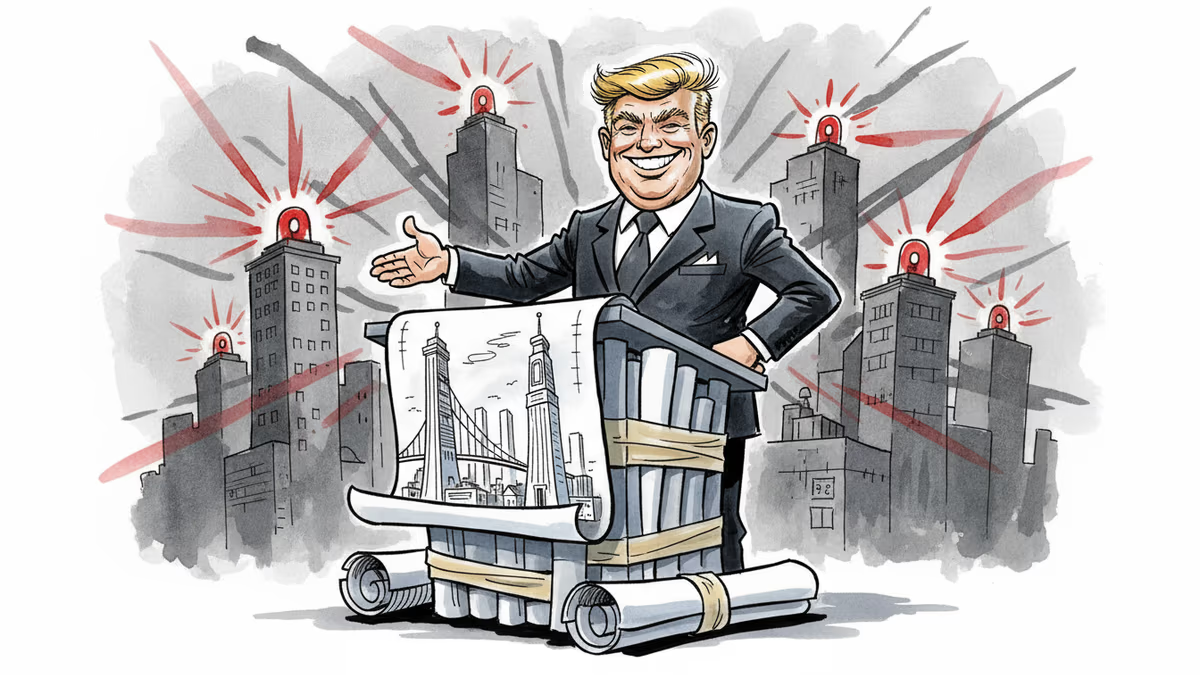
Hours after an armed suspect attempted to breach the White House Correspondents Dinner, Trump used the security scare to publicly defend his White House ballroom project. What does that tell us?
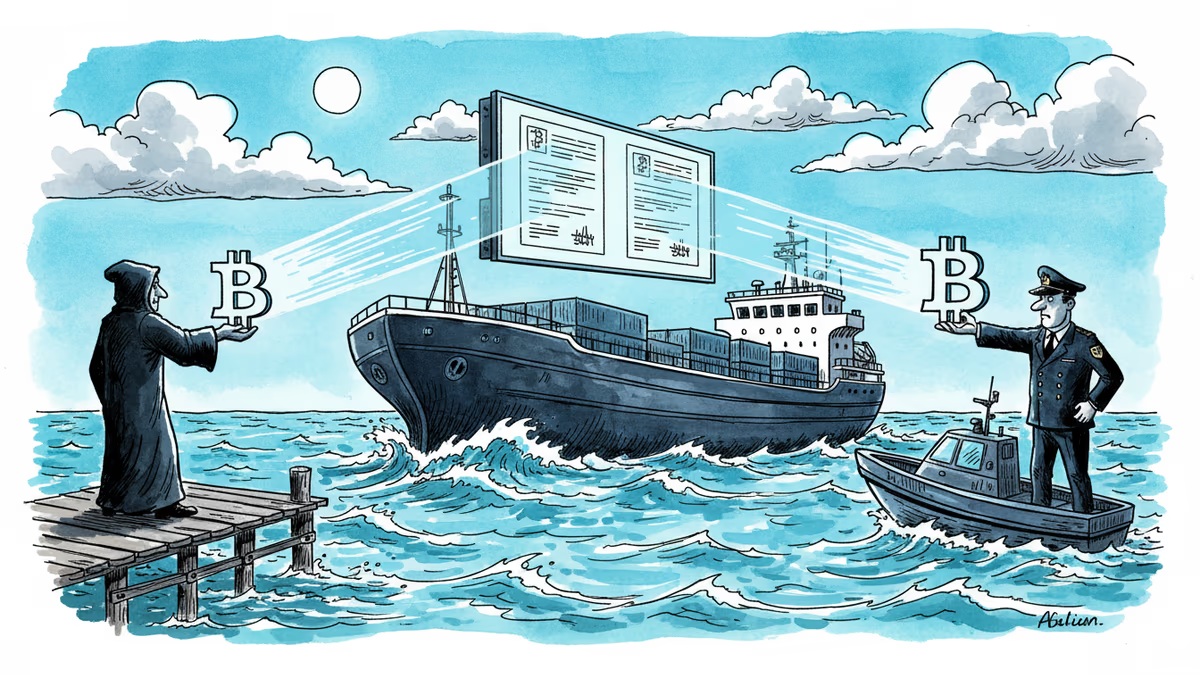
Scammers posing as Iranian authorities are demanding bitcoin and tether from ships near the Strait of Hormuz—exploiting the fact that Iran already does exactly this.
Josh D'Amaro took over Disney with a bold Disney Plus vision. Days later, he's in a First Amendment fight with the Trump administration over The View. What does this mean for media freedom?
A gunman attacked a Secret Service checkpoint at the White House Correspondents' Dinner. Trump's first public reaction wasn't about security. It was about his $400M ballroom project.
Hours after an armed suspect attempted to breach the White House Correspondents Dinner, Trump used the security scare to publicly defend his White House ballroom project. What does that tell us?
Scammers posing as Iranian authorities are demanding bitcoin and tether from ships near the Strait of Hormuz—exploiting the fact that Iran already does exactly this.
Thoughts
Share your thoughts on this article
Sign in to join the conversation