
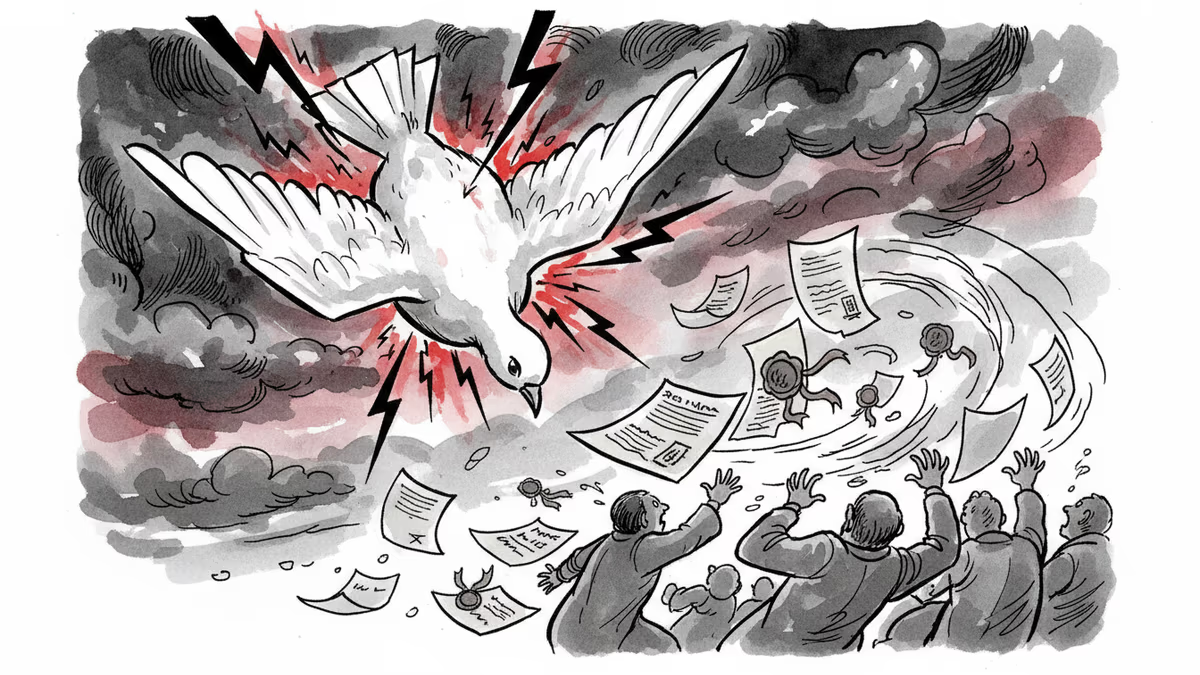
Trump's Iran Strike: When Diplomacy Dies in 48 Hours
US-Israeli forces struck Iran just hours after diplomats spoke of peace being 'within reach.' What happened to change everything so quickly?
The 48-Hour Whiplash
Friday afternoon: Oman's Foreign Minister tweets that "Peace is within our reach." Saturday morning: Explosions light up Tehran's skyline.
In the span of 48 hours, the Middle East went from diplomatic optimism to military action. President Trump called it a "major combat operation" against Iran, while Israeli PM Netanyahu confirmed strikes aimed at removing Iran's "existential threat."
Just Thursday, negotiators in Geneva had reported "significant progress" on Iran's nuclear program. Technical teams were scheduled to meet in Vienna next week. By Friday, US embassy staff in Israel were told to evacuate.
What changed so dramatically in two days?
The Protest Calculus
Trump's justification centers on Iran's brutal crackdown on protesters. Since January, 7,015 people have been killed during widespread demonstrations, with over 53,000 arrested, according to human rights groups. The regime imposed internet blackouts to hide the violence.
"Help is on its way," Trump had promised protesters in January, threatening "very strong action" if executions followed. He wasn't bluffing. The USS Abraham Lincoln carrier group, 250+ cargo flights, and fighter jets had been positioning for weeks.
But Democratic leaders strongly opposed preemptive strikes, calling them "destabilizing and counterproductive to peace efforts." Was there really no diplomatic alternative?

Beyond Midnight Hammer
This isn't Trump's first rodeo with Iran. Last June's "Midnight Hammer" operation saw 100+ aircraft bomb three nuclear sites, including a 30,000-pound bunker-buster at underground facilities. Yet Iran's nuclear capabilities remained largely intact.
Trump had warned this operation would be "far worse." The military buildup certainly suggests a larger scale. But if Midnight Hammer couldn't stop Iran's nuclear program, what makes this different?
The Negotiation Paradox
Here's what's puzzling: Why strike when talks were reportedly progressing? Three rounds of mediated negotiations had built momentum. Oman's foreign minister met with VP JD Vance just Friday, expressing optimism about "decisive progress."
Two theories emerge. Either Trump was using military pressure to strengthen his negotiating position—classic "madman theory" diplomacy. Or the diplomatic track was never serious, merely cover for predetermined military action.
Global Market Jitters
Markets hate uncertainty, and this delivered plenty. Oil prices spiked 5% on strike reports. The Persian Gulf handles 20% of global oil transit—any disruption sends shockwaves worldwide.
For investors, the question isn't just about immediate oil prices. It's about regional stability, supply chain disruptions, and whether this escalates into broader conflict. Iran's allies—from Hezbollah to Yemen's Houthis—haven't responded yet.
The Alliance Test
European allies find themselves in an awkward position. They'd invested heavily in the diplomatic process, seeing it as preferable to military action. Now they must decide: Support the US operation or distance themselves?
This tests the "America First" approach to alliance management. Can Trump maintain coalition support while pursuing unilateral military action? The answer may determine US influence in future Middle East crises.
Authors
Related Articles
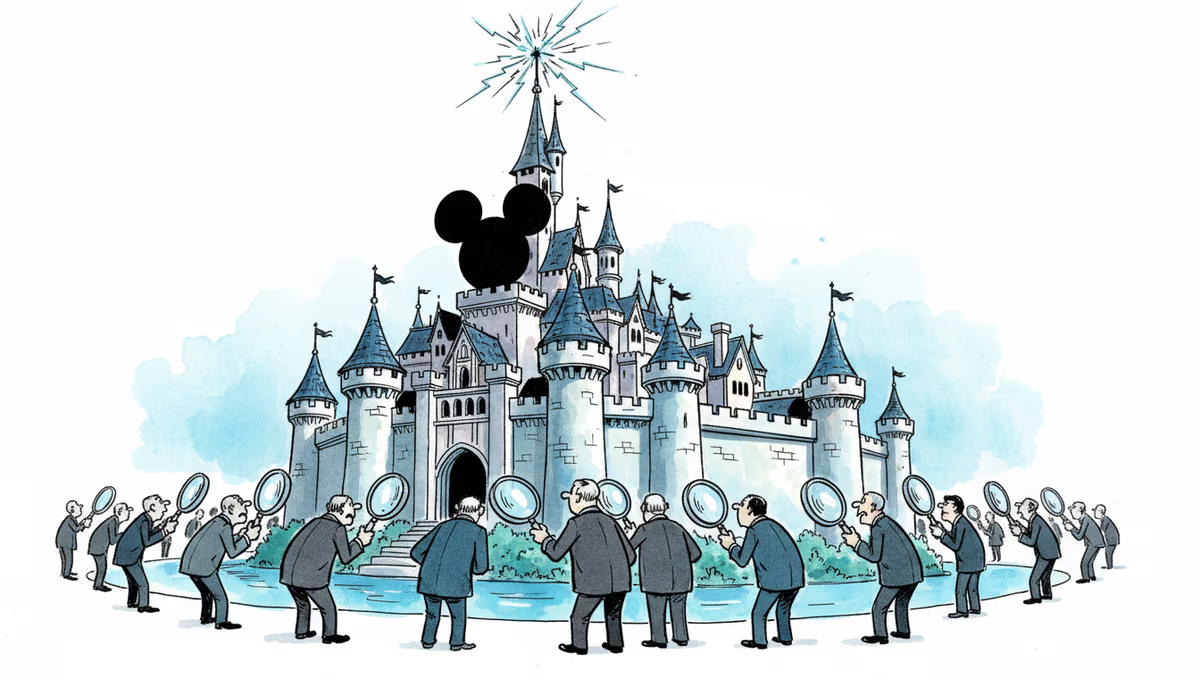
Josh D'Amaro took over Disney with a bold Disney Plus vision. Days later, he's in a First Amendment fight with the Trump administration over The View. What does this mean for media freedom?
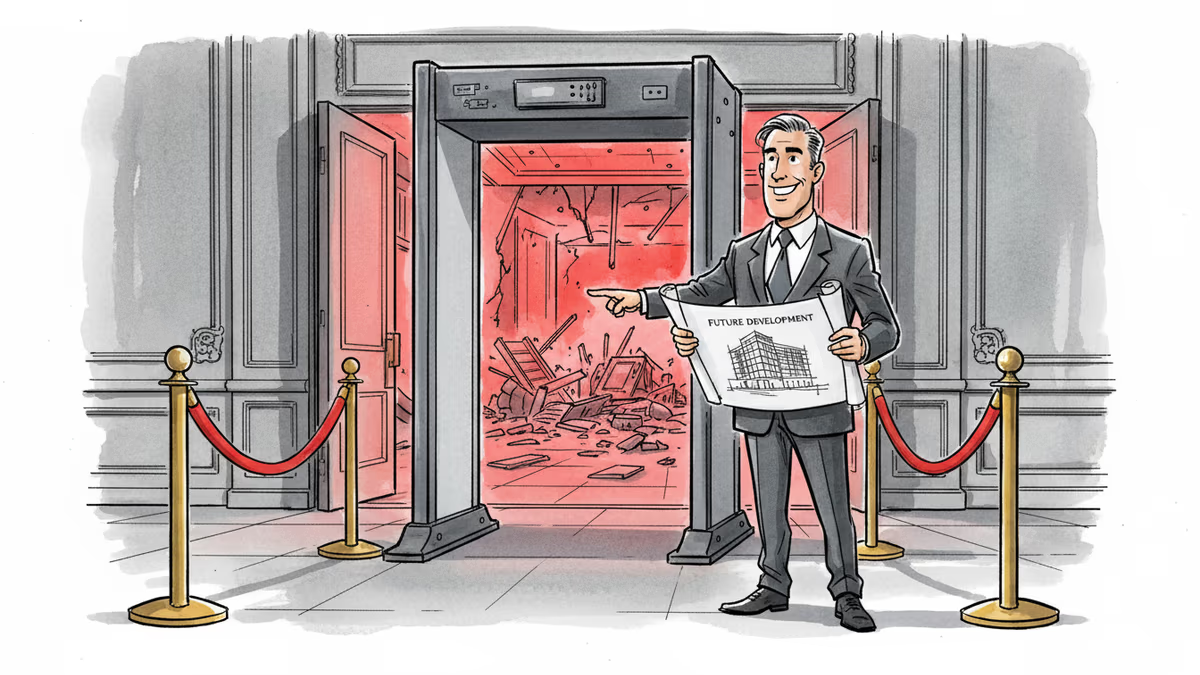
A gunman attacked a Secret Service checkpoint at the White House Correspondents' Dinner. Trump's first public reaction wasn't about security. It was about his $400M ballroom project.
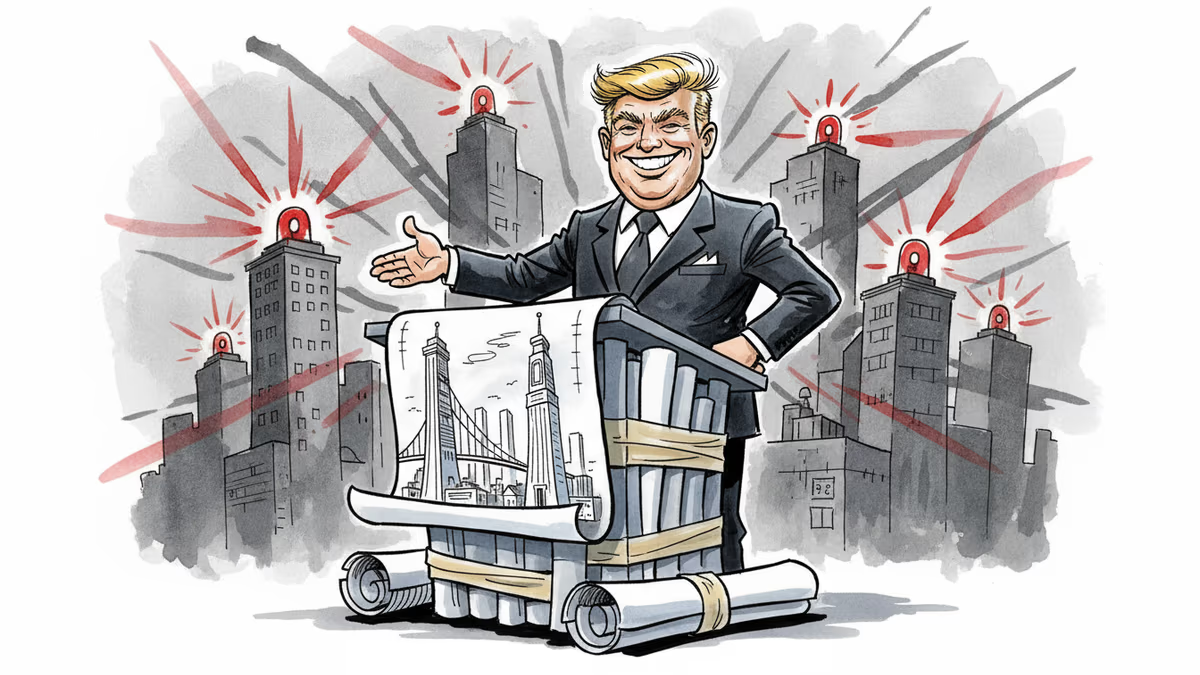
Hours after an armed suspect attempted to breach the White House Correspondents Dinner, Trump used the security scare to publicly defend his White House ballroom project. What does that tell us?
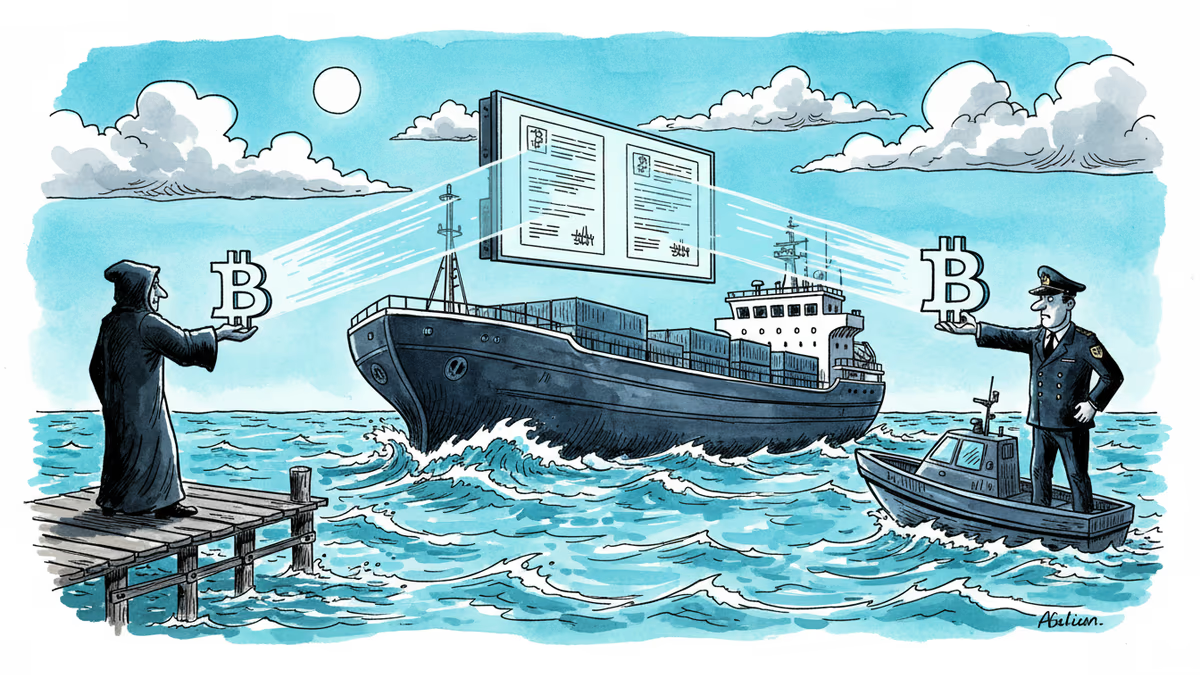
Scammers posing as Iranian authorities are demanding bitcoin and tether from ships near the Strait of Hormuz—exploiting the fact that Iran already does exactly this.
Josh D'Amaro took over Disney with a bold Disney Plus vision. Days later, he's in a First Amendment fight with the Trump administration over The View. What does this mean for media freedom?
A gunman attacked a Secret Service checkpoint at the White House Correspondents' Dinner. Trump's first public reaction wasn't about security. It was about his $400M ballroom project.
Hours after an armed suspect attempted to breach the White House Correspondents Dinner, Trump used the security scare to publicly defend his White House ballroom project. What does that tell us?
Scammers posing as Iranian authorities are demanding bitcoin and tether from ships near the Strait of Hormuz—exploiting the fact that Iran already does exactly this.
Thoughts
Share your thoughts on this article
Sign in to join the conversation