
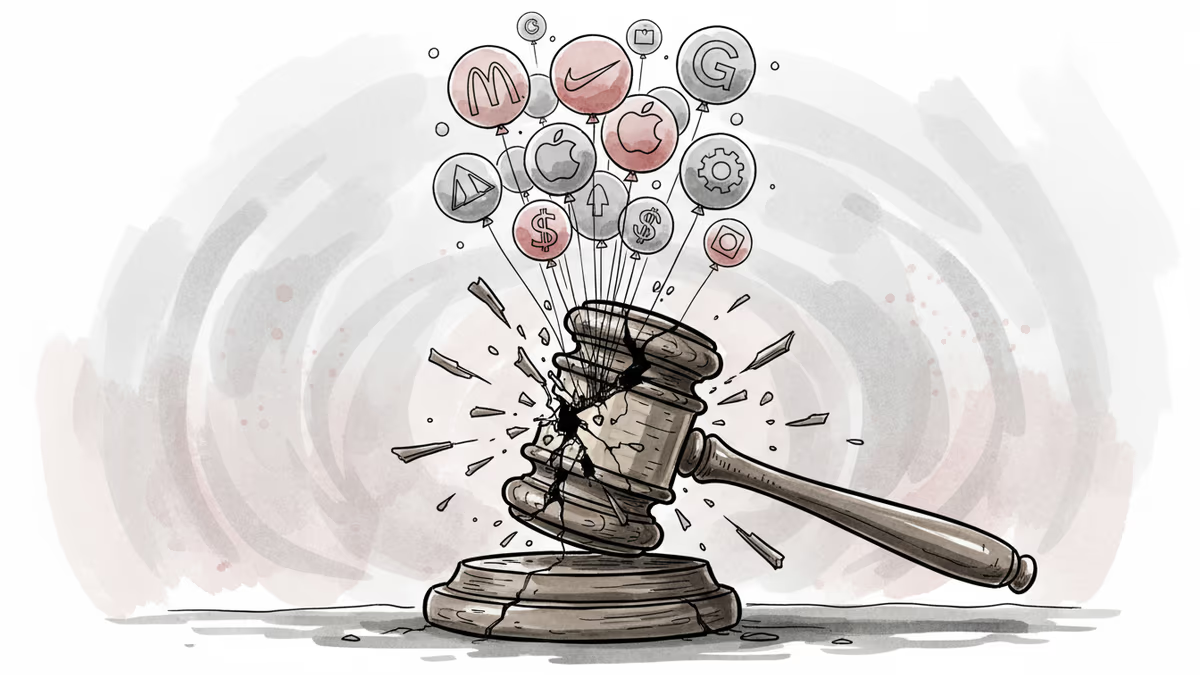
Trump's Antitrust Strategy Cracks at the Seams
The sudden departure of DOJ's antitrust chief weeks before major court battles signals deeper tensions between Trump's deal-making approach and legal enforcement consistency.
The 48-Hour Collapse of Antitrust Leadership
When Gail Slater announced her resignation as head of the Justice Department's Antitrust Division via a personal X post in mid-February, the timing couldn't have been more telling. Just weeks before one of the year's biggest anti-monopoly cases was set to hit the courtroom, the DOJ's top trust-buster walked away. To antitrust watchers, it wasn't shocking—it was inevitable.
When Personal Deals Meet Legal Process
For months, leaks from within the division painted a picture of mounting tension. Slater and her team found themselves at odds with DOJ leadership, but the real friction came from above: Donald Trump's preference for personal dealmaking over legal process. The president's habit of sitting down with CEOs to strike "win-win" arrangements directly contradicted the methodical, evidence-based approach that antitrust enforcement requires.
Two of Slater's top deputies had already jumped ship over the summer—both veterans of major cases against Google, Apple, and Meta that began under the Biden administration. The exodus left the division's most complex cases in the hands of a skeleton crew.

Silicon Valley's Mixed Signals
Big Tech's response has been cautiously optimistic. Several executives have praised Trump's "business-friendly" approach, seeing opportunities to negotiate their way out of lengthy court battles. The president has already held multiple meetings with tech CEOs, promising "mutually beneficial solutions" to regulatory challenges.
But legal experts warn of dangerous precedent. "When enforcement becomes negotiable, you lose the predictability that markets need," argues one antitrust attorney. "Companies start investing in lobbying instead of compliance."
The Regulatory Domino Effect
The implications stretch far beyond Silicon Valley. If the U.S. softens its stance on tech monopolies, it could pressure allies to follow suit. European regulators, who have been more aggressive than their American counterparts, may find themselves isolated. Meanwhile, countries like South Korea and Japan—which have their own tech giants to protect—might see an opening to ease domestic restrictions.
For consumers, the stakes are immediate. Ongoing cases that could have lowered app store fees, increased browser choice, or broken up search monopolies now face uncertain futures. The question isn't whether these cases will continue—it's whether they'll have any teeth.
Authors
Related Articles
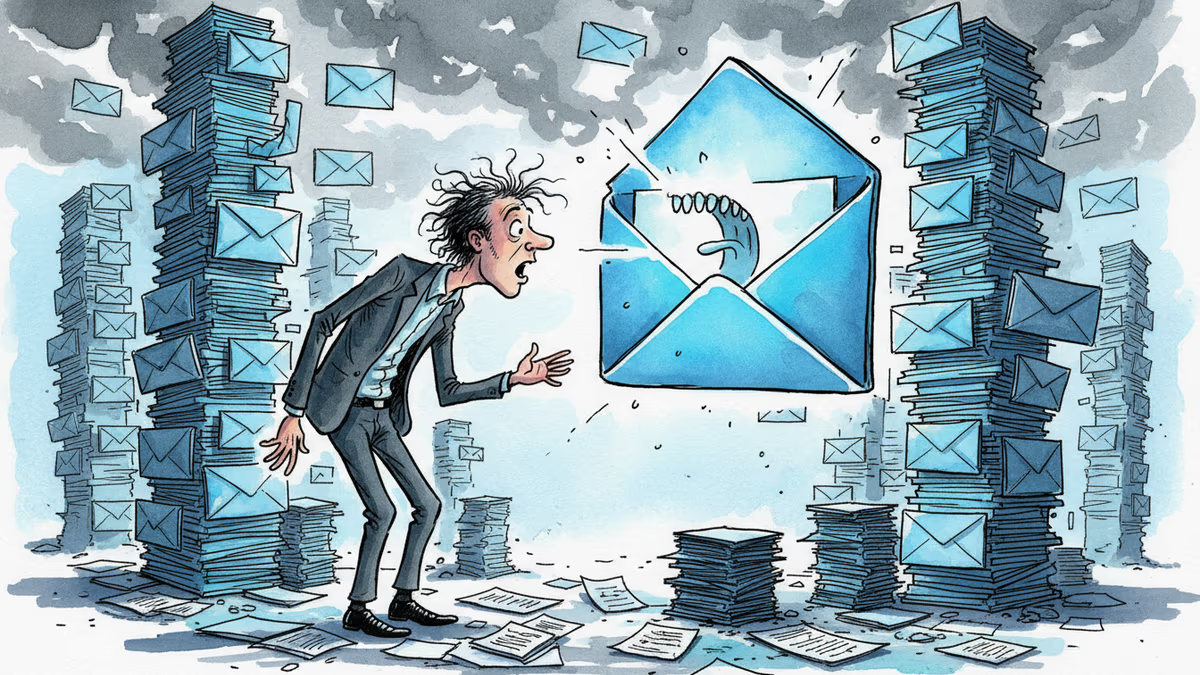
Google's Gmail Live lets you ask your inbox questions out loud. Announced at I/O 2026, it's AI's pitch to skeptics — and a reminder of how much Google already knows about you.
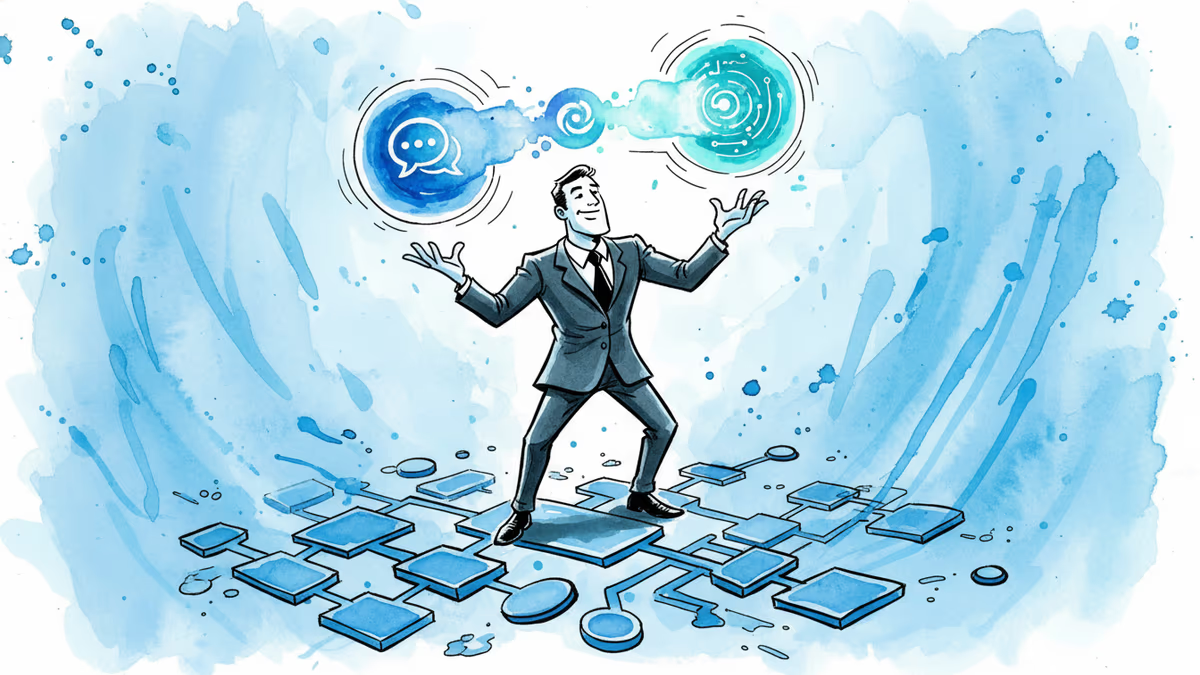
OpenAI has reorganized for the second time in a month, merging ChatGPT and Codex into a single agentic platform under president Greg Brockman's unified product leadership.
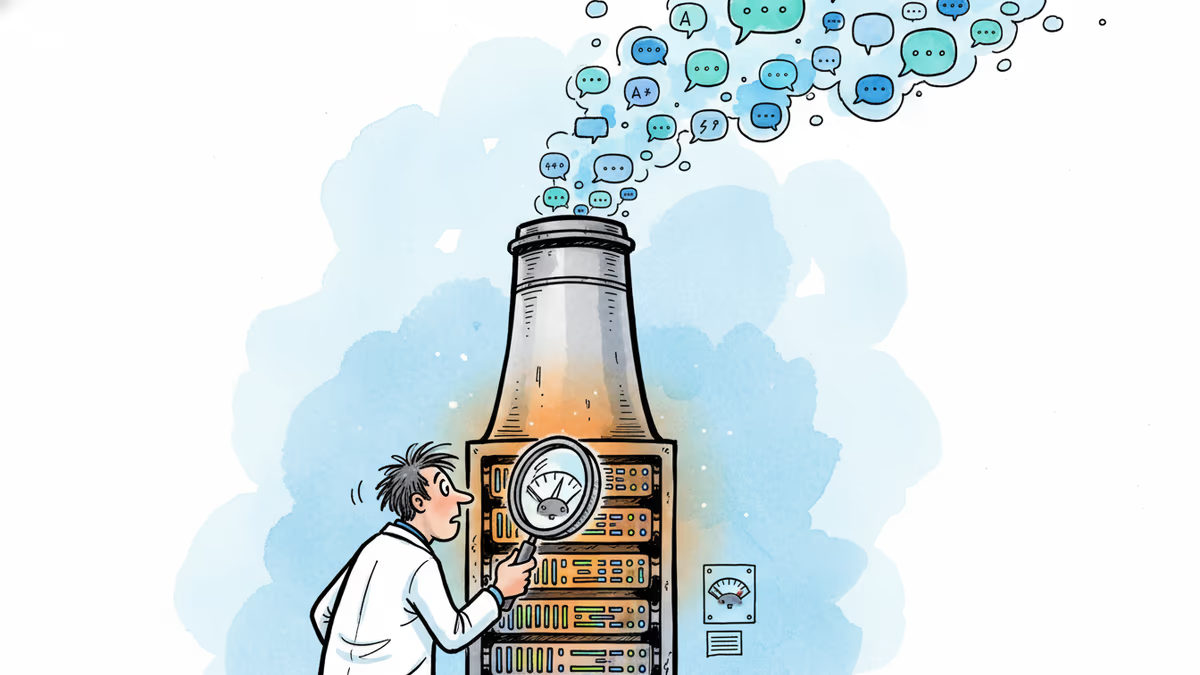
AI sustainability researcher Sasha Luccioni is launching a new venture to push for energy transparency in AI. Here's why Big Tech keeps the numbers hidden—and what's starting to change.
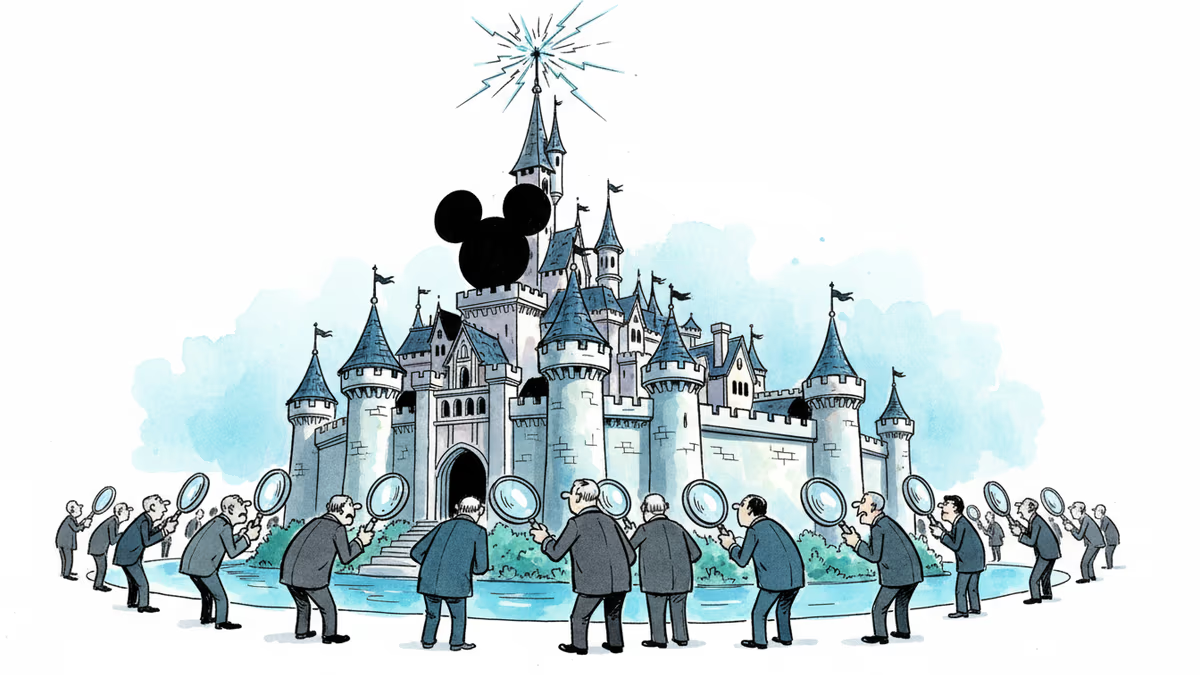
Josh D'Amaro took over Disney with a bold Disney Plus vision. Days later, he's in a First Amendment fight with the Trump administration over The View. What does this mean for media freedom?
Google's Gmail Live lets you ask your inbox questions out loud. Announced at I/O 2026, it's AI's pitch to skeptics — and a reminder of how much Google already knows about you.
OpenAI has reorganized for the second time in a month, merging ChatGPT and Codex into a single agentic platform under president Greg Brockman's unified product leadership.
AI sustainability researcher Sasha Luccioni is launching a new venture to push for energy transparency in AI. Here's why Big Tech keeps the numbers hidden—and what's starting to change.
Josh D'Amaro took over Disney with a bold Disney Plus vision. Days later, he's in a First Amendment fight with the Trump administration over The View. What does this mean for media freedom?
Thoughts
Share your thoughts on this article
Sign in to join the conversation