
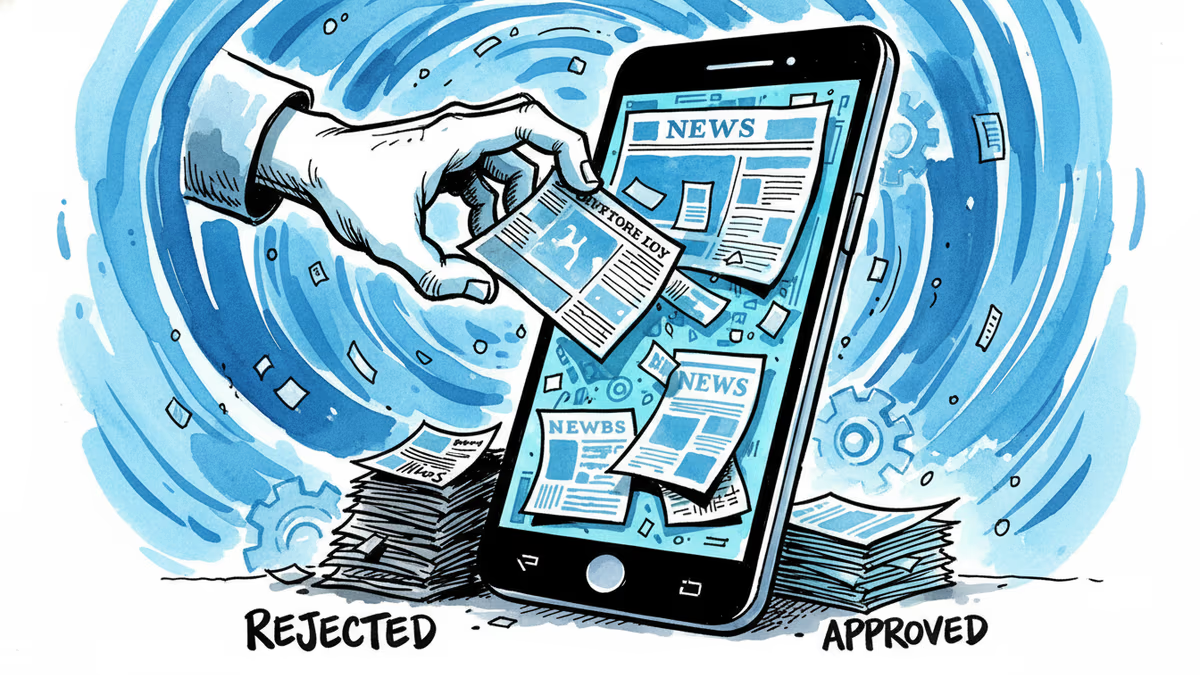
When News Algorithms Meet Political Pressure
FTC Chairman Andrew Ferguson accuses Apple News of suppressing conservative outlets, marking a new front in Big Tech regulation under Trump's second term.
The 40 Million User Question
Andrew Ferguson's first major move as FTC Chairman wasn't about monopolies or mergers. It was a letter to Tim Cook asking a pointed question: Is Apple News systematically suppressing conservative voices?
The accusation stems from research by a pro-Trump group claiming that Apple News has been promoting left-leaning outlets while suppressing articles from Fox News, New York Post, Daily Mail, Breitbart, and The Gateway Pundit. Ferguson argues this might violate Apple's promises to consumers, though his letter notably doesn't cite specific terms of service violations.
"Recently, there have been reports that Apple News has systematically promoted news articles from left-wing news outlets and suppressed news articles from more conservative publications," Ferguson wrote, raising questions about whether Apple is meeting "the reasonable consumer expectations of the tens of millions of Americans who use Apple News."
Algorithm or Agenda?
This isn't just about news curation—it's about power. Apple News reaches over 40 million Americans, making it a significant gatekeeper of information. The platform's algorithm determines what stories millions see first, what gets buried, and what never appears at all.
The challenge lies in distinguishing between algorithmic bias and editorial judgment. Every news platform makes choices about quality, relevance, and credibility. But when those choices consistently favor one political perspective, questions arise about whether users are getting the neutral service they expect.

Ferguson's letter, however, lacks specificity. Without citing exact terms of service violations, it reads more like political pressure than legal action—a warning shot rather than a smoking gun.
The New Battleground
This marks a significant shift in how Republicans approach Big Tech regulation. While Democrats focused on antitrust and market concentration, the GOP is weaponizing cultural grievances about perceived liberal bias in Silicon Valley.
Conservatives have long argued that tech platforms systematically suppress their voices. Now they have federal power to investigate those claims. The question is whether this represents legitimate consumer protection or political intimidation.
For Apple, the timing couldn't be more challenging. The company has worked to maintain its reputation as politically neutral, focusing on privacy and user experience rather than content moderation controversies that have plagued Facebook and Twitter.
The Impossible Standard
Apple faces an impossible choice: perfect neutrality that doesn't exist, or editorial judgment that invites political scrutiny. Every algorithmic decision reflects someone's values—whether about source credibility, story importance, or user engagement.
The company could argue it's simply filtering out low-quality content or misinformation. But if that filtering disproportionately affects conservative sources, critics will cry bias. If Apple loosens standards to appear neutral, it risks amplifying unreliable information.
This dilemma extends beyond Apple. Every news platform—from Google News to social media feeds—grapples with the same fundamental tension between curation and neutrality.
Authors
Related Articles
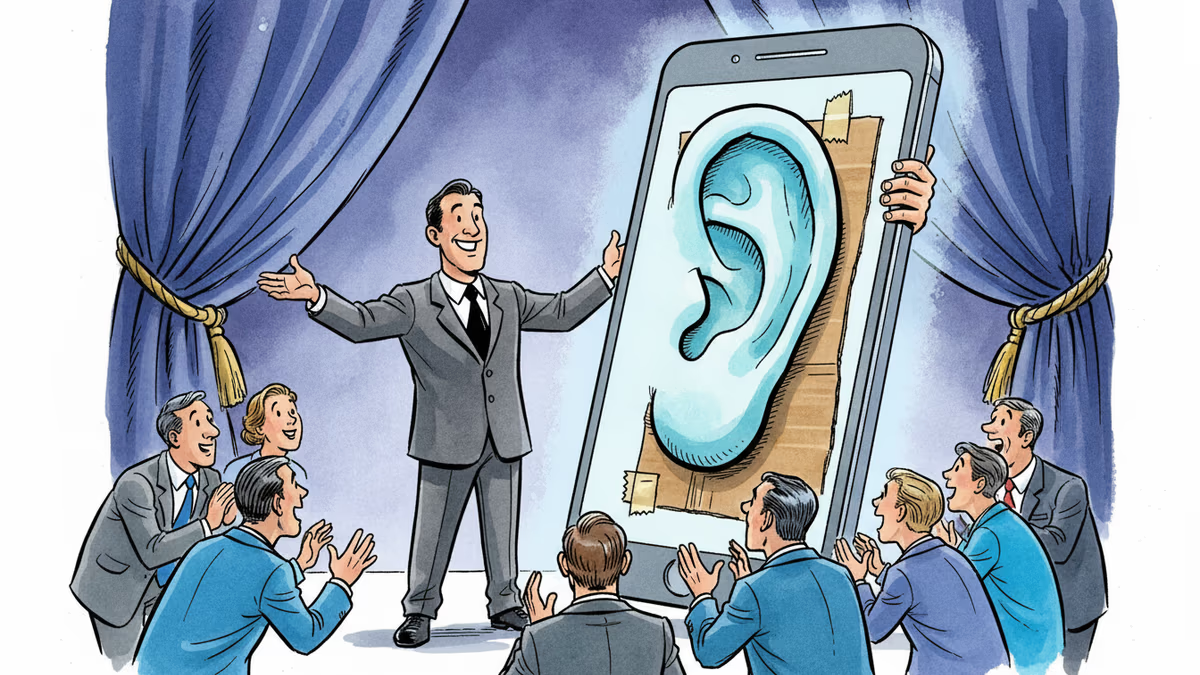
The FTC fined Cox Media and two ad firms $930,000 — not for actually eavesdropping on users, but for falsely claiming they could. The case raises uncomfortable questions about surveillance capitalism.
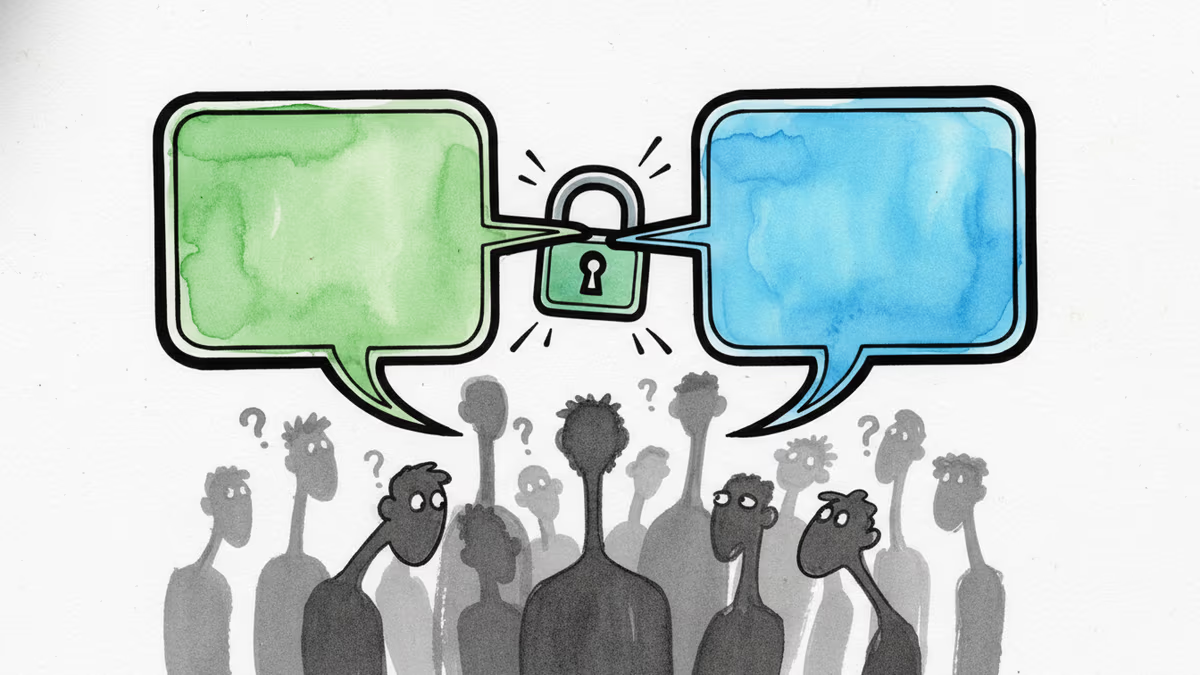
After 15 years of fragmented mobile messaging, Apple and Google are rolling out end-to-end encrypted RCS messaging between iPhones and Android devices. Here's what changed, why it took so long, and what it means for your privacy.
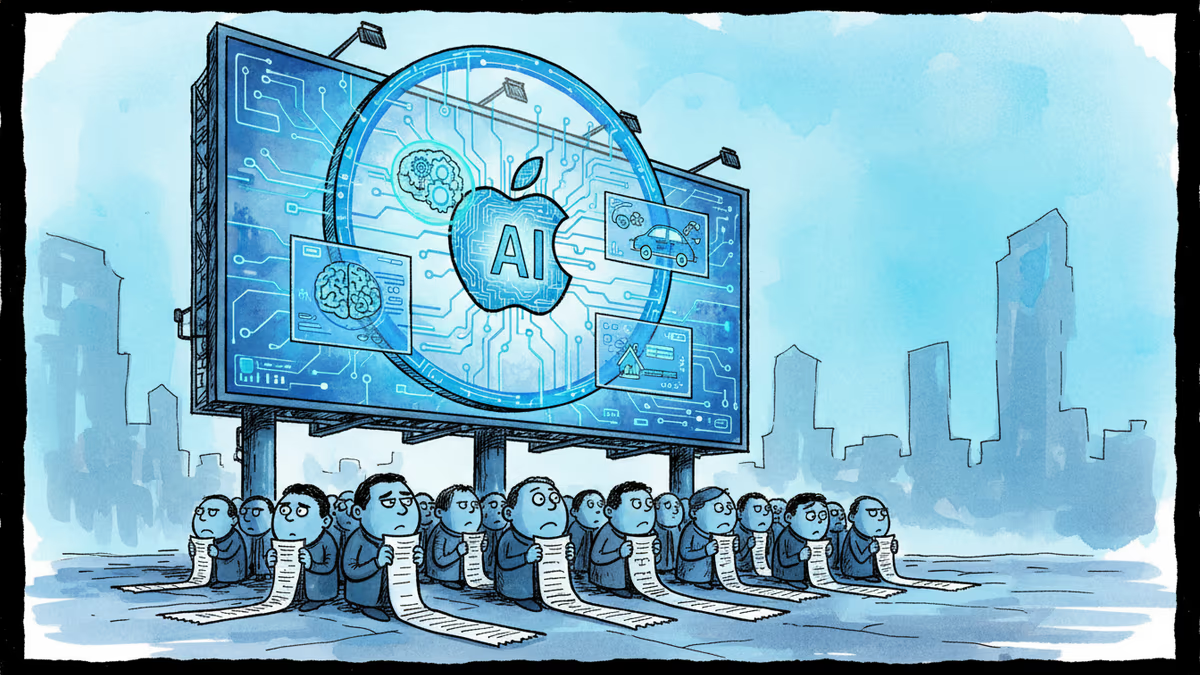
Apple agreed to pay $250 million to settle claims it misled iPhone 16 buyers about Apple Intelligence features. What this means for consumers, Big Tech marketing, and the AI industry.
Apple quietly removed the entry-level $599 Mac Mini, raising the starting price to $799 — just one day after Tim Cook warned of chip supply constraints on the earnings call.
The FTC fined Cox Media and two ad firms $930,000 — not for actually eavesdropping on users, but for falsely claiming they could. The case raises uncomfortable questions about surveillance capitalism.
After 15 years of fragmented mobile messaging, Apple and Google are rolling out end-to-end encrypted RCS messaging between iPhones and Android devices. Here's what changed, why it took so long, and what it means for your privacy.
Apple agreed to pay $250 million to settle claims it misled iPhone 16 buyers about Apple Intelligence features. What this means for consumers, Big Tech marketing, and the AI industry.
Apple quietly removed the entry-level $599 Mac Mini, raising the starting price to $799 — just one day after Tim Cook warned of chip supply constraints on the earnings call.
Thoughts
Share your thoughts on this article
Sign in to join the conversation