
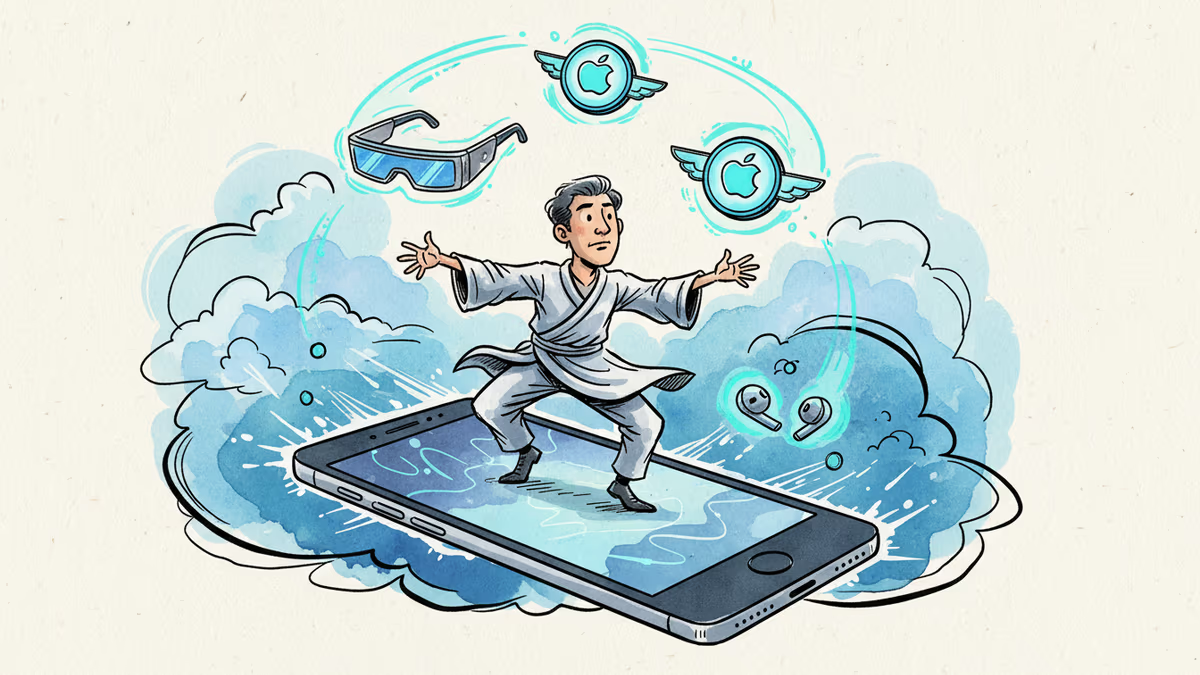
Apple's AI Wearable Trinity Could Redefine Post-Smartphone Era
Apple accelerates development of AI pin, smart glasses, and AI-powered AirPods for 2027 launch. Analysis of how this three-pronged strategy could reshape the wearables market.
The $3 Trillion Question: What Comes After iPhone?
Apple is betting big on not one, not two, but three AI wearables simultaneously. An AI pin the size of an AirTag. Smart glasses codenamed N50. AI-powered AirPods. This isn't just product diversification—it's Apple's answer to a fundamental question plaguing every tech giant: what's the next platform after smartphones?
Bloomberg reports that Apple has accelerated production timelines for its smart glasses, targeting December 2024 for manufacturing and 2027 for public release. The AI pin, first reported by The Information last month, is also gaining momentum. All three devices will integrate with the iPhone and feature Siri as the primary interface.
Playing Catch-Up in a Crowded Field
Apple enters a market where competitors have already staked their claims. Meta's Ray-Ban smart glasses have found surprising success, while Snap plans to release its "Specs" later this year. The challenge? Apple's typically premium pricing strategy might clash with market realities.
Meta's Ray-Ban glasses retail for $299—a price point that enabled mass adoption. Apple's approach of making the glasses "more upscale and feature-rich" than the AI pin and AirPods suggests a different strategy. But will consumers pay Apple's premium for features they can get elsewhere for less?

The Ecosystem Play vs. The Accessibility Play
Apple's strength lies in ecosystem integration. All three wearables will connect seamlessly with existing Apple devices, creating a unified experience that competitors struggle to match. For users already invested in Apple's ecosystem, this integration could justify premium pricing.
Yet this strategy has limitations. While Apple perfects its walled garden, competitors are democratizing smart wearables. Meta's partnerships with Ray-Ban and EssilorLuxottica bring smart glasses to mainstream retail. Snap's focus on younger demographics could establish different usage patterns before Apple even enters the market.
Beyond the Hype: Real-World Adoption Challenges
The bigger question isn't whether Apple can build superior hardware—it's whether consumers actually want three separate AI devices. Each wearable serves different use cases: the pin for discrete interactions, glasses for augmented reality, AirPods for audio-first AI. But this fragmentation could work against Apple's traditionally seamless user experience.
Privacy concerns add another layer of complexity. Smart glasses with cameras raise surveillance questions. AI pins that constantly listen for commands trigger data collection worries. Apple's privacy-focused marketing will be crucial, but regulatory scrutiny is inevitable.
Authors
Related Articles
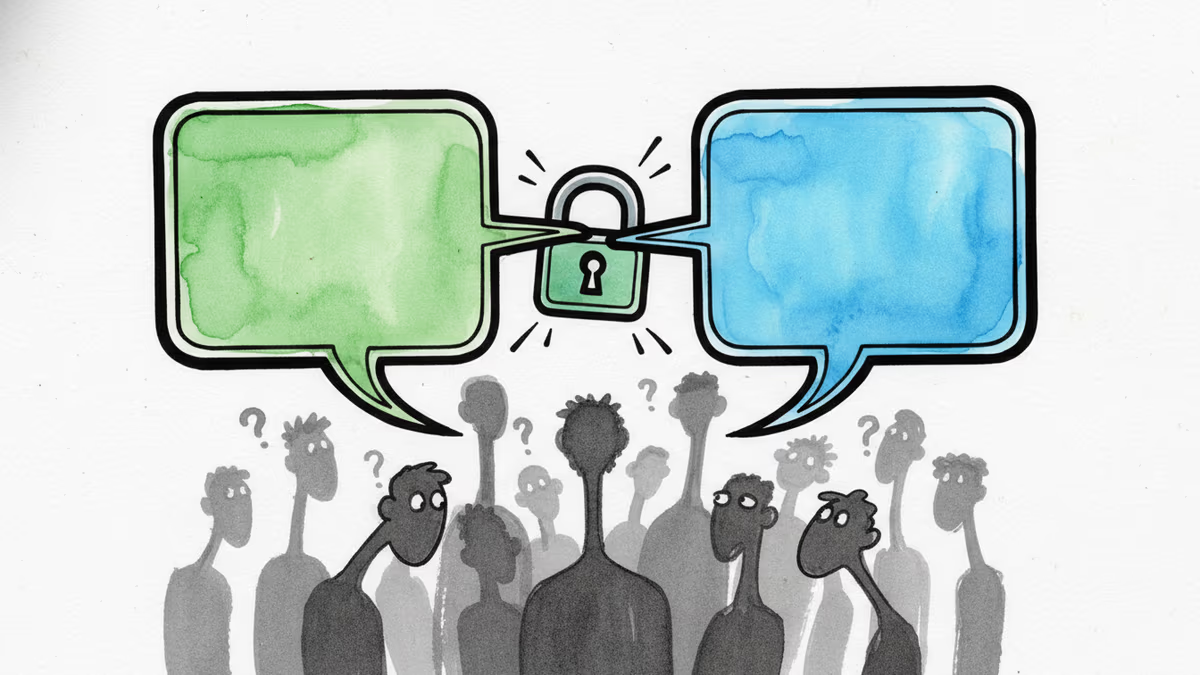
After 15 years of fragmented mobile messaging, Apple and Google are rolling out end-to-end encrypted RCS messaging between iPhones and Android devices. Here's what changed, why it took so long, and what it means for your privacy.
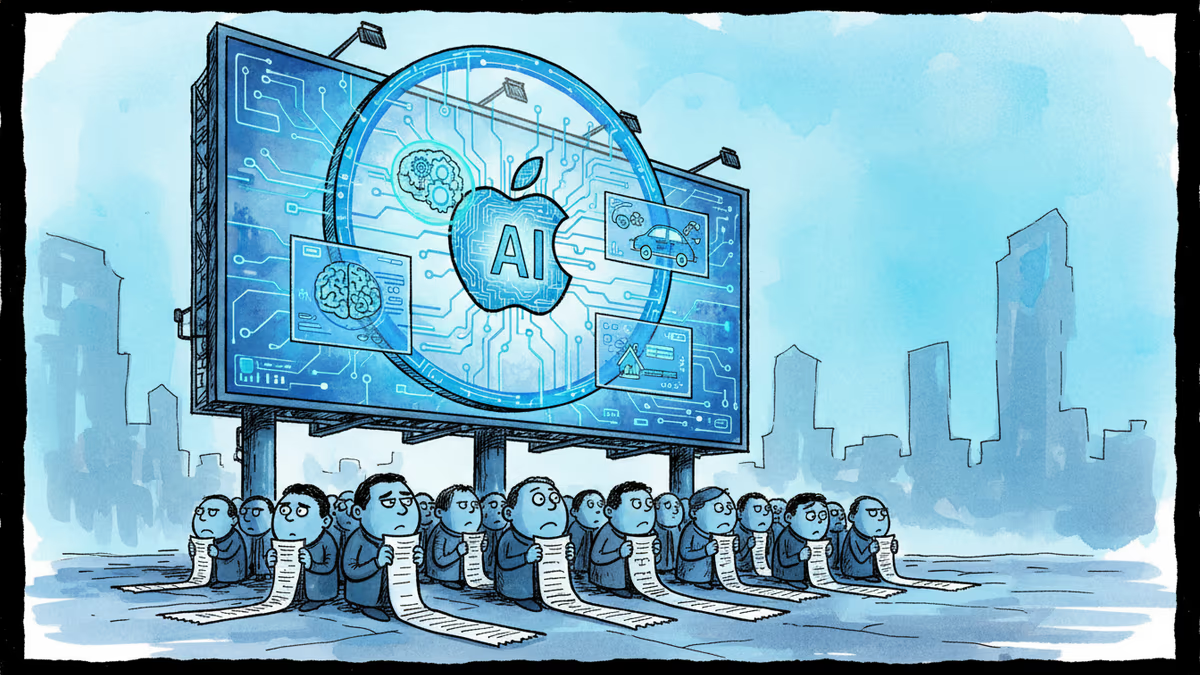
Apple agreed to pay $250 million to settle claims it misled iPhone 16 buyers about Apple Intelligence features. What this means for consumers, Big Tech marketing, and the AI industry.
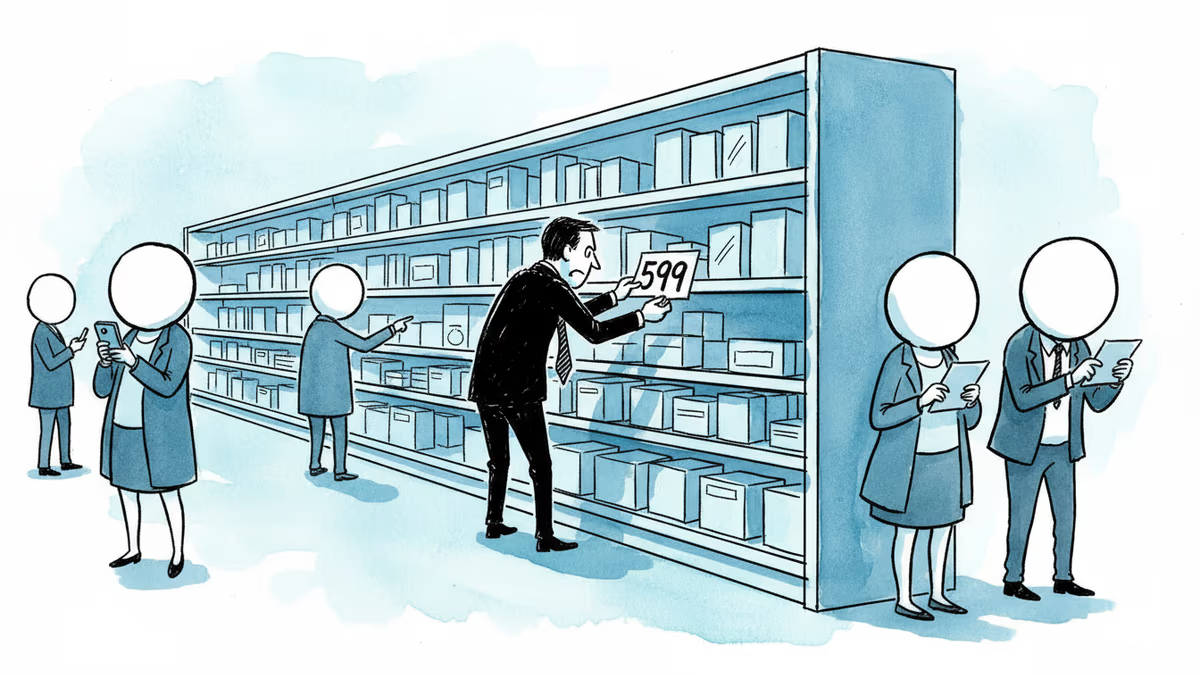
Apple quietly removed the entry-level $599 Mac Mini, raising the starting price to $799 — just one day after Tim Cook warned of chip supply constraints on the earnings call.

Apple names John Ternus, its hardware engineering chief, as the next CEO. The shift from operator to product person signals where Apple thinks its next decade of growth will come from — and raises real questions about what comes next.
After 15 years of fragmented mobile messaging, Apple and Google are rolling out end-to-end encrypted RCS messaging between iPhones and Android devices. Here's what changed, why it took so long, and what it means for your privacy.
Apple agreed to pay $250 million to settle claims it misled iPhone 16 buyers about Apple Intelligence features. What this means for consumers, Big Tech marketing, and the AI industry.
Apple quietly removed the entry-level $599 Mac Mini, raising the starting price to $799 — just one day after Tim Cook warned of chip supply constraints on the earnings call.
Apple names John Ternus, its hardware engineering chief, as the next CEO. The shift from operator to product person signals where Apple thinks its next decade of growth will come from — and raises real questions about what comes next.
Thoughts
Share your thoughts on this article
Sign in to join the conversation