
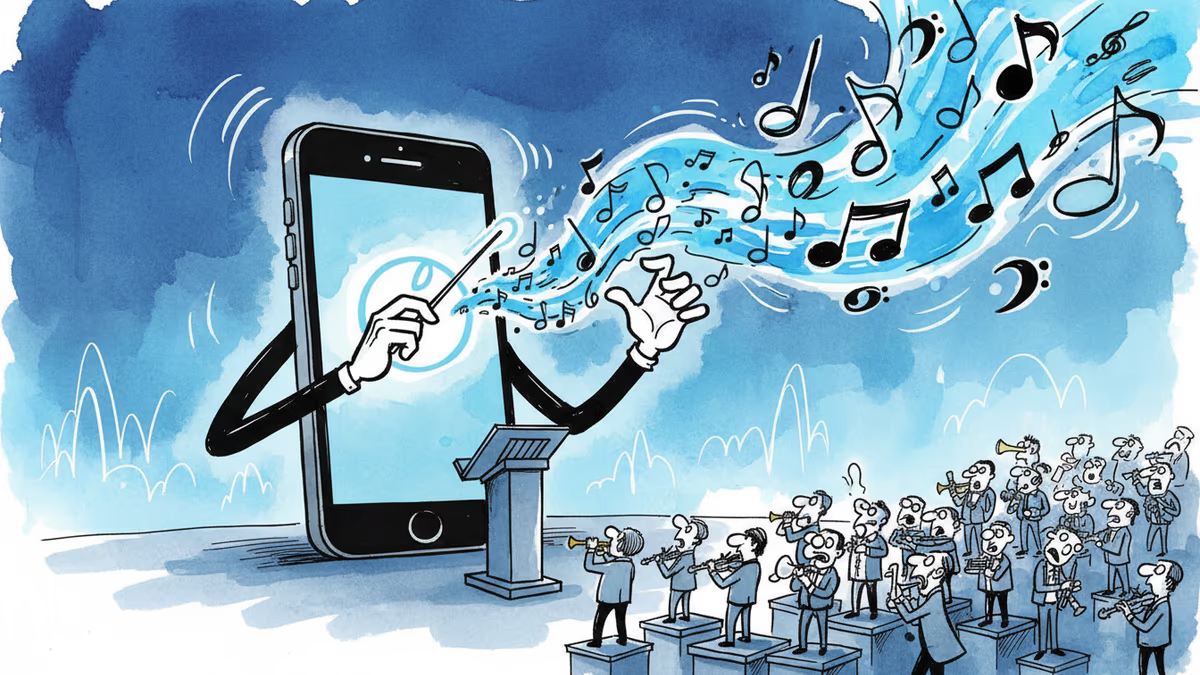
When Apple's AI Makes Your Playlist, Who's the Real DJ?
iOS 26.4 beta introduces AI playlist generation and Creator Studio tools. Analyzing the shift in music industry power dynamics and content creation.
300 millionApple Music subscribers can now type "chill vibes for a rainy afternoon" and watch AI curate the perfect playlist in seconds. It's part of the "Playlist Playground" feature in this week's iOS 26.4 beta release.
But this isn't just about convenience. It's Apple's opening move in reshaping how we think about creativity itself. When algorithms can instantly generate playlists, images, and content from simple text prompts, we're not just changing tools—we're redefining who gets to be creative.
The Creator's Dilemma: Tool or Replacement?
iOS 26.4 brings more than playlist generation. The Creator Studio version of Freeform lets users pull stock images from Apple's Content Hub and insert AI-generated visuals. The Podcasts app now supports video podcasts natively. Each feature follows the same pattern: AI doing what humans used to do.
The reactions split predictably. Independent artists worry about algorithmic homogenization. "If AI learns from my music to create similar playlists, where's my uniqueness?" asks one Nashville songwriter. Meanwhile, producers see opportunity. "It's like having a creative assistant that never sleeps," says a Los Angeles-based music producer.
But here's the twist: both perspectives might be missing the bigger picture. This isn't about replacing human creativity—it's about platform control.
The Platform Power Play
Apple's real innovation isn't the AI features themselves. It's the integration. Apple Music, Freeform, and Podcasts now share AI capabilities within a unified ecosystem. For users, it's seamless. For creators, it's potentially suffocating.

Consider the data advantage: Apple's AI trains on 300 million users' listening habits, creative choices, and consumption patterns. Independent music apps can't compete with that scale. Neither can smaller podcast platforms or creative tools.
Spotify already uses AI DJs to increase engagement. YouTube Music pushes AI-generated mixes. Now Apple's joining the race, but with a crucial difference—they control the entire creative pipeline, from the device in your pocket to the content creation tools.
The Regulatory Blind Spot
Here's what's fascinating: while regulators scrutinize big tech's market dominance in search and social media, the creative tools space flies under the radar. Yet this might be where platform power becomes most entrenched.
When Apple integrates AI creation tools directly into iOS, it's not just offering features—it's setting creative standards. The prompts that work, the aesthetics that emerge, the musical styles that get promoted—all shaped by Apple's algorithms and design choices.
European regulators have focused on app store policies and payment systems. But what happens when the platform doesn't just distribute creativity but actively shapes it?
The Investment Angle
For investors, Apple's move signals a broader shift. The company isn't just selling hardware or subscriptions anymore—it's positioning itself as the infrastructure for human creativity. That's a $2 trillion market opportunity across music, visual arts, podcasting, and beyond.
But it also creates new risks. If AI-generated content floods platforms, how do you maintain quality? If creators become too dependent on platform tools, what happens to innovation? Apple's betting that convenience trumps these concerns. Wall Street seems to agree—for now.
The answer might determine not just the future of music, but the very nature of human expression in the digital age.
Authors
Related Articles
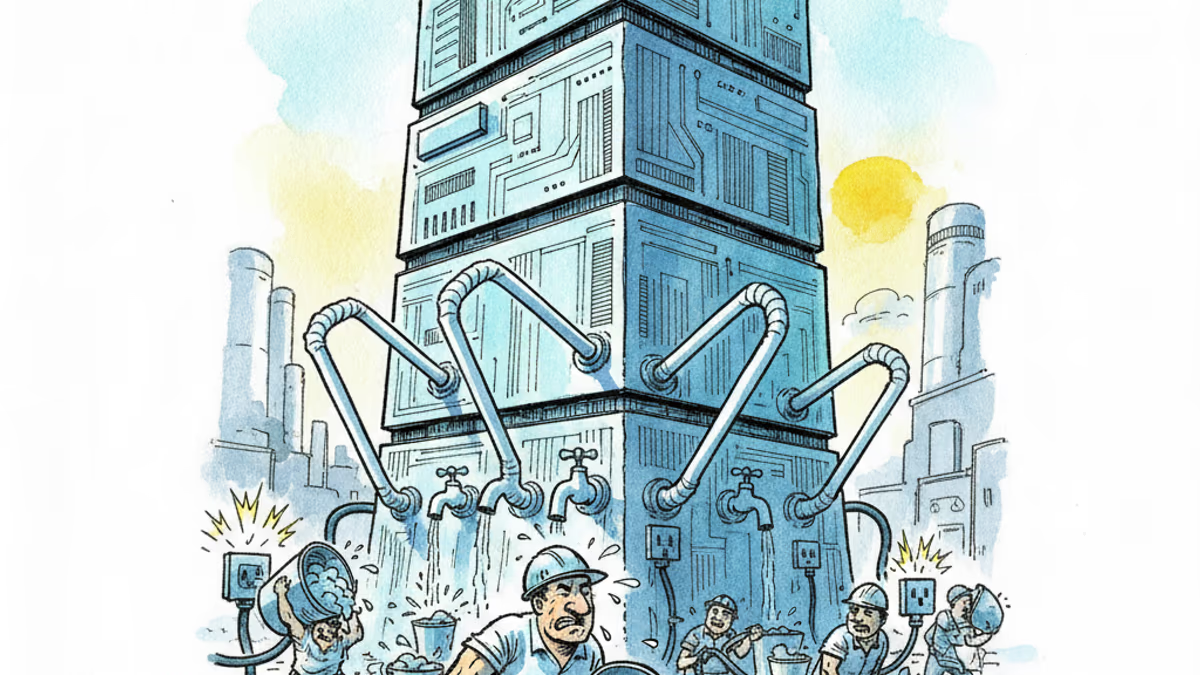
Samsung and SK unveiled a chip and AI investment package worth thousands of trillions of won on June 29. The headline number swings wildly by outlet, but the real contest isn't capital — it's water and power.
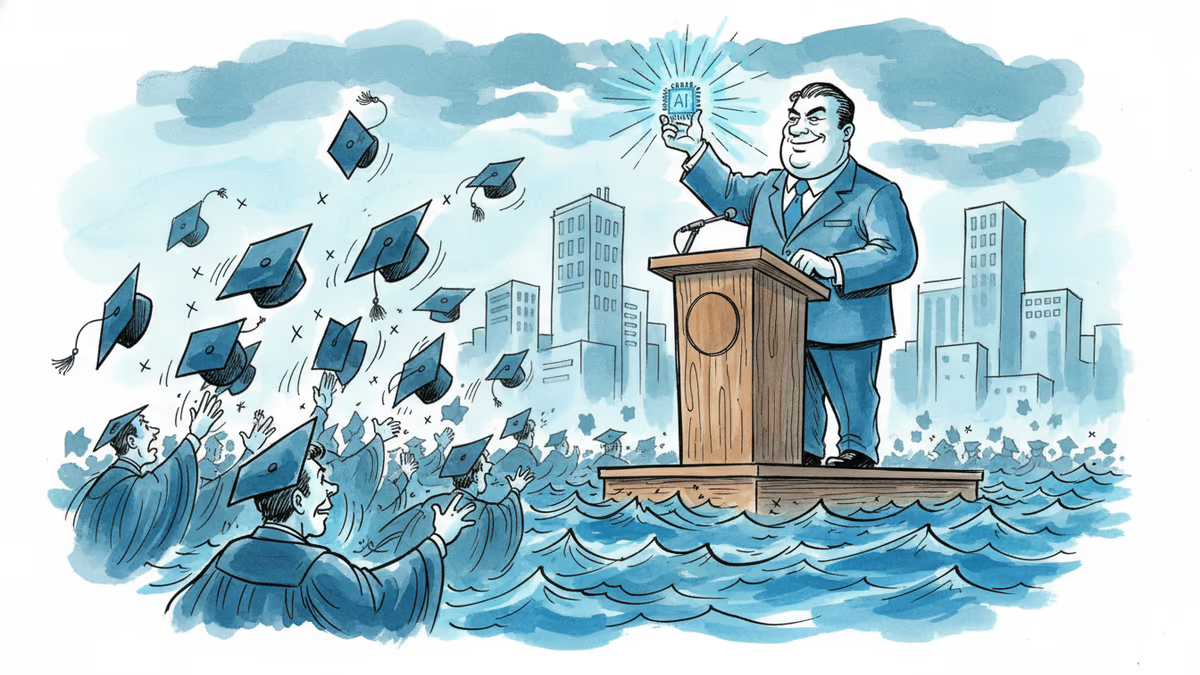
Viral videos show 2026 graduates jeering executives who praise AI at commencement ceremonies. It's not just rudeness — it's a signal about who pays for technological optimism.
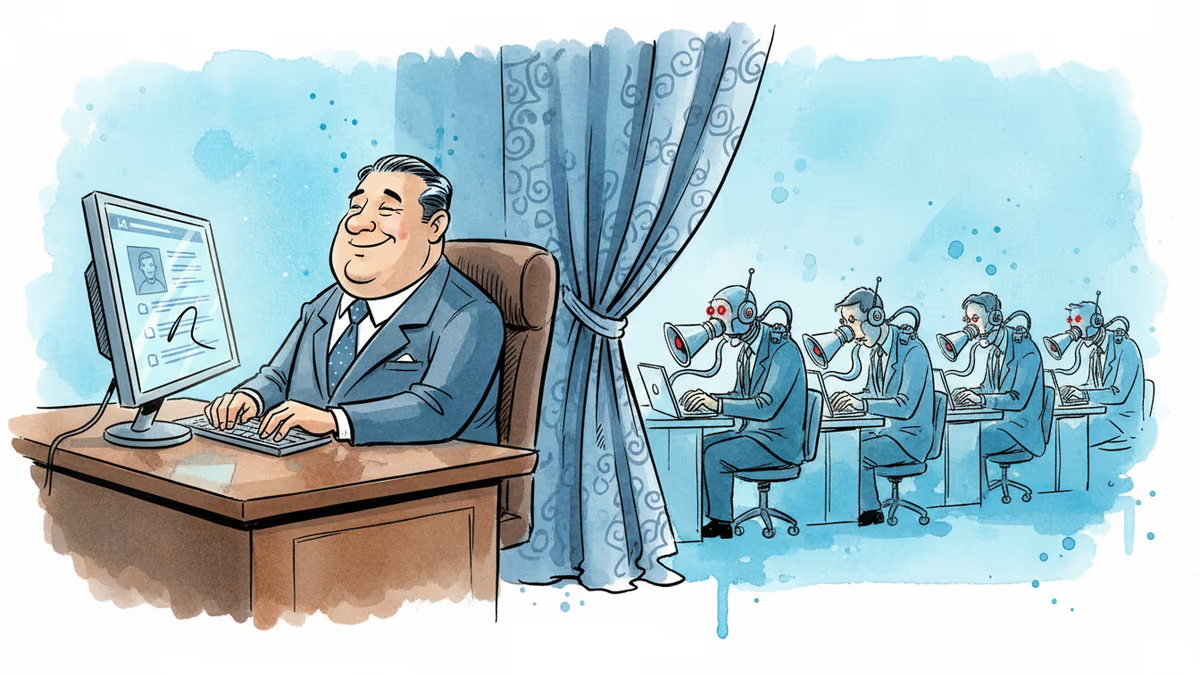
Filipino virtual assistants using AI to ghost-manage LinkedIn profiles for executives is now a structured industry. 30 comments a day, fake engagement rings, and a platform struggling to tell real from fabricated.
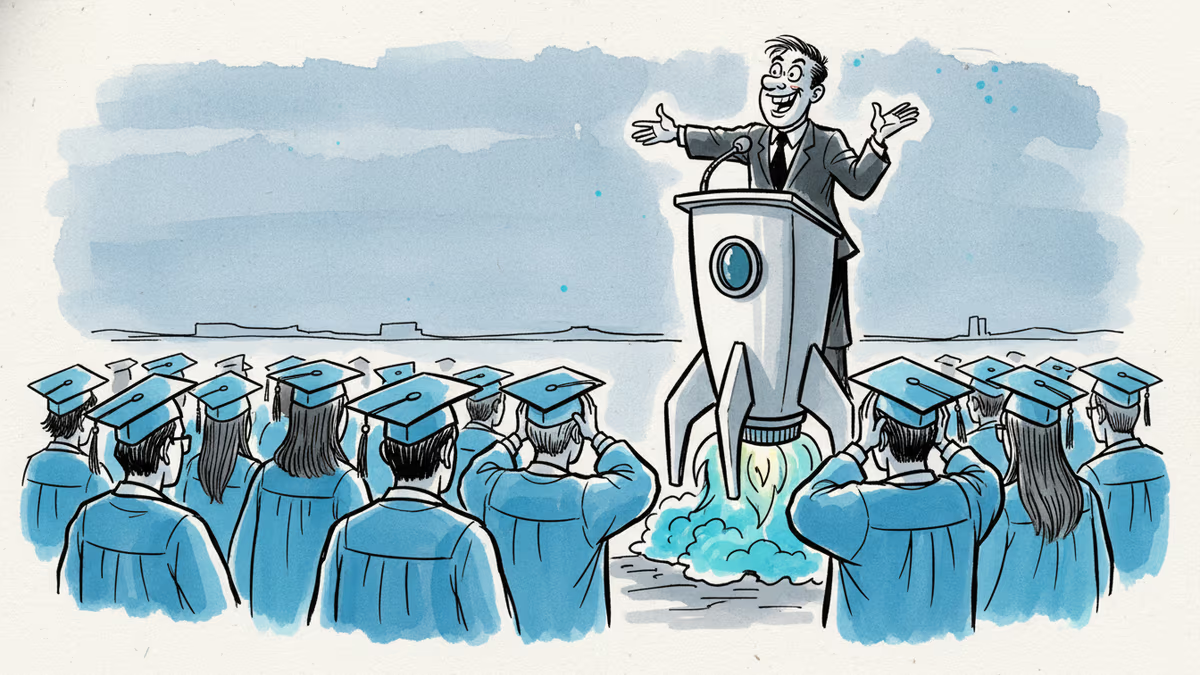
Two commencement speakers learned the hard way that AI enthusiasm doesn't land well with today's graduates. The backlash reveals a widening gap between tech optimism and Gen Z's economic reality.
Samsung and SK unveiled a chip and AI investment package worth thousands of trillions of won on June 29. The headline number swings wildly by outlet, but the real contest isn't capital — it's water and power.
Viral videos show 2026 graduates jeering executives who praise AI at commencement ceremonies. It's not just rudeness — it's a signal about who pays for technological optimism.
Filipino virtual assistants using AI to ghost-manage LinkedIn profiles for executives is now a structured industry. 30 comments a day, fake engagement rings, and a platform struggling to tell real from fabricated.
Two commencement speakers learned the hard way that AI enthusiasm doesn't land well with today's graduates. The backlash reveals a widening gap between tech optimism and Gen Z's economic reality.
Thoughts
Share your thoughts on this article
Sign in to join the conversation