
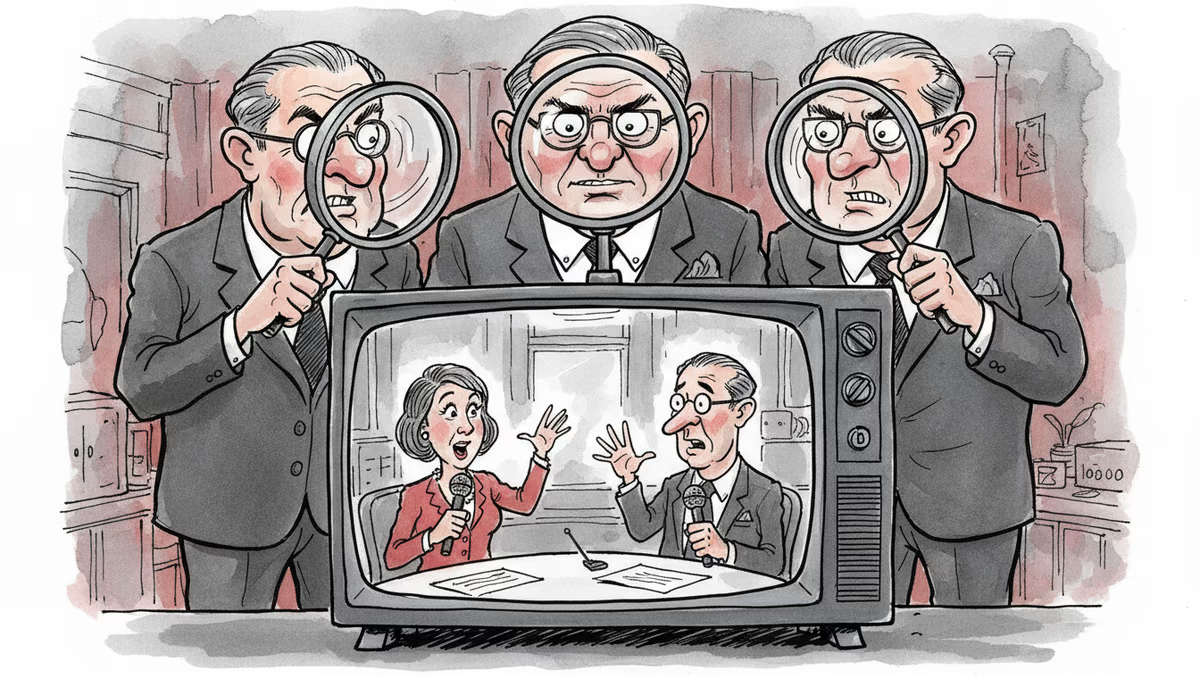
When Government Investigates TV Shows for Criticism
FCC reportedly investigating ABC's The View amid claims it's intimidating Trump administration critics. The blurring lines between legitimate oversight and political pressure raise questions about press freedom in America.
When Regulators Come for Comedy Shows
The Federal Communications Commission is reportedly investigating ABC's The View in what critics call government intimidation of Trump administration opponents. FCC Democrat Anna Gomez didn't mince words Friday night: "Let's be clear on what this is. This is government intimidation, not a legitimate investigation."
What makes this particularly striking? The FCC hasn't even officially announced the investigation. Yet Chairman Brendan Carr has been dropping hints for months. Last September, after pressuring ABC to suspend Jimmy Kimmel, Carr suggested it would be "worthwhile to have the FCC look into whether The View and some of these other programs" are violating equal-time rules. By January, his FCC was warning late-night and daytime talk shows they might lose their news exemption protection.
The Equal-Time Weapon
The equal-time rule exists for good reason: ensuring fair elections by requiring broadcasters to give candidates equal airtime. But news programs have always been exempt—imagine if every presidential interview required equal time for all opponents.
The problem? That line between "news" and "entertainment" keeps shifting. Shows like The View and Jimmy Kimmel Live! blend comedy with political commentary. When they criticize politicians, are they practicing journalism or entertainment? And crucially—who gets to decide?

Carr's FCC argues these shows have crossed into political advocacy territory, losing their news exemption. Democratic commissioners see it as weaponizing regulatory power to silence critics. Broadcasters worry that requiring "balance" for every political joke would effectively end political commentary altogether.
The Chilling Effect
Here's what Gomez finds most troubling: "The FCC will announce an investigation but never carry one out, reach a conclusion, or take any meaningful action. The real purpose is to weaponize the FCC's regulatory authority to intimidate perceived critics."
This speaks to a broader pattern. The mere threat of investigation can alter behavior. Producers might self-censor. Comedians might soften their material. Networks might avoid controversial topics entirely.
Media advocates point to similar tactics used against journalists and satirists worldwide—where the process becomes the punishment. Supporters argue that mainstream media has abandoned objectivity and needs regulatory correction.
The precedent being set here extends far beyond television. In an era where political commentary appears everywhere—from TikTok to podcasts to late-night monologues—who decides what constitutes legitimate criticism versus partisan advocacy? And should that decision ever rest with the government itself?
Authors
Related Articles
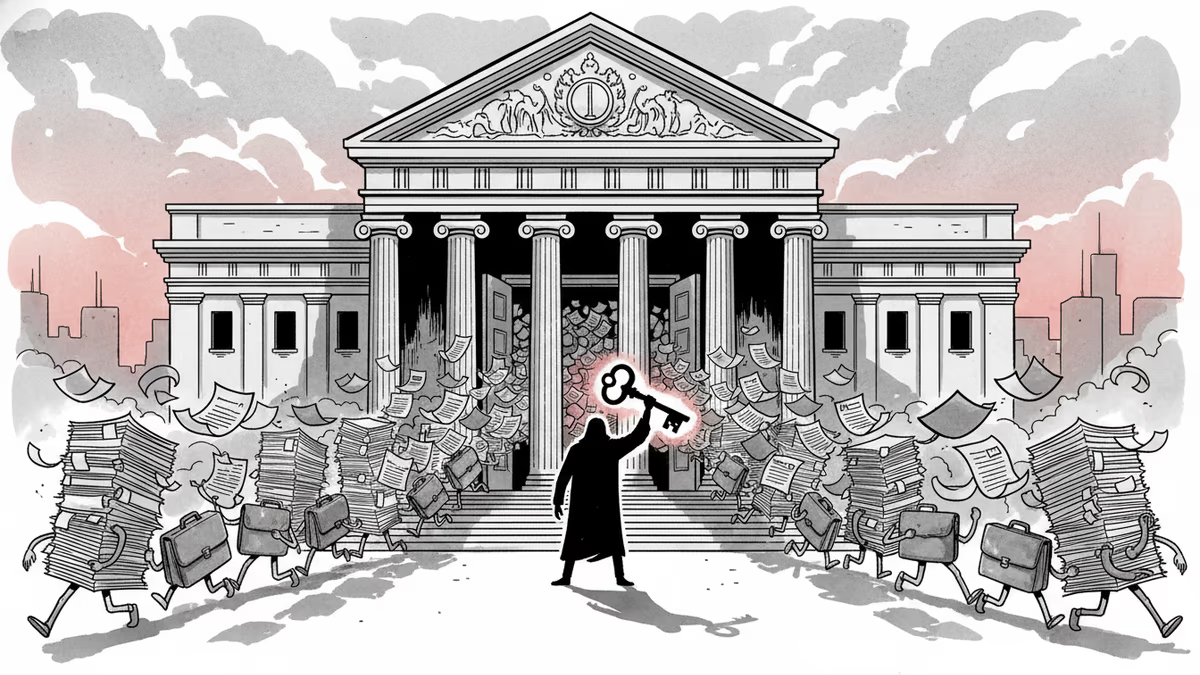
The Trump administration has gutted the DOJ's Voting Section, pushing out two dozen experienced lawyers and replacing them with loyalists. With 2026 midterms approaching, what does this mean for American democracy?
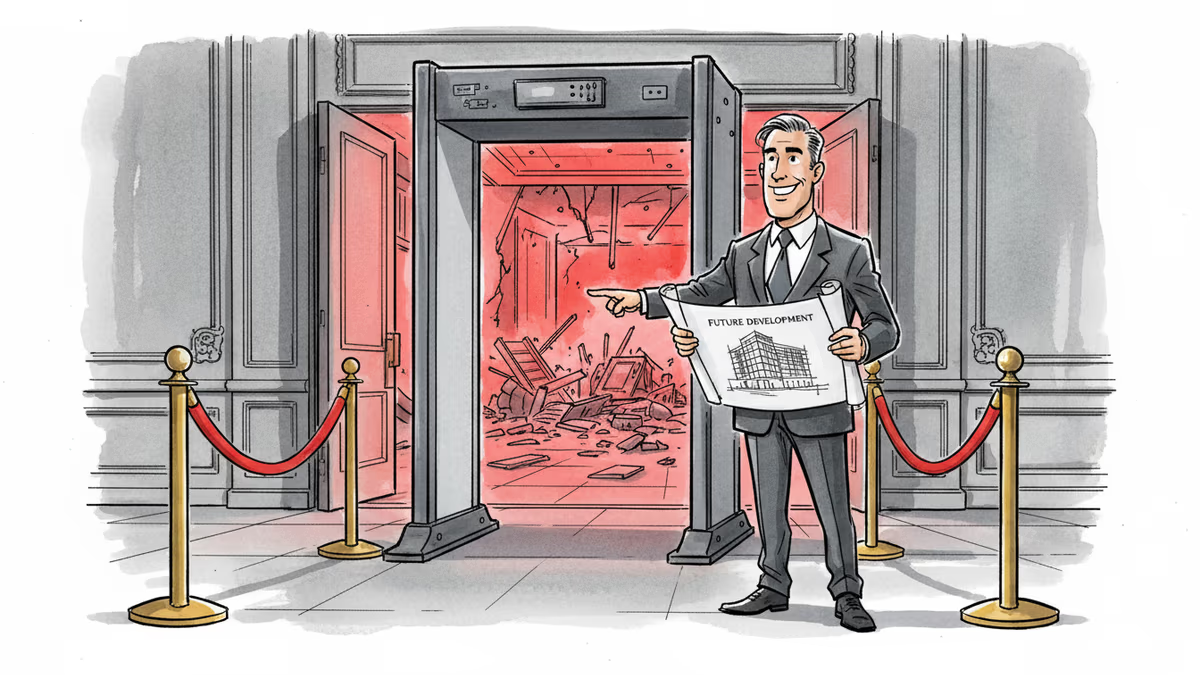
A gunman attacked a Secret Service checkpoint at the White House Correspondents' Dinner. Trump's first public reaction wasn't about security. It was about his $400M ballroom project.
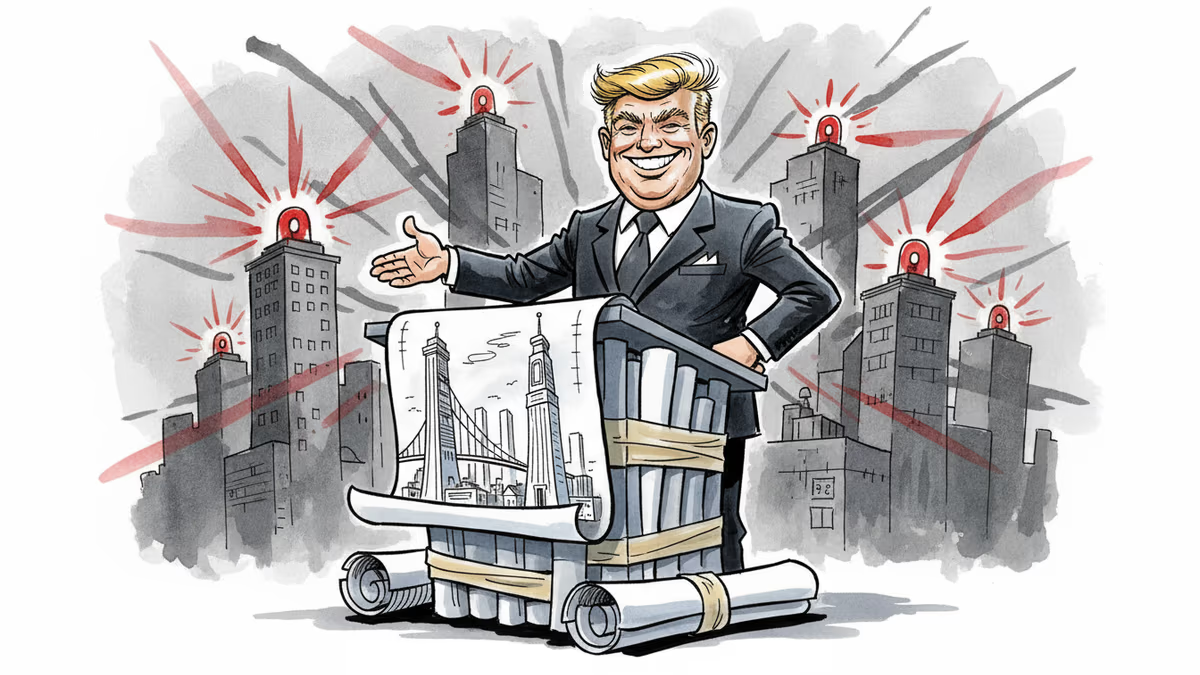
Hours after an armed suspect attempted to breach the White House Correspondents Dinner, Trump used the security scare to publicly defend his White House ballroom project. What does that tell us?
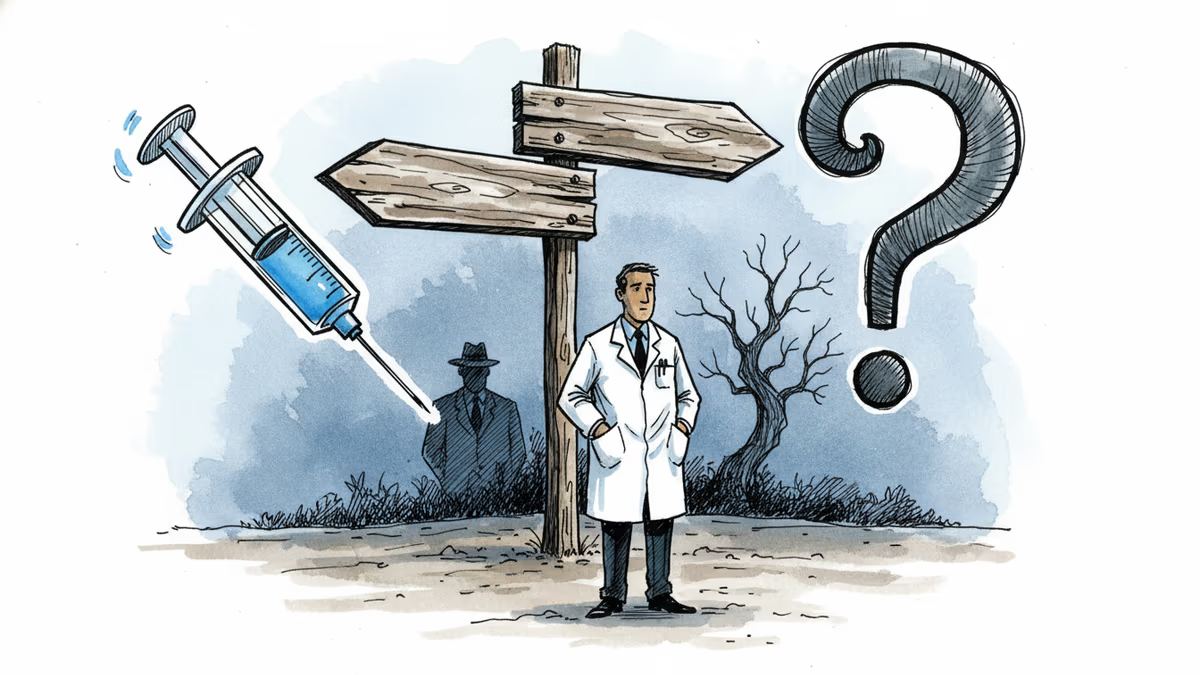
Dr. Erica Schwartz, a pro-vaccine physician with an unimpeachable public health résumé, is Trump's third CDC director nominee—a quiet but pointed rebuke of RFK Jr.'s agenda.
The Trump administration has gutted the DOJ's Voting Section, pushing out two dozen experienced lawyers and replacing them with loyalists. With 2026 midterms approaching, what does this mean for American democracy?
A gunman attacked a Secret Service checkpoint at the White House Correspondents' Dinner. Trump's first public reaction wasn't about security. It was about his $400M ballroom project.
Hours after an armed suspect attempted to breach the White House Correspondents Dinner, Trump used the security scare to publicly defend his White House ballroom project. What does that tell us?
Dr. Erica Schwartz, a pro-vaccine physician with an unimpeachable public health résumé, is Trump's third CDC director nominee—a quiet but pointed rebuke of RFK Jr.'s agenda.
Thoughts
Share your thoughts on this article
Sign in to join the conversation