
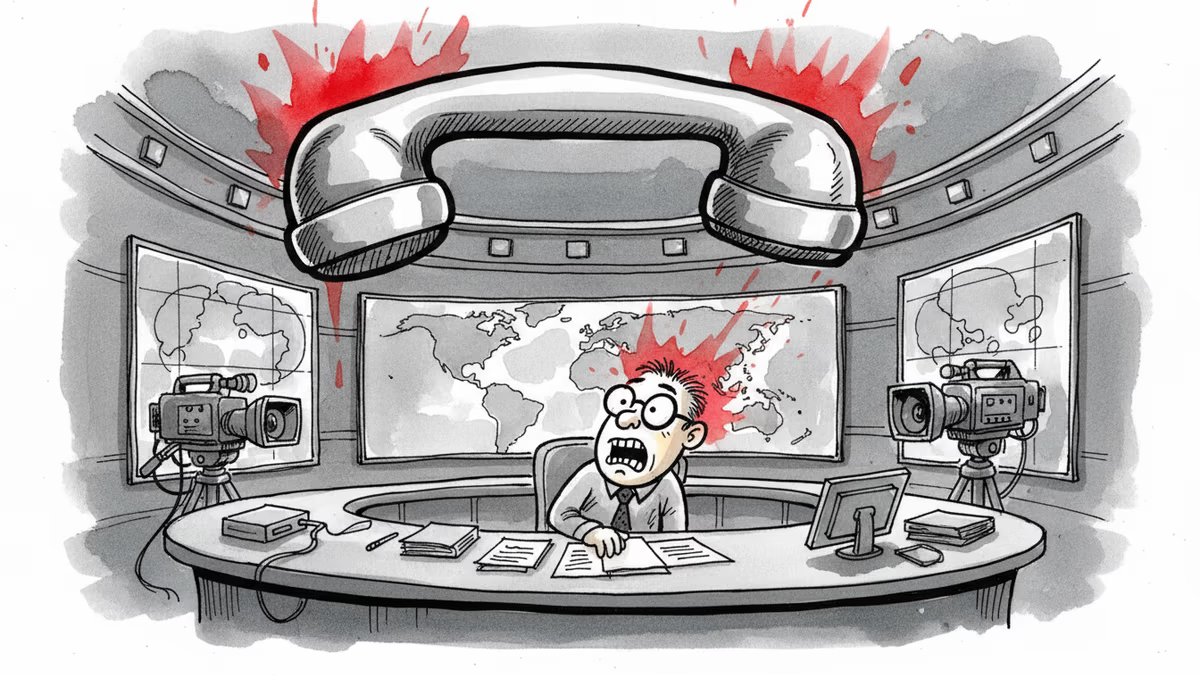
When Network Lawyers Call: The New Battle Over Broadcast Control
CBS blocked Stephen Colbert from airing an interview with a Texas Democrat, raising questions about editorial control and press freedom in the streaming age.
A Phone Call That Changed Everything
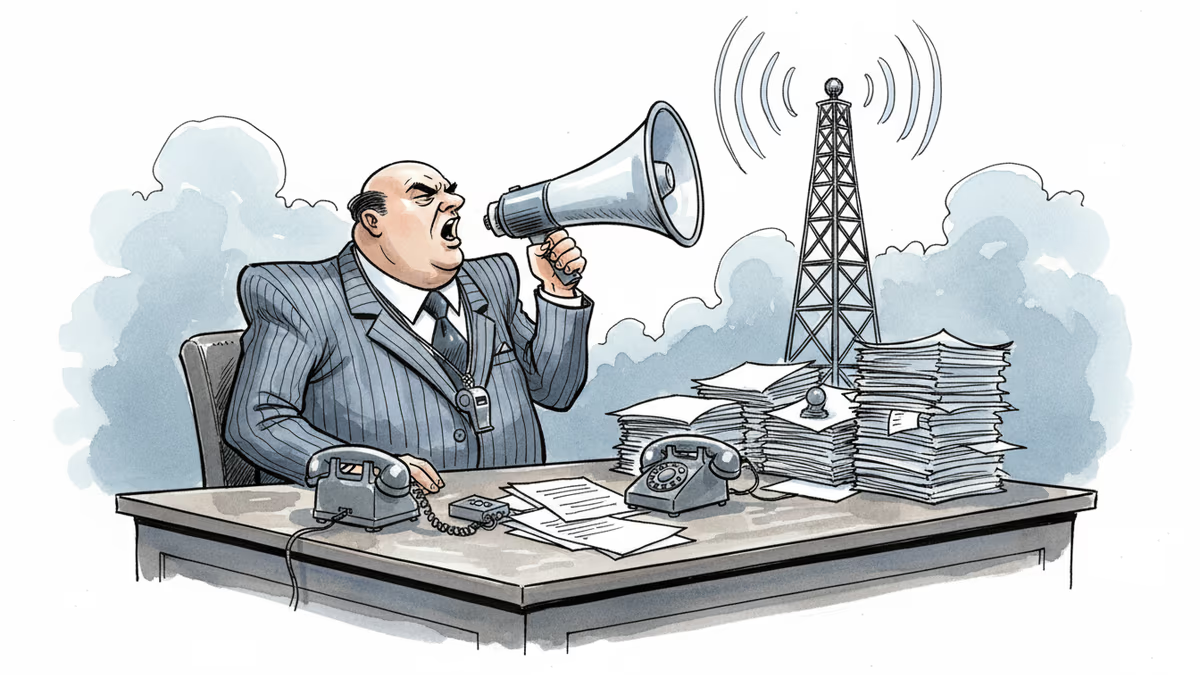
Monday night. Stephen Colbert drops a bombshell during his Late Show opening monologue. CBS lawyers called directly—not through intermediaries, not through memos—to tell him "in no uncertain terms" that James Talarico, a Democratic representative from Texas, couldn't appear on the broadcast.
The scheduled studio guest ended up on YouTube instead. Coincidentally, the same day brought news that Anderson Cooper is stepping down from his role at 60 Minutes.
The Invisible Hand of Legal
This wasn't a typical programming decision. When network lawyers intervene directly, it signals something beyond routine editorial choices. CBS hasn't disclosed their reasoning, leaving industry observers to speculate: legal liability concerns? Political pressure? Advertiser sensitivities?
Colbert's response was telling. Rather than quietly comply, he publicly called out the decision and moved the interview to YouTube—effectively bypassing traditional gatekeeping mechanisms.

The Platform Shuffle
Here's where it gets interesting. The interview happened anyway, just not where CBS wanted it. This represents a fundamental shift in media power dynamics. When traditional broadcasters say no, creators now have immediate alternatives.
YouTube, Substack, Podcast platforms—these aren't just backup options anymore. They're primary distribution channels that can reach audiences without network approval. The question becomes: who really controls the message when content can instantly migrate platforms?
The Bigger Media Moment
This incident comes amid broader tensions in broadcast journalism. CNN, Fox News, and MSNBC have all faced internal conflicts over editorial decisions. The Tucker Carlson departure, Don Lemon's exit, various host suspensions—a pattern emerges of networks asserting more direct control over content.
But unlike previous media eras, today's personalities have options. They can take their audiences elsewhere, sometimes more successfully than on traditional platforms.
Authors
Related Articles
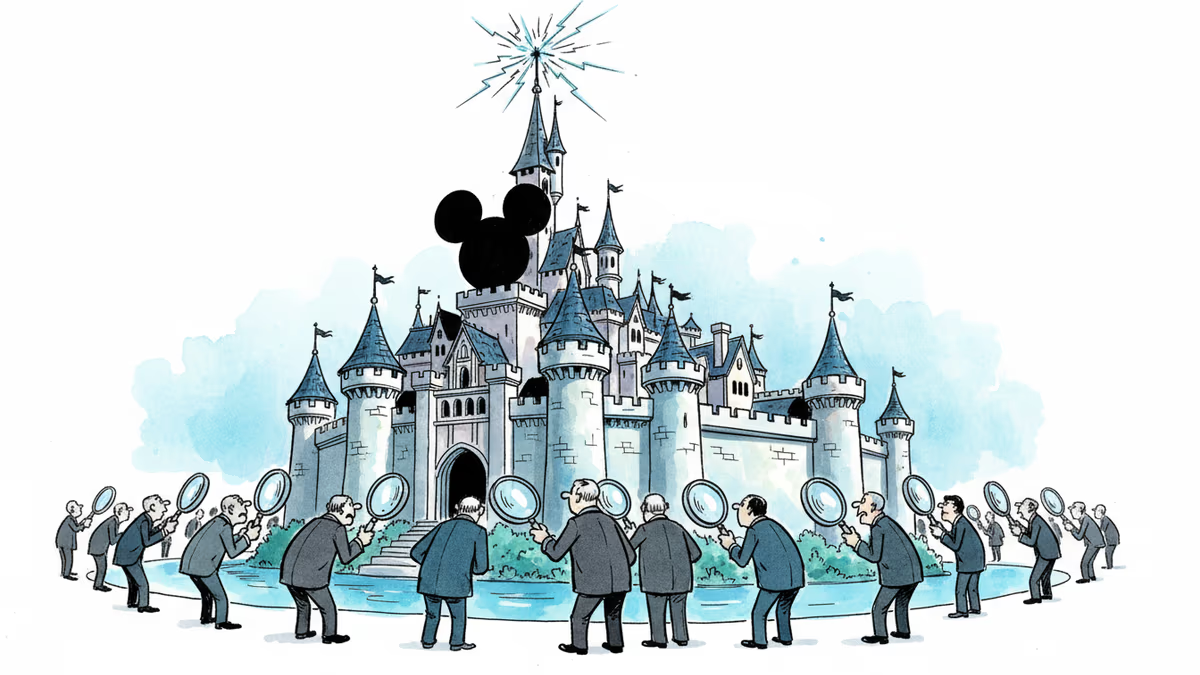
Josh D'Amaro took over Disney with a bold Disney Plus vision. Days later, he's in a First Amendment fight with the Trump administration over The View. What does this mean for media freedom?
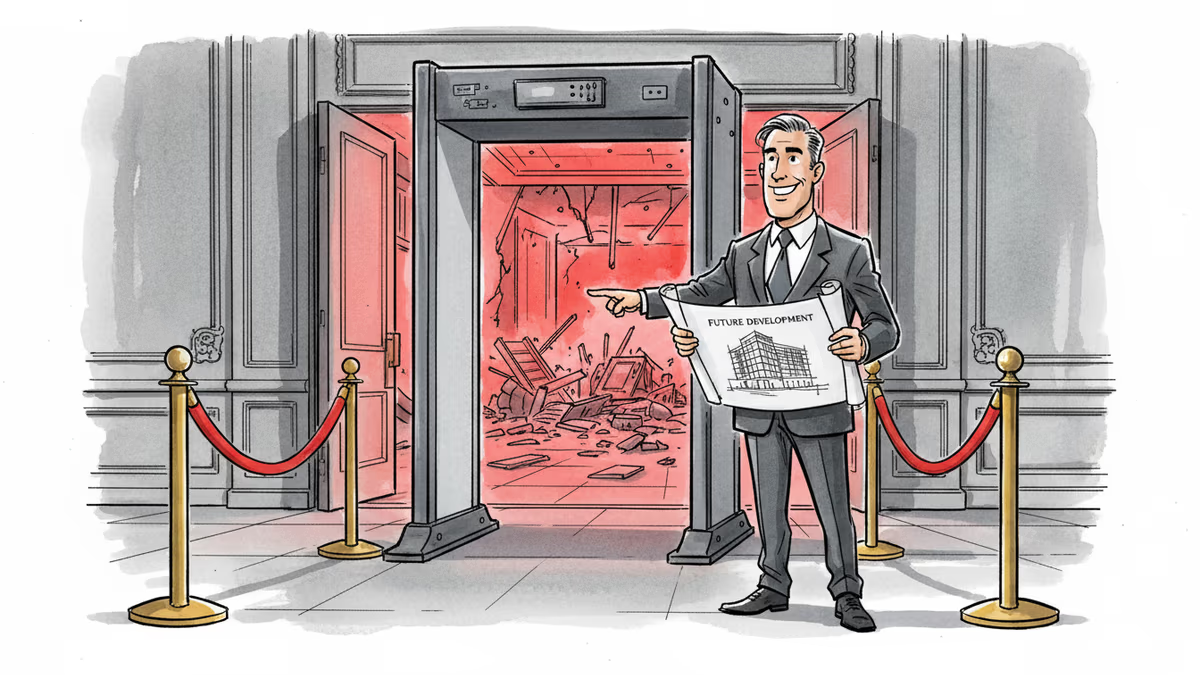
A gunman attacked a Secret Service checkpoint at the White House Correspondents' Dinner. Trump's first public reaction wasn't about security. It was about his $400M ballroom project.
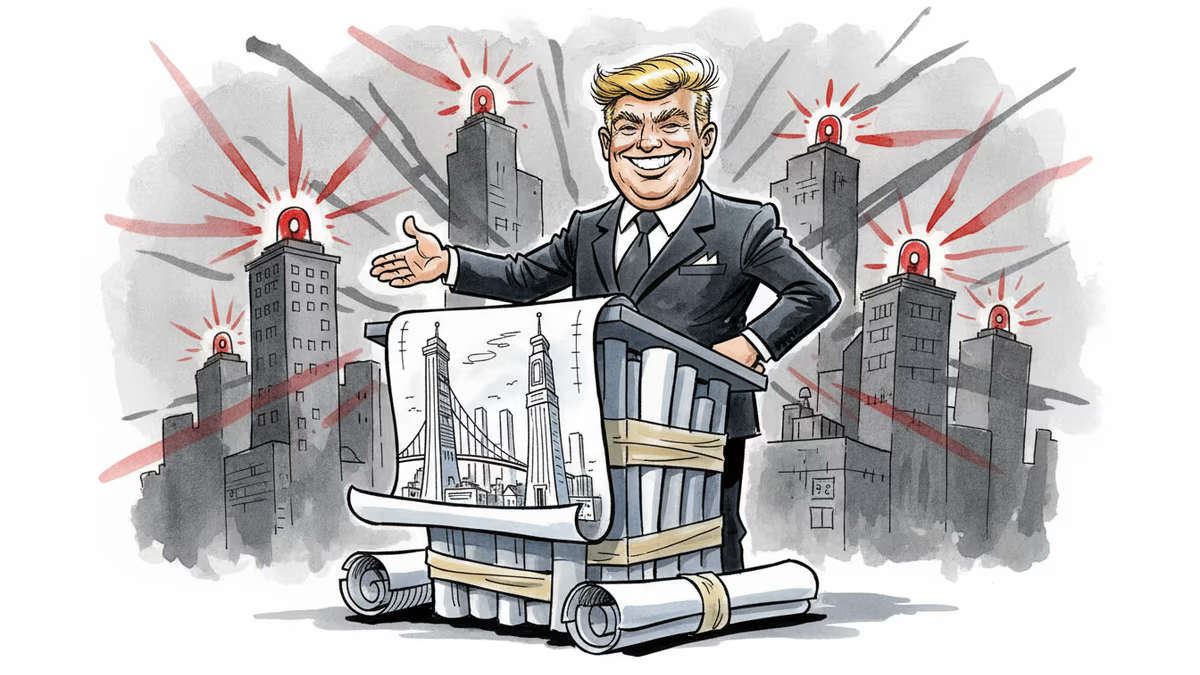
Hours after an armed suspect attempted to breach the White House Correspondents Dinner, Trump used the security scare to publicly defend his White House ballroom project. What does that tell us?
An FCC enforcement chief privately offered to help Chairman Brendan Carr's pressure campaign against ABC—while holding direct authority over the very stations being targeted. What this reveals about regulatory independence.
Josh D'Amaro took over Disney with a bold Disney Plus vision. Days later, he's in a First Amendment fight with the Trump administration over The View. What does this mean for media freedom?
A gunman attacked a Secret Service checkpoint at the White House Correspondents' Dinner. Trump's first public reaction wasn't about security. It was about his $400M ballroom project.
Hours after an armed suspect attempted to breach the White House Correspondents Dinner, Trump used the security scare to publicly defend his White House ballroom project. What does that tell us?
An FCC enforcement chief privately offered to help Chairman Brendan Carr's pressure campaign against ABC—while holding direct authority over the very stations being targeted. What this reveals about regulatory independence.
Thoughts
Share your thoughts on this article
Sign in to join the conversation