
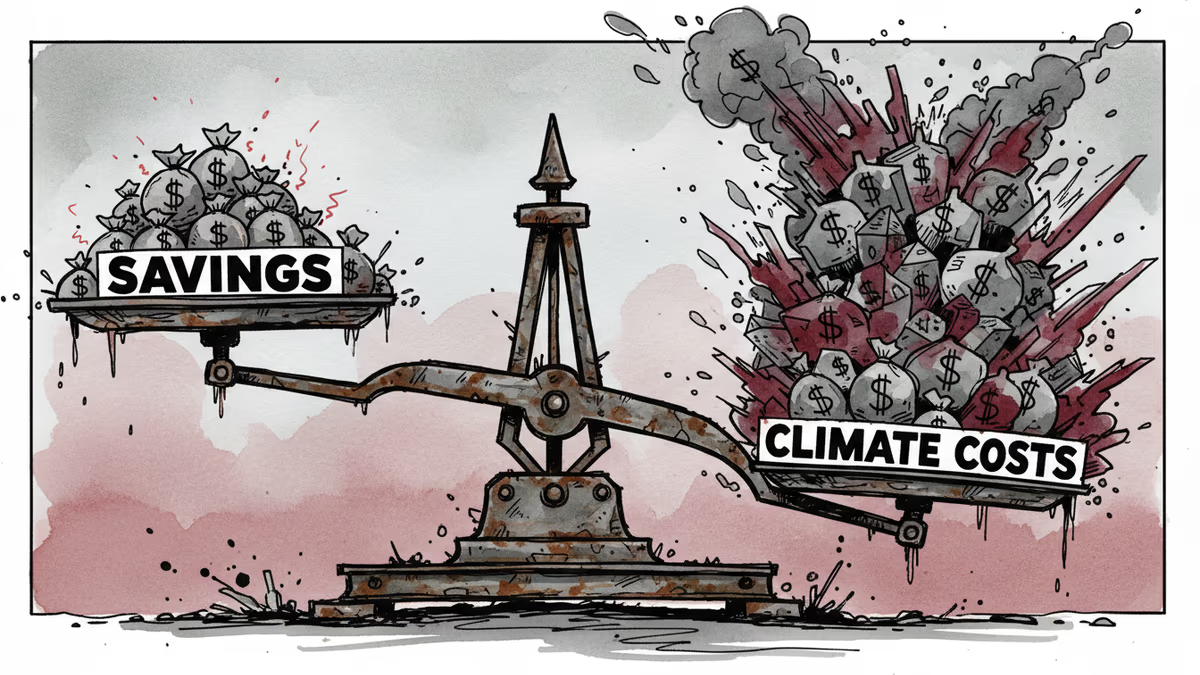
$1 Trillion Savings vs $38 Trillion Loss: Trump's Climate Gamble
Trump's EPA moves to repeal greenhouse gas regulations that have governed US climate policy for 17 years. Automakers split, China gains ground, markets fragment.
The $37 Trillion Question
The Trump administration's EPA is preparing to repeal the 2009 "endangerment finding" as early as this week, according to the Wall Street Journal. This finding—which concluded that greenhouse gases threaten human health and welfare—has been the legal backbone of federal climate regulation for 17 years.
The numbers tell a stark story. Trump's team claims the policy reversal will save over $1 trillion. Climate scientists counter that global warming could cost $38 trillion annually by 2050. That's a 37x difference in calculations. Someone's math is very wrong.
Automakers' Surprising Split
Here's where it gets interesting: even legacy automakers who pushed Trump to weaken fuel efficiency rules didn't ask for the endangerment finding to be scrapped. Tesla went further, urging the EPA to maintain the finding based on "robust factual and scientific record."

This reflects a complex reality. American automakers are addicted to profitable trucks and SUVs, but they're also bleeding money from regulatory whiplash and Chinese EV competition. The industry has already lost tens of billions from policy zigzags between administrations.
Meanwhile, companies like BYD and CATL are building to global standards, not American exceptions. While Detroit debates regulations, Shenzhen builds the future.
The Fragmentation Problem
The real cost isn't just regulatory—it's market fragmentation. If the U.S. diverges from other advanced economies, global companies face a nightmare scenario: different products for different markets.
Automakers are already staring at this reality. Loose U.S. standards, strict European emissions rules, Chinese EV mandates. One platform can't serve all masters. Costs multiply, innovation fragments, competitive advantage erodes.
For American companies, this creates a dangerous trap. Short-term regulatory relief might feel good, but it could leave them unprepared for global competition. Chinese automakers, unencumbered by domestic market confusion, can focus on winning everywhere else.
Authors
Related Articles
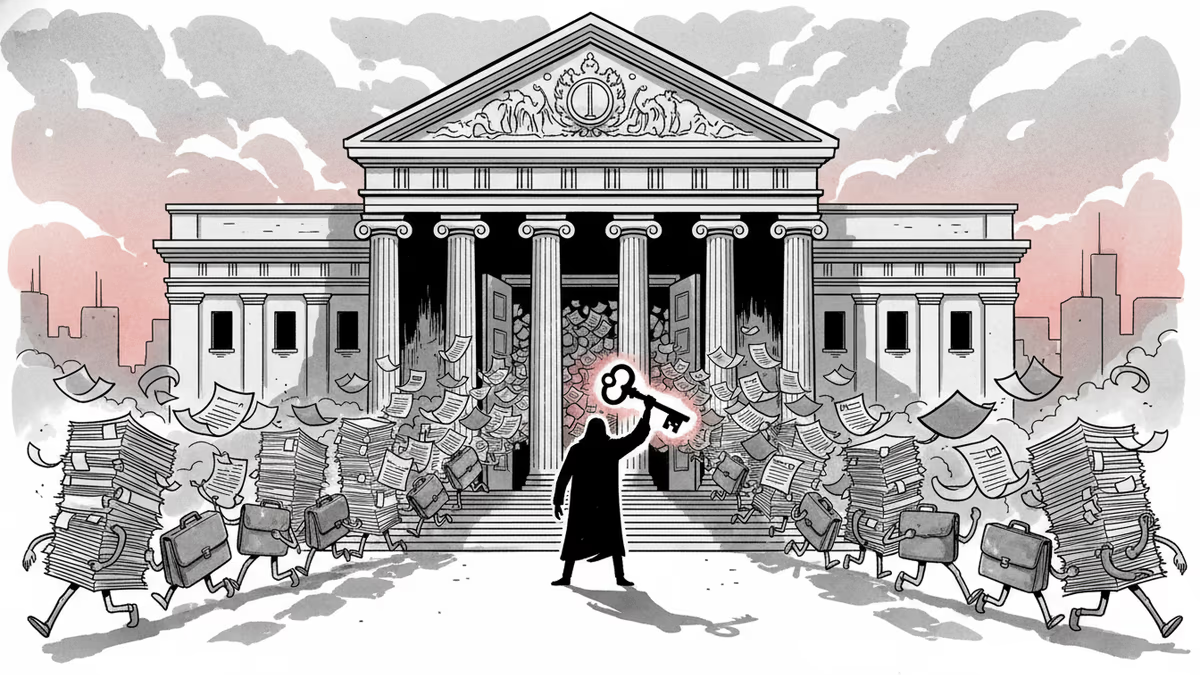
The Trump administration has gutted the DOJ's Voting Section, pushing out two dozen experienced lawyers and replacing them with loyalists. With 2026 midterms approaching, what does this mean for American democracy?
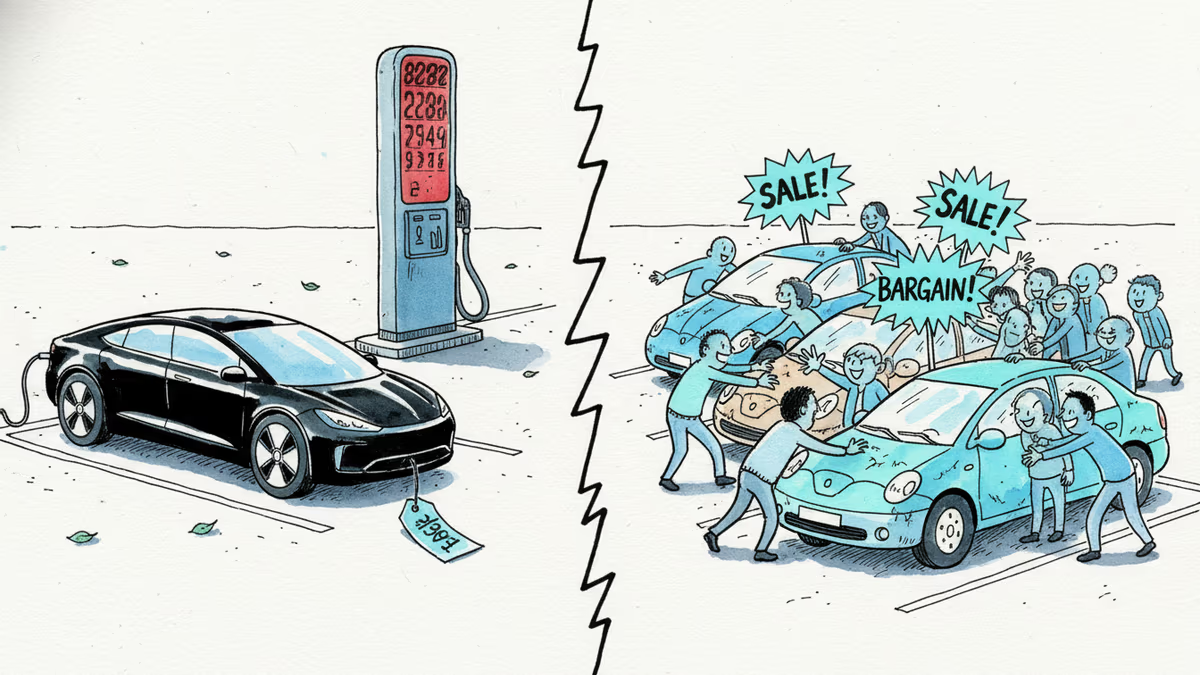
New EV sales dropped 28% in Q1 2026 after the $7,500 tax credit was axed. Used EV sales jumped 12%. The same market, the same quarter, two completely opposite stories.
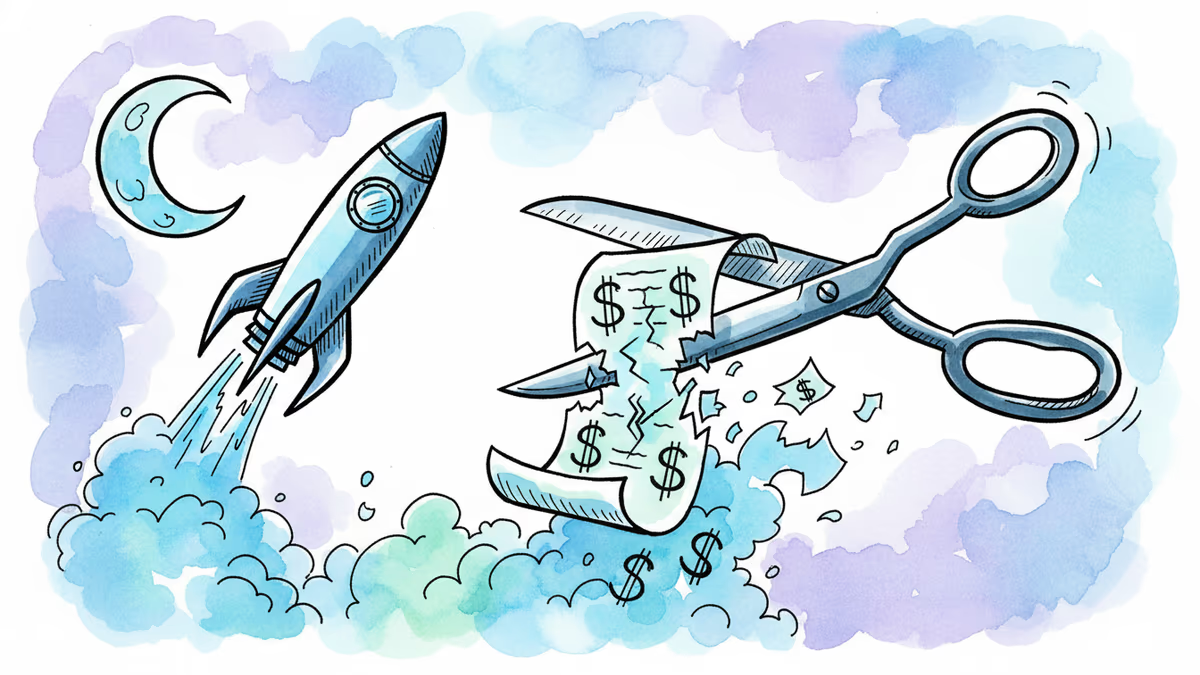
Two days after launching the first crewed lunar mission in over 50 years, the Trump administration proposed cutting NASA's budget by 23%. What does this mean for the future of space exploration?
A humanoid robot walked the White House red carpet with Melania Trump. It's a preview of an ed-tech vision that could reshape — or fracture — how children learn.
The Trump administration has gutted the DOJ's Voting Section, pushing out two dozen experienced lawyers and replacing them with loyalists. With 2026 midterms approaching, what does this mean for American democracy?
New EV sales dropped 28% in Q1 2026 after the $7,500 tax credit was axed. Used EV sales jumped 12%. The same market, the same quarter, two completely opposite stories.
Two days after launching the first crewed lunar mission in over 50 years, the Trump administration proposed cutting NASA's budget by 23%. What does this mean for the future of space exploration?
A humanoid robot walked the White House red carpet with Melania Trump. It's a preview of an ed-tech vision that could reshape — or fracture — how children learn.
Thoughts
Share your thoughts on this article
Sign in to join the conversation