
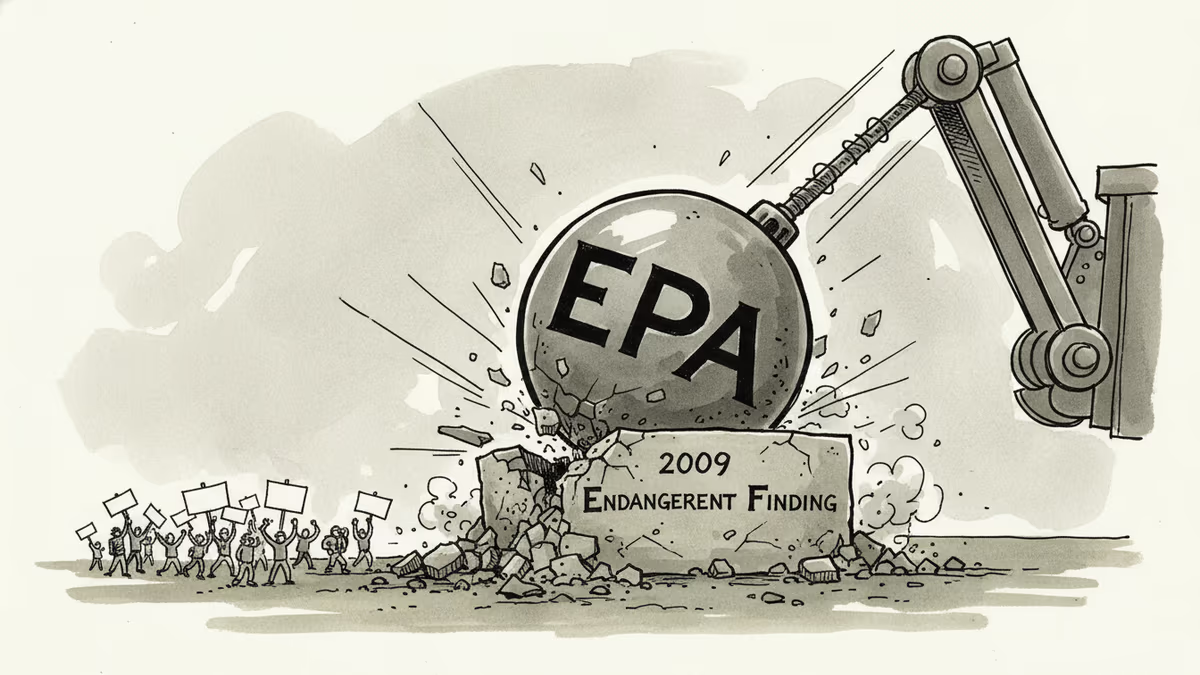
EPA Scraps 17-Year Climate Foundation, Sparking Legal Battle
Environmental groups sue EPA after Trump administration repeals endangerment finding that anchored US climate regulations for 17 years, eliminating car emission standards in the process.
Seventeen Years of Climate Law Erased in One Decision
The Environmental Protection Agency has repealed the "endangerment finding" that served as the legal backbone for US climate regulations since 2009. The decision also eliminated greenhouse gas emission requirements for new cars and trucks, prompting more than a dozen environmental and health organizations to file suit Wednesday in federal court.
The coalition includes heavy hitters: the American Public Health Association, American Lung Association, Environmental Defense Fund, Natural Resources Defense Council, and Sierra Club. Their argument? The EPA has "abandoned its mission to protect public health" and is illegally benefiting the fossil fuel industry.
This isn't just bureaucratic housekeeping. The endangerment finding, established after a 2007 Supreme Court ruling, officially declared that greenhouse gases like carbon dioxide and methane pose dangers to public health and welfare. It's been the foundation for everything from vehicle emission standards to power plant regulations.
Environmental Groups: "Anti-Science" Administration
The lawsuit pulls no punches. Environmental groups accuse the Trump administration of being "anti-science" and moving to benefit fossil fuel interests despite overwhelming evidence of climate change's deadly consequences.
Center for Biological Diversity attorney highlighted the timing: "We're seeing unprecedented floods, droughts, wildfires, and hurricanes, yet the administration chooses now to abandon climate protections." The Union of Concerned Scientists called it a "politically motivated denial of climate science."
American Lung Association representatives emphasized health impacts: "Eliminating vehicle emission standards will worsen air quality nationwide. Asthma patients, children, and elderly populations will suffer the most." The group cited studies showing 200,000+ premature deaths annually linked to air pollution.

Industry Perspective: Economic Relief vs. Environmental Cost
While the EPA hasn't issued detailed justification, the Trump administration has consistently argued that excessive environmental regulations stifle economic growth. Auto industry representatives have long pushed for relaxed emission standards, citing compliance costs.
An Energy Department official defended the approach: "American energy independence requires boosting domestic fossil fuel production. Removing unnecessary regulations creates jobs and reduces energy costs for consumers." Some Republican lawmakers echo this sentiment, arguing that climate action must balance environmental goals with economic realities.
However, several major automakers have expressed concern. General Motors and Ford had already invested billions in electric vehicle technology to meet existing standards. Industry analysts suggest the regulatory uncertainty could actually harm long-term planning.
Legal Battleground: Science vs. Politics
The lawsuit's success hinges on whether EPA can legally overturn the endangerment finding without substantial new scientific evidence. Legal experts say the bar is high.
Georgetown University environmental law professor notes: "The Supreme Court's 2007 decision and subsequent scientific consensus create a strong foundation. EPA would need compelling evidence that greenhouse gases aren't dangerous—evidence that simply doesn't exist."
The case will likely focus on whether the agency's decision was "arbitrary and capricious"—legal speak for decisions made without proper justification. Courts typically defer to agency expertise, but dramatic policy reversals face heightened scrutiny.
Meanwhile, 20+ state governments are preparing separate lawsuits. California and New York plan to maintain independent emission standards regardless of federal action.
The answer may determine not just America's climate future, but the role of science in democratic governance itself.
Authors
Related Articles
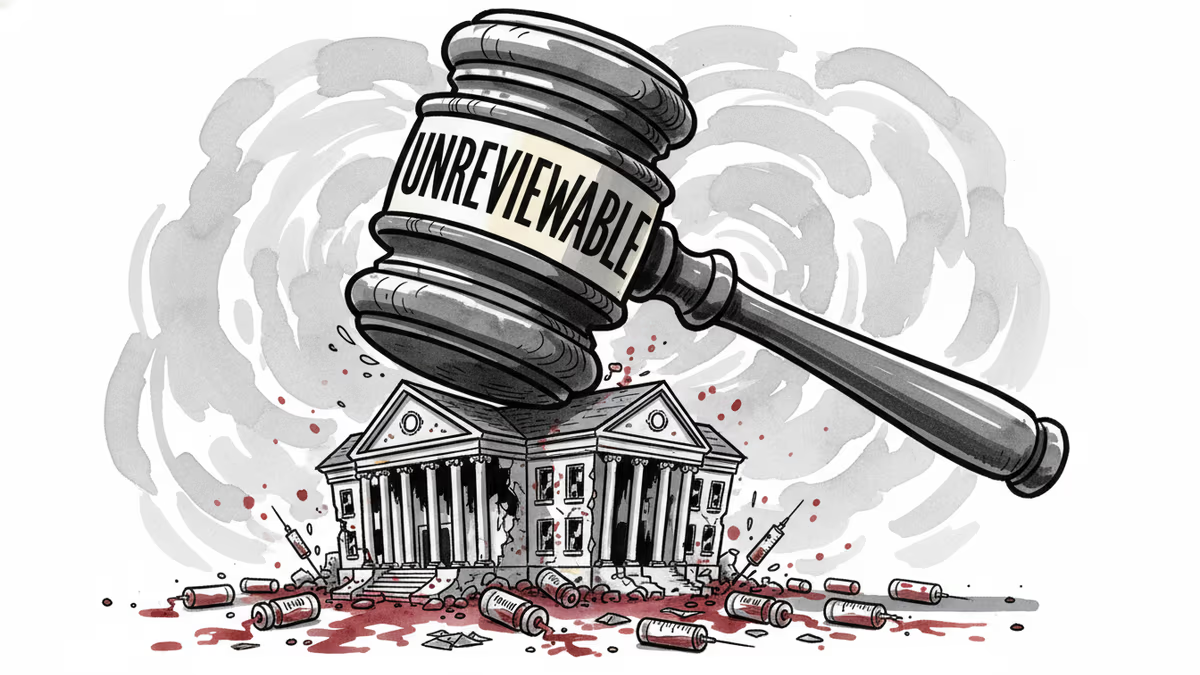
Trump admin lawyer claims RFK Jr.'s vaccine authority is beyond judicial review, even if he tells Americans to ditch vaccines entirely. Medical groups fight back.
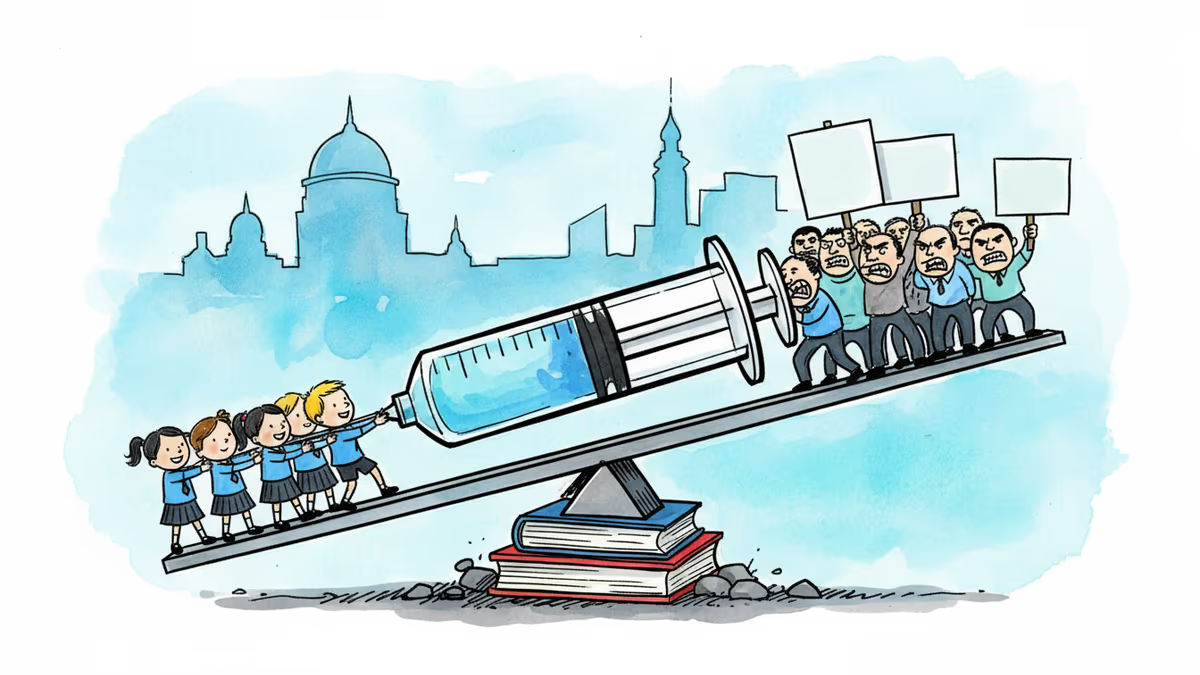
RFK Jr.'s nomination as HHS Secretary sparks unprecedented legal challenge from 15 states over childhood vaccination policies. What this means for public health and global disease prevention.
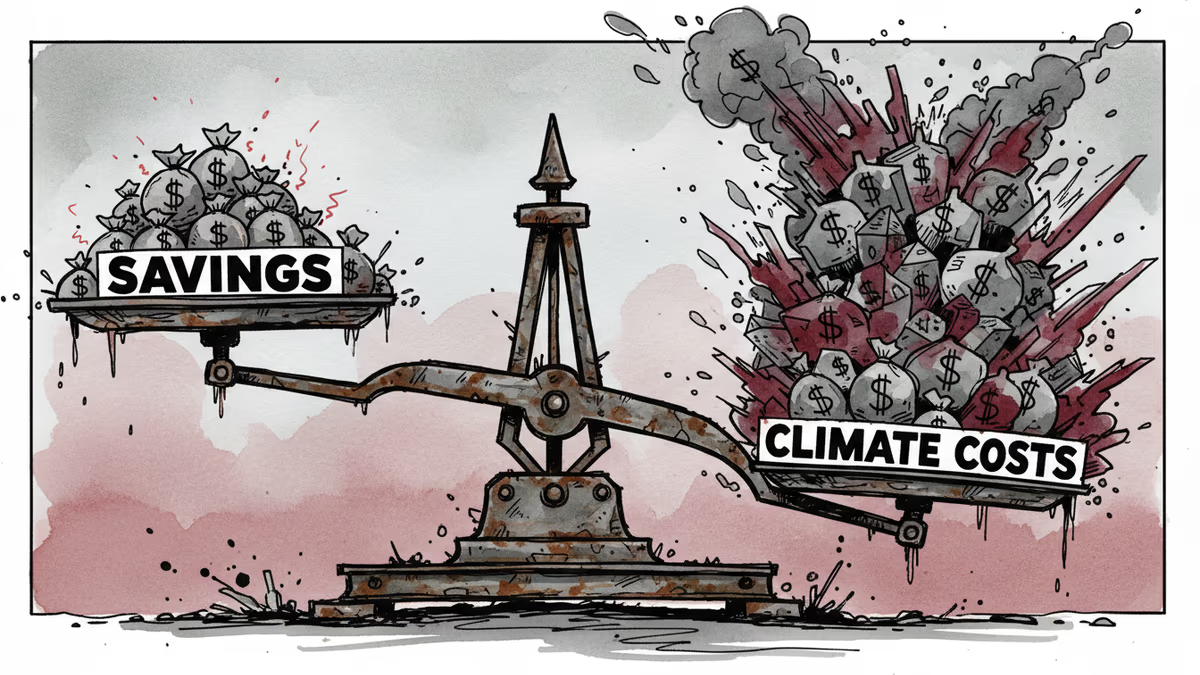
Trump's EPA moves to repeal greenhouse gas regulations that have governed US climate policy for 17 years. Automakers split, China gains ground, markets fragment.

Department of Homeland Security uses administrative subpoenas to target anonymous accounts critical of Trump administration, raising concerns about digital privacy and government overreach.
Trump admin lawyer claims RFK Jr.'s vaccine authority is beyond judicial review, even if he tells Americans to ditch vaccines entirely. Medical groups fight back.
RFK Jr.'s nomination as HHS Secretary sparks unprecedented legal challenge from 15 states over childhood vaccination policies. What this means for public health and global disease prevention.
Trump's EPA moves to repeal greenhouse gas regulations that have governed US climate policy for 17 years. Automakers split, China gains ground, markets fragment.
Department of Homeland Security uses administrative subpoenas to target anonymous accounts critical of Trump administration, raising concerns about digital privacy and government overreach.
Thoughts
Share your thoughts on this article
Sign in to join the conversation