
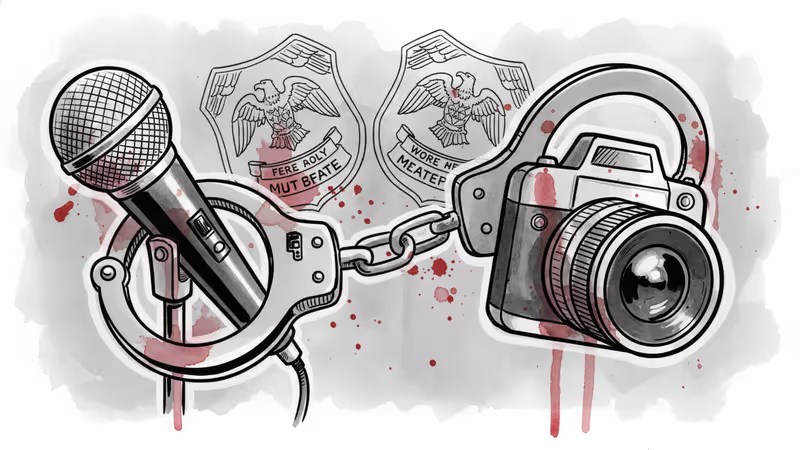
Journalist Arrests Signal New Battle Lines for Press Freedom
Don Lemon and Georgia Fort were arrested by federal agents while covering anti-ICE protests, raising concerns about press freedom under the Trump administration. Where do we draw the line between journalism and law enforcement?
Former CNN anchor Don Lemon was arrested Thursday night by federal agents in Los Angeles, accused of violating federal law while covering an anti-ICE protest in Minnesota. He wasn't alone—independent journalist Georgia Fort was also taken into custody the same night, livestreaming as FBI agents demanded entry to her home.
The arrests, coming just 10 days into the Trump administration, have sent shockwaves through media circles and reignited debates about press freedom in America.
What Actually Happened
Lemon, who left CNN to become an independent journalist, was covering protests against Immigration and Customs Enforcement operations in Minnesota when federal authorities moved in. While specific charges haven't been disclosed, officials allege he crossed the line from reporting to participating in illegal activities.
Georgia Fort documented her own arrest in real-time on social media, showing FBI agents at her door with a warrant. Attorney General Pam Bondi confirmed both arrests the following day, claiming the journalists were part of what she called "organized activities" that went beyond legitimate newsgathering.
The timing is significant. These arrests represent the first major test of press freedom under the new administration, and they target journalists who have been critical of government immigration policies.
A Chilling Effect on Coverage
The journalism community has reacted with alarm. The Society of Professional Journalists called the arrests "a direct attack on the First Amendment," arguing that covering protests—even contentious ones—is protected speech.

But federal authorities see it differently. A Justice Department official said "being a journalist doesn't place anyone above the law," emphasizing that the arrests followed proper legal procedures.
The problem lies in defining where legitimate journalism ends and unlawful participation begins. At protest scenes, reporters often cross police lines, interact with demonstrators, and sometimes find themselves in legally gray areas while pursuing stories. The question is: when does reporting become participating?
The New Media Landscape Complicates Things
This case highlights tensions in our evolving media ecosystem. Both Lemon and Fort operate as independent journalists, freed from traditional newsroom constraints but also without institutional legal protection. They broadcast directly to audiences through social media, bypassing editorial filters that might counsel caution.
For law enforcement, these "new journalists" present unique challenges. Traditional news organizations have legal departments and established protocols for covering sensitive events. Independent journalists often take greater risks, diving deeper into stories without institutional oversight.
During the 2020 George Floyd protests, more than 140 journalists were arrested, but most were quickly released. This time feels different—federal charges suggest the government intends to pursue these cases to completion.
The Broader Stakes
The arrests come as press freedom advocates warn of increasing government hostility toward media. The Committee to Protect Journalists noted a 15% increase in threats against American reporters over the past year, with much of the hostility directed at journalists covering immigration and civil rights issues.
What makes this case particularly concerning is its potential precedent. If the government can successfully prosecute journalists for "participating" in events they're covering, it could fundamentally alter how protests and other contentious events are reported.
The definition of journalism itself is at stake. In an era where anyone with a smartphone can broadcast news, who qualifies for press protections? Should independent journalists receive the same legal shields as those working for established news organizations?
Authors
Related Articles
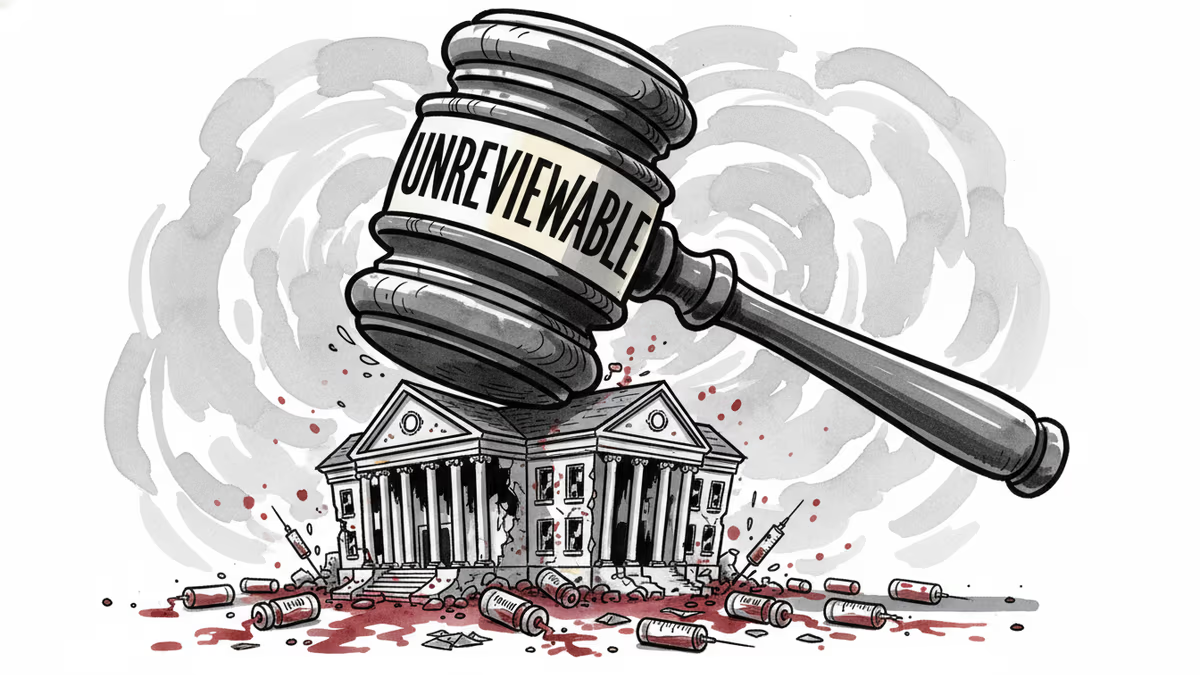
Trump admin lawyer claims RFK Jr.'s vaccine authority is beyond judicial review, even if he tells Americans to ditch vaccines entirely. Medical groups fight back.
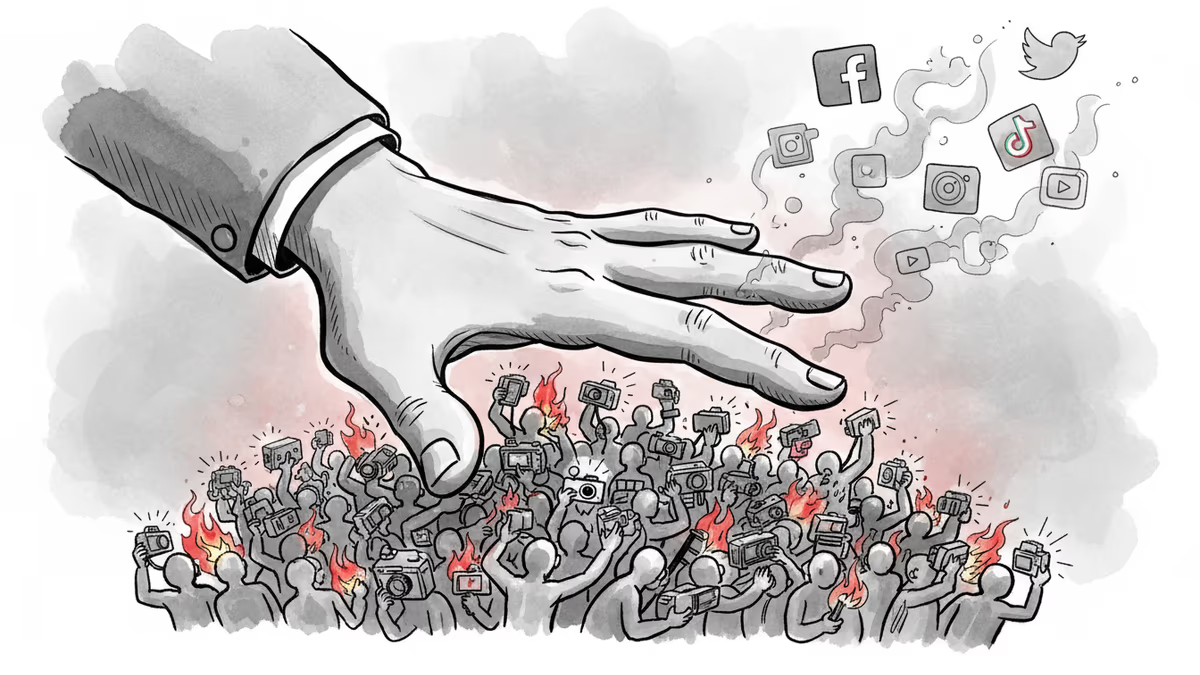
Gaza and Iran's media blackouts reveal how truth dies in the digital age. An analysis of modern information warfare tactics and their global implications.
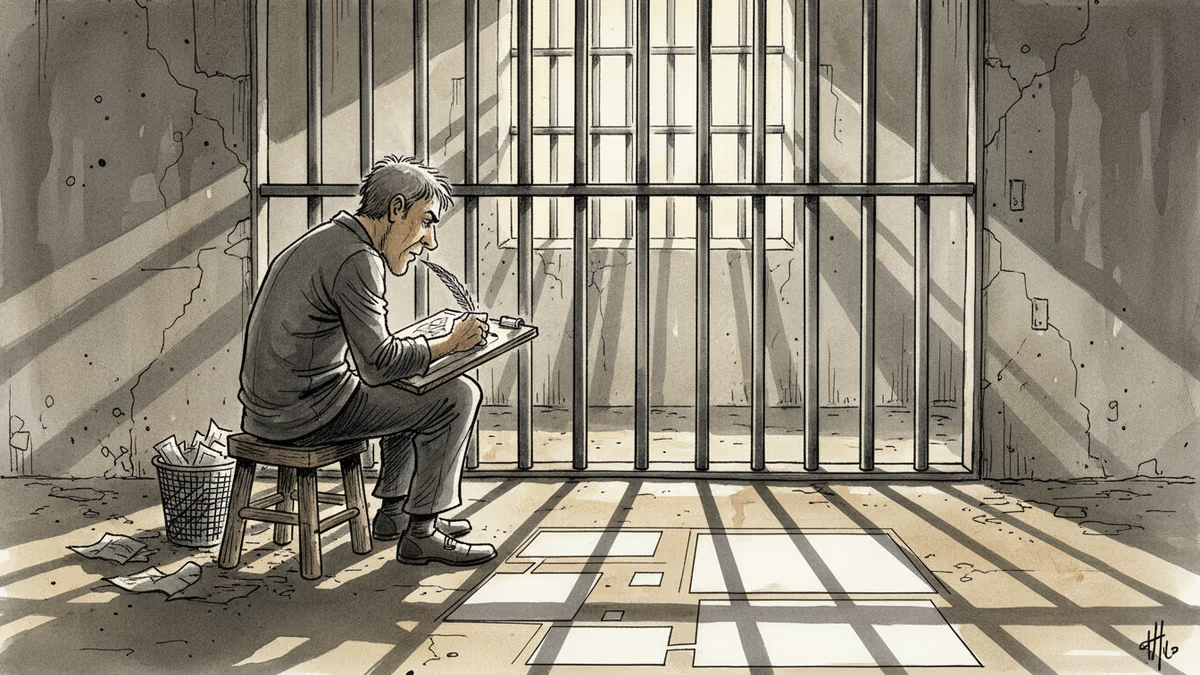
Journalist Danny Fenster turned his Myanmar prison experience into a graphic story. Some truths can only be told through art.
RFK Jr.'s nomination as HHS Secretary sparks unprecedented legal challenge from 15 states over childhood vaccination policies. What this means for public health and global disease prevention.
Trump admin lawyer claims RFK Jr.'s vaccine authority is beyond judicial review, even if he tells Americans to ditch vaccines entirely. Medical groups fight back.
Gaza and Iran's media blackouts reveal how truth dies in the digital age. An analysis of modern information warfare tactics and their global implications.
Journalist Danny Fenster turned his Myanmar prison experience into a graphic story. Some truths can only be told through art.
RFK Jr.'s nomination as HHS Secretary sparks unprecedented legal challenge from 15 states over childhood vaccination policies. What this means for public health and global disease prevention.
Thoughts
Share your thoughts on this article
Sign in to join the conversation