

The Great AI Talent Exodus: Half Gone in Six Months
xAI loses half its founding team, OpenAI disbands key divisions. The AI talent drain isn't just about better offers—it's reshaping the entire industry landscape.
Half a Founding Team, Gone in Eight Months
Half of xAI's founding team has walked out the door. Some left voluntarily, others through what the company diplomatically calls "restructuring." Elon Musk's ambitious AI venture is hemorrhaging core talent just eight months after launch.
OpenAI isn't faring much better. The mission alignment team? Disbanded. A policy executive who dared oppose the "adult mode" feature? Fired. This isn't isolated corporate drama—it's part of a broader talent hemorrhage reshaping the AI landscape.
When Money Can't Buy Loyalty
Why are AI's brightest minds jumping ship? Surface-level explanations point to compensation packages and vision misalignment. But dig deeper, and you'll find structural shifts that money alone can't fix.
First, there's the speed versus safety paradox. Management wants rapid product launches; researchers advocate for careful development. OpenAI's mission alignment team dissolution exemplifies this growing tension between commercial pressure and ethical AI development.
Second, the entrepreneurial gold rush is accelerating. AI talent increasingly views starting their own company as more attractive than climbing corporate ladders. Why be employee #1,247 when you can be founder #1?

The Investor Perspective: Opportunity or Warning?
Venture capitalists are watching this talent migration with keen interest. Former xAI employees launching startups are securing tens of millions in funding rounds. The "proven AI talent" brand carries serious weight in today's investment climate.
But there's a flip side. Companies experiencing significant talent drain face valuation questions. No matter how sophisticated your technology or deep your pockets, sustainable innovation requires stable core teams.
The Regulatory Wild Card
Here's what most coverage misses: regulatory uncertainty is accelerating departures. AI researchers increasingly want control over how their work gets deployed. When companies pivot toward commercial applications that researchers find ethically questionable, talent walks.
The "adult mode" controversy at OpenAI isn't just about content policy—it's about fundamental questions of AI deployment that many researchers want to answer for themselves, not have imposed by corporate strategy.
Beyond the Headlines: Structural Transformation
This exodus signals something bigger than typical Silicon Valley job-hopping. We're witnessing the democratization of AI development. The barriers to starting an AI company have never been lower, while the barriers to retaining top talent at large organizations have never been higher.
The most talented AI researchers increasingly have three options: stay at big tech and compromise on vision, join a startup with equity upside, or start their own company with full autonomy. Guess which option is winning?
Authors
Related Articles
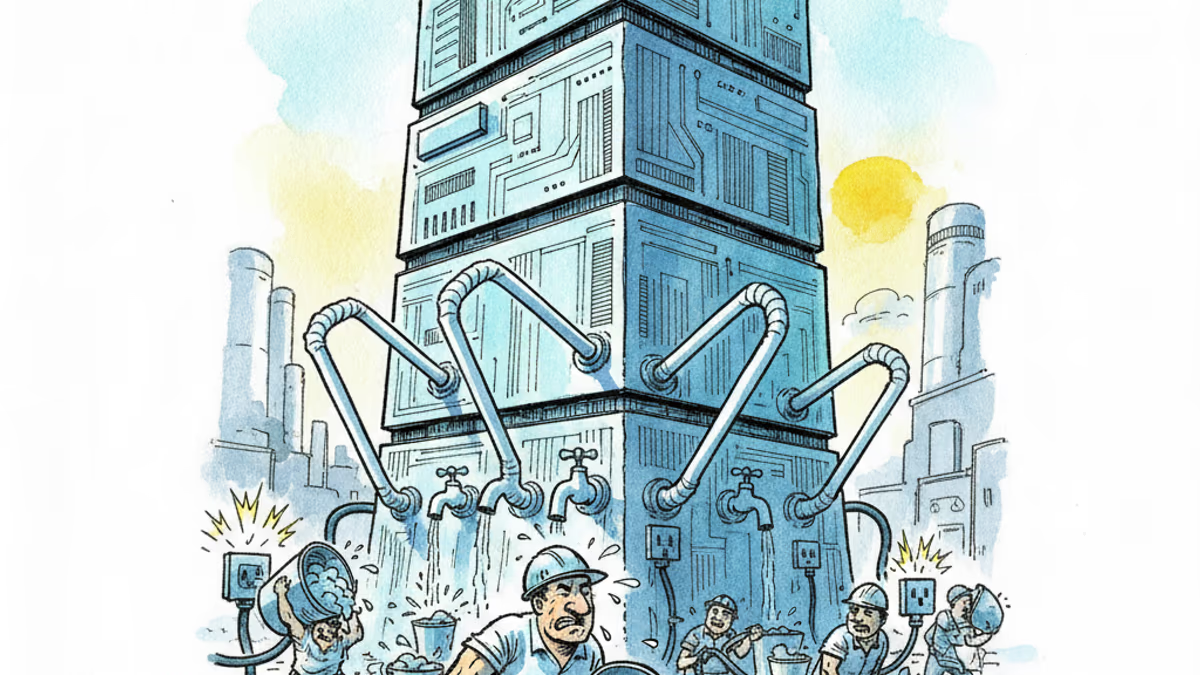
Samsung and SK unveiled a chip and AI investment package worth thousands of trillions of won on June 29. The headline number swings wildly by outlet, but the real contest isn't capital — it's water and power.
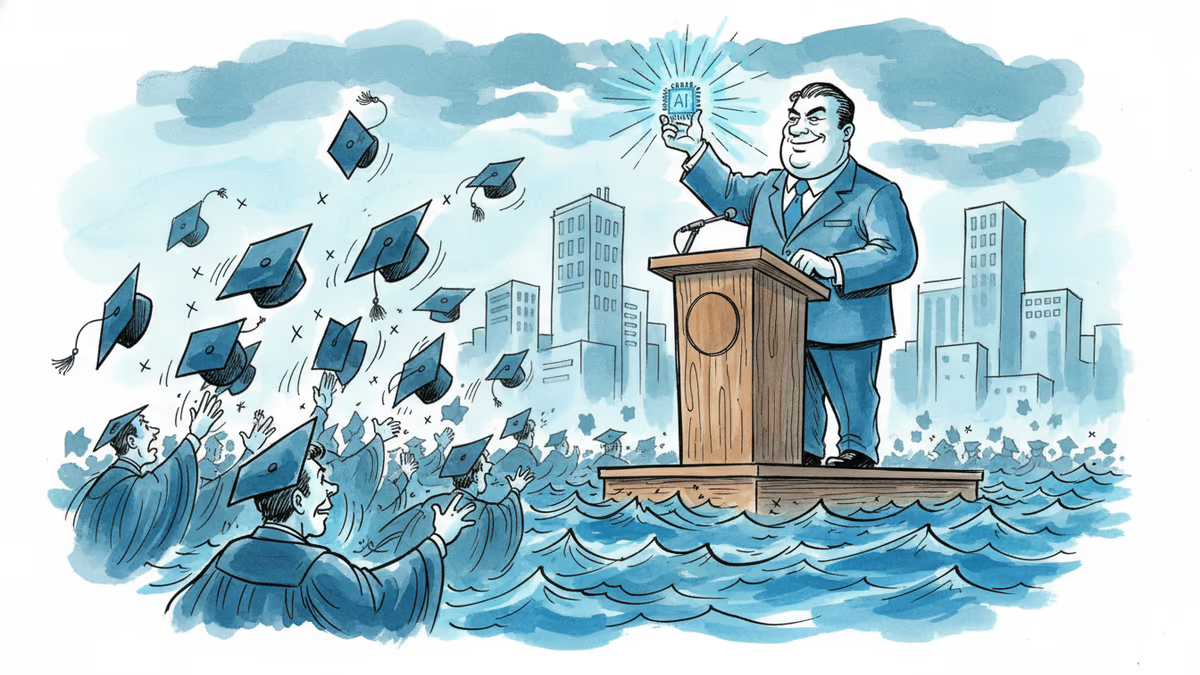
Viral videos show 2026 graduates jeering executives who praise AI at commencement ceremonies. It's not just rudeness — it's a signal about who pays for technological optimism.
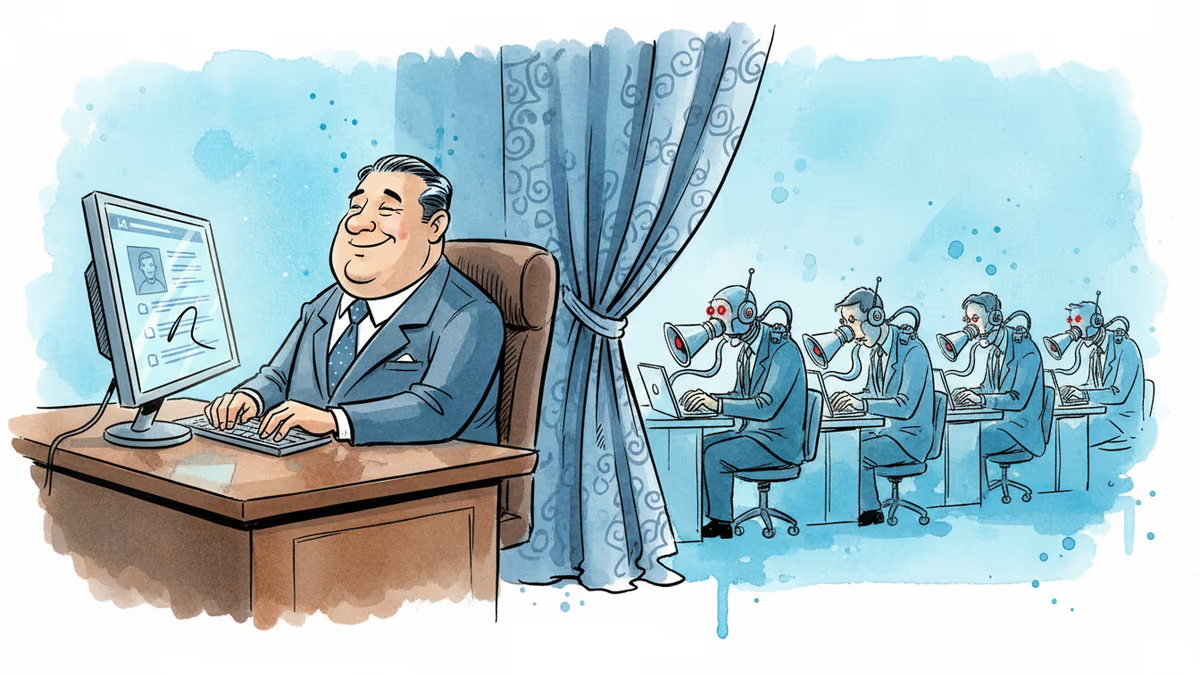
Filipino virtual assistants using AI to ghost-manage LinkedIn profiles for executives is now a structured industry. 30 comments a day, fake engagement rings, and a platform struggling to tell real from fabricated.
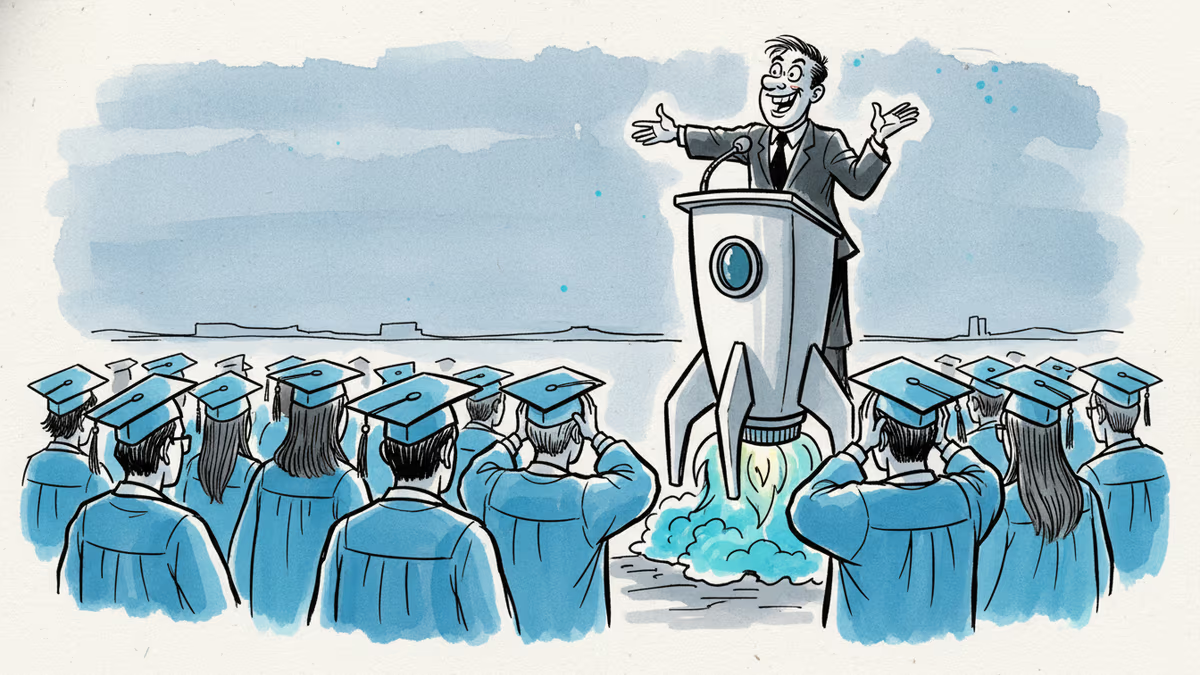
Two commencement speakers learned the hard way that AI enthusiasm doesn't land well with today's graduates. The backlash reveals a widening gap between tech optimism and Gen Z's economic reality.
Samsung and SK unveiled a chip and AI investment package worth thousands of trillions of won on June 29. The headline number swings wildly by outlet, but the real contest isn't capital — it's water and power.
Viral videos show 2026 graduates jeering executives who praise AI at commencement ceremonies. It's not just rudeness — it's a signal about who pays for technological optimism.
Filipino virtual assistants using AI to ghost-manage LinkedIn profiles for executives is now a structured industry. 30 comments a day, fake engagement rings, and a platform struggling to tell real from fabricated.
Two commencement speakers learned the hard way that AI enthusiasm doesn't land well with today's graduates. The backlash reveals a widening gap between tech optimism and Gen Z's economic reality.
Thoughts
Share your thoughts on this article
Sign in to join the conversation