
When AI Tom Cruise Fights Zombies, Hollywood Takes Notice
ByteDance's Seedance 2.0 creates stunning Tom Cruise videos. Is this the moment traditional filmmaking faces its biggest disruption?
The $200 Billion Question Nobody Saw Coming
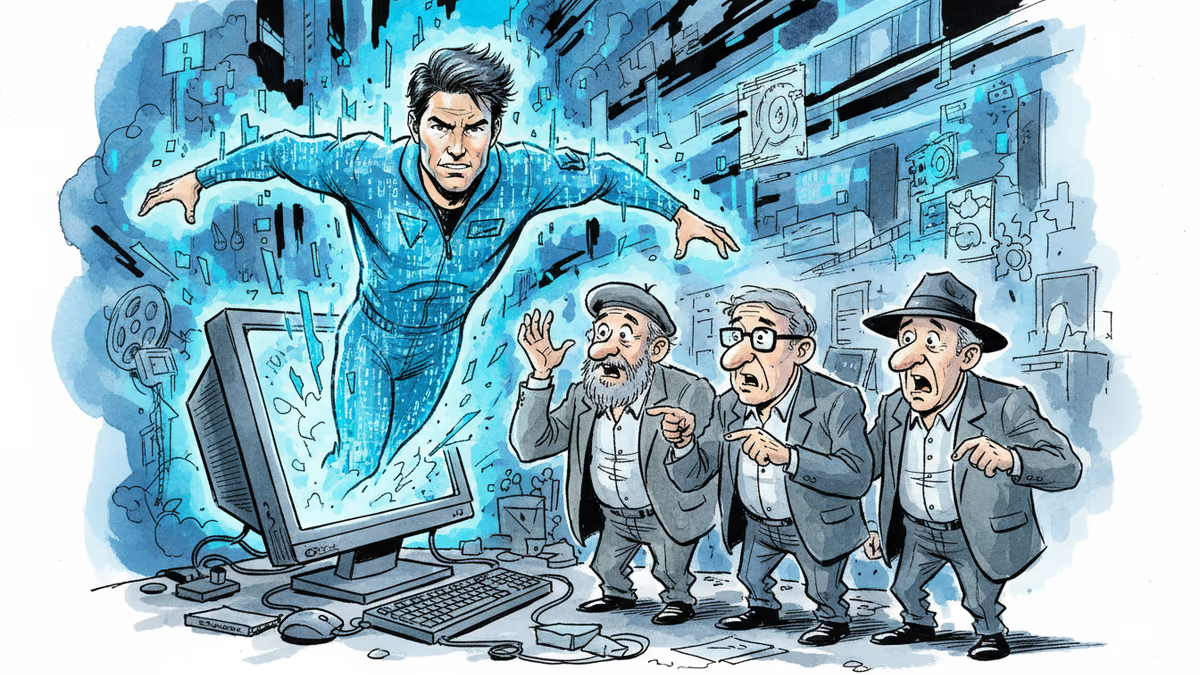
When Irish filmmaker Ruairi Robinson started posting clips of Tom Cruise battling Brad Pitt, fighting humanoid robots, and taking on zombie hordes, viewers couldn't tell the difference from a real blockbuster. Except there was no film set, no actors, no crew.
ByteDance'sSeedance 2.0 created it all. The digital Tom Cruise moved with complex fluidity that felt almost choreographed, complete with kinetic camerawork that would make seasoned cinematographers jealous. This wasn't just another AI video generator—this was something that looked disturbingly close to the real thing.
Hollywood's $50 Million Problem
The numbers tell the story. A typical Hollywood blockbuster costs $200-300 million to produce. Seedance 2.0 generated those Tom Cruise clips for essentially the cost of electricity. The math is brutal for traditional studios.

Disney and Warner Bros are already integrating AI into their pipelines, reporting 30-40% cost reductions in pre-production. But the real disruption isn't in the savings—it's in the speed. What takes months of planning, casting, and shooting can now happen in hours.
Yet Hollywood isn't rolling over. Last year's strikes put AI guardrails at the center of negotiations. Actors and writers secured protections against unauthorized digital likeness use. The question is whether legal frameworks can keep pace with technological leaps.
The Creator Economy's Identity Crisis
For independent creators, Seedance 2.0 represents both liberation and existential threat. A solo filmmaker can now produce content that rivals studio productions. But if anyone can generate Hollywood-quality videos, what happens to the value of creative skills?
YouTube and TikTok creators are already experimenting. Some embrace AI as a democratizing force—finally, they can compete with big budgets. Others worry about a race to the bottom where human creativity becomes commoditized.
The platform response varies. YouTube is developing AI detection tools while simultaneously investing in creator AI assistance. TikTok's parent company creating the most advanced video AI creates obvious conflicts of interest.
Authors
Related Articles

Samsung and SK unveiled a chip and AI investment package worth thousands of trillions of won on June 29. The headline number swings wildly by outlet, but the real contest isn't capital — it's water and power.
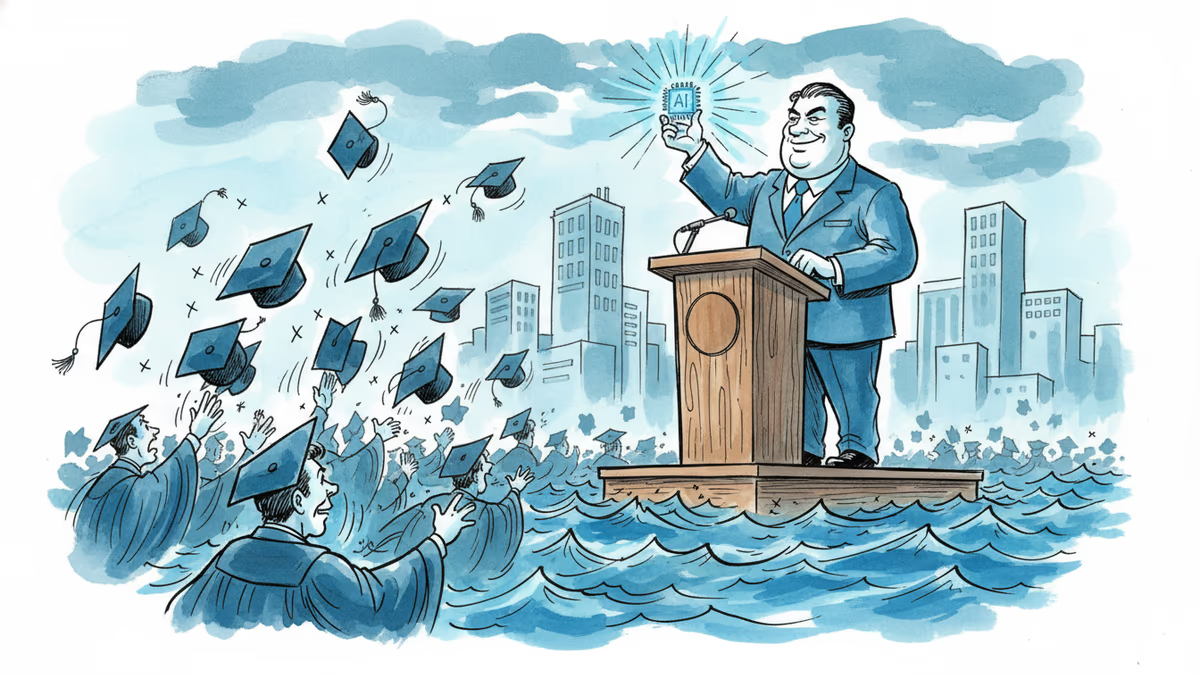
Viral videos show 2026 graduates jeering executives who praise AI at commencement ceremonies. It's not just rudeness — it's a signal about who pays for technological optimism.

Filipino virtual assistants using AI to ghost-manage LinkedIn profiles for executives is now a structured industry. 30 comments a day, fake engagement rings, and a platform struggling to tell real from fabricated.
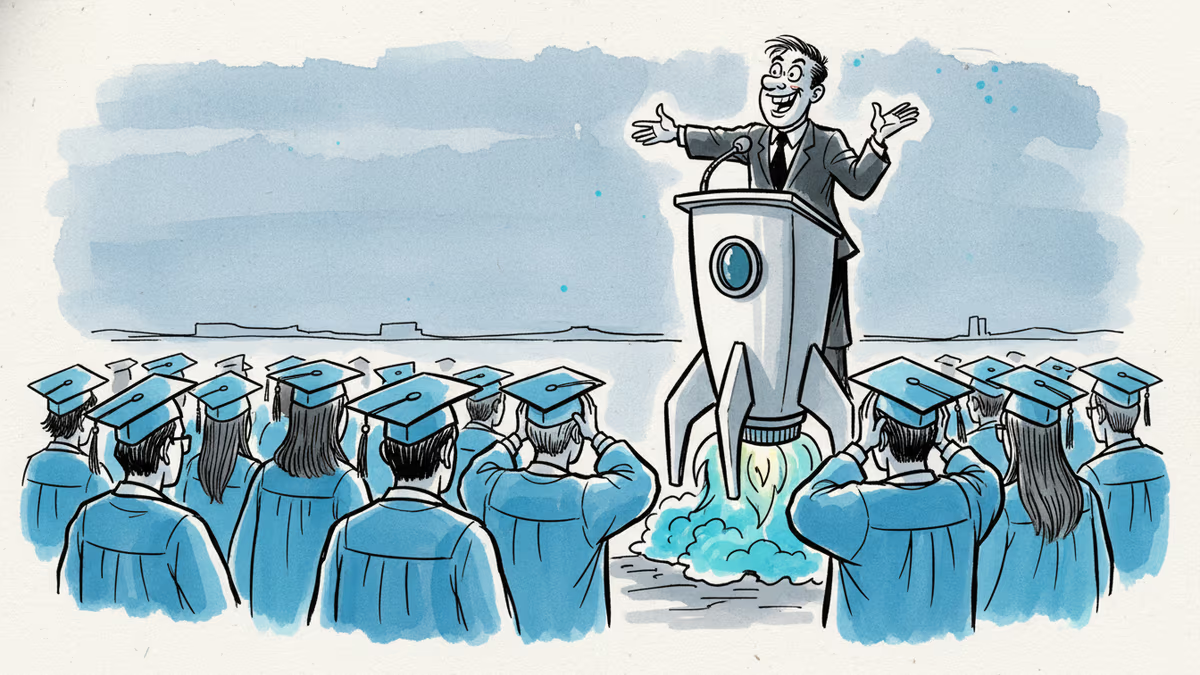
Two commencement speakers learned the hard way that AI enthusiasm doesn't land well with today's graduates. The backlash reveals a widening gap between tech optimism and Gen Z's economic reality.
Samsung and SK unveiled a chip and AI investment package worth thousands of trillions of won on June 29. The headline number swings wildly by outlet, but the real contest isn't capital — it's water and power.
Viral videos show 2026 graduates jeering executives who praise AI at commencement ceremonies. It's not just rudeness — it's a signal about who pays for technological optimism.
Filipino virtual assistants using AI to ghost-manage LinkedIn profiles for executives is now a structured industry. 30 comments a day, fake engagement rings, and a platform struggling to tell real from fabricated.
Two commencement speakers learned the hard way that AI enthusiasm doesn't land well with today's graduates. The backlash reveals a widening gap between tech optimism and Gen Z's economic reality.
Thoughts
Share your thoughts on this article
Sign in to join the conversation