
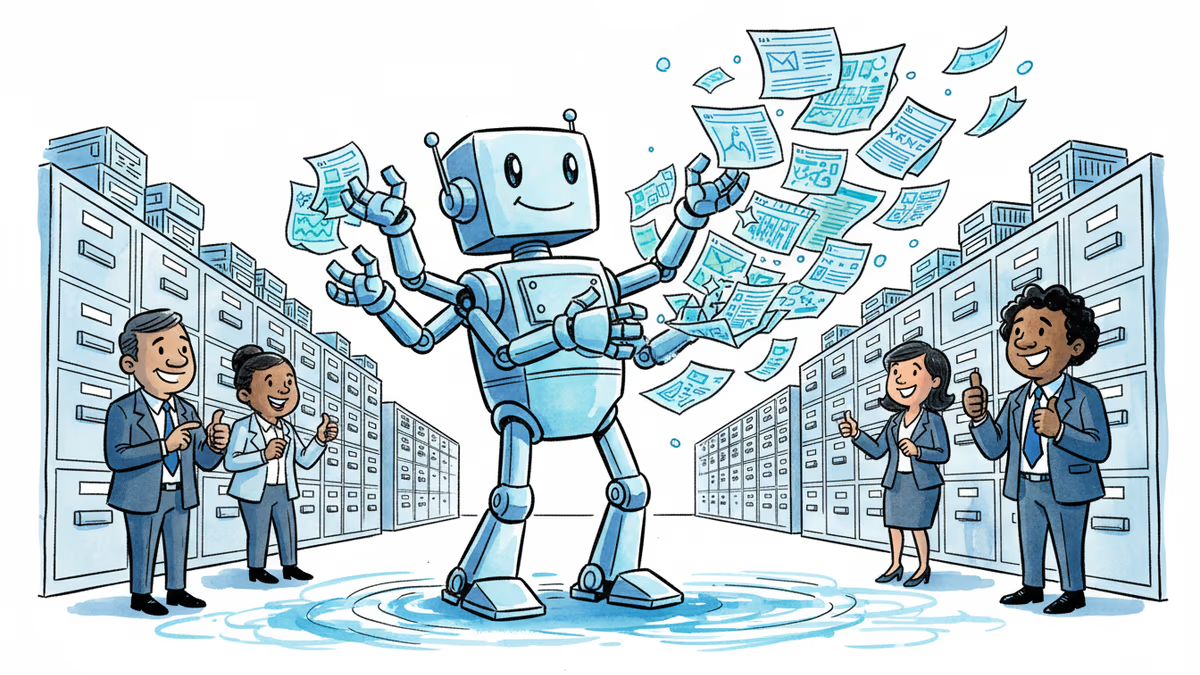
Why Web Search Just Raised $47M in the Age of ChatGPT
Nimble's $47M Series B proves web search isn't dead—it's evolving. Real-time structured web data is becoming the secret weapon for enterprise AI agents.
Web Search Is Dead. Long Live Web Search.
A New York startup called Nimble just raised $47 million for... web search. In 2026. When Google exists. When ChatGPT can browse the web. When every AI agent can scrape data.
Investors aren't losing their minds. They're seeing something we missed.
The problem isn't that AI can't search the web—it's that AI returns results as unstructured text blobs. Great for humans reading summaries. Terrible for enterprises trying to plug that data into their systems. Even worse when you factor in hallucinations and unreliable sources.
From Search Results to Database Tables
Nimble's twist: their AI agents don't just search—they validate and structure results into queryable tables. Think spreadsheet-ready data that plugs directly into Databricks, Snowflake, and other enterprise data warehouses.
"Models can do a lot of things, but most production AI fails aren't because the models aren't good enough—it's because of data failure," CEO Uri Knorovich told TechCrunch. "Enterprises don't need more AI; they need AI with good, reliable web search."

The company already serves 100+ customers, including Fortune 10 companies, major retailers, hedge funds, and banks. Use cases span competitor analysis, pricing research, KYC processes, and financial analysis.
The Trust Problem
Here's what's interesting: Nimble isn't just solving a technical problem—it's solving a trust problem. Their platform remembers constraints about data sources and search parameters. It creates what they call a "governed data layer" that validates results before they reach enterprise systems.
This addresses the elephant in the room with AI agents: reliability. Companies want AI to make decisions, but they're terrified of garbage-in-garbage-out scenarios. By controlling and structuring web data inputs, Nimble gives enterprises the confidence to deploy AI at scale.
The timing isn't coincidental. As AI agents become more sophisticated, the bottleneck isn't model capability—it's data quality and integration. Nimble positions itself as the missing piece between raw web data and enterprise-ready AI systems.
The Bigger Data Infrastructure Play
Nimble's partnerships with Databricks (which also invested), Snowflake, AWS, and Microsoft signal something larger. We're seeing the emergence of real-time web data as infrastructure—not just search results, but live, structured data streams that enterprises can treat like any other database.
This could reshape how companies think about competitive intelligence, market research, and business development. Instead of quarterly reports and manual research, imagine having real-time, structured data about your market flowing directly into your analytics systems.
Authors
Related Articles
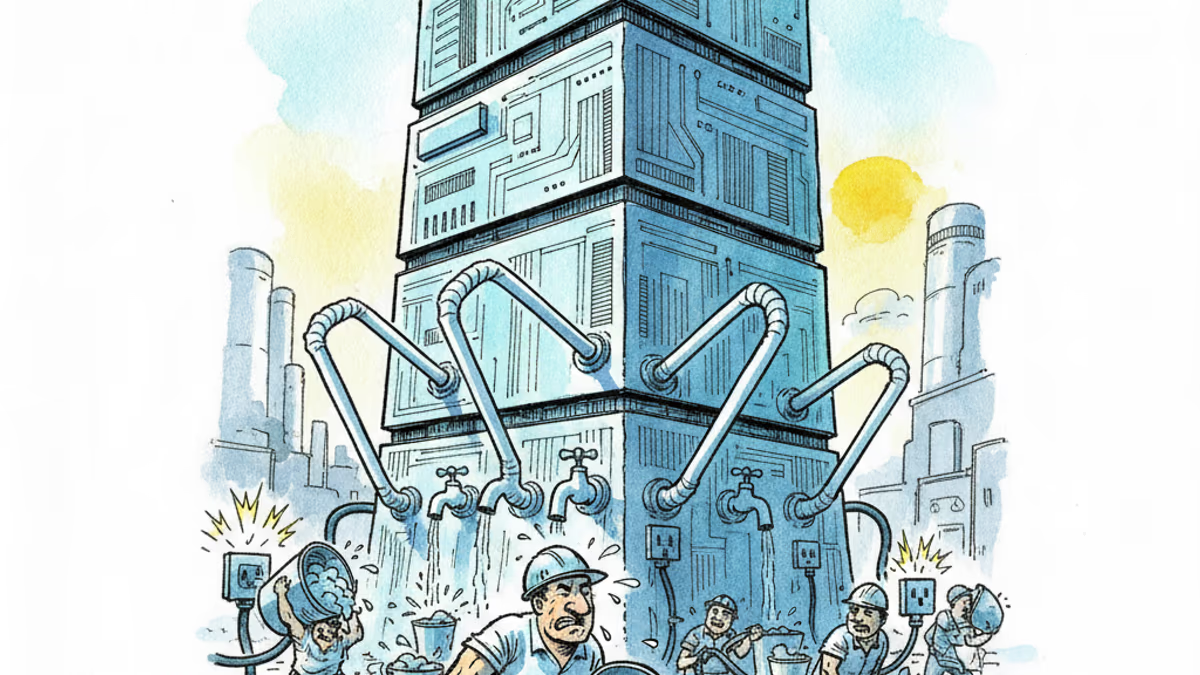
Samsung and SK unveiled a chip and AI investment package worth thousands of trillions of won on June 29. The headline number swings wildly by outlet, but the real contest isn't capital — it's water and power.
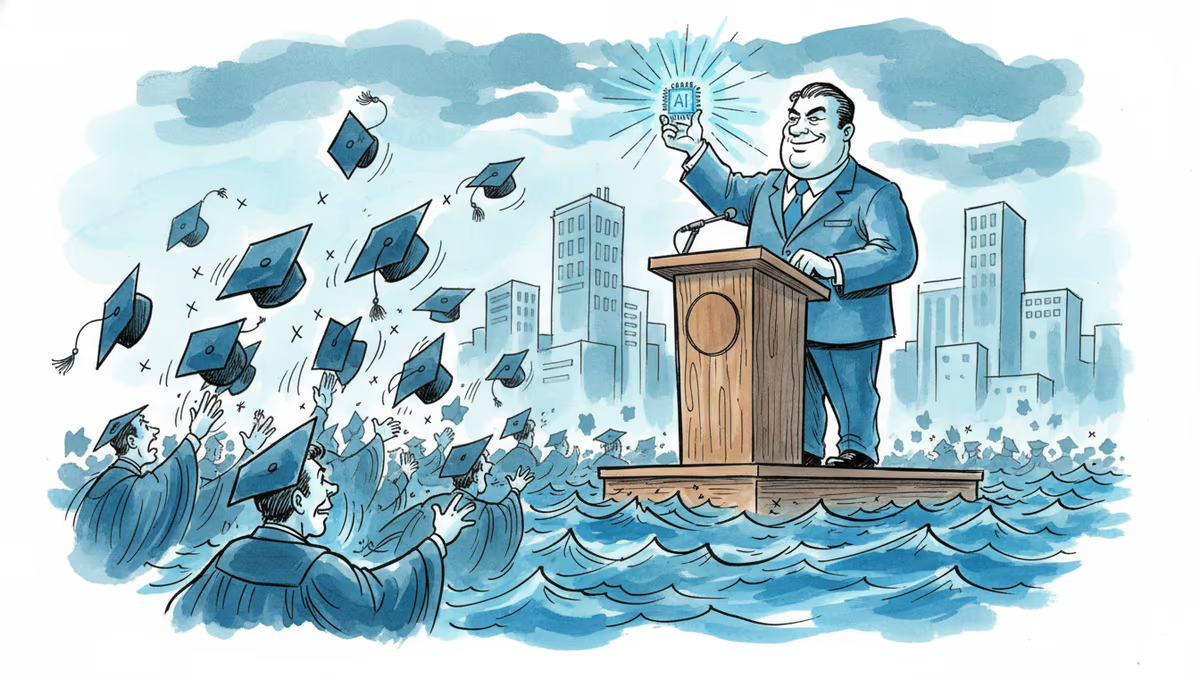
Viral videos show 2026 graduates jeering executives who praise AI at commencement ceremonies. It's not just rudeness — it's a signal about who pays for technological optimism.
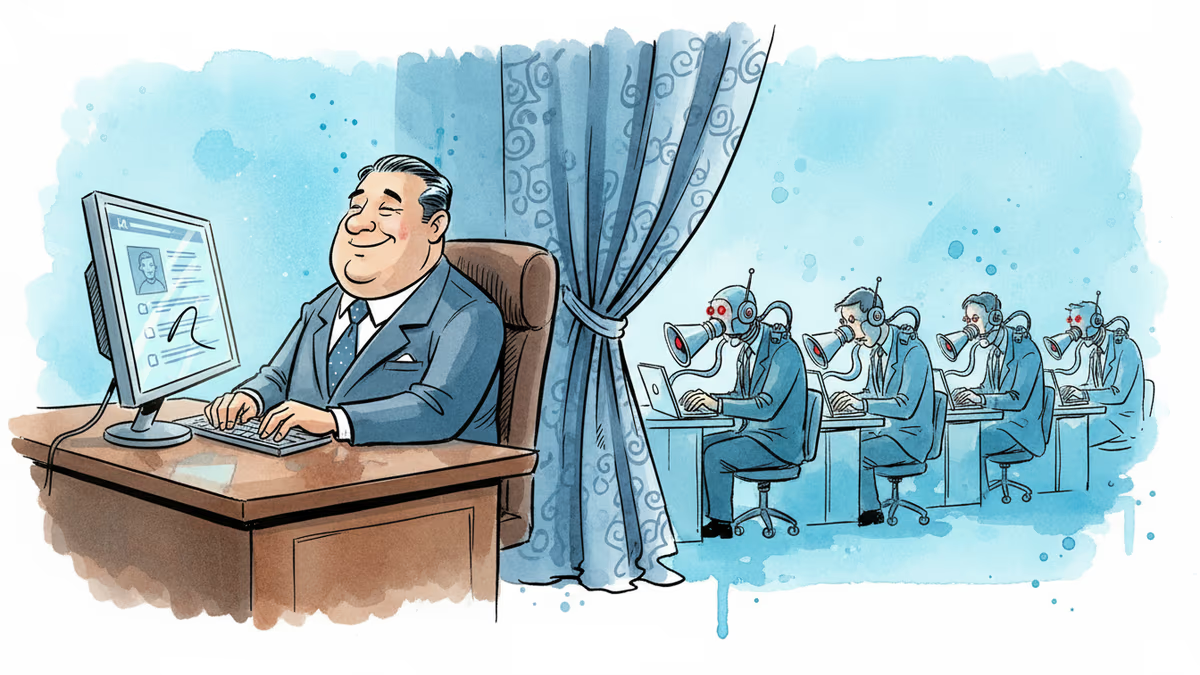
Filipino virtual assistants using AI to ghost-manage LinkedIn profiles for executives is now a structured industry. 30 comments a day, fake engagement rings, and a platform struggling to tell real from fabricated.
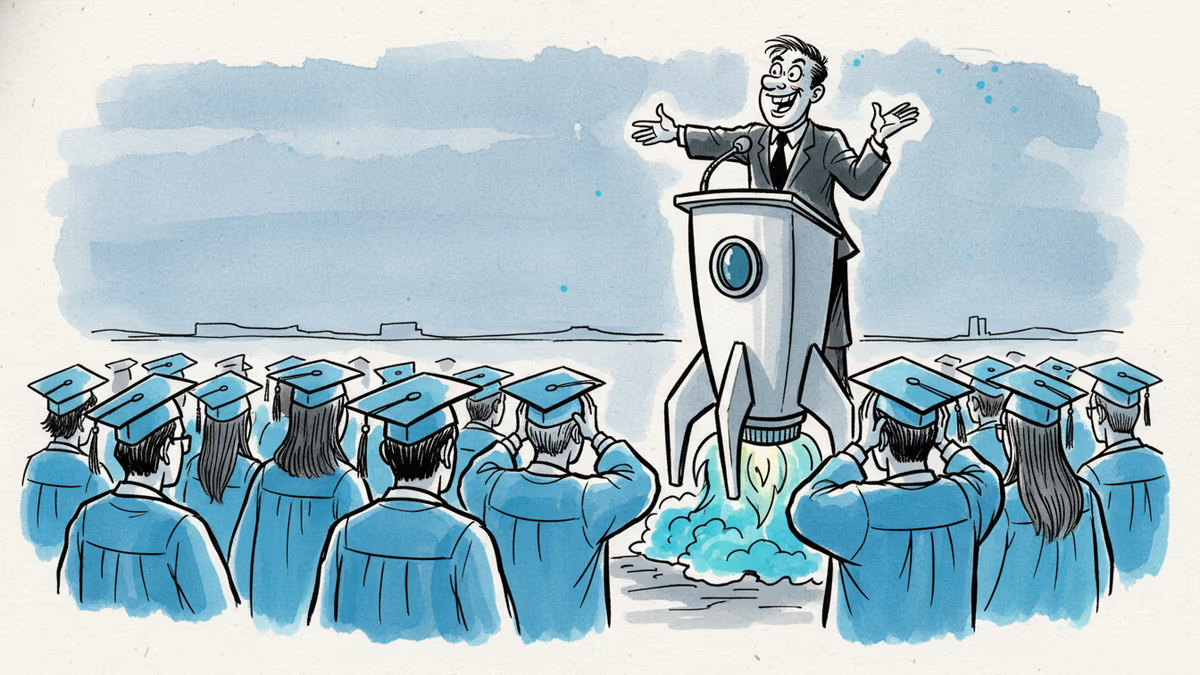
Two commencement speakers learned the hard way that AI enthusiasm doesn't land well with today's graduates. The backlash reveals a widening gap between tech optimism and Gen Z's economic reality.
Samsung and SK unveiled a chip and AI investment package worth thousands of trillions of won on June 29. The headline number swings wildly by outlet, but the real contest isn't capital — it's water and power.
Viral videos show 2026 graduates jeering executives who praise AI at commencement ceremonies. It's not just rudeness — it's a signal about who pays for technological optimism.
Filipino virtual assistants using AI to ghost-manage LinkedIn profiles for executives is now a structured industry. 30 comments a day, fake engagement rings, and a platform struggling to tell real from fabricated.
Two commencement speakers learned the hard way that AI enthusiasm doesn't land well with today's graduates. The backlash reveals a widening gap between tech optimism and Gen Z's economic reality.
Thoughts
Share your thoughts on this article
Sign in to join the conversation