
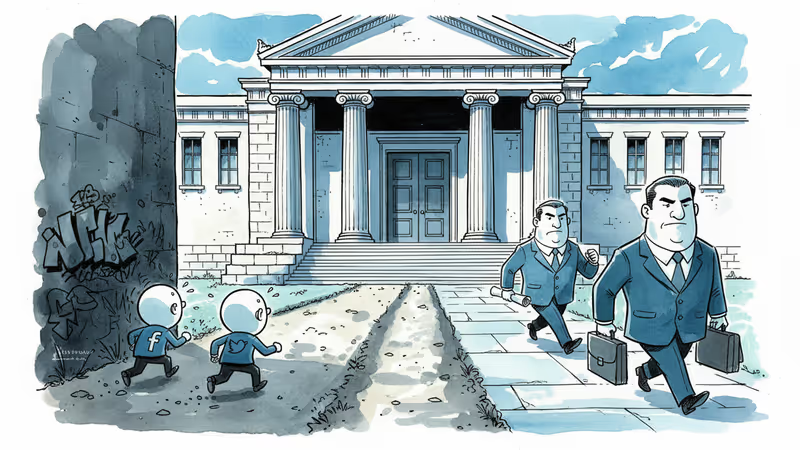
Why TikTok and Snap Chose Settlement Over Showdown
TikTok and Snap settled social media addiction lawsuits while Meta and YouTube head to trial. What does this strategic split reveal about Big Tech's legal calculus?
TikTok and Snap quietly settled a high-profile lawsuit Monday evening, while Meta and YouTube are heading into a courtroom showdown that begins Tuesday. The split strategy reveals something telling about how Big Tech views its legal exposure.
The lawsuit centers on allegations that social media companies intentionally design addictive products that harm users, particularly young people. With 19-year-old plaintiff K.G.M. at its center, this case represents the first of dozens of similar legal challenges against social platforms.
The Great Divide
The contrast between settlement and trial strategies is striking. TikTok and Snap chose to resolve matters quietly without admitting wrongdoing, though settlement terms remain confidential. Meanwhile, Meta CEO Mark Zuckerberg and YouTube chief Neal Mohan will take the witness stand in what could become a precedent-setting trial.
Why the different approaches? Scale and exposure likely played crucial roles. Meta commands over 3 billion users across its platforms, while YouTube boasts 2.6 billion monthly active users. For these giants, a single settlement could signal vulnerability to dozens of copycat lawsuits.
TikTok and Snap, while massive, may have calculated that settling now prevents more damaging public testimony and potential precedents that could haunt them in future cases.
What's Really at Stake
This isn't just about one lawsuit—it's about the fundamental business model of social media. These platforms make money by capturing and monetizing user attention. The longer users scroll, the more ads they see, the more revenue flows.

But what happens when "engagement optimization" gets reframed as "addiction engineering"? The trial will likely expose internal documents, algorithms, and design decisions that companies prefer to keep private.
Parents, educators, and mental health advocates are watching closely. If the trial establishes legal liability for addictive design, it could reshape how platforms approach everything from recommendation algorithms to notification systems.
The Regulatory Ripple Effect
This case arrives as global regulators are already circling Big Tech. The EU's Digital Services Act, the UK's Online Safety Bill, and various state-level initiatives in the US are all pushing for greater platform accountability.
A plaintiff victory could accelerate these regulatory efforts. Suddenly, "time well spent" initiatives that tech companies have treated as optional PR moves could become legal necessities.
Investors are taking notice too. Social media stocks have shown volatility around regulatory news, and this trial could introduce new uncertainty about the sustainability of attention-based business models.
The Testimony to Watch
When Zuckerberg and Mohan testify, expect pointed questions about internal research on platform effects, particularly on younger users. Previous congressional hearings have shown how uncomfortable tech leaders can be when pressed on these issues under oath.
The plaintiff's legal team will likely present evidence of deliberate design choices meant to maximize user engagement, potentially including internal communications that frame user retention in addictive terms.
Authors
Related Articles
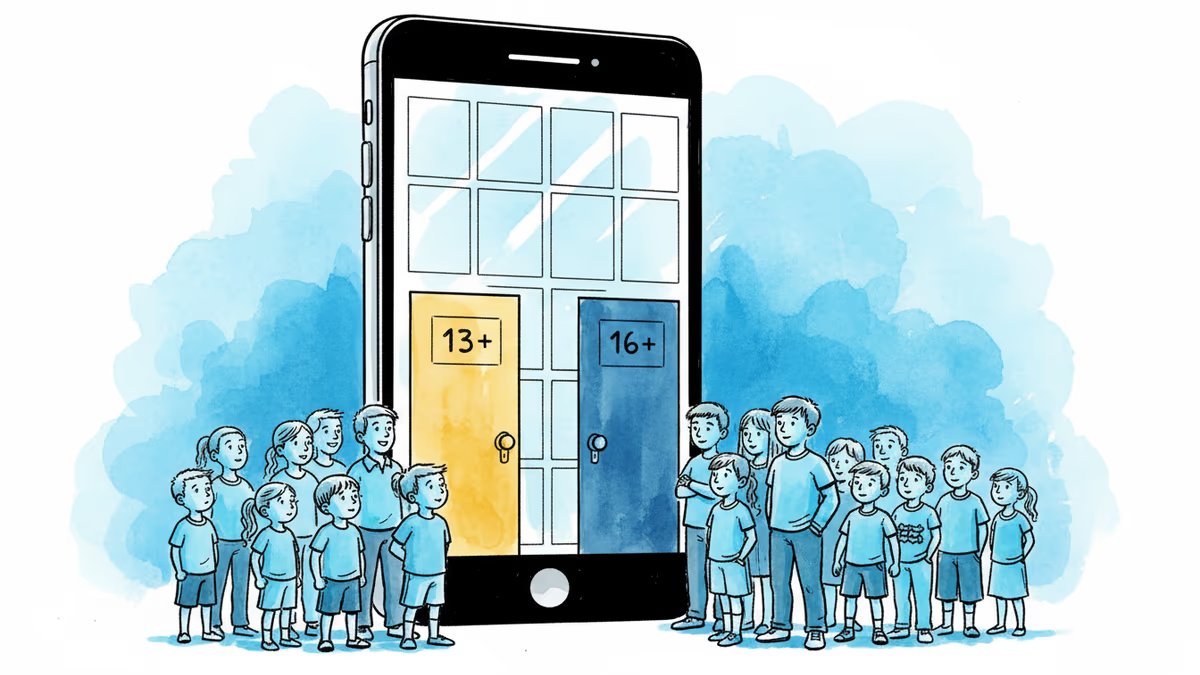
Indonesia introduces age-tiered social media restrictions, allowing 13+ for low-risk platforms and 16+ for high-risk ones. How does this compare to Australia's blanket ban?
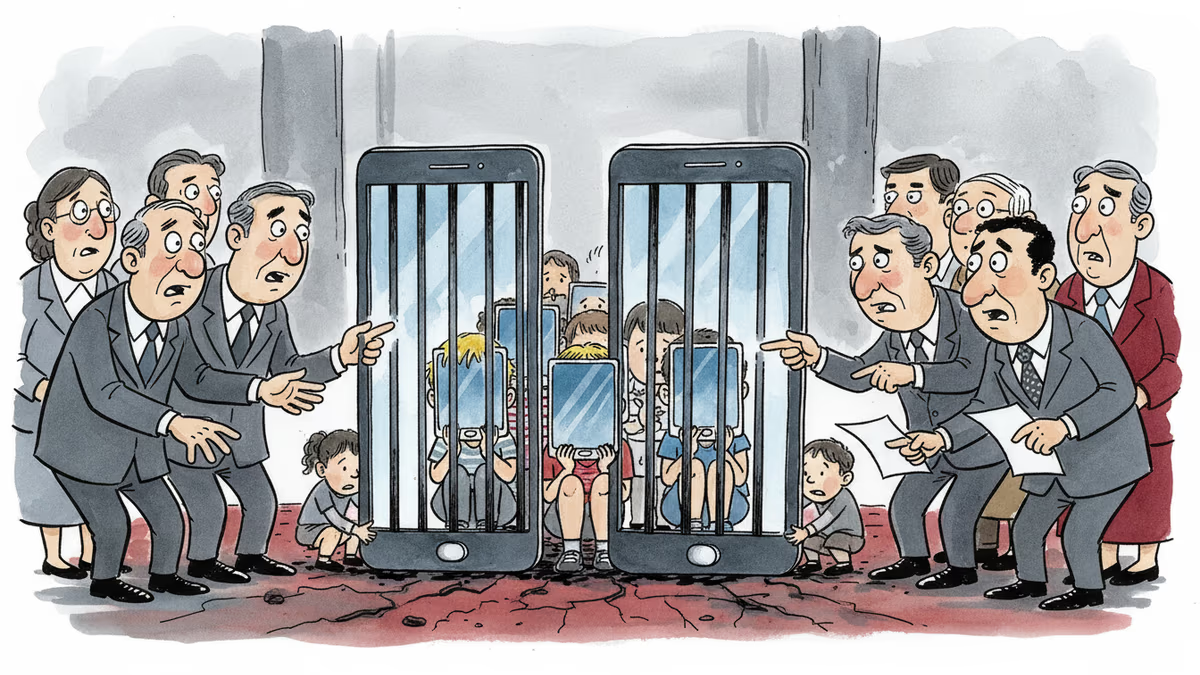
From Australia's $34M fines to France's parliamentary vote, 10 countries are restricting teen social media access. A global experiment in digital parenting begins.
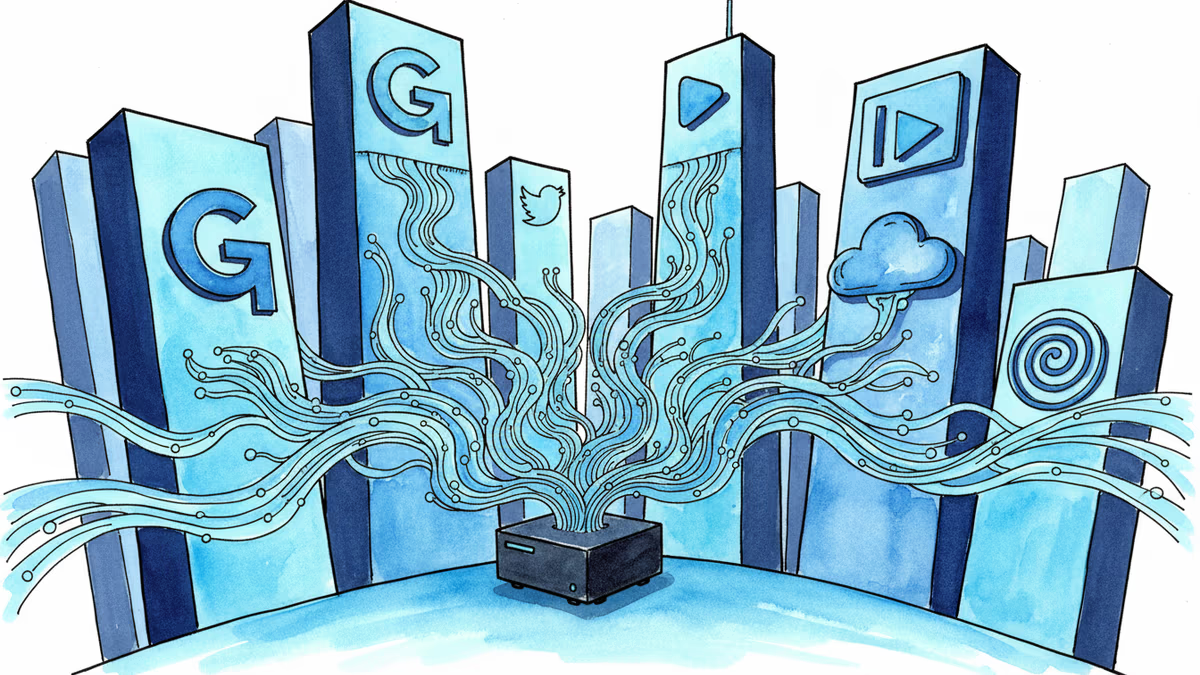
Current AI's open-source device challenges Big Tech's AI monopoly with offline capabilities and 22 Indian languages. Could this spark a new era of decentralized AI?
Middle East missile strikes trigger global doomscrolling epidemic. Neuroscience reveals why we can't stop scrolling through bad news and how to break free.
Indonesia introduces age-tiered social media restrictions, allowing 13+ for low-risk platforms and 16+ for high-risk ones. How does this compare to Australia's blanket ban?
From Australia's $34M fines to France's parliamentary vote, 10 countries are restricting teen social media access. A global experiment in digital parenting begins.
Current AI's open-source device challenges Big Tech's AI monopoly with offline capabilities and 22 Indian languages. Could this spark a new era of decentralized AI?
Middle East missile strikes trigger global doomscrolling epidemic. Neuroscience reveals why we can't stop scrolling through bad news and how to break free.
Thoughts
Share your thoughts on this article
Sign in to join the conversation