
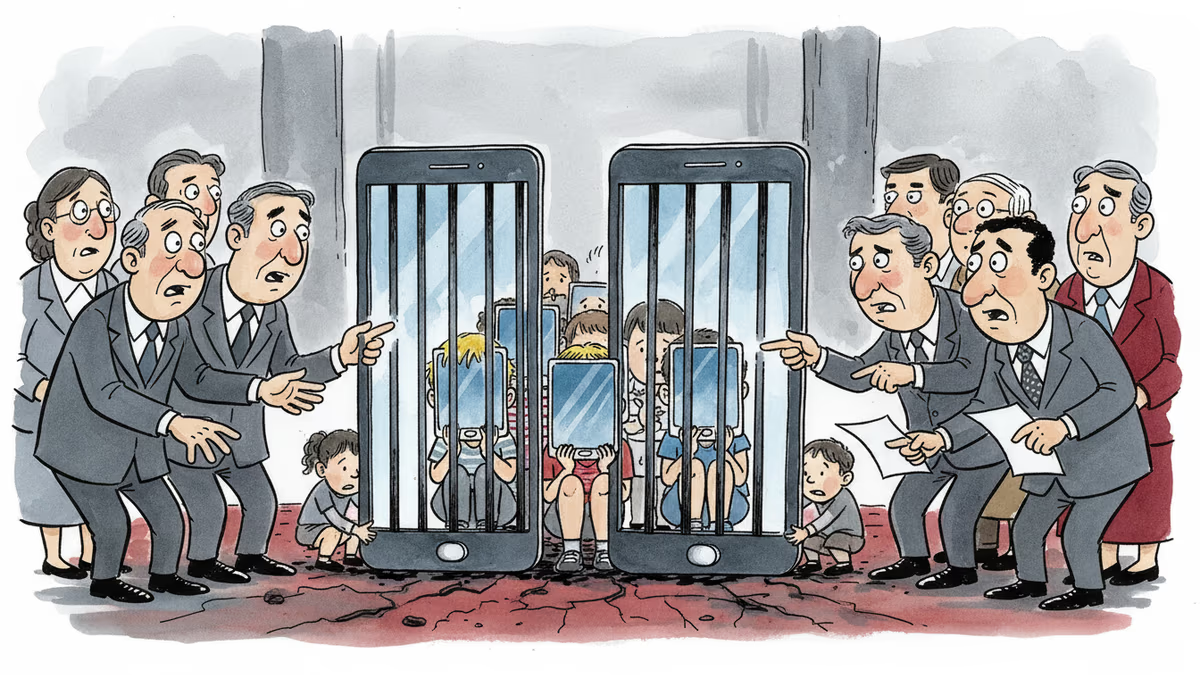
Ten Countries, One Target: Why the World Is Banning Social Media for Kids
From Australia's $34M fines to France's parliamentary vote, 10 countries are restricting teen social media access. A global experiment in digital parenting begins.
Ten countries are conducting the same experiment simultaneously. They're legally blocking children under 16 from social media platforms. Australia fired the first shot in December, and now Denmark, France, Germany, and Spain are loading their regulatory weapons.
This isn't just about "protecting kids." When a tenth of the world's developed nations move in lockstep, something bigger is happening.
Australia's $34 Million Gamble
Australia isn't playing around. Companies that fail to keep under-16s off their platforms face fines of up to $34.4 million USD. Meta, TikTok, and X are scrambling to build age verification systems that don't exist yet.
The exemption list tells the real story. WhatsApp and YouTube Kids get a pass. Communication and education? Fine. But Instagram, TikTok, and Snapchat—the dopamine-driven, algorithm-fed platforms—are banned.
The message is clear: not all screen time is created equal.
Europe's Digital Iron Curtain
Denmark will ban social media for under-15s by mid-2026. France's parliament already passed its version in January. Germany's conservatives are campaigning on a 16-and-under ban, while Spain's prime minister announced identical plans in February.
Even the UK—usually cautious about tech regulation—is "consulting" on the idea. Translation: they're testing the political waters.

This coordinated timing isn't coincidental. These countries are watching Australia's experiment closely, waiting to see if the world's first social media ban actually works.
Asia Joins the Movement
Malaysia plans to implement its ban this year. Indonesia announced in March it's targeting YouTube, TikTok, Facebook, Instagram, and even Roblox. The scope is unprecedented—not just social networks, but any platform where kids might encounter strangers.
The global nature of this movement suggests something deeper than moral panic. Governments are realizing that Silicon Valley's "move fast and break things" philosophy might have broken something irreplaceable: childhood itself.
The Privacy Paradox
Here's the contradiction: to protect children's privacy, governments are demanding more invasive age verification. Amnesty Tech calls these bans "ineffective" and warns about excessive data collection.
Tech companies face an impossible choice. Use biometric data to verify age? Privacy advocates revolt. Rely on user-reported ages? Regulators impose massive fines. The middle ground—AI-powered age estimation—is still experimental at best.
Meta is investing heavily in age detection technology while publicly stating that "perfect age verification is technically impossible." The company knows that admitting the technology works would invite regulation everywhere.
Parents vs. Digital Natives
The generational divide is stark. Parents overwhelmingly support these bans—one Australian parent told reporters it gave them "ammunition" to limit their child's phone use. But digital rights advocates worry about creating a generation that learns to circumvent authority from childhood.
VPN usage among teens has already spiked in Australia. Kids aren't just finding workarounds; they're becoming more sophisticated about digital privacy than their parents.
Authors
Related Articles
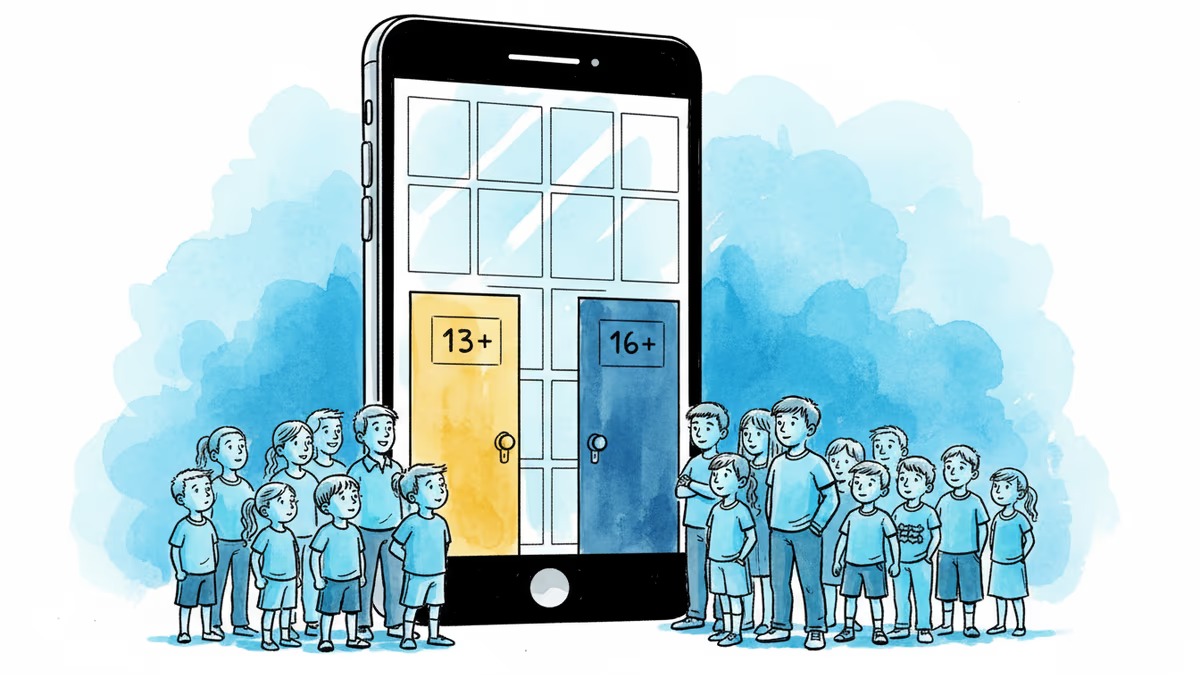
Indonesia introduces age-tiered social media restrictions, allowing 13+ for low-risk platforms and 16+ for high-risk ones. How does this compare to Australia's blanket ban?
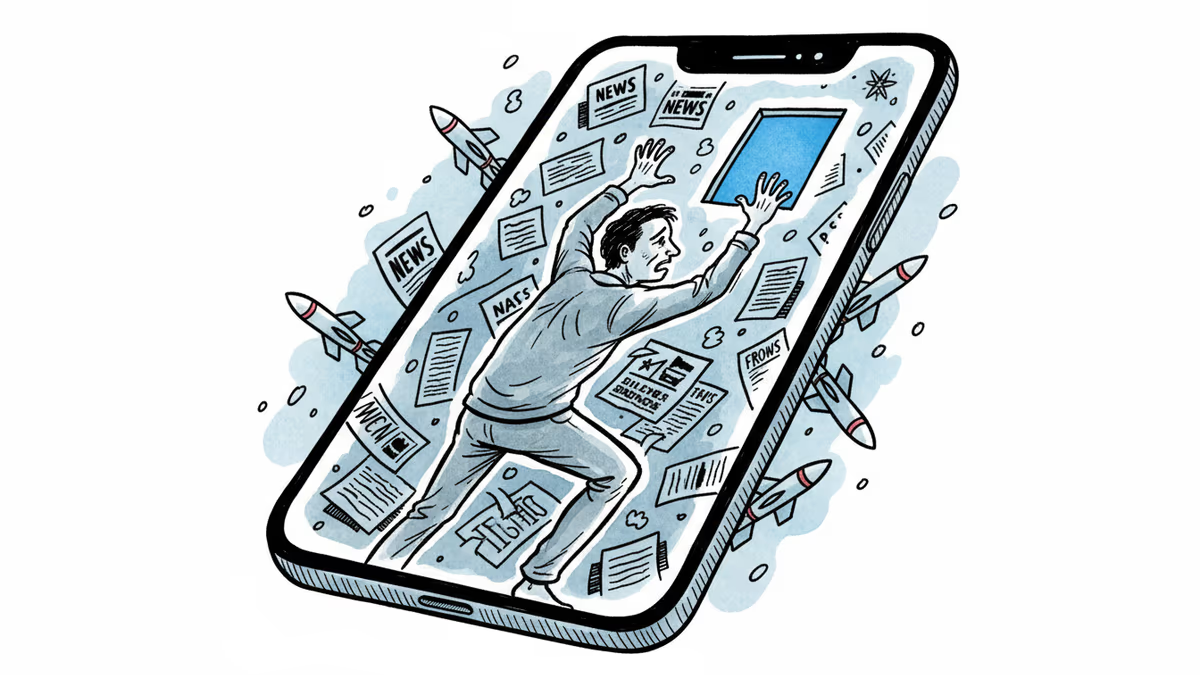
Middle East missile strikes trigger global doomscrolling epidemic. Neuroscience reveals why we can't stop scrolling through bad news and how to break free.
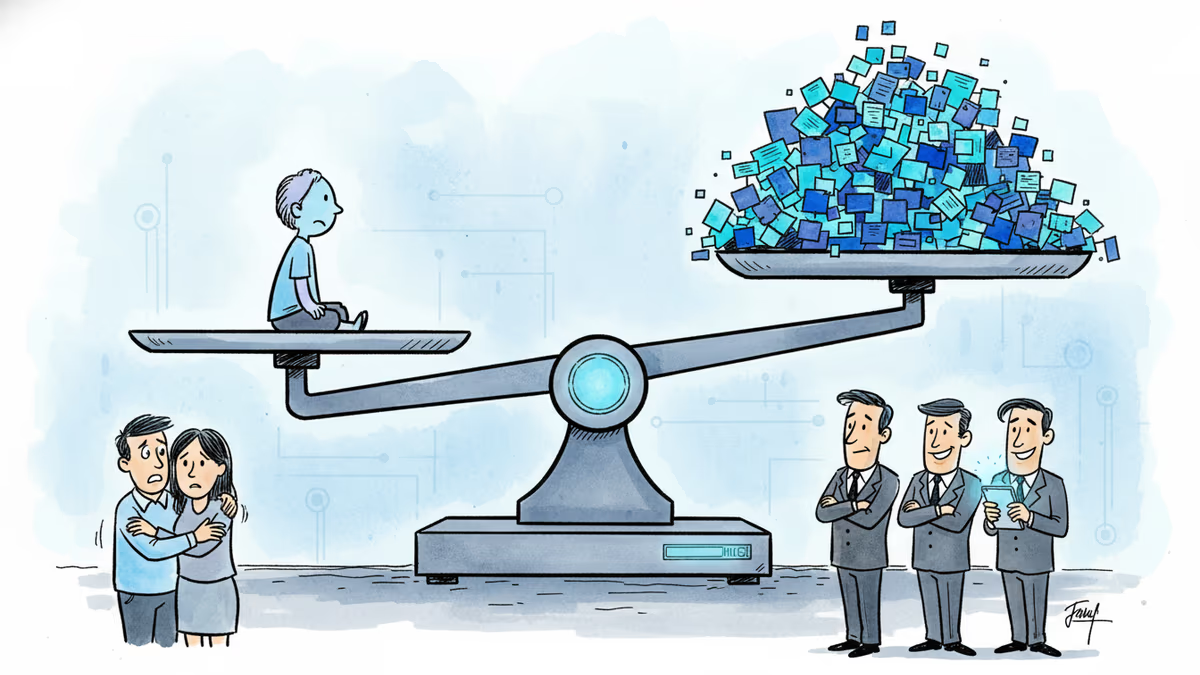
Federal Trade Commission announces enforcement pause on children's privacy law for websites using age verification tech. Child protection vs privacy rights debate intensifies.
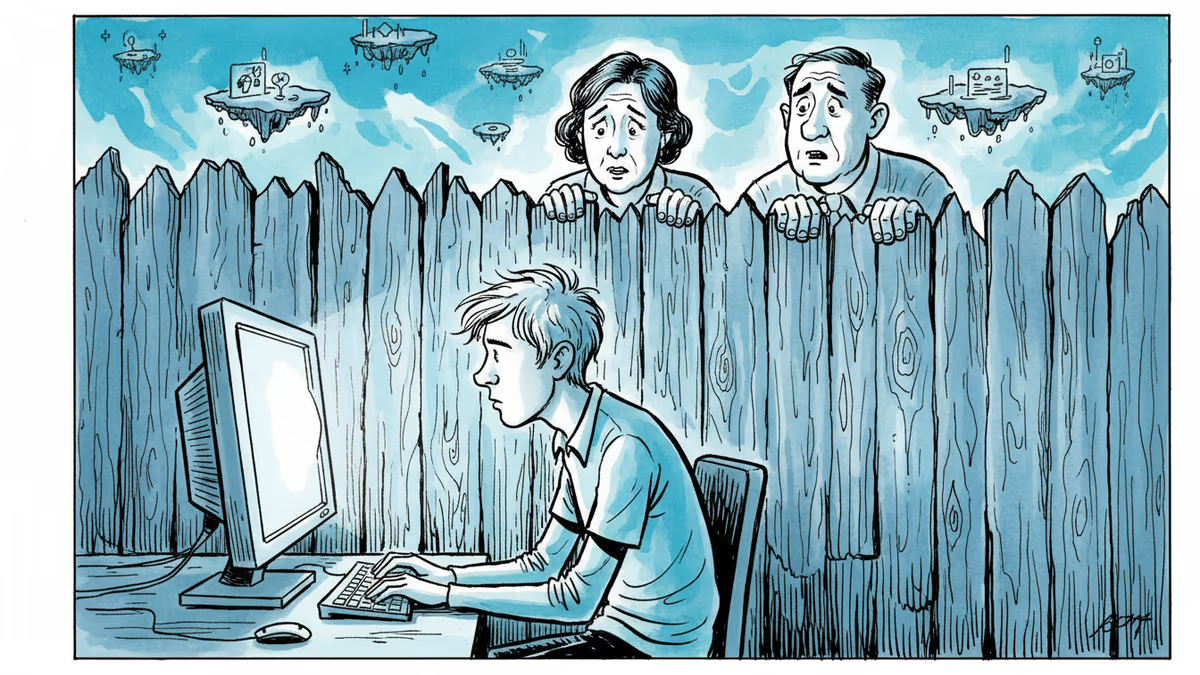
Instagram's new suicide search alerts for parents raise questions about whether surveillance-based solutions truly protect teens or simply push their struggles underground.
Indonesia introduces age-tiered social media restrictions, allowing 13+ for low-risk platforms and 16+ for high-risk ones. How does this compare to Australia's blanket ban?
Middle East missile strikes trigger global doomscrolling epidemic. Neuroscience reveals why we can't stop scrolling through bad news and how to break free.
Federal Trade Commission announces enforcement pause on children's privacy law for websites using age verification tech. Child protection vs privacy rights debate intensifies.
Instagram's new suicide search alerts for parents raise questions about whether surveillance-based solutions truly protect teens or simply push their struggles underground.
Thoughts
Share your thoughts on this article
Sign in to join the conversation